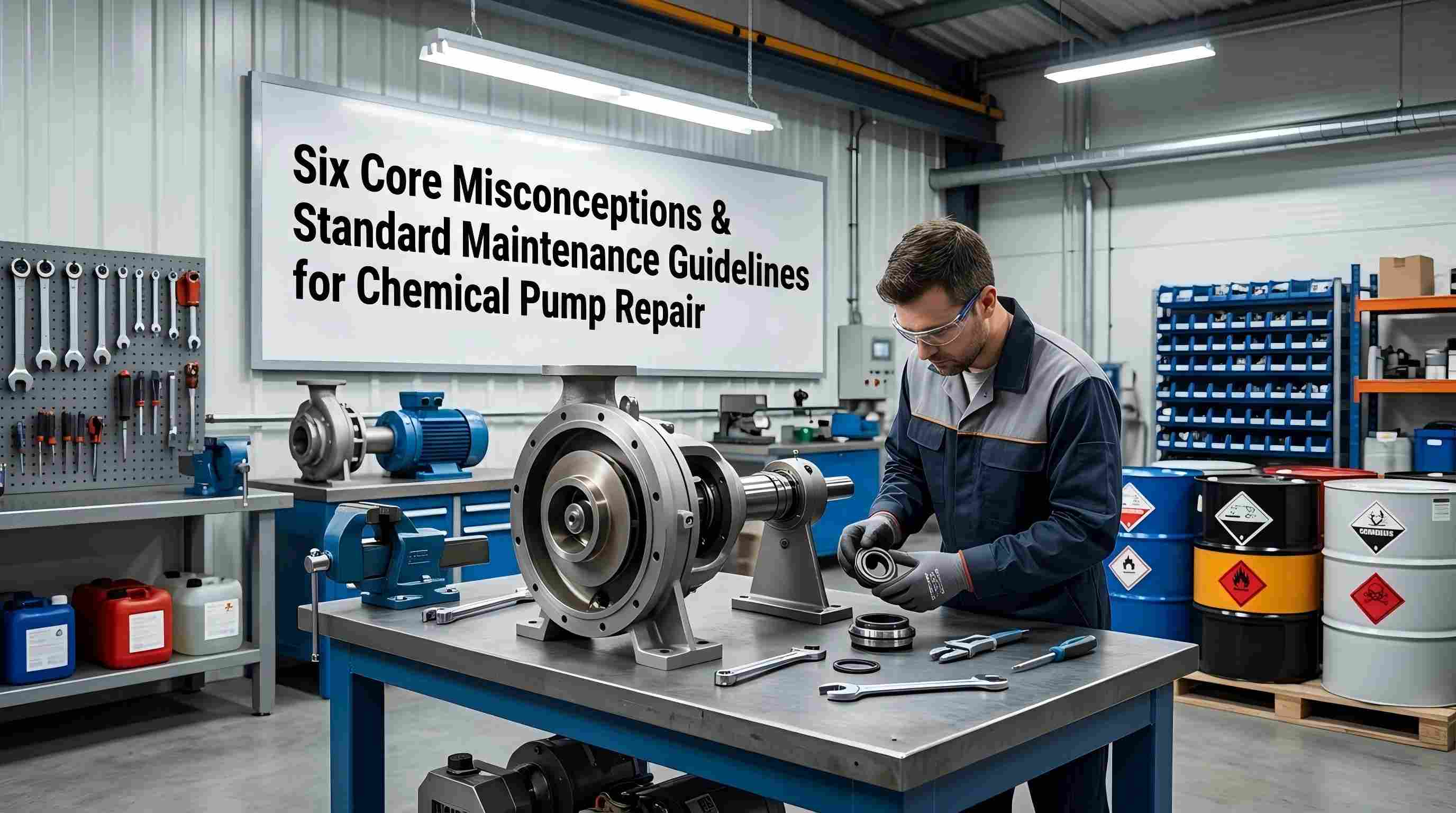
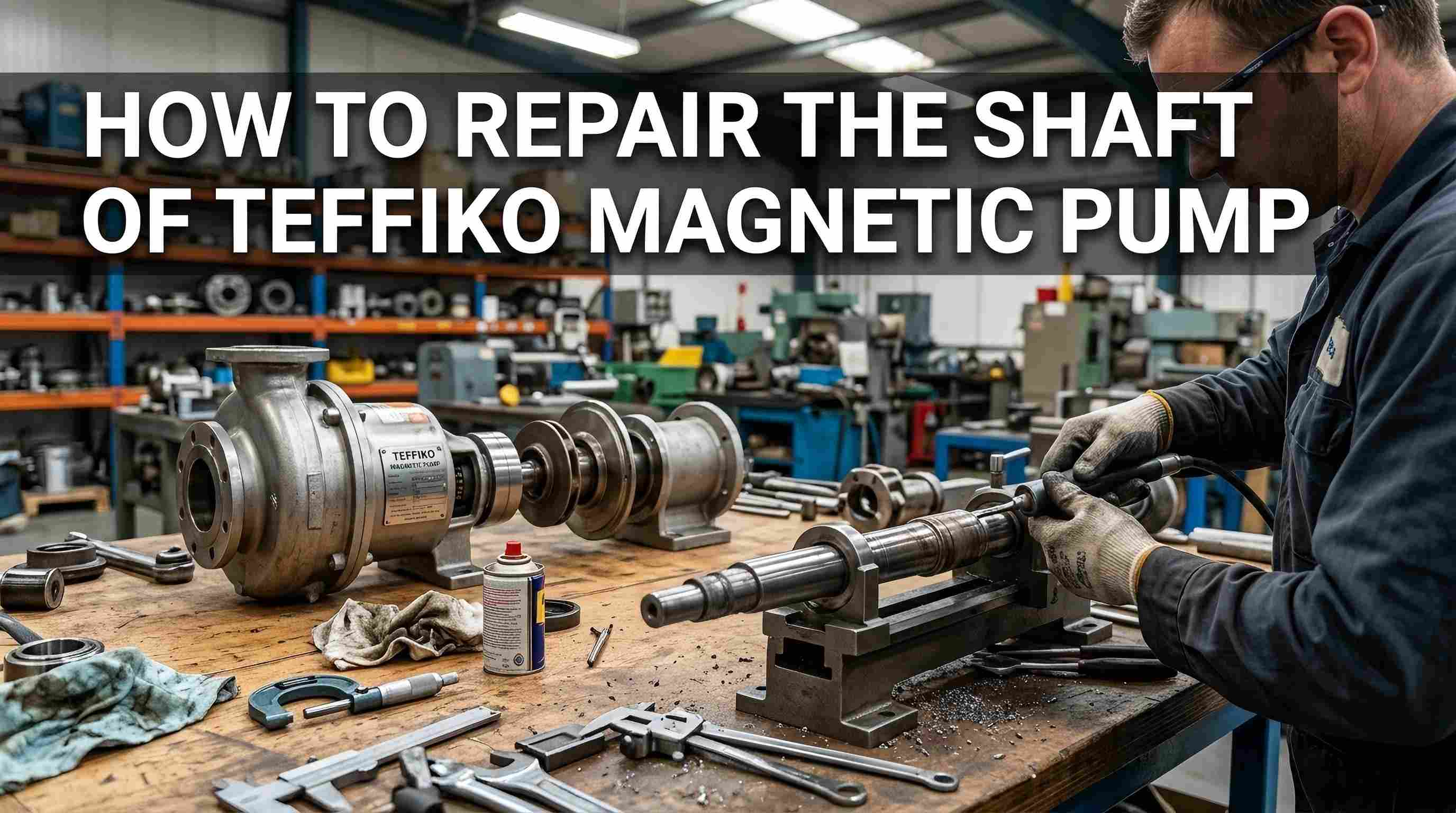
Magnetic drive pumps, as advanced leak-free and corrosion-resistant fluid conveyors, are indispensable in petroleum, chemical, pharmaceutical, nuclear power and other industrial fields with strict sealing requirements. Their core advantage is using magnetic coupling instead of traditional mechanical seals for power transmission, which fundamentally eliminates medium leakage and greatly boosts the safety and environmental performance of production processes. However, issues like reduced flow, no liquid discharge and overheating often occur in actual operation, some of which are misjudged as failures but are actually magnetic slippage—a phenomenon unique to magnetic drive pumps. This paper systematically analyzes the essential differences between the pump’s common operational failures and magnetic slippage, helping engineers worldwide quickly identify root causes, avoid misrepair, cut downtime and extend equipment service life.
In the complex oil and gas production system, few pieces of equipment are as critical yet often overlooked as crude oil transfer pumps. Designed specifically to move unprocessed crude oil from production sites to processing facilities or storage and transportation terminals, these specialized pumps ensure the smooth, safe and cost-effective operation of upstream, midstream and downstream processes. As global energy demand continues to evolve, selecting the right crude oil transfer pump is not only about performance, but also about system reliability, operational efficiency and long-term return on investment.
As a brand focused on high-end fluid transfer solutions, Teffiko delves into the definition, working principles and key selection considerations of crude oil transfer pumps based on the API 610 standard, and clarifies why investing in high-quality pumps delivers significant returns in terms of safety and economic benefits.
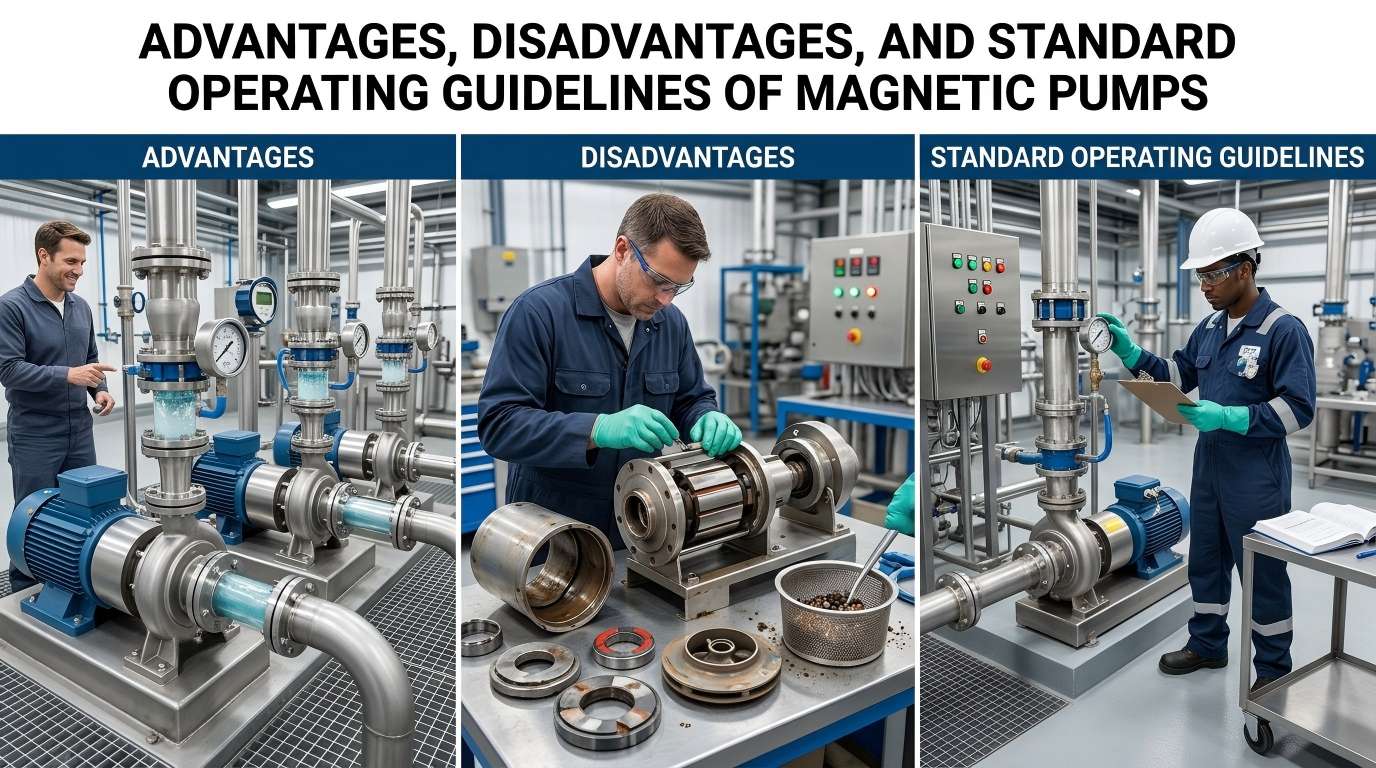
In industries with extremely high requirements for fluid transfer safety such as chemical engineering, electroplating, PCB manufacturing, and sewage treatment, traditional mechanically sealed pumps are being rapidly replaced by more advanced magnetic drive seal-less pumps due to potential leakage risks. Magnetic drive pumps not only achieve zero leakage but also continuously break through in terms of materials, structure, applicability, and reliability. Based on industry practices and technological evolution, this article systematically analyzes the four core advantages of magnetic drive pumps.
In chemical production, energy consumption optimization of centrifugal pumps is the key to cost reduction and efficiency improvement. Improving pump system efficiency not only relies on advanced control technologies, but also depends on refined maintenance processes. Based on Teffiko's scientific research practices and production experience, this paper elaborates on how to achieve comprehensive energy conservation by reducing hydraulic losses, volumetric losses and system leakage.
In agricultural irrigation, municipal drainage, industrial circulation, building water supply and even emergency rescue, water pumps are indispensable core equipment. Centrifugal pumps and submersible pumps, as two mainstream pump types, are widely used in different working conditions due to their unique working methods and applicable advantages. So what are their differences? And which occasions are they suitable for? Teffiko will systematically sort out their working principles, structural characteristics, application scenarios and selection points for you.
We use cookies to offer you a better browsing experience, analyze site traffic and personalize content. By using this site, you agree to our use of cookies.
Privacy Policy