Centrifugal pumps are widely used in chemical, environmental protection, mining and other fields. Affected by medium erosion, corrosion, friction and other factors during long-term operation, the three core components—mechanical seals, impellers and pump shafts—are the most prone to damage, often causing failures such as leakage, vibration and insufficient flow. At present, most enterprises emphasize emergency repair over preventive maintenance and lack standardized maintenance standards, resulting in high repair rates and shortened service life. Combined with practical experience and technical parameters, this paper systematically sorts out maintenance techniques and installation standards for key components, providing practical preventive maintenance references for operation and maintenance personnel.
A vertical multistage centrifugal pump is a high-pressure fluid handling device composed of multiple impellers stacked vertically. Unlike the horizontal shaft layout of horizontal pumps, this equipment features a vertical coaxial structure for the motor and pump body, with multiple impellers mounted in series on the same main shaft. Each set of impellers and flow channels forms an independent pressurization unit to achieve gradual increment of fluid pressure.
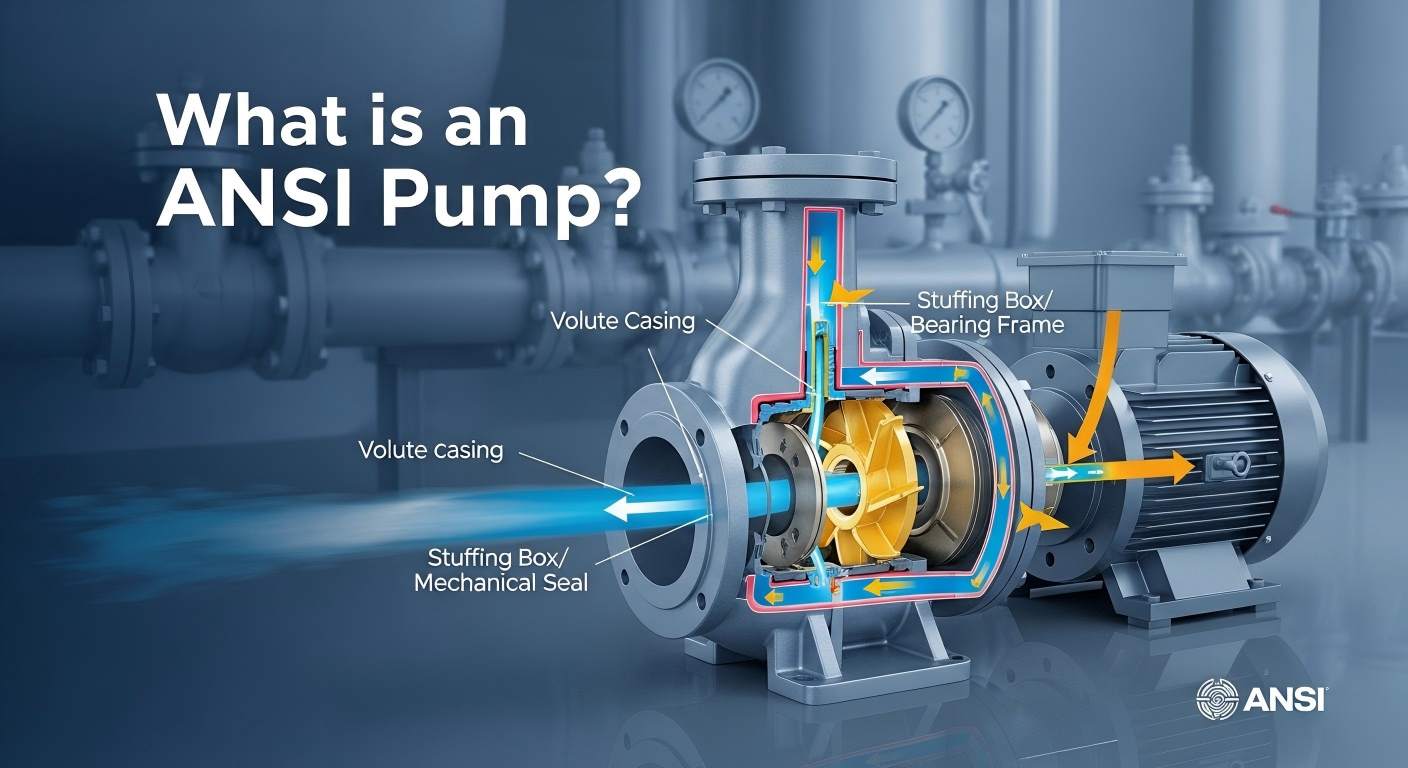
ANSI pump (also known as ASME B73.1 pump) is a horizontal single-stage end-suction centrifugal pump designed and manufactured in strict compliance with the ANSI/ASME B73.1M standard issued by the American National Standards Institute (ANSI) and the American Society of Mechanical Engineers (ASME).
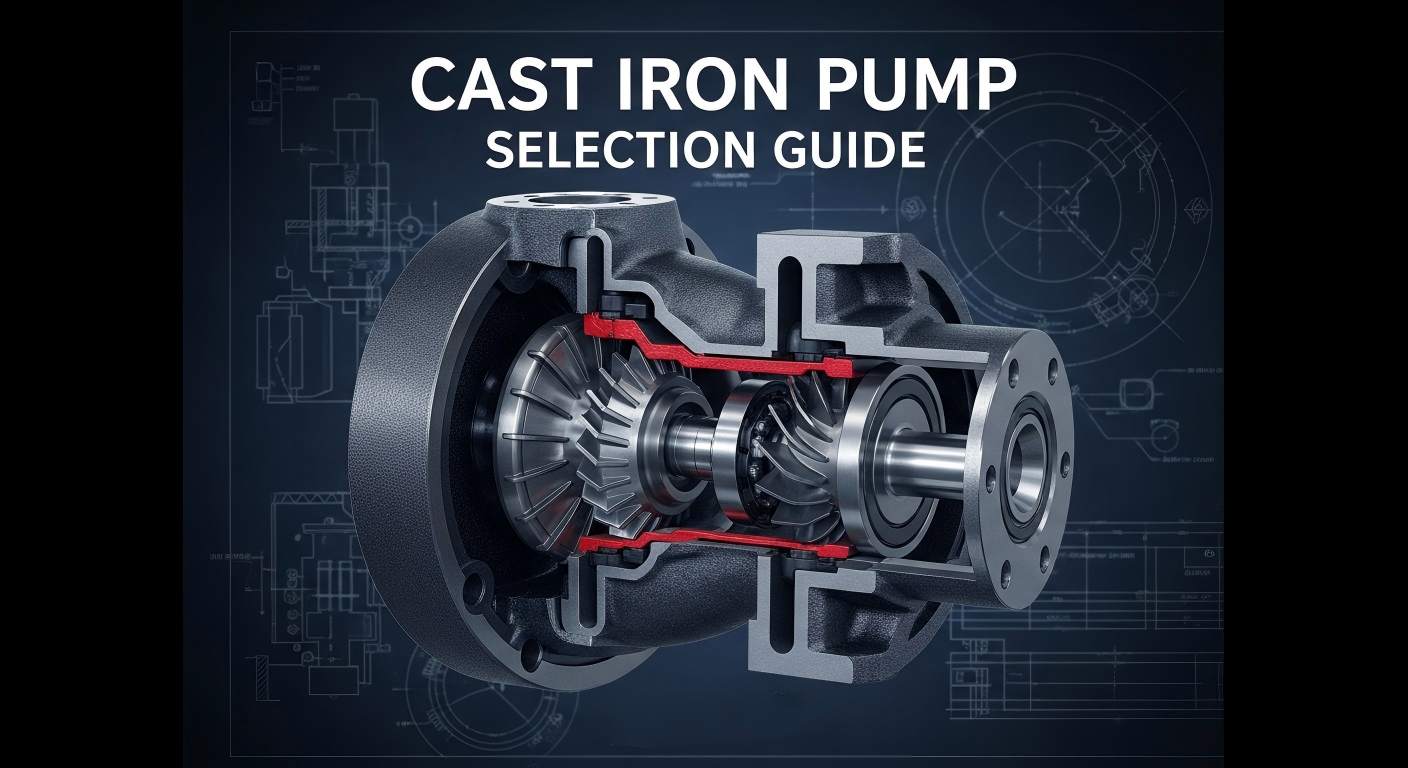
Teffiko provides professional support for cast iron pump selection. In the petrochemical production system, as the most widely used and cost-effective basic conveying equipment, cast iron pumps are indispensable "conveying experts" in industrial plants, responsible for conveying crude oil, clean water, light oil and other materials under neutral medium and conventional working conditions. According to statistics, cast iron pumps account for more than 40% of pumps used in petrochemical industry. With the advantages of low material cost, simple structure and convenient maintenance, they are the first choice for small and medium-sized petrochemical enterprises and conventional conveying scenarios.
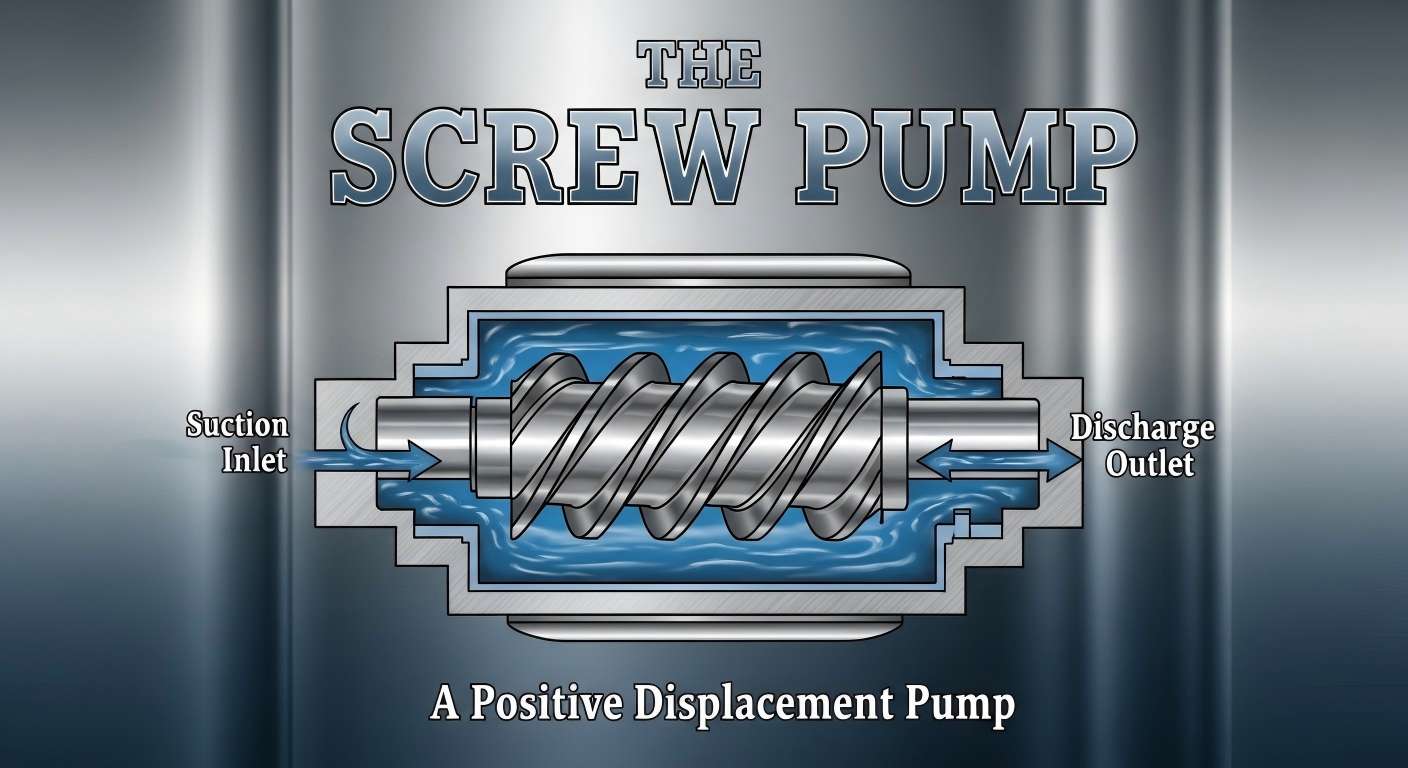
This article clarifies that screw pumps are positive displacement rotary pumps, explains their classification basis, advantages, applications, and introduces services of teffiko and Pate Pump Industry.
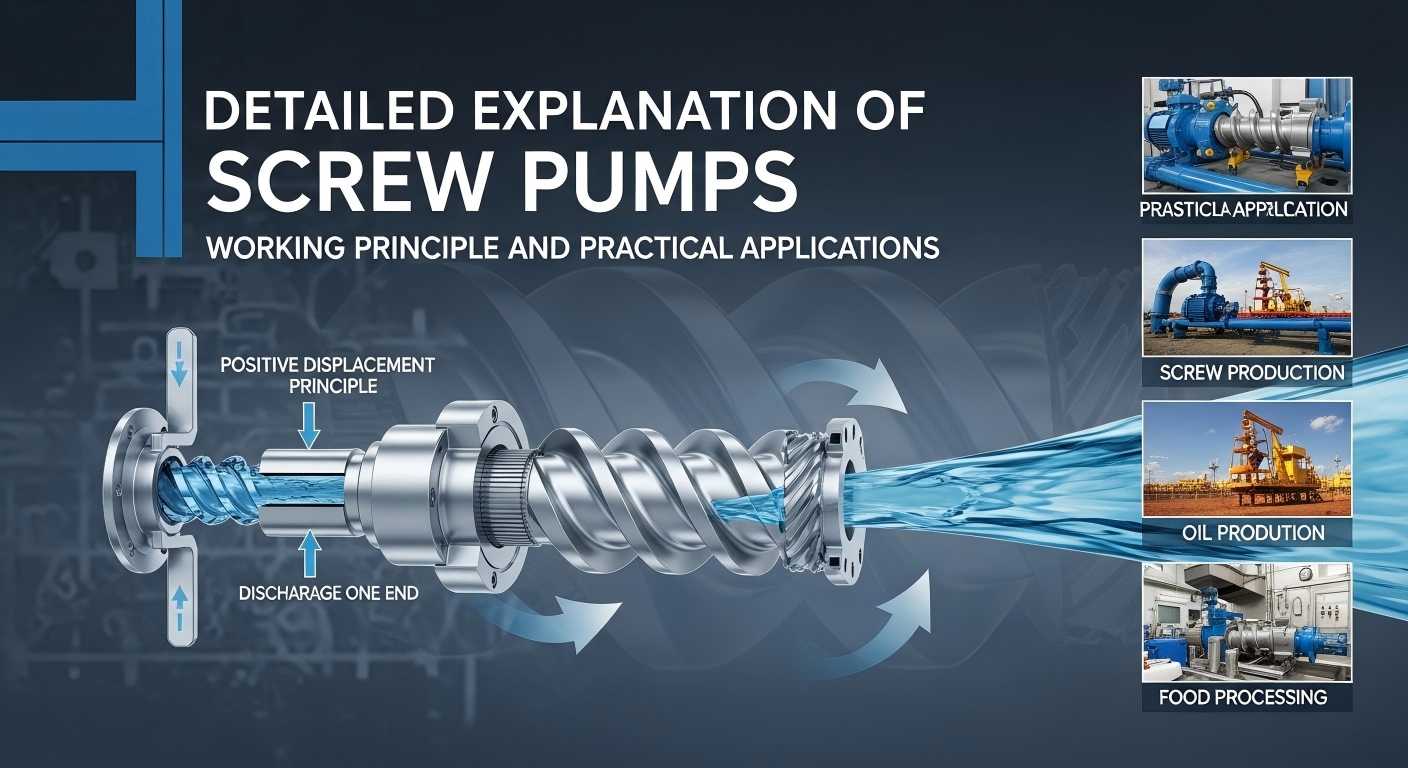
Screw pumps are one of the oldest and most reliable positive displacement pump technologies in the industrial fluid handling sector. Their full product range, including single-screw, twin-screw, and triple-screw pumps, is widely used in oil and gas, chemical, marine, and other industries. These pumps have gained global customer recognition for their reliable performance and customized solutions. Despite their simple structure, many engineers lack a thorough understanding of their working principle and selection applications. This article provides a detailed explanation based on TEFFIKO engineering practice to support equipment selection decisions and maximize the optimal performance of screw pumps.
We use cookies to offer you a better browsing experience, analyze site traffic and personalize content. By using this site, you agree to our use of cookies.Privacy Policy