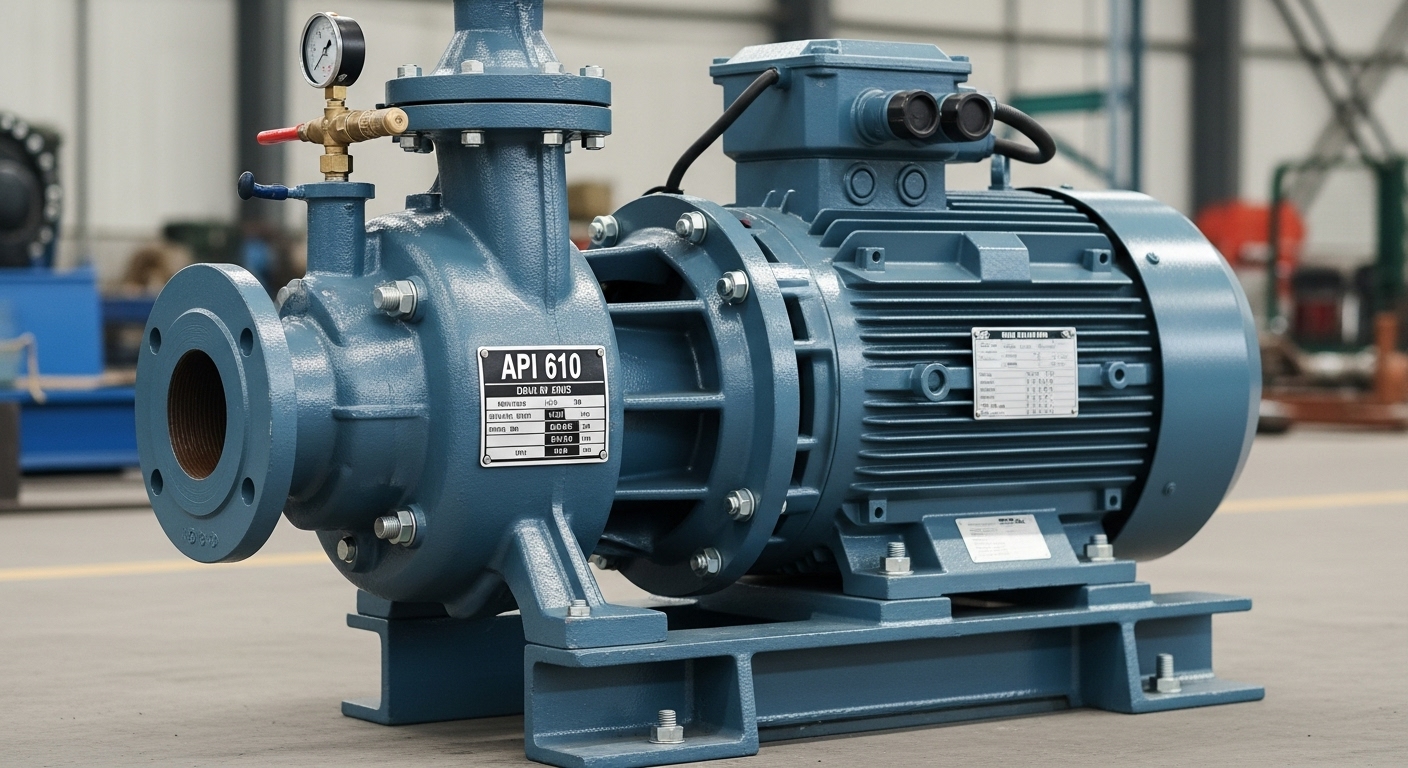
In the API 610 standard, OH (Overhung) pumps are a category of centrifugal pumps with the impeller mounted on the end of a shaft that is supported by bearings on only one side. Among them, OH3 and OH4 pumps are both horizontal overhung centrifugal pumps, but they differ significantly in design, maintenance requirements, and application suitability.
Understanding these differences can help engineers and end users select the most appropriate pump for their operating conditions.
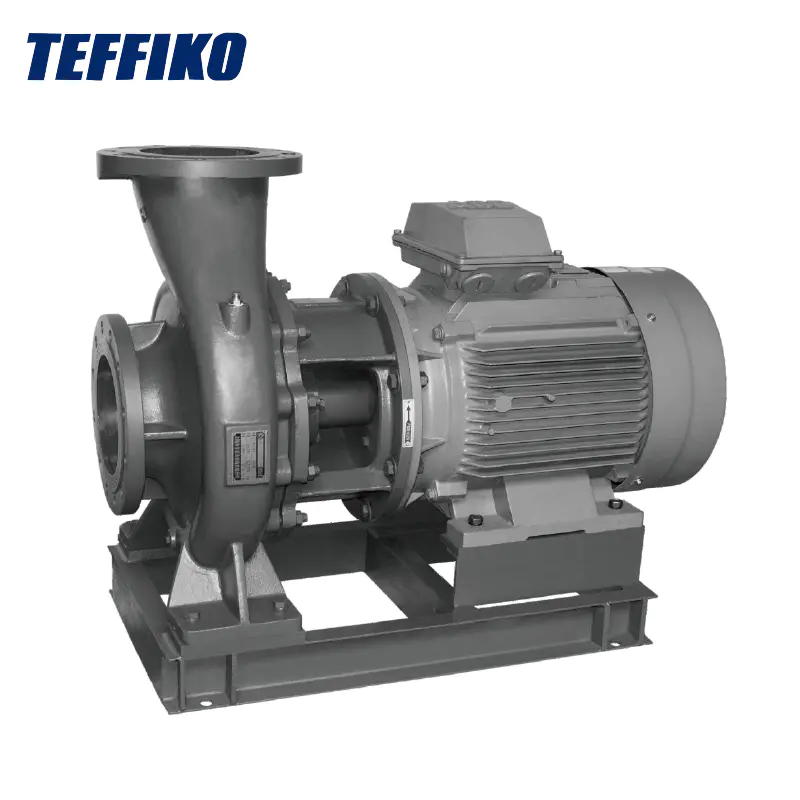
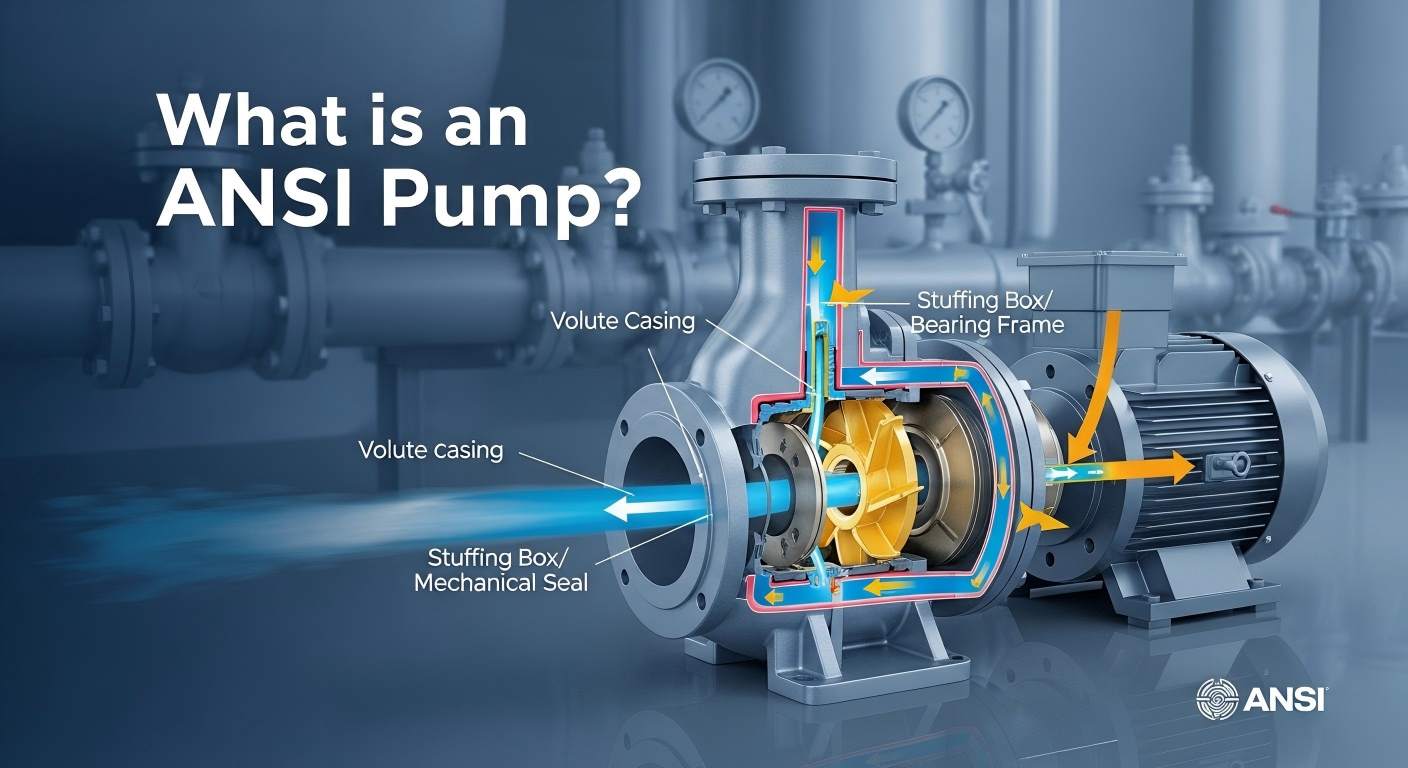
An OH3 pump is an overhung centrifugal pump equipped with an independent bearing frame.
Its key features include:
Separate pump shaft and motor shaft
Coupling connection between the pump and motor
Independent bearing housing and lubrication system
Higher shaft rigidity and load-carrying capability
Easier maintenance and component replacement
Although the OH3 is still classified as an overhung pump, meaning the impeller is mounted on the overhung end of the shaft, the independent bearing frame provides improved rotor support and operational stability compared with more compact designs.
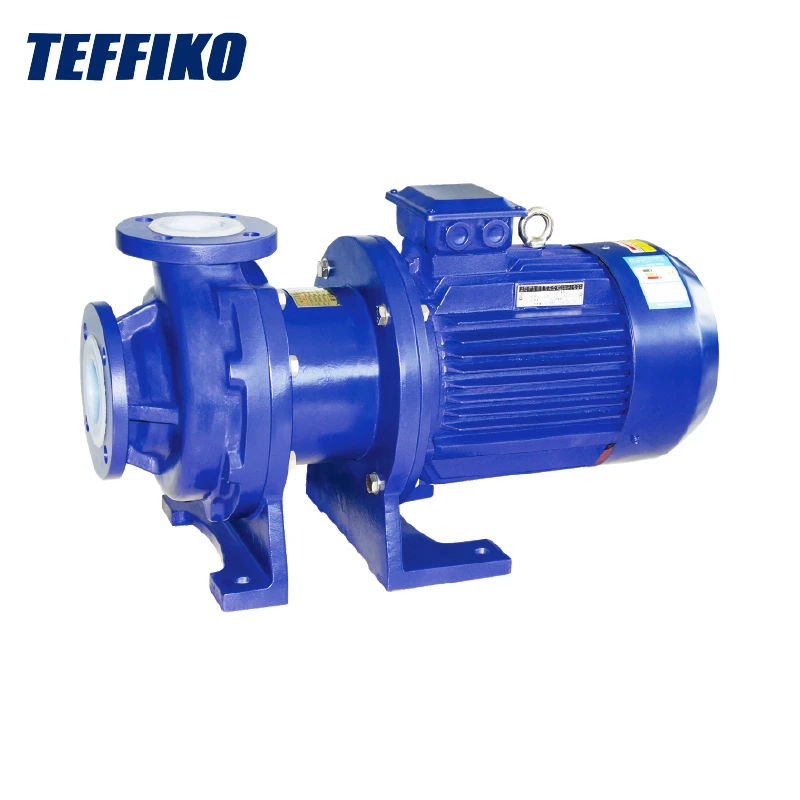
An OH4 pump is a close-coupled overhung centrifugal pump.
Its main characteristics include:
Compact, integrated pump and motor assembly
No independent bearing frame
Motor shaft supports the pump rotor load
No flexible coupling required
Reduced installation space and overall weight
Because the motor and pump are closely integrated, OH4 pumps offer a simpler design with fewer components, making them a cost-effective solution for many industrial applications.
Performance and Application Comparison
Typical Applications of OH3 Pumps
Due to their robust construction and independent bearing support, OH3 pumps are commonly used in:
Petrochemical processing
Oil and gas facilities
Power generation plants
High-temperature liquid transfer
Continuous-duty industrial services
Applications requiring high reliability
OH3 pumps are often selected for demanding process conditions where long service life and operational stability are critical.
Typical Applications of OH4 Pumps
OH4 pumps are generally suitable for:
Industrial water supply systems
Cooling water circulation
Utility services
Light to medium-duty industrial processes
Installations with limited space
Their compact design and lower installation costs make them an attractive choice for applications where operating conditions are less severe.
OH3 vs OH4: Key Differences
Feature
OH3
OH4
Pump Type
Overhung Pump
Overhung Pump
Motor Connection
Coupled Design
Close-Coupled Design
Independent Bearing Frame
Yes
No
Shaft Arrangement
Separate Pump Shaft
Motor Shaft Supports Pump Rotor
Installation Space
Larger
More Compact
Maintenance Accessibility
Excellent
Good
Reliability in Heavy-Duty Service
Higher
Moderate
Initial Investment
Higher
Lower
Typical Industries
Petrochemical, Energy, Process Industries
Water Supply, Utilities, General Industry
How to Choose Between OH3 and OH4 Pumps
The choice between an OH3 and an OH4 pump depends on the specific operating requirements of the application.
An OH3 pump is generally the better option when:
High reliability is required
The system operates continuously
Process temperatures are elevated
Mechanical loads are significant
Maintenance accessibility is important
An OH4 pump is often preferred when:
Space is limited
Installation simplicity is a priority
Budget considerations are important
Operating conditions are relatively moderate
When selecting a pump, engineers should evaluate factors such as flow rate, discharge pressure, fluid characteristics, operating temperature, maintenance requirements, and lifecycle costs rather than relying solely on pump classification.
Conclusion
Both OH3 and OH4 pumps are horizontal overhung centrifugal pumps defined by API 610, but they are designed with different priorities in mind.
OH3 pumps emphasize reliability, durability, and suitability for demanding process applications, while OH4 pumps focus on compactness, simplicity, and cost efficiency.
By understanding the strengths and limitations of each design, users can select the pump type that best matches their operational needs and achieve optimal system performance.
We use cookies to offer you a better browsing experience, analyze site traffic and personalize content. By using this site, you agree to our use of cookies.Privacy Policy