Athena Engineering S.r.l.
News

Centrifugal Pump Components List: A Concise Guide to Key Parts Like Impeller, Casing, and Shaft

2025-12-09

Centrifugal pumps are the backbone of industrial fluid transfer, widely used in water treatment, oil and gas, manufacturing, chemical, and other sectors. Their stable operation relies on the seamless collaboration of internal precision components. Whether you’re selecting a pump, performing maintenance, or making a purchase, grasping the key details of these core components is absolutely essential. Below, I’ll break down the main parts of centrifugal pumps—their functions, types, and key points—based on practical on-site experience.

1. Impeller: The Power Core

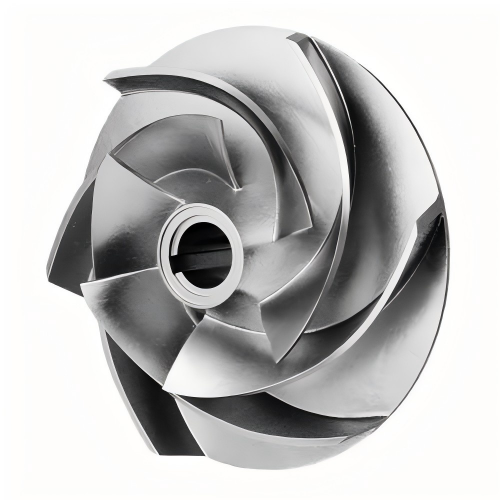
The impeller is a rotating disc with curved vanes, acting as the "heart" of the centrifugal pump. It suctions and accelerates fluid through centrifugal force, converting kinetic energy into pressure energy. Structurally, it comes in three types: open, semi-open, and closed. The material must match the fluid properties—stainless steel for corrosive environments, and duplex steel or ceramic-coated materials for high-temperature and wear-resistant scenarios.

Impeller

2. Pump Casing: Key to Flow Path and Pressure Conversion

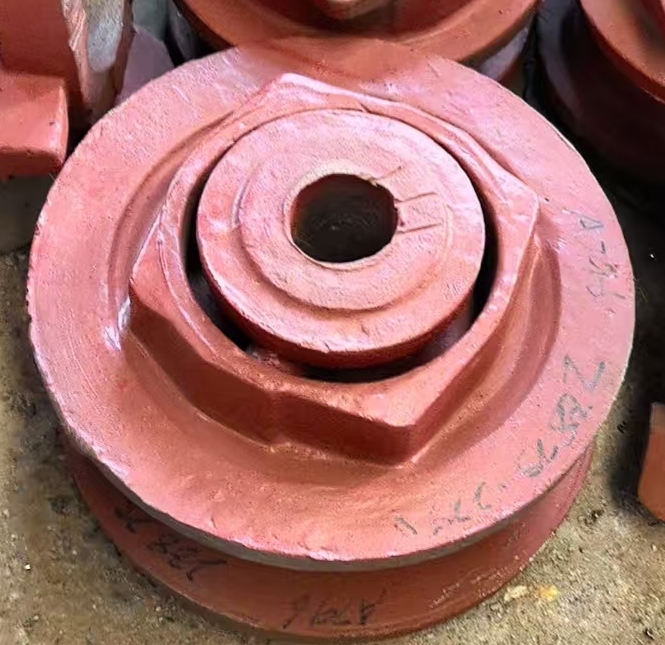
The pump casing (also called a volute) is a stationary outer shell. Its core role is to guide fluid in and out of the impeller, and through its spiral structure, it slows down the fluid to convert kinetic energy into static pressure energy. Common types include volute casings (versatile, with uniform pressure distribution) and diffuser casings (suitable for high-pressure, high-flow applications like boiler feed pumps). The material should fit the fluid—cast iron for ordinary fluids, and stainless steel or Hastelloy for corrosive fluids. It also provides sealing and protection functions.

pump casing

3. Pump Shaft: The Power Transmission Carrier

The pump shaft is a metal rod connecting the impeller to the motor, whose main function is to transmit rotational power. It needs sufficient strength and alignment to withstand torque, vibration, and the weight of the impeller. Materials are categorized into carbon steel (for general use), stainless steel (for corrosive or food-grade applications), and alloy steel (for high-temperature and high-pressure conditions). It relies on bearings for support to reduce friction, and these bearings require regular lubrication to prevent failures.

4. Mechanical Seal: The Key to Preventing Leakage

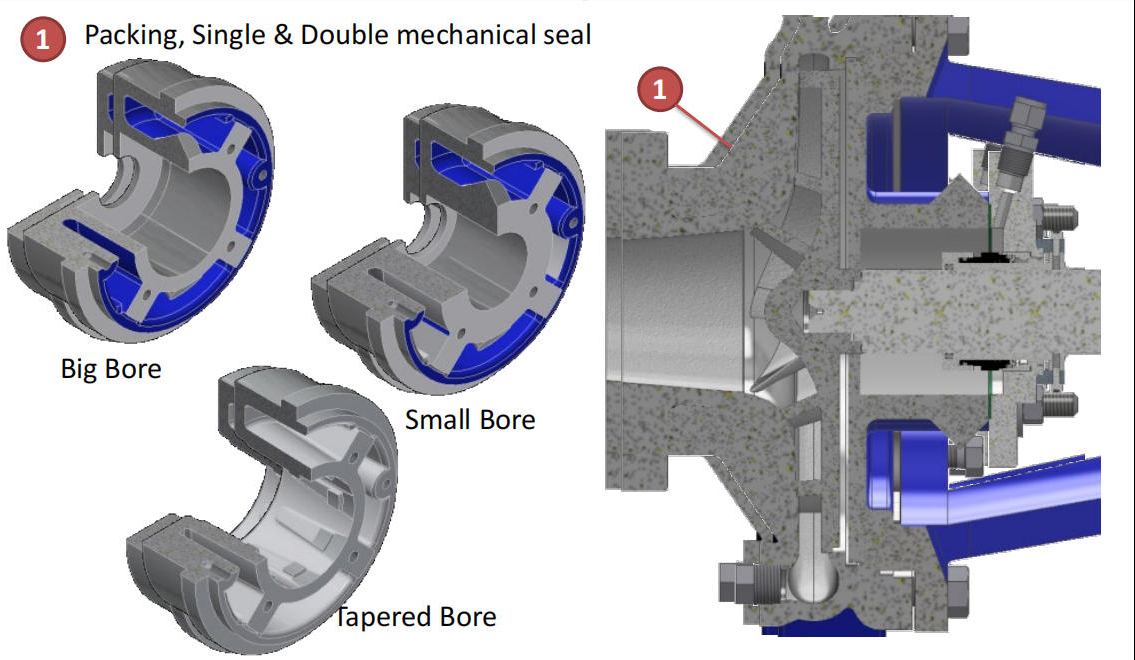
Designed to solve leakage issues at the junction where the shaft exits the casing, the mechanical seal consists of a stationary seat (mounted on the casing, made of carbon or ceramic) and a rotating face (attached to the shaft, made of silicon carbide or tungsten carbide). It achieves sealing through lubrication from a fluid film. Compared to traditional packing seals, it offers better sealing performance and less wear, making it especially suitable for handling toxic, flammable, and other special fluids.

mechanical seal

5. Other Critical Components


  • Bearings and Bearing Housing: Support the pump shaft and reduce friction; the bearing housing provides protection and a space for lubrication.
  • Shaft Sleeve: Protects the pump shaft and is replaceable to lower maintenance costs.
  • Inlet/Outlet Flanges: Comply with industry standards (e.g., ANSI, DIN) to ensure secure and sealed connections with pipelines.
  • Wear Rings: Reduce internal leakage and are replaceable to avoid damage to core components.
  • Coupling: Connects the pump shaft to the motor shaft, transmits power, and accommodates minor misalignments.


6. Component Collaboration and Key Considerations

A centrifugal pump’s efficient operation depends on the seamless coordination of all parts: the motor drives the coupling, which rotates the pump shaft; the impeller spins to transfer fluid; the casing converts pressure; and the sealing and wear-resistant components ensure stability.

When selecting components, consider fluid properties (viscosity, corrosiveness, temperature), operating conditions (pressure, flow rate), and industry requirements. For maintenance, focus on: regularly inspecting the impeller and seals, lubricating bearings as per specifications, and promptly replacing worn shaft sleeves and wear rings to prevent overall operational issues caused by single-component failures.

Conclusion

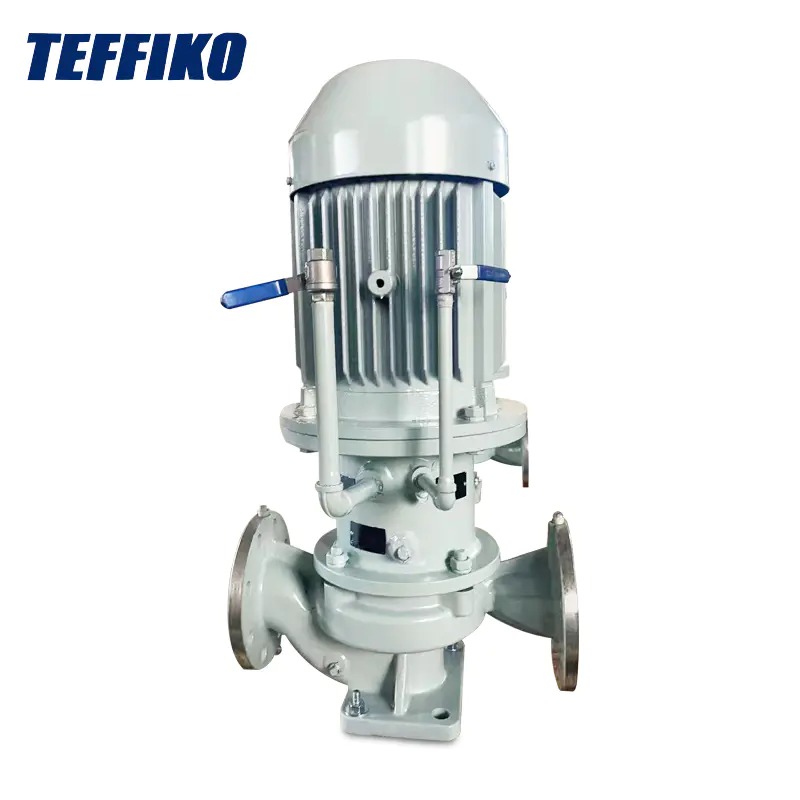
The performance of a centrifugal pump hinges on component compatibility and scientific maintenance, with high-quality configurations and professional support being key to achieving efficient operation. Teffiko has deep expertise in the centrifugal pump field, offering reliable products and technical services through precise R&D of core components and experience in adapting to working conditions. By mastering the key points of these components and leveraging Teffiko’s professional support, you can effectively improve equipment efficiency, reduce downtime losses, and help both industry veterans and newcomers avoid detours in selection and maintenance—ensuring long-term stable operation of centrifugal pumps and providing reliable power support for industrial fluid transfer.


Related News
X
We use cookies to offer you a better browsing experience, analyze site traffic and personalize content. By using this site, you agree to our use of cookies. Privacy Policy
Reject Accept