Centrifugal Pump Price Reveal: Why the Price Difference Can Be 10 Times?
2025-12-04
Why do centrifugal pumps have quotes ranging from several thousand yuan to several hundred thousand yuan? It’s not that merchants are arbitrarily pricing them! I’ve organized some notes—all dry goods from actual procurement pitfalls and manufacturer inquiries. Understand this and save money on unnecessary expenses~
I. Root Cause of Price Difference: Not "Usable," But "Able to Be Used for a Long Time and Stably"
Low-cost pumps: Only meet the basic requirement of "being able to run" without considering issues like corrosion and high pressure.High-priced pumps: Upgraded in corrosion resistance, operational stability, and service life—for example:
The material cost alone differs by 5-10 times between a cast iron pump for clean water and a fluoroplastic pump for concentrated acid!
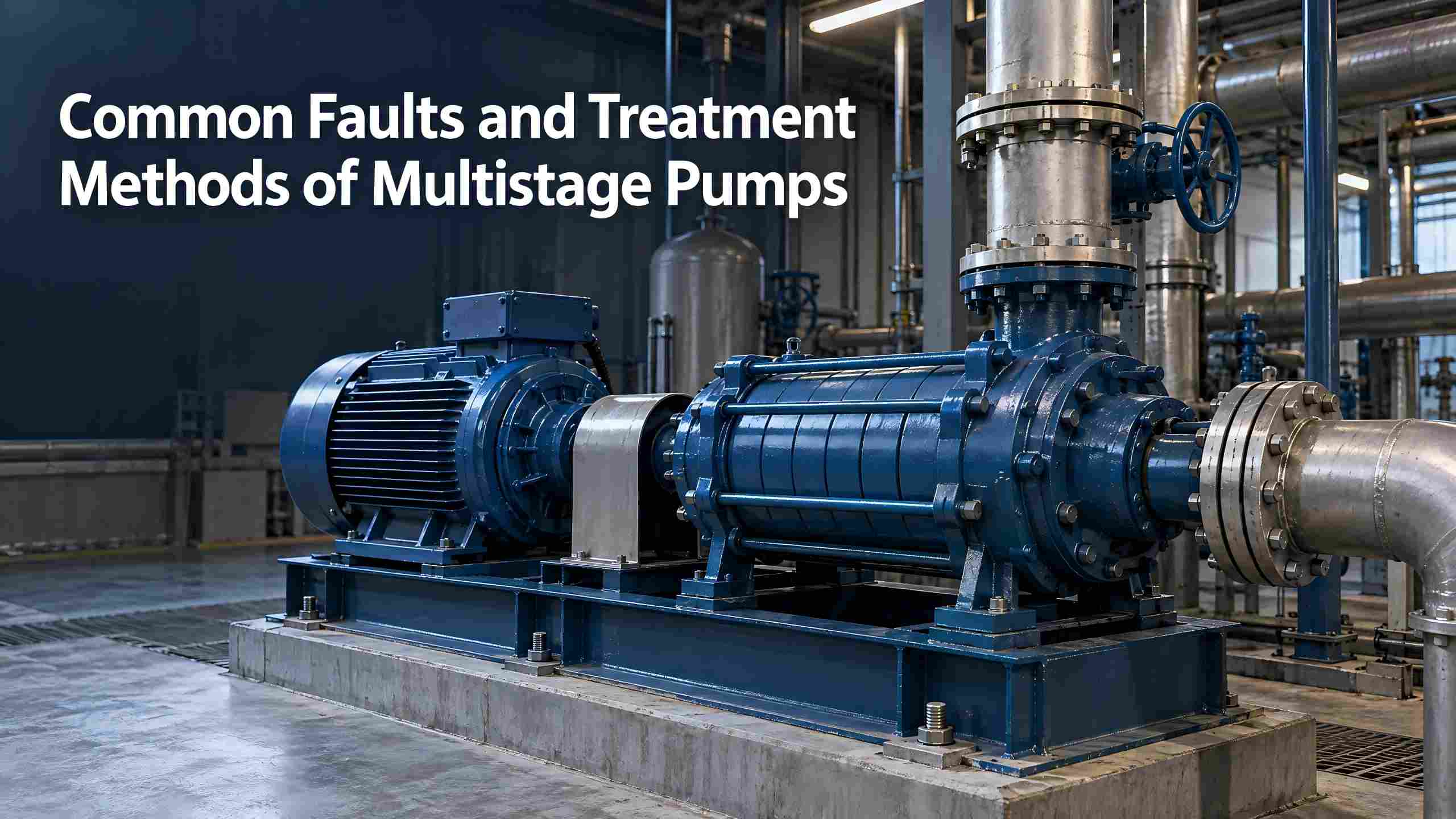
A small single-stage pump for household use and a multi-stage high-pressure pump for petrochemical plants are not in the same league in terms of structural complexity, so a price difference of dozens of times is normal.
⚠️ Misunderstanding: Only focusing on "whether it can be used" while ignoring adaptability often leads to later maintenance costs exceeding the initial savings from buying a cheaper pump!
II. 4 Core Factors Determining Pump Prices (Summary from Actual Procurement)
1. Operating Conditions: Starting Point of Pricing, First Clarify Your Needs
Flow Rate & Head: If these two parameters double, the pump body and motor must be enlarged accordingly, and the price will directly increase by 50%-100%, or even double!
Transported Medium: From clean water → 304 stainless steel → fluoroplastic/titanium alloy, each upgrade level increases the price by at least 50%-300%.
Operating Environment: For use in explosive areas (such as petrochemical workshops), explosion-proof motors and certifications are required, increasing the price by 15%-30%; for food/pharmaceutical use, hygienic-grade processes are needed, increasing the price by 20%-40%.
2. Materials & Craftsmanship: The Most Prone Area for Shady Practices!
Shoddy Materials:
✅ Regular: HT250 cast iron for pump body, ductile iron for balance disc, pure copper for seal ring.
❌ Low-cost Traps: HT200 instead of HT250 (strength reduced by 30%), 201 stainless steel passing off as 304 (prone to rust), copper-plated instead of pure copper (prone to oxidation).
These practices can save manufacturers 20%-50% in costs, but the pump’s service life is directly halved!
Processing Precision:
High-quality pumps have impeller errors ≤ 0.01mm and surface roughness Ra ≤ 0.8μm; low-cost pumps often skip inspections, resulting in numerous sand holes and air bubbles, 10%-20% lower efficiency, and frequent breakdowns.
Aging Treatment:
Regular manufacturers perform natural aging by placing products outdoors for months (stable but time-consuming); small factories use vibration aging for a few hours (cheap but prone to pump deformation and high noise).
3. Structure & Configuration: Choose on Demand, Avoid Waste
Pump Type: Single-stage pumps are cheaper, while multi-stage pumps are 20%-50% more expensive, but only multi-stage pumps are suitable for high-head scenarios (100-300m).
Sealing Method:
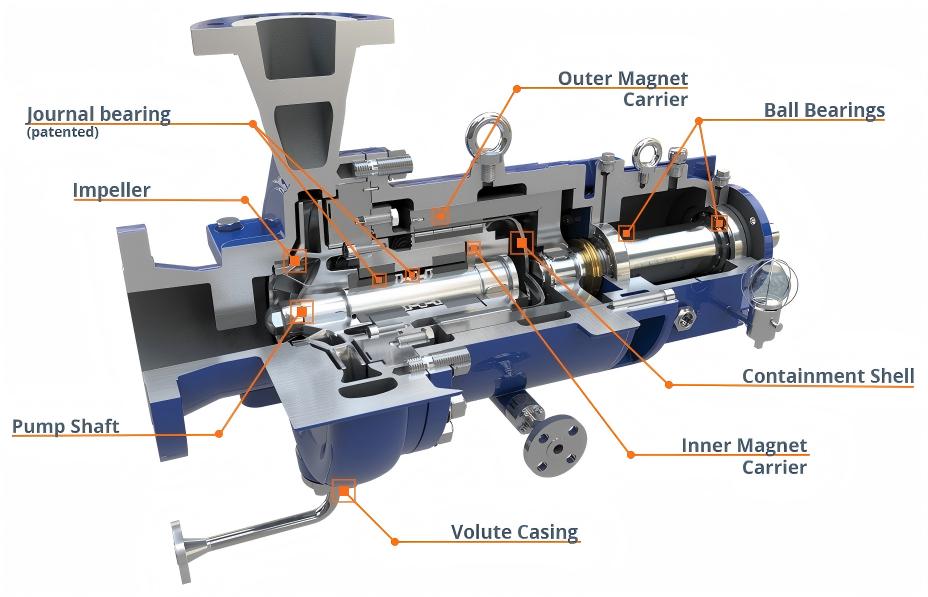
Mechanical seal (basic, cheapest) → Double-ended mechanical seal (+30%-50%) → Magnetic seal (+50%-150%, leak-free) → Canned motor pump (+80%-200%, zero leakage + no bearing wear).
Motor & Smart Accessories:
High-efficiency motors are 10%-20% more expensive but save electricity in the long run; frequency conversion control is 10%-30% more expensive and should only be selected if precise flow regulation is needed.
4. Brand & Service: Higher Price = Peace of Mind
Certifications: Certifications such as API 610 (for petrochemical use), ATEX explosion-proof, and ISO require significant testing costs, increasing the pump price by 15%-25%, but ensuring compliance and avoiding fines or shutdowns.
After-sales Service: Basic warranty (1 year) is free; value-added services such as extended warranty, installation training, and spare parts packages cost an additional 5%-20%, but reduce long-term maintenance worries.
III. 3 Practical Procurement Tips (Tested and Effective)
Clearly Define Operating Conditions: Confirm the four core parameters—medium, temperature, flow rate, and head. For example, "normal temperature clean water, Q=30m³/h, H=30m" can directly use an ordinary cast iron pump; there’s no need to buy a stainless steel or explosion-proof one, saving a lot of money.
Inspect Materials & Craftsmanship: Ask the manufacturer for material test reports, check the pump body for sand holes and air bubbles, and confirm whether natural aging treatment is used.
Don’t Buy All Services: Opt for "basic warranty + on-demand extended warranty"; for large pumps, negotiate local assembly with the manufacturer to reduce logistics costs; spare parts don’t need to be purchased all at once—replenish them based on usage frequency.
Summary
Pump price = Operating conditions determine the foundation + Materials determine the cost + Configuration determines the increment + Brand determines the guarantee.
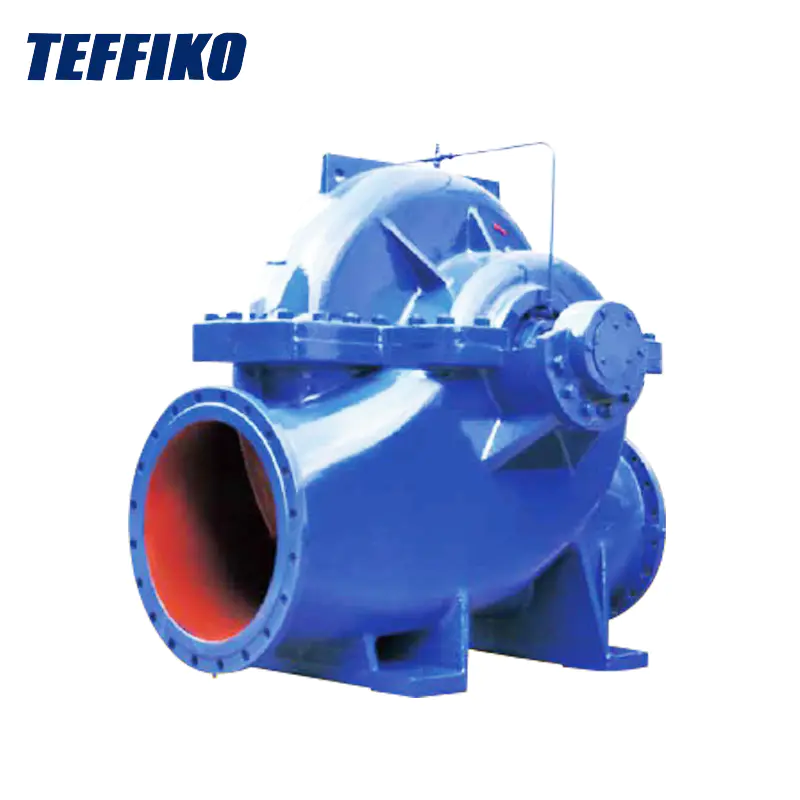
In fact, there’s no need to overthink pump selection—the core is "precise matching". And teffiko has exactly grasped this core: adhering to genuine materials without adulteration, precise adaptation to operating conditions, and full coverage of compliant certifications. It neither engages in inflated configuration premiums nor cuts corners on necessary quality costs, with timely after-sales response for peace of mind.
Don’t be tempted by cheap, low-quality pumps, nor blindly purchase high-end configurations! Choosing a reliable brand like teffiko and precisely matching your own needs is the most cost-effective and hassle-free procurement choice~
We use cookies to offer you a better browsing experience, analyze site traffic and personalize content. By using this site, you agree to our use of cookies.
Privacy Policy