Athena Engineering S.r.l.
News

Split-case Centrifugal Pump Selection Guide

2025-12-11

In various application scenarios such as petrochemical industry and industrial processes, split-case centrifugal pumps have become the preferred power equipment for many key systems due to their unique design and stable performance. This article provides a practical split-case centrifugal pump selection guide to help engineers, procurement decision-makers, and EPC contractors avoid common misunderstandings and select high-performance pump models that truly match project requirements.

Split-case Centrifugal Pump Selection Guide

I. What is a Split-case Centrifugal Pump?

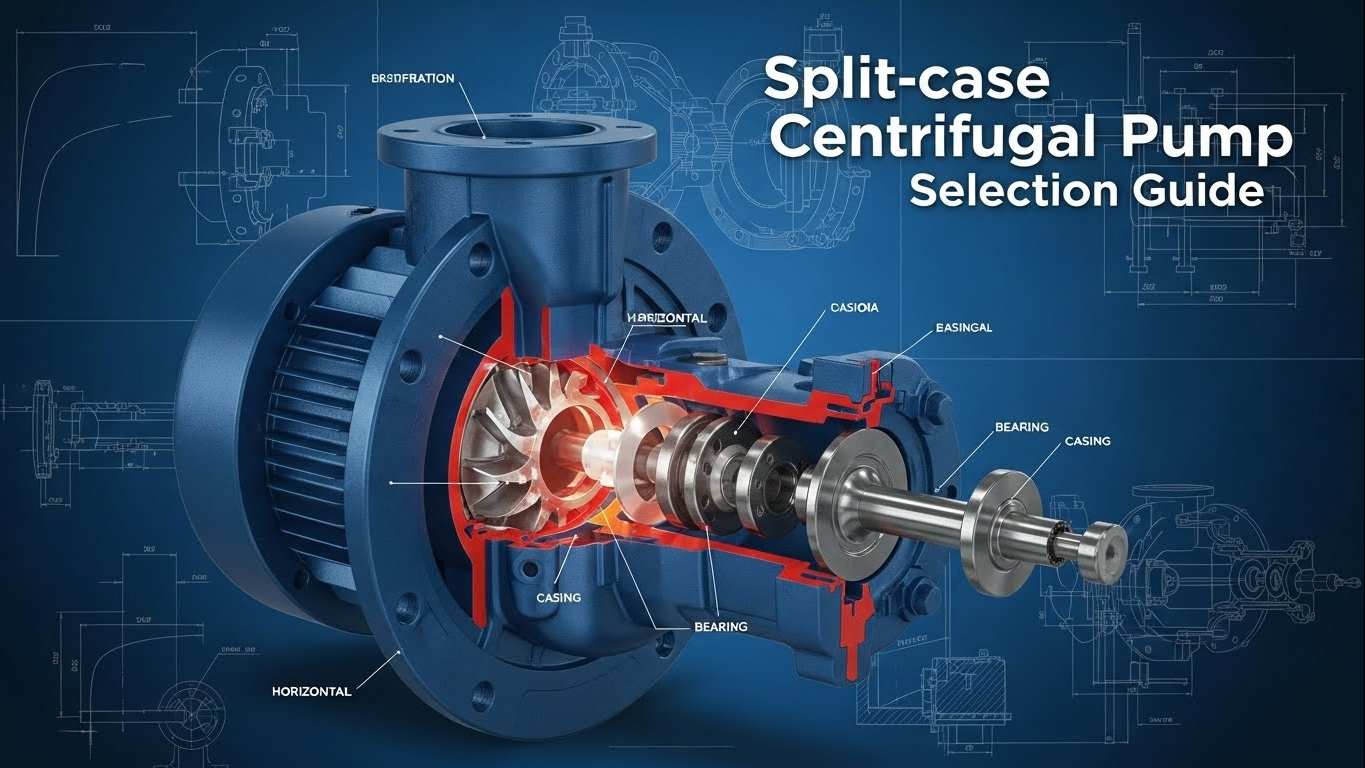
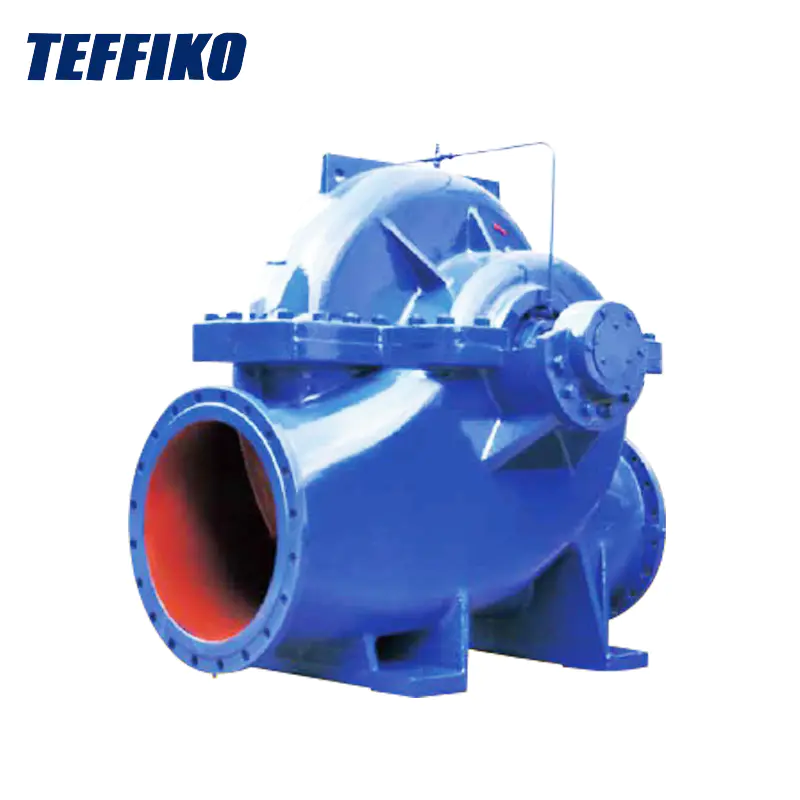
A split-case centrifugal pump refers to a design structure where the pump body is horizontally split along the axis. This structure allows access to core components such as the impeller and shaft seal by simply opening the pump cover during maintenance, without the need to disassemble the inlet and outlet pipelines or the motor. It significantly shortens downtime and is particularly suitable for industrial scenarios requiring high continuous operation.

Typical applications include:


  • Petrochemical refining circulating water systems
  • Chemical plant raw material/intermediate transportation
  • Power plant condensate return
  • Municipal large-scale water supply networks


II. 5 Key Factors for Split-case Centrifugal Pump Selection

1.Clarify Process Parameters


  • Flow Rate (Q) and Head (H): These are the basis for selection. The operating point must be determined according to the system resistance curve, with a 10%~15% safety margin reserved.
  • Medium Characteristics: Does it contain particles? Is it corrosive? What are the temperature, viscosity, and specific gravity? These directly affect material selection (such as cast iron, ductile iron, stainless steel 316L, duplex steel, etc.).


2.Comply with Industry StandardsIn the petrochemical field, it is recommended to prioritize split-case pumps that meet API 610 or ISO 5199 standards. These standards have strict requirements for shaft seals, bearing life, vibration control, etc., ensuring long-term reliable operation.

3.Structural Form and Installation SpaceSplit-case pumps are usually horizontally designed, so it is necessary to confirm whether there is sufficient horizontal space on-site. At the same time, check whether the coupling type (rigid/elastic) and base form (integral/split) match the existing foundation.

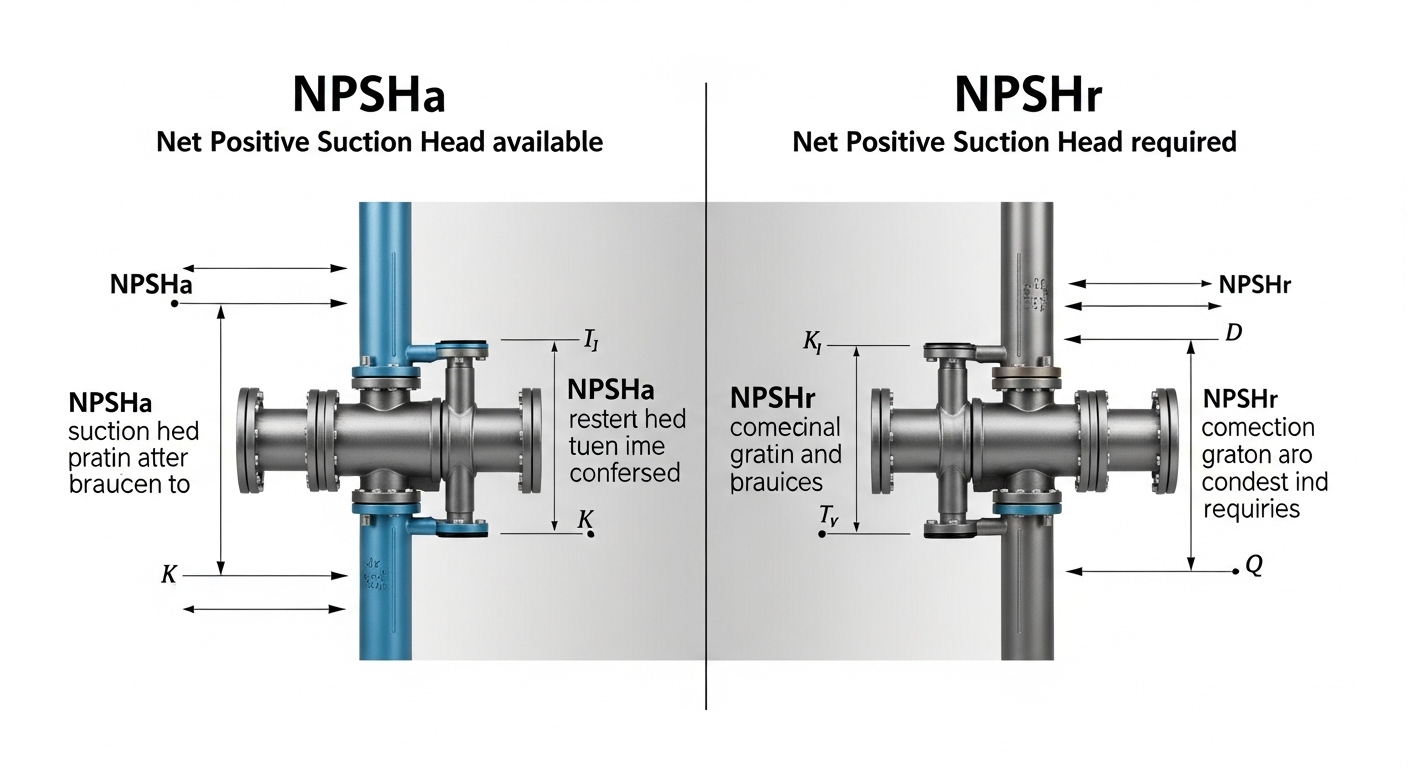
4.Energy Efficiency and NPSHr (Net Positive Suction Head Required)High efficiency means lower operating costs. Meanwhile, if the suction conditions are poor (such as low-position storage tanks), a model with low NPSHr should be selected to avoid cavitation damage.

5.Maintenance Convenience and Spare Part UniversalityThe split-case structure itself is easy to maintain, but different brands still have differences in seal replacement, bearing assembly, etc. It is recommended to choose brands with modular design and local service support to reduce later operation and maintenance difficulties.

III. Reminders of Common Selection Misunderstandings

❌ Selecting pumps only based on maximum flow rate, ignoring actual operating conditions

❌ Neglecting the impact of medium temperature on material strength

❌ Overpursuing low prices at the expense of reliability and service life

❌ Failing to consider compatibility for future capacity expansion or process changes

The correct approach is: Take the total life cycle cost (LCC) as the core of evaluation, rather than the initial purchase price.

Conclusion

Selecting a suitable split-case centrifugal pump is a technical decision that integrates engineering calculations, experience judgment, and long-term planning. Teffiko specializes in providing high-performance industrial pump products and solutions. Our split-case centrifugal pump series integrates precise engineering design, high-quality material selection, and strict manufacturing standards, striving to achieve the best balance between efficiency, reliability, and cost-effectiveness, and providing solid power for the stable operation of global customers' systems.

Website: www.teffiko.com                        Email: sales@teffiko.com


Related News
X
We use cookies to offer you a better browsing experience, analyze site traffic and personalize content. By using this site, you agree to our use of cookies. Privacy Policy
Reject Accept