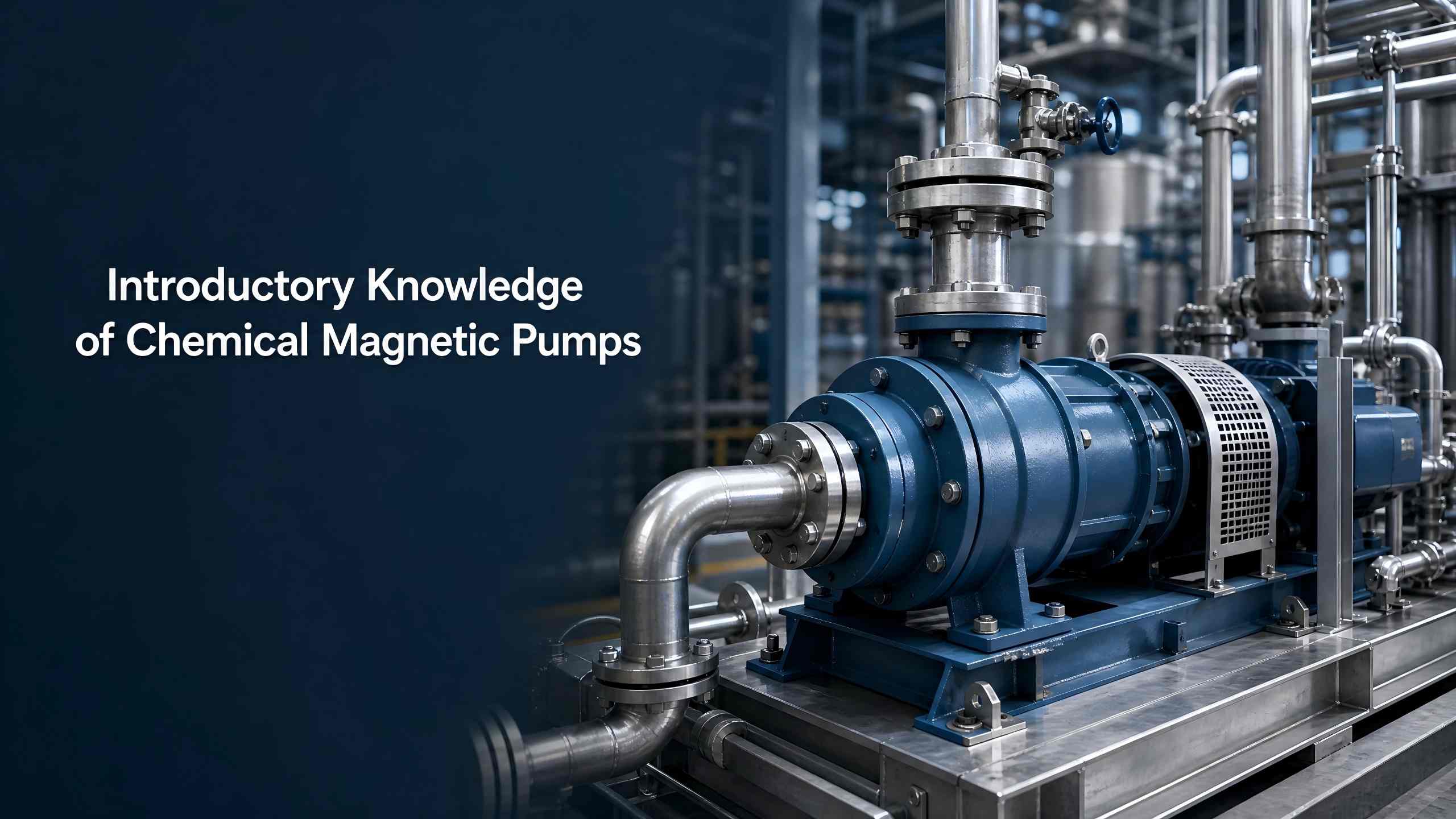
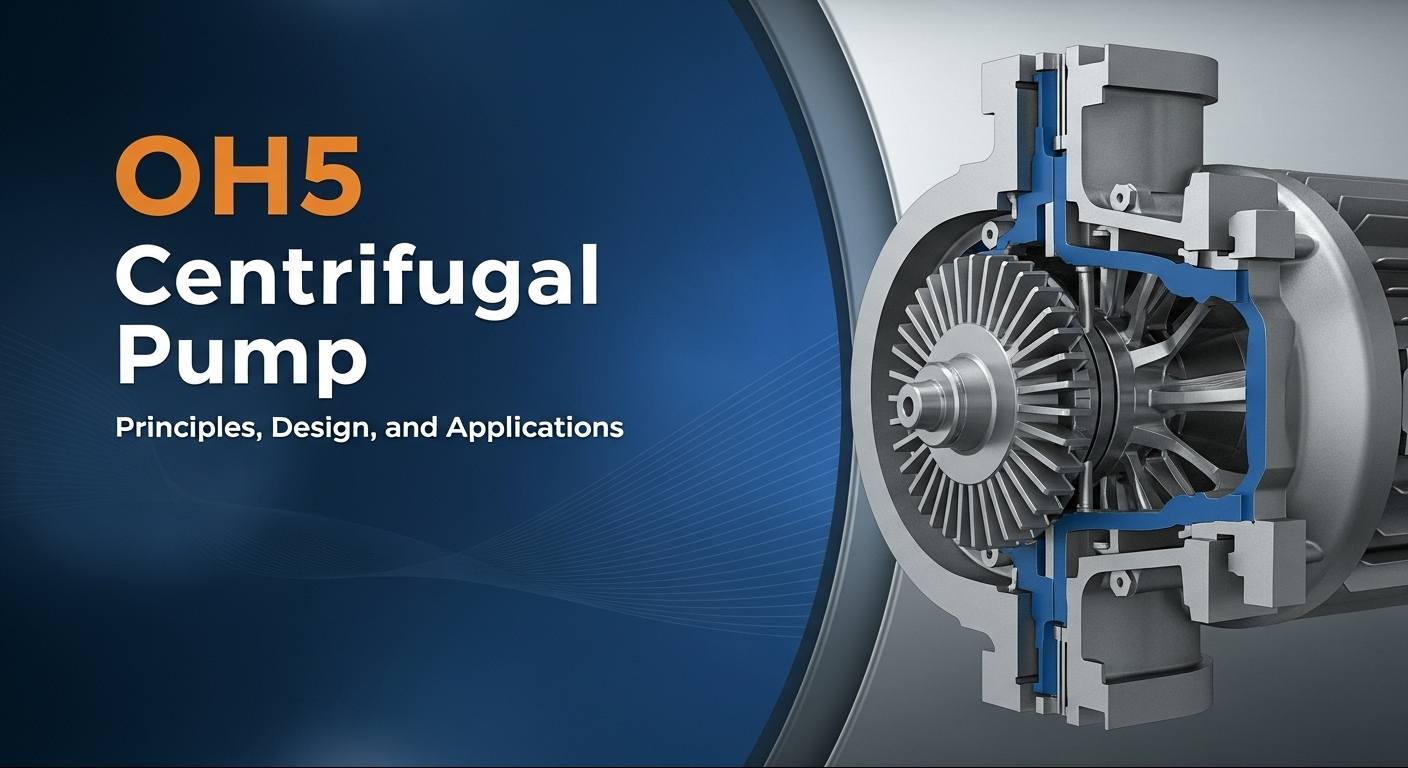
In numerous industrial fields such as petrochemicals, wastewater treatment, and food processing, fluid transfer is one of the core links. Faced with complex media that are high-viscosity, particle-containing, or shear-sensitive, ordinary pump types often struggle to meet the demand for stable transfer. As an efficient positive displacement pump, the Progressive Cavity Pump (PCP for short) has become a "reliable workhorse" in industrial scenarios due to its unique structural design and excellent performance. This article will comprehensively break down the progressive cavity pump from its core definition, working principle, key components, core advantages to basic maintenance, helping you quickly grasp the core knowledge of this industrial tool.
A progressive cavity pump (PCP) is a fluid machinery designed based on the principle of "positive displacement transfer". It smoothly pushes fluid from the suction end to the discharge end through continuous sealed chambers formed between the rotor and the stator. Its core feature lies in the formation and movement of "progressive cavities" — when the rotor rotates inside the stator, the chambers do not undergo drastic changes but advance at a constant speed and pressure. Therefore, it can achieve pulse-free and low-shear transfer of various complex media.
From an industry perspective, the essence of a progressive cavity pump is to "convert mechanical energy into fluid pressure energy and kinetic energy through the meshing motion of mechanical structures". Different from the centrifugal force transfer mode of centrifugal pumps, it is more suitable for scenarios with high requirements for transfer stability and medium integrity. Whether it is viscous crude oil, sewage containing impurities, or sensitive food raw materials, the progressive cavity pump can achieve efficient adaptation, which is the core reason for its wide application in industrial fields.
II. How Does a Progressive Cavity Pump Work?
The working principle of a progressive cavity pump is as follows: During operation, the fluid is sucked into the sealed chambers enclosed by the threads and the pump casing. When the driving screw rotates, the sealed volume is gradually reduced under the extrusion of the screw teeth, increasing the fluid pressure and pushing it continuously along the axial direction. Due to the constant-speed rotation design of the screw, the output flow of the fluid remains uniform and stable.
The core characteristics of a progressive cavity pump include:
Low energy loss and excellent operational economy;
High and stable output pressure, with uniform and pulse-free flow;
Wide speed adaptation range, which can be directly connected to the prime mover for convenient installation;
Strong medium adaptability, capable of transferring lubricating oil, fuel oil, various oils, and polymer materials, especially suitable for the transfer of viscous liquids and high-viscosity media.
III. Critical Components of a PCP: Structure & Functions
The stable operation of a progressive cavity pump relies on the precise cooperation of core components, each of which undertakes a key function and is indispensable. The following are its main key components and their roles:
Rotor: As the active moving part, it is usually made of high-strength alloy steel or stainless steel, with a wear-resistant and corrosion-resistant surface treatment. Its spiral structure directly determines the size of the chamber and the transfer efficiency, and it is the core power source for pushing the fluid forward during rotation.
Stator: As a fixed part, it is generally made of elastic materials such as nitrile rubber and fluororubber, embedded in a metal shell. The double-helix cavity of the stator meshes precisely with the rotor, which is the key to forming a sealed chamber. At the same time, the elastic material can adapt to minor particles in the medium and reduce wear.
Drive Shaft: The core component connecting the motor and the rotor, responsible for transmitting the mechanical energy of the motor to the rotor. It needs to have sufficient strength and rigidity to avoid jitter during rotation and ensure stable meshing between the rotor and the stator.
Suction Chamber: Located at the inlet end of the pump, it is used to guide the fluid to smoothly enter the chambers of the rotor and the stator. Its structural design directly affects the suction efficiency, and it usually adopts a bell mouth shape to reduce fluid resistance.
Sealing Device: Including mechanical seals, packing seals, etc., installed at the connection between the drive shaft and the pump body. It is used to prevent fluid leakage and protect the drive shaft from medium corrosion, which is a key component to ensure the sealing performance of the pump body.
The precise cooperation of these components is the basis for the progressive cavity pump to achieve stable and efficient transfer. In different application scenarios, the materials and structures of the components will be customized and optimized according to the medium characteristics (such as corrosiveness, temperature, particle size).
IV. Key Advantages of Progressive Cavity Pumps
Compared with other pump types such as centrifugal pumps and diaphragm pumps, progressive cavity pumps show many irreplaceable advantages in industrial applications due to their unique structure and working principle:
Strong adaptability to complex media and wide transfer range: Whether it is high-viscosity crude oil, glue, sewage and ore pulp containing solid particles, or shear-sensitive food sauces and biological agents, the progressive cavity pump can achieve stable transfer without damaging the medium characteristics, solving the pain points of "pump blockage and medium damage" of ordinary pump types.
Pulse-free transfer and stable pressure: Due to the constant volume and continuous movement of the chamber, there is no pulse or impact during fluid transfer, and the outlet pressure is stable. It is especially suitable for scenarios with high requirements for pressure stability (such as precision chemical batching and pipeline metering transfer).
Strong self-priming capacity and flexible installation: The progressive cavity pump can start without priming, with a self-priming height of up to 5-8 meters. It can effectively solve the problems of long-distance liquid suction and low-level liquid suction. There is no strict requirement for the height difference between the inlet and outlet during installation, making it suitable for more industrial layouts.
Low shear, low noise, and gentle operation: The meshing movement of the rotor and the stator is gentle, with extremely low shear force on the fluid, which can protect the original characteristics of sensitive media; at the same time, it operates with low noise and vibration, conforming to the development trend of environmental protection and energy saving of industrial equipment.
Simple structure and convenient maintenance: The progressive cavity pump has only a few key core components such as the rotor and the stator, with a compact structure. Disassembly and replacement are convenient, and daily maintenance does not require complex tools, which can effectively reduce operation and maintenance costs and downtime.
These advantages make the progressive cavity pump the preferred pump type in many industries such as petrochemicals, wastewater treatment, food processing, mining and metallurgy, and biomedicine, especially in complex medium transfer scenarios, its performance advantages are more prominent.
To extend the service life of the progressive cavity pump and ensure its long-term stable operation, daily maintenance is crucial. The following are basic maintenance tips for progressive cavity pumps, which are simple and easy to operate and applicable to most industrial scenarios:
Regularly check the wear of the rotor and stator: The rotor and stator are wearing parts. After long-term operation, the gap may increase and the sealing may be poor, leading to reduced flow and insufficient pressure. It is recommended to check every 3-6 months according to the medium characteristics. If severe wear is found, replace them in time to avoid affecting the transfer efficiency.
Keep the medium clean and avoid particle impurities: Although the progressive cavity pump can handle particle-containing media, excessively large solid particles (such as those with a diameter exceeding 5mm) will accelerate the wear of the rotor and stator and even cause pump jamming. It is recommended to install a filter at the suction end of the pump and regularly clean the impurities in the filter to prevent particles from entering the pump body.
Reasonable lubrication to protect the sealing device: The sealing device needs regular lubrication to avoid leakage or damage caused by dry friction. It is recommended to select suitable lubricating oil according to the pump model and medium temperature, check the lubrication condition every 1-2 months, and replenish or replace the lubricating oil in time.
Avoid idling to prevent dry grinding damage: When the progressive cavity pump idles, there is a lack of medium lubrication between the rotor and the stator, which will cause the temperature to rise rapidly, burn the elastic material of the stator, and even damage the rotor. Before starting, ensure that the pump body is filled with medium. If material interruption occurs during operation, stop the machine immediately to avoid idling.
Regularly clean the pump body and check the connecting parts: Regularly clean the dust, oil stains, and medium residues on the surface of the pump body to prevent corrosion of the pump body; at the same time, check the tightness of the connecting parts such as the drive shaft and flange. If looseness is found, tighten them in time to avoid vibration or leakage during operation.
Following the above basic maintenance tips can effectively reduce the failure rate of the progressive cavity pump, extend its service life, and ensure the continuous and stable industrial production. In case of complex faults (such as sudden flow reduction, severe leakage, abnormal noise), it is recommended to contact professional and technical personnel for maintenance to avoid secondary damage caused by blind disassembly.
Conclusion
The progressive cavity pump (PCP) can be called the "all-round player" in industrial fluid transfer. With its core advantages such as adaptability to complex media, pulse-free transfer, and strong self-priming capacity, it is indispensable in many industries. It is believed that through this article, you have fully mastered its definition, principle, core components, advantages, and maintenance points, providing practical reference for production selection and daily operation and maintenance.
If you need to further understand the selection skills, industry-specific customization solutions, or troubleshooting methods of progressive cavity pumps, welcome to visit the Teffiko official website to obtain more professional knowledge and customized solutions, and let Teffiko help your industrial fluid transfer become more efficient and stable!
We use cookies to offer you a better browsing experience, analyze site traffic and personalize content. By using this site, you agree to our use of cookies.
Privacy Policy