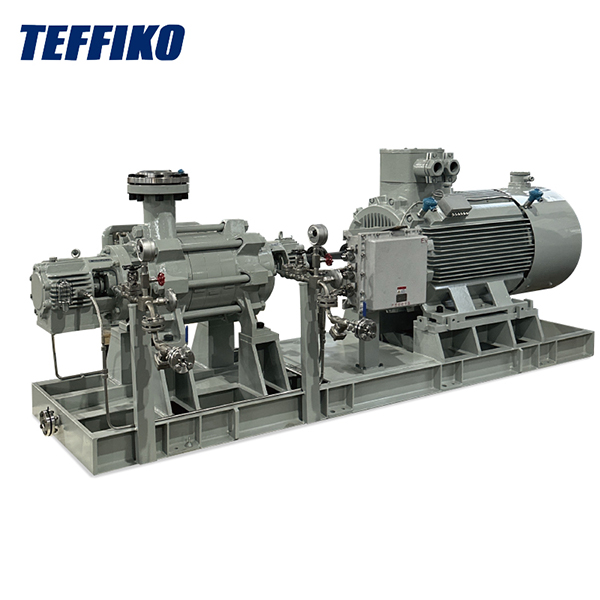
Difference Between Screw Pump and Centrifugal Pump: Teach You to Choose the Right Fluid Transfer Pump Type
2025-12-01
In industrial fluid transfer, screw pumps and centrifugal pumps are the two most commonly used types, but many people struggle with which one to choose. Choosing the right one keeps the production line running smoothly and saves costs; choosing the wrong one not only leads to frequent failures but also increases electricity bills significantly. In fact, there’s no need for complicated analysis—just understand the core differences between the two and combine them with your actual usage scenario to make the right choice easily. Below is a straightforward explanation for everyone.
Working Principle: One "Flings" to Deliver, One "Squeezes" to Deliver
The working logic of the two is completely different, which is the root cause of all differences.
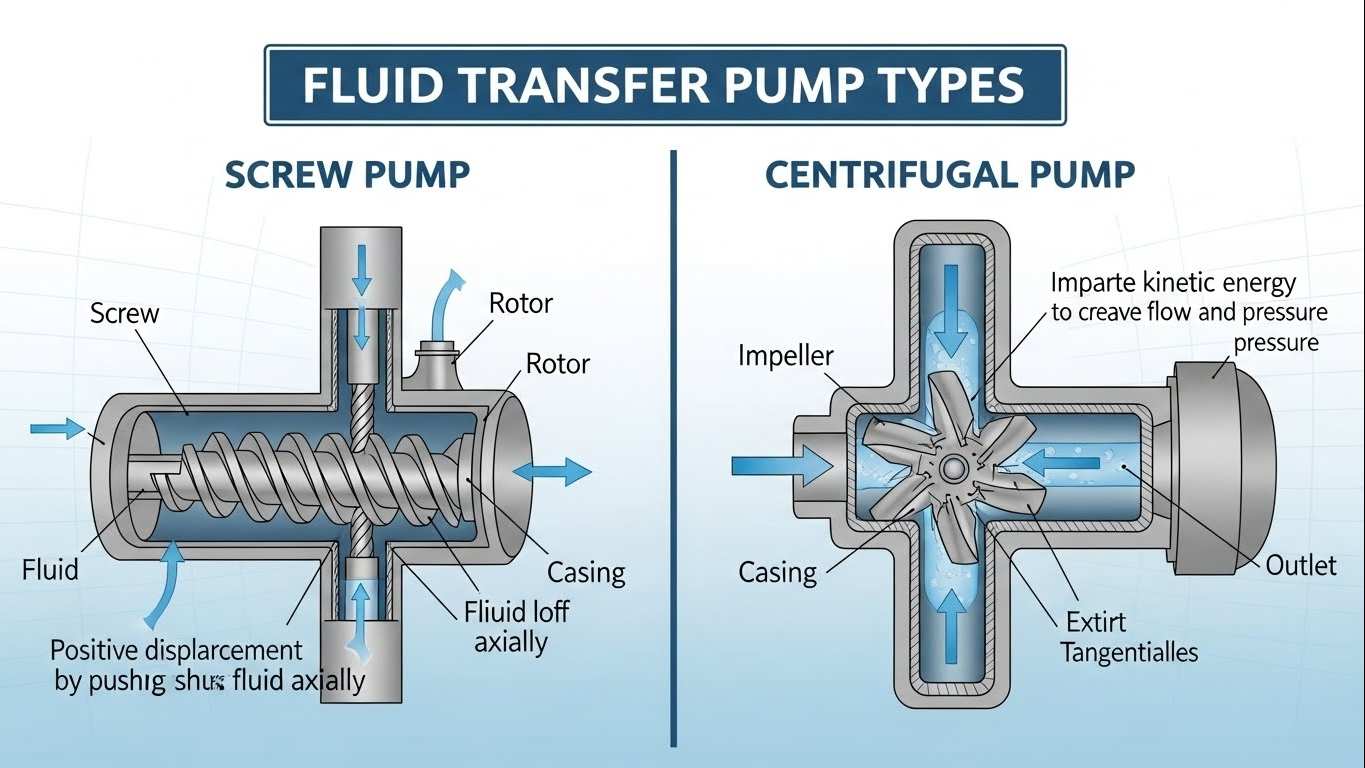
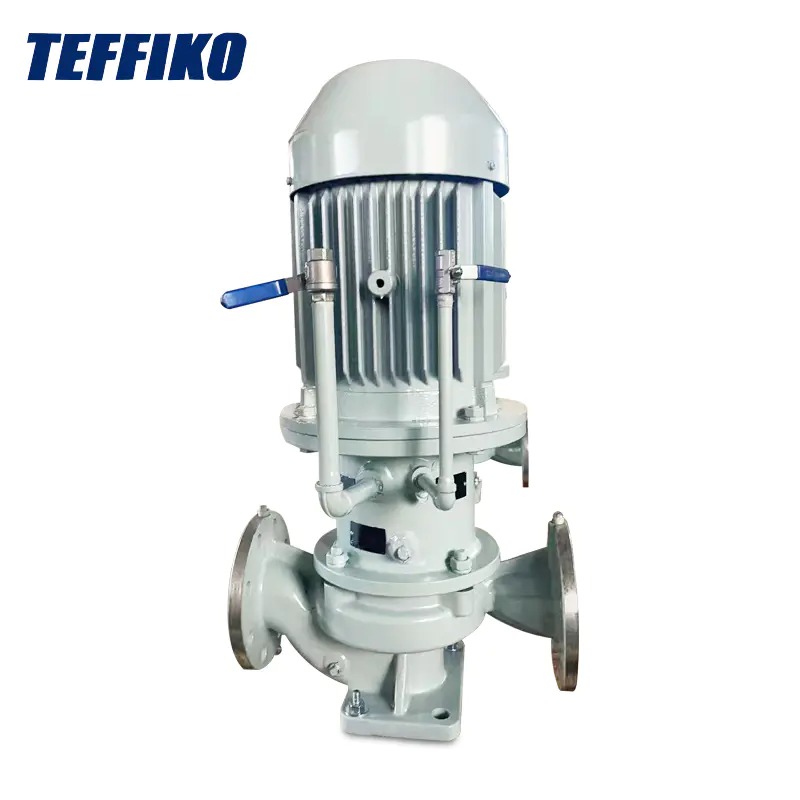
A centrifugal pump is like a high-speed rotating small fan. The impeller inside the pump spins rapidly to generate centrifugal force, "flinging" fluid from one end to the other. This method is suitable for quickly moving low-resistance fluids, focusing on "speed".
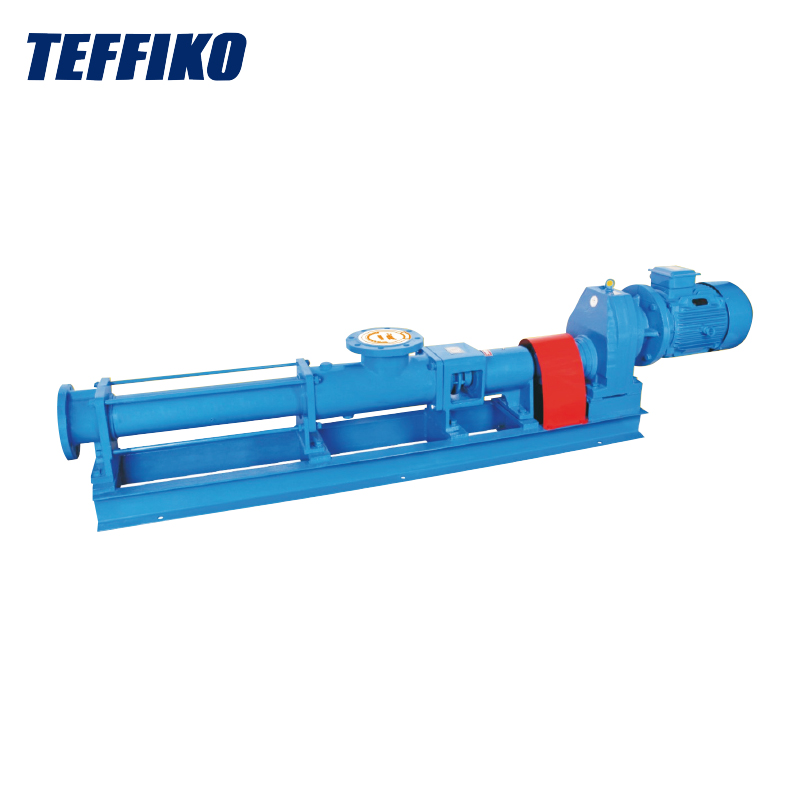
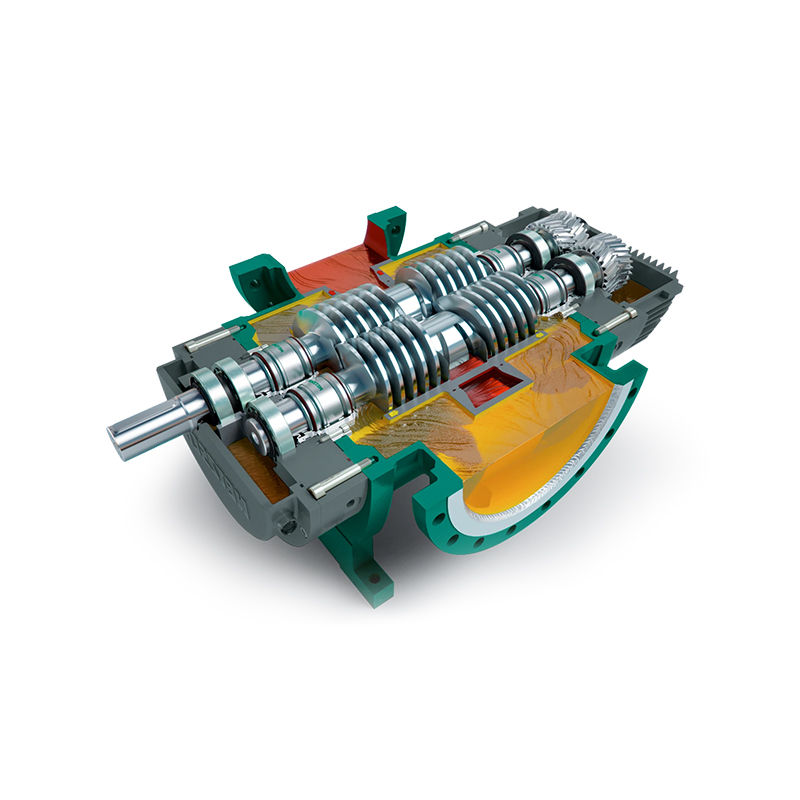
A screw pump, on the other hand, is like pushing liquid with a syringe. It relies on the rotation of the internal screw to "wrap" fluid in the gap between the screw and the pump casing, then slowly squeezes it to the destination. The movement is gentle and stable, making it suitable for precise transfer or fluids with high resistance.
Viscosity Adaptability: Choose Centrifugal for Thin Fluids, Screw for Thick Fluids
This is one of the most critical differences—fluid viscosity directly determines which pump to choose.
Centrifugal pumps only prefer "thin fluids": They transfer low-viscosity fluids such as water, gasoline, and thin chemicals quickly and efficiently. But when it comes to thick fluids like crude oil, molasses, and coatings, they are helpless—unable to rotate, reduced flow rate, easy to damage parts, or even fail to start.
Screw pumps specialize in "thick fluids": They can easily handle both slightly viscous liquids and paste-like materials. Moreover, the thicker the fluid, the better the screw seals, and the more stable the transfer. Choosing a centrifugal pump in this case will most likely cause problems.
Flow Characteristics: Choose Screw for Stability, Centrifugal for Large Flow
Flow stability has a significant impact on production continuity.
Screw pumps have ultra-stable flow rate: As long as the motor speed remains constant, the output flow rate is almost the same regardless of changes in outlet pressure. For scenarios requiring precise control such as chemical batching and pharmaceutical metering, choosing it is definitely correct, as it can ensure consistent production processes.
Centrifugal pump flow rate "changes with pressure": When pressure increases, the flow rate decreases; when deviating from normal working conditions, flow fluctuations are more obvious. But its advantage is "large capacity"—when transferring thin fluids at low pressure, it can deliver much more than screw pumps. For scenarios requiring large flow rates such as municipal water supply and factory cooling water circulation, centrifugal pumps are more suitable.
Handling Solids and Shear-Sensitive Materials: Screw is More "Tolerant", Centrifugal Fears "Disturbance"
If the fluid contains impurities or the material cannot be damaged, this point is very important.
Centrifugal pumps are particularly "delicate": Solid particles in the fluid can easily jam the impeller or even damage the blades, leading to shutdown. Moreover, their high rotation speed generates force that can damage some sensitive materials such as biological agents and food slurries, possibly ruining the product.
Screw pumps are much more "tolerant": They have large internal gaps, allowing small particles and impurities in the fluid to pass through smoothly without clogging. Additionally, their gentle transfer movement will not damage the structure of sensitive materials. For scenarios such as sewage treatment (with sludge impurities) and food processing (jam, pulp), choosing it is more reliable.
Energy Efficiency and Maintenance: Centrifugal is Easy to Maintain, Screw is More Stable and Efficient
In long-term use, energy consumption and maintenance costs must also be considered.
Centrifugal pumps: They have low energy consumption when used under designed working conditions but are not energy-saving when deviating from the conditions. However, their structure is simple with few parts. Daily maintenance only requires cleaning the impeller and replacing seals, which doesn’t take much effort and has low maintenance costs.
Screw pumps: They have relatively stable energy consumption regardless of working condition changes, especially when transferring thick fluids or at high pressure, they are more energy-saving than centrifugal pumps. But their screws and stators are prone to wear and need regular replacement, and maintenance is slightly more complex, resulting in higher long-term maintenance costs than centrifugal pumps.
Practical Application Scenarios: Just Match the Scenario
No need to remember complex parameters—just choose according to the scenario:
Choose centrifugal pump: Municipal water supply, sewage treatment plant clear water transfer, chemical plant thin solvent transfer, power plant cooling water circulation, gas station fuel refueling—as long as the fluid is thin, large flow rate is needed, low pressure, and no impurities, it can be used.
Choose screw pump: Oilfield crude oil transportation, food factory jam and chocolate sauce transfer, chemical plant viscous coating and glue transfer, sewage treatment plant sludge recirculation, pharmaceutical factory biological agent transfer—scenarios where the fluid is thick, contains a small amount of impurities, requires precise transfer, or cannot damage materials, choosing it is definitely correct.
Conclusion: No Best, Only Most Suitable
Screw pumps and centrifugal pumps each have their own advantages—the key lies in whether they match your working conditions:
Thin fluid, large flow rate, and minimal maintenance? Choose a centrifugal pump.
Thick fluid, contains impurities, or requires precise transfer? Choose a screw pump.
Teffiko focuses on fluid transfer, providing high-efficiency centrifugal pumps and high-reliability screw pumps, all manufactured in accordance with industrial-grade standards, and supported by professional selection services and full-cycle after-sales support. Choose the right pump and use it well—let Teffiko safeguard your production!
We use cookies to offer you a better browsing experience, analyze site traffic and personalize content. By using this site, you agree to our use of cookies.
Privacy Policy