We are glad to share with you about the results of our work, company news, and give you timely developments and personnel appointment and removal conditions.
After years of working in the industrial sector, I can say with certainty that progressive cavity pumps (also known as rotor-stator pumps, eccentric screw pumps) are absolute "staples" for fluid transfer. As positive displacement pumps, they are designed specifically to handle viscous fluids, corrosive substances, and media containing solid particles—they are indispensable in oil extraction, chemical plants, wastewater treatment facilities, and food production lines.
Most old centrifugal pumps guzzle a lot of energy—mainly 'cause their parts are worn out from years of use, and the system just isn’t set up right. But here’s the thing: if you stick to the idea of "upgrading core components + optimizing system matching", take it step by step with standard procedures, and actually verify the results properly, you’ll definitely cut down on energy use and make the equipment last longer. Trust me, I’ve seen this work time and time again with old pumps.
Many people find the term "multistage centrifugal pump" complicated, but it can be simply summarized in one sentence: A multistage centrifugal pump integrates two or more centrifugal pumps with the same function. In terms of fluid channel structure, the medium discharge port of the first stage is connected to the inlet of the second stage, and the medium discharge port of the second stage is connected to the inlet of the third stage. Such a series-connected mechanism forms a multistage centrifugal pump.
This article compares industrial centrifugal pumps and positive displacement pumps in terms of working principles, suitable media, oil and gas industry adaptability, and selection processes to facilitate accurate selection, while introducing Teffiko's professional pump solutions and consultation methods
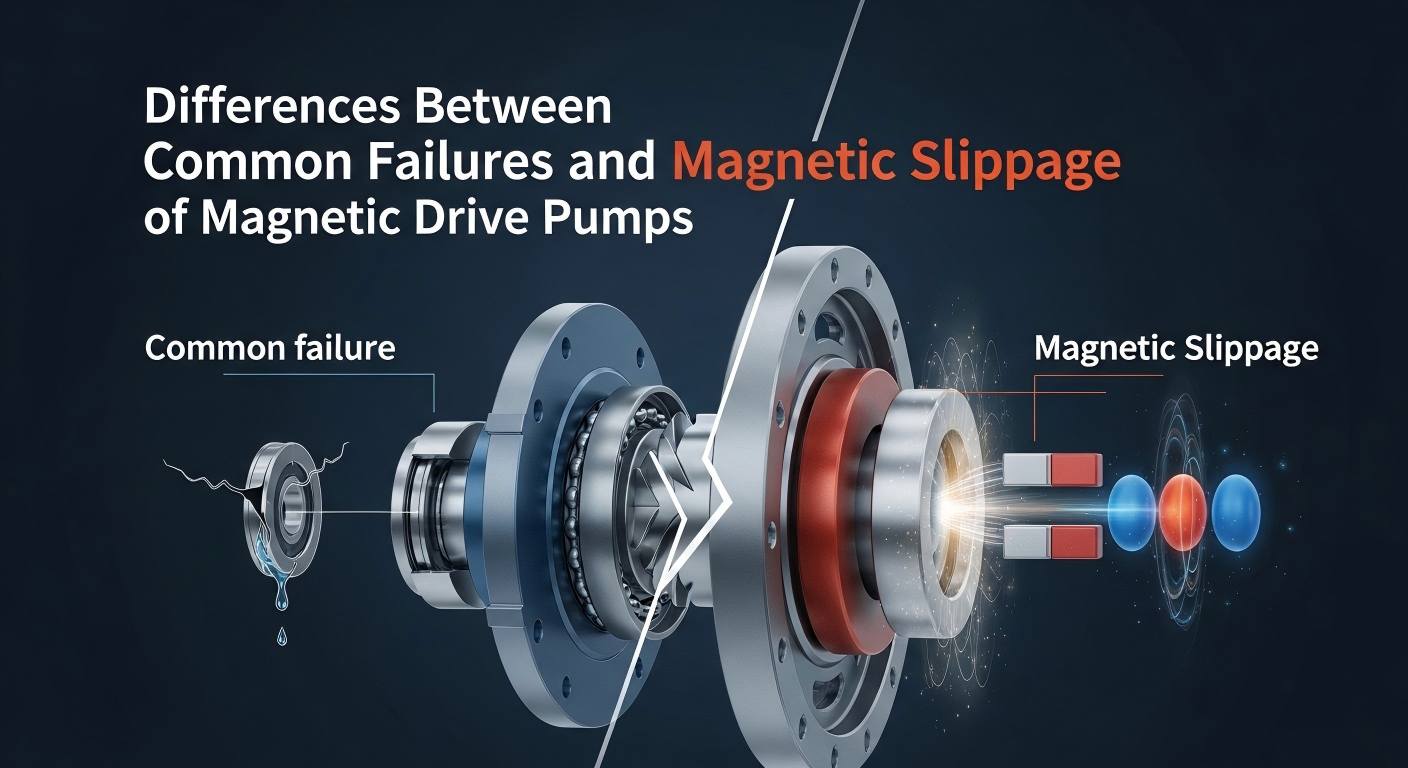
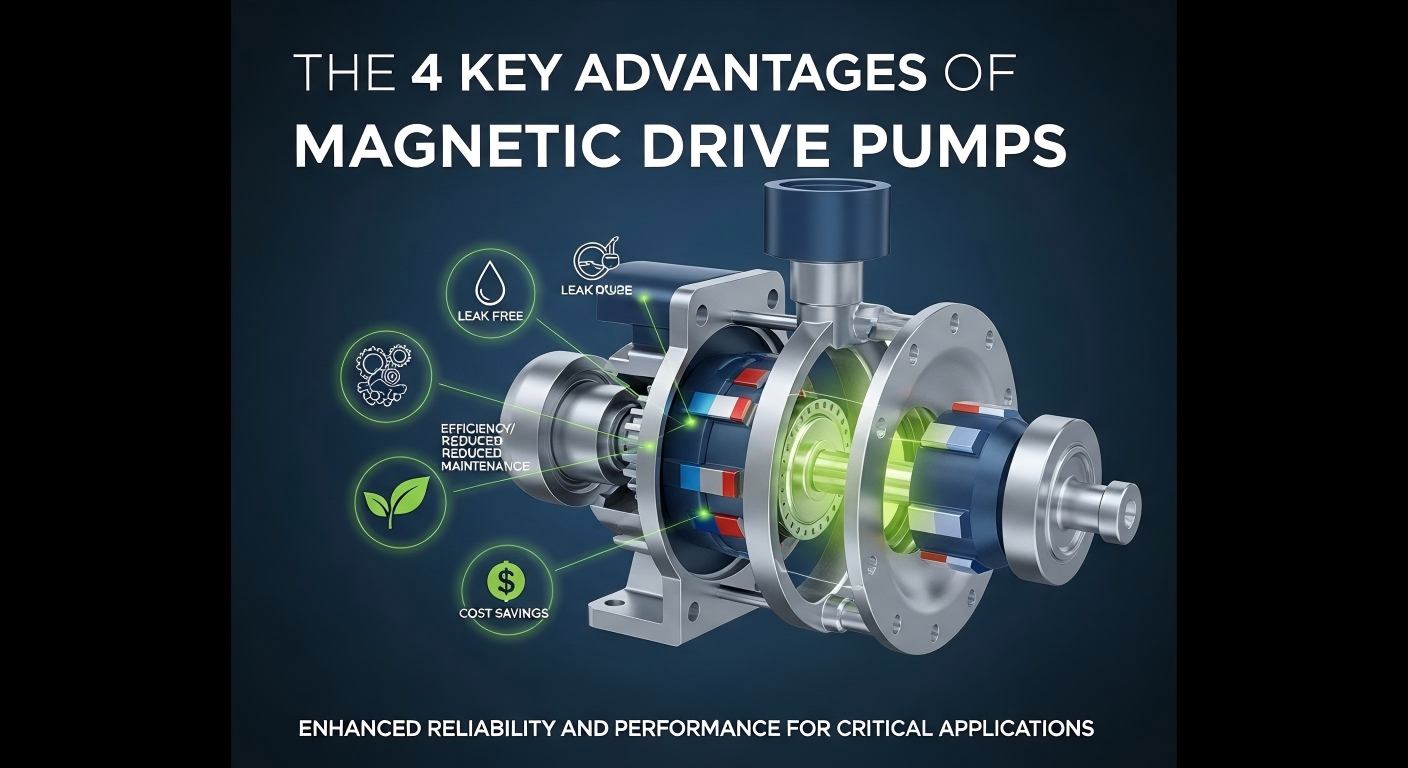
Fluoroplastic magnetic pumps transmit power via magnetic couplings, achieving complete hermetic sealing with zero leakage. When the motor drives the outer magnetic steel of the magnetic coupling to rotate, magnetic lines of force pass through the gap and isolation sleeve to act on the inner magnetic steel, enabling the pump rotor to rotate synchronously with the motor and transmit torque without mechanical contact. Since the liquid is enclosed within the isolation sleeve, material leakage is completely eliminated, reducing pollution, saving energy, purifying the environment, and protecting the physical and mental health of on-site workers
In the petrochemical industry, magnetic pumps have become one of the key equipment for ensuring safe and efficient production due to their advantages such as leak-free operation and strong corrosion resistance. With the continuous advancement of industrial technology and the steady growth of market demand, numerous magnetic pump brands have stood out in the petrochemical sector. Today, we introduce the top 10 global magnetic pump brands in the petrochemical industry.
We use cookies to offer you a better browsing experience, analyze site traffic and personalize content. By using this site, you agree to our use of cookies.
Privacy Policy