We are glad to share with you about the results of our work, company news, and give you timely developments and personnel appointment and removal conditions.
If you work in industries like chemical, petrochemical, power, or water treatment, you’ve probably heard of the OH6 centrifugal pump. It’s not a new device, but a classic industrial pump designed in accordance with API 610 standards—featuring reliable structure and easy maintenance, it’s particularly suitable for continuous transfer tasks involving medium-high pressure and medium flow.
Centrifugal pumps are one of the most commonly used equipment in fluid transfer. Although there are many types, as long as you grasp several key dimensions, you can quickly determine which application a pump is suitable for. Based on five core standards—working pressure, impeller water intake method, pump casing joint form, pump shaft position, and impeller discharge method—this article helps you clarify the characteristics and typical application scenarios of different types of centrifugal pumps.
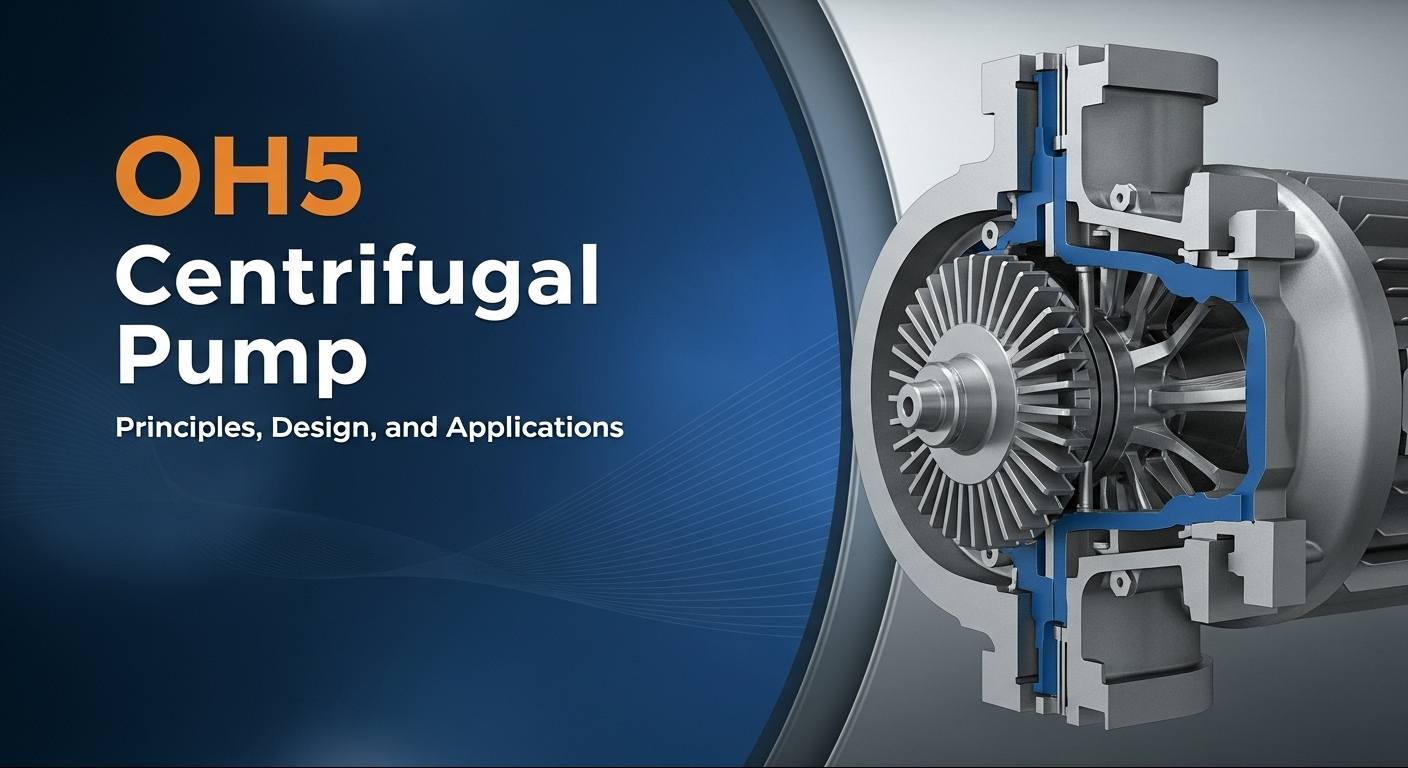
Step into any petrochemical plant, power station, or metallurgical workshop, and you’ll find that among numerous pump models, the OH5 centrifugal pump is a reliable product that stands firm even under harsh operating conditions such as high temperature and high pressure.
As one of the most favored pump types in the API 610 standard "Centrifugal Pumps for Petroleum, Heavy Chemical, and Gas Industry Services", the OH4 centrifugal pump, with its unique vertical inline structure, outstanding reliability, and convenient installation and maintenance features, has become an ideal choice for fluid transfer in numerous fields such as chemical engineering, power generation, pharmaceuticals, and water treatment — many engineering friends around me have reported that this pump is "easy to use and space-saving", and it’s truly a good choice.
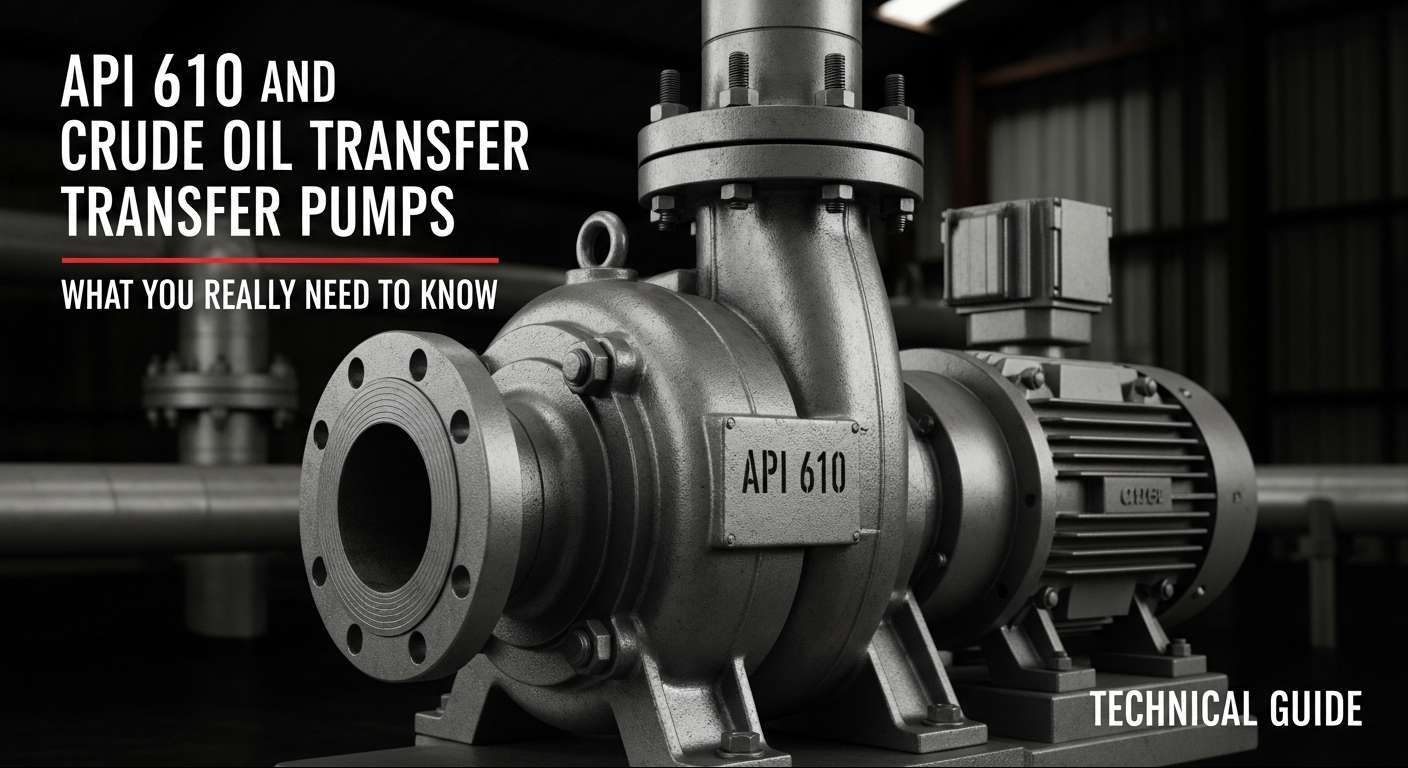
In the world of crude oil transportation, there’s no room for compromise when it comes to safety, efficiency, or equipment reliability. These aren’t just nice-to-haves—they’re non-negotiables. At the heart of every pipeline or refinery transfer system sits the crude oil pump, and if it’s not built to exacting standards, everything downstream is at risk. That’s where API 610 comes in—not as just another guideline, but as the de facto benchmark for centrifugal pumps in the oil and gas industry.
In the petrochemical industry, pumps are an important part of fluid transfer, responsible for transporting crude oil, chemicals and other media. Once a pump breaks down suddenly, it is by no means a trivial matter: it may cause production interruption, leakage of hazardous media, or even downtime for several days, resulting in considerable losses.
But do you really have to wait for a DCS alarm or the maintenance team to arrive to know that there is a problem with the pump?
In fact, senior operators have relied on a "3-minute quick diagnosis method" for years—no complex tools are needed, only ears, eyes, hands and a little on-site experience. Below I will break it down step by step, presenting practical skills that even novices can easily master.
We use cookies to offer you a better browsing experience, analyze site traffic and personalize content. By using this site, you agree to our use of cookies.Privacy Policy