We are glad to share with you about the results of our work, company news, and give you timely developments and personnel appointment and removal conditions.
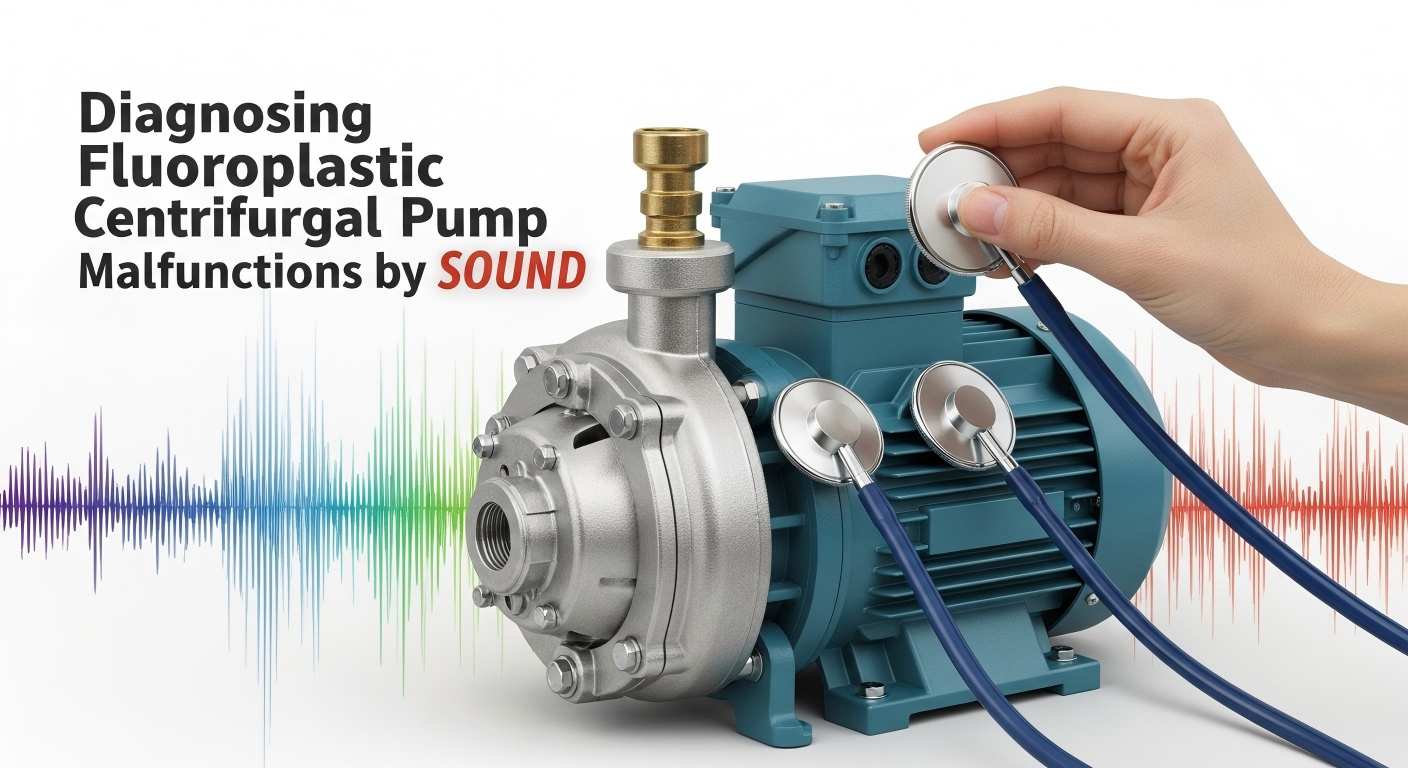
In petrochemical plants, fluoroplastic centrifugal pumps are widely used to transfer highly corrosive media. Thanks to their unique lined structure, any slight abnormal noise may be a precursor to catastrophic equipment failure.
As a technical expert at Teffiko, I will guide you to accurately identify the sub-healthy state of pump units by understanding the "language" of sound.
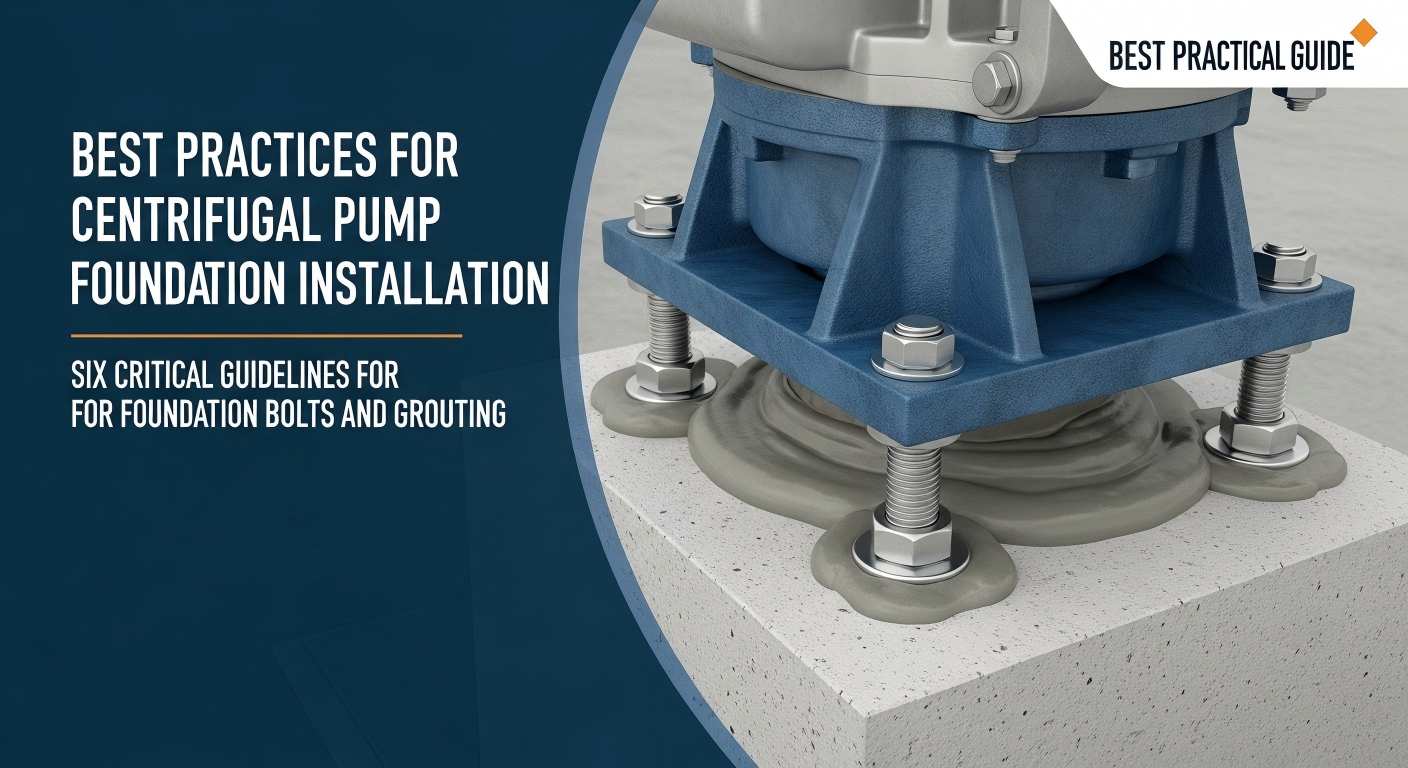
In the industrial fluid sector, Teffiko engineers emphasize a core principle: "A pump's stability is defined equally by its design and its foundation." The precision of foundation bolt installation directly dictates the natural frequency and vibration levels of a centrifugal pump during operation.
Below are the six critical technical requirements for foundation bolt holes and grouting procedures, summarized by Teffiko's technical team for construction reference.
In industrial and high-rise water supply systems, Teffiko horizontal multistage centrifugal pumps are the core power source. However, many engineers find that the pump flow rate gradually "drops" after a period of operation and fails to reach the calibrated parameters.
Combining the theoretical research of fluid machinery and frontline operation and maintenance experience, this article will thoroughly solve the problem of insufficient flow rate from three dimensions: tightness, system resistance and power source performance.
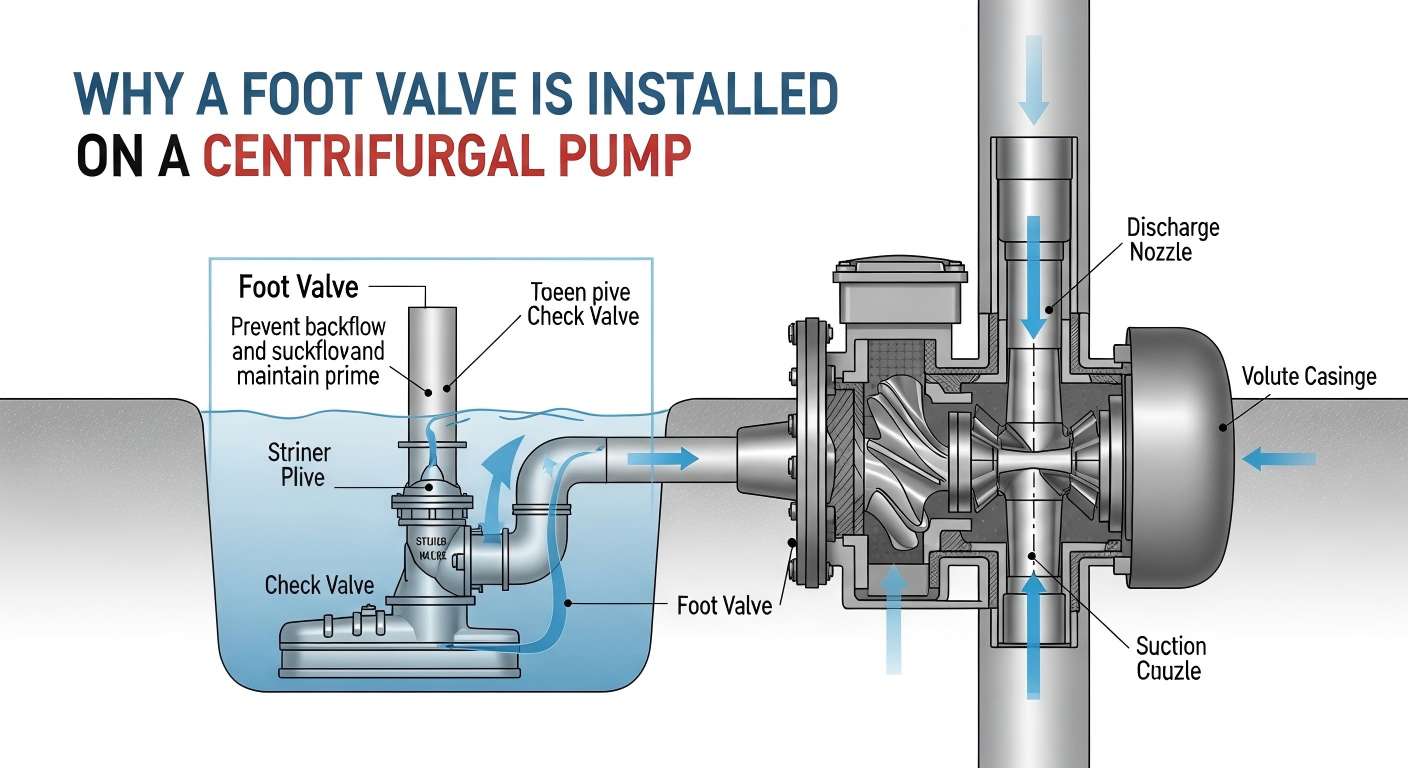
In the installation and operation of a centrifugal pump, the foot valve at the water inlet, though seemingly simple in structure, is a key component ensuring the stable operation of the pump unit. Many users only know that a foot valve must be installed at the water inlet of a centrifugal pump, yet they are unclear about its core functions. This article will explain in detail why the foot valve is absolutely essential.
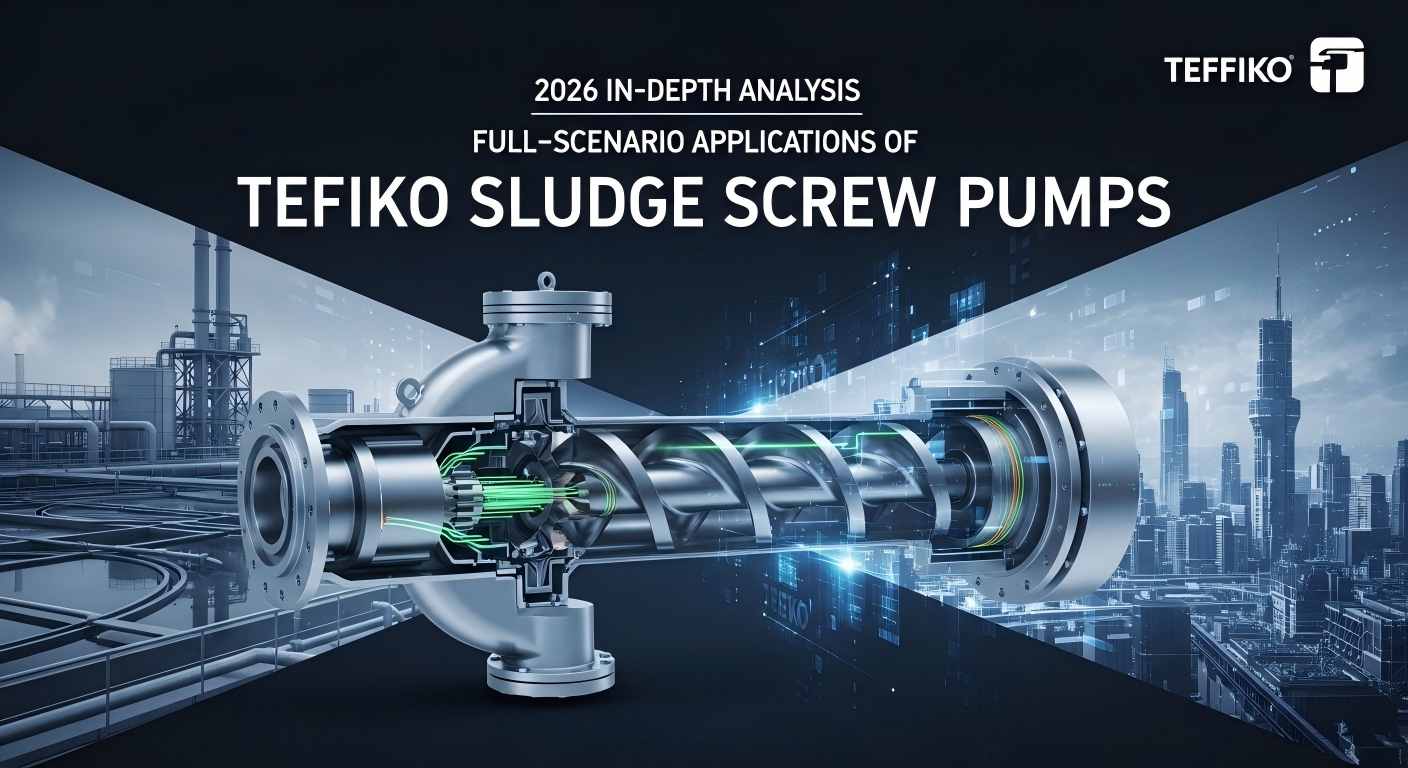
In 2026, driven by increasingly stringent global environmental regulations and the widespread adoption of Industry 4.0 smart manufacturing, Teffiko Sludge Screw Pumps (specifically Progressive Cavity Pumps) have evolved beyond their traditional role as auxiliary equipment in sewage treatment plants. Today, they stand as the core solution for transporting complex media across diverse industries.
In oilfield operations and industrial fluid transfer applications, Teffiko progressive cavity pumps (PCPs) are renowned for their exceptional capability in handling high-viscosity media. However, under complex operating conditions, these pumps may encounter malfunctions such as excessive vibration, overheating, or failure to discharge oil.
By combining on-site operational data with an analysis of common faults, this guide systematically categorizes the causes of oil extraction issues in progressive cavity pumps and provides standardized solutions. This serves as a technical reference to ensure stable and efficient oilfield production.
We use cookies to offer you a better browsing experience, analyze site traffic and personalize content. By using this site, you agree to our use of cookies. Privacy Policy