We are glad to share with you about the results of our work, company news, and give you timely developments and personnel appointment and removal conditions.
In chemical production, energy consumption optimization of centrifugal pumps is the key to cost reduction and efficiency improvement. Improving pump system efficiency not only relies on advanced control technologies, but also depends on refined maintenance processes. Based on Teffiko's scientific research practices and production experience, this paper elaborates on how to achieve comprehensive energy conservation by reducing hydraulic losses, volumetric losses and system leakage.
In agricultural irrigation, municipal drainage, industrial circulation, building water supply and even emergency rescue, water pumps are indispensable core equipment. Centrifugal pumps and submersible pumps, as two mainstream pump types, are widely used in different working conditions due to their unique working methods and applicable advantages. So what are their differences? And which occasions are they suitable for? Teffiko will systematically sort out their working principles, structural characteristics, application scenarios and selection points for you.
In industrial production, many users often face difficulties when dealing with highly viscous media (such as gypsum slurry, oil sludge, cement paste, asphalt, high-concentration sludge, toothpaste-like materials, etc.): these substances do not look like liquids at all, and ordinary water pumps or pneumatic diaphragm pumps simply cannot suck or transfer them. As a result, people frequently ask: "What type of pump should be used for highly viscous media?"
The answer is clear: progressive cavity pumps, especially single-screw progressive cavity pumps, are the preferred solution for handling ultra-high viscosity, semi-solid, and even "quasi-solid" media.
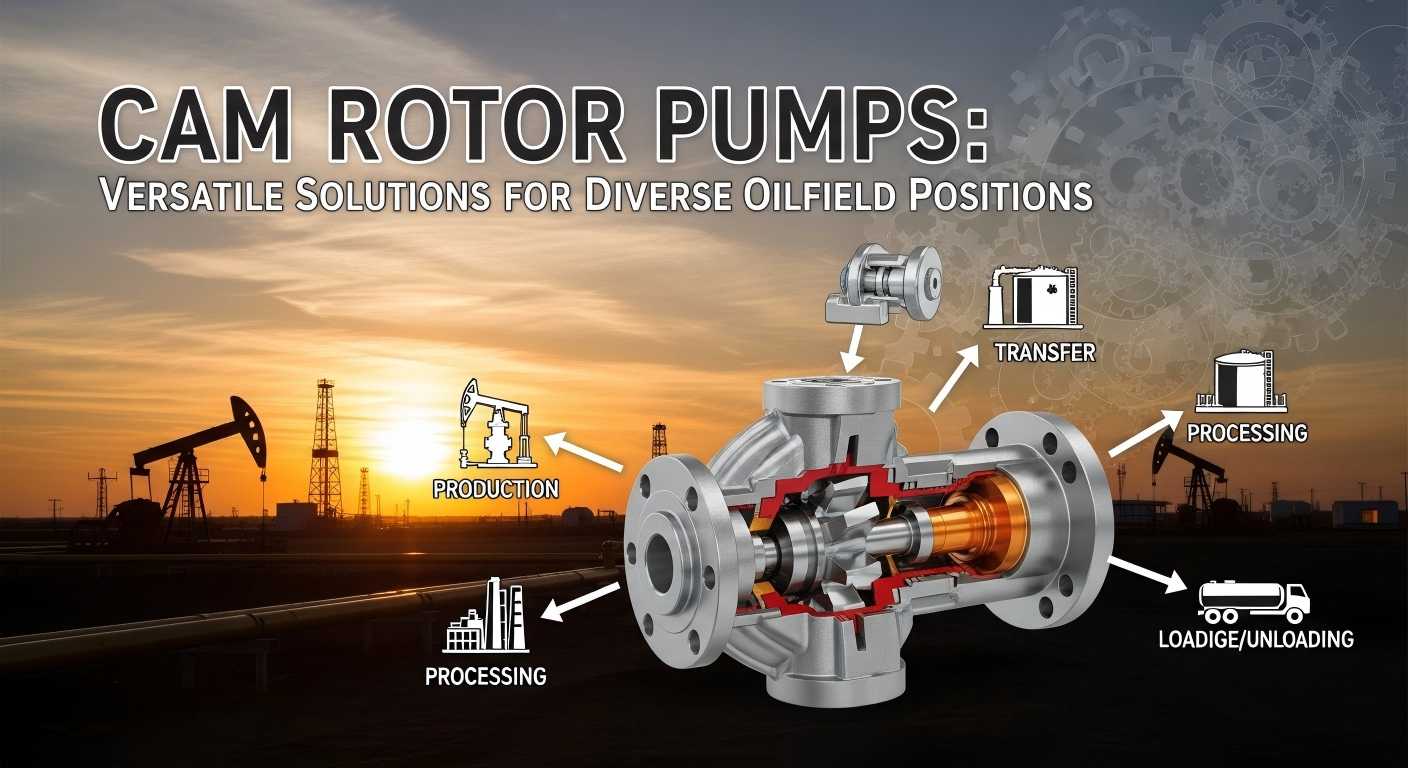
In the entire chain of oil extraction and processing, although centrifugal pumps dominate in large-flow clean water working conditions, cam rotor pumps have become the ideal solution for many key positions in oilfields. They rely on their positive displacement, low-shear, and impurity-resistant characteristics. These features make them suitable for scenarios involving high-viscosity crude oil, water-containing and solid-containing mixtures, chemical agents, or requiring strong self-priming capability.
Then, in which specific positions of oilfields can Teffiko cam rotor pumps be used? Combining practical application scenarios, this paper systematically sorts out four core application fields and provides selection references.
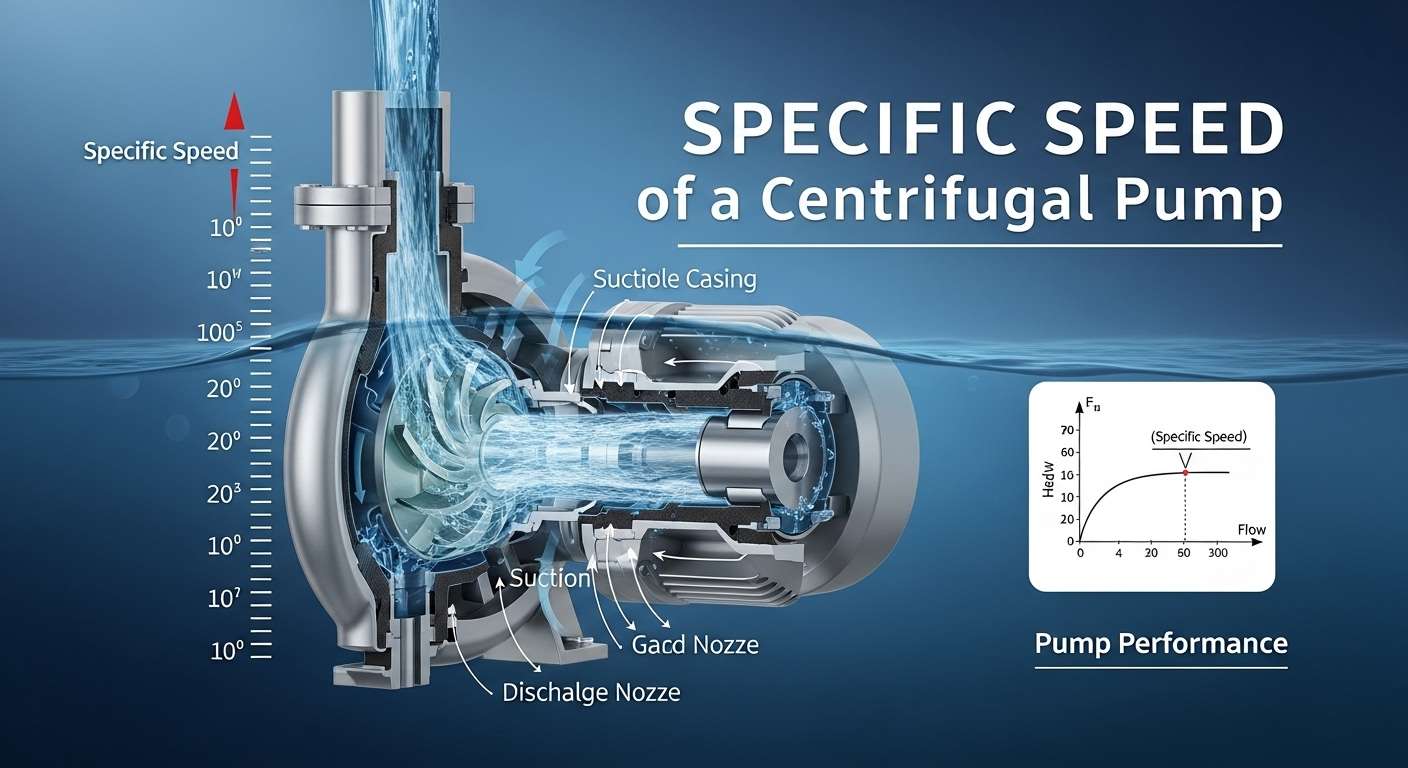
In the design, selection, and performance evaluation of centrifugal pumps, there is a seemingly abstract yet crucial concept—specific speed. It serves not only as the "fingerprint" for distinguishing the hydraulic characteristics of different pumps but also as a key bridge connecting theoretical fluid mechanics with engineering practice.
So, what exactly is the specific speed of a centrifugal pump? Where does it originate? And how does it affect the actual operation of the pump? This article will comprehensively explain this core parameter by combining hydraulic similarity laws with engineering applications.
In the field of petrochemical fluid transportation, the loading, unloading, and circulation of concentrated sulfuric acid (with a specific gravity of over 1.6) have always been a major challenge. Improper selection will not only lead to frequent equipment maintenance but also may cause serious safety and environmental accidents. Combining materials science and engineering practices, Teffiko explains the core logic of selecting pumps for concentrated sulfuric acid medium for you.
We use cookies to offer you a better browsing experience, analyze site traffic and personalize content. By using this site, you agree to our use of cookies. Privacy Policy