Athena Engineering S.r.l.
News

Five Key Notes for Daily Operation of High-Temperature Oil Pumps

2026-06-05 0 Leave me a message

As a centrifugal pump researcher, this article sorts out five core specifications for the daily use of high-temperature oil pumps to help users effectively extend equipment service life and cut downtime maintenance costs.

I. Handling Unexpected Power Outages and Accumulated Gas

Sudden power outages trigger system pressure fluctuations and negative pressure inside discharge piping, prompting dissolved gas in process liquid to separate and get trapped within pumps or pipelines. Such trapped gas not only causes cavitation but also damages the pump via dry running.

Practical Recommendations: Fully vent all trapped gas inside pump casings and pipelines before restarting after power failures. Equip the system with backup power supplies or emergency pressure relief devices to mitigate damage from sudden blackouts.

II. Preventing Liquid Column Backflow and Pipeline Retrofit

Upon abrupt power loss, high-pressure liquid columns can surge backward and slam against check valve discs fitted at the gear pump discharge, resulting in valve breakdown or seal failure.

Practical Recommendations: This issue generally stems from improper layout of discharge pipelines and fittings. Enterprises shall review and revamp flawed piping layouts by adding surge tanks or repositioning check valves to reduce destructive water hammer impact.

III. Standardizing Valve Operation to Avoid Water Hammer Effect

Rapid closure of discharge piping valves drastically alters fluid momentum inside pipelines and generates intense reverse pressure surges, inflicting mechanical damage on pump bodies and piping assemblies.

Practical Recommendations: Close discharge valves slowly and steadily during routine shutdown or flow regulation. Avoid abrupt opening or closing to achieve gradual fluid pressure transition and protect pump casings and check valves from impact damage.

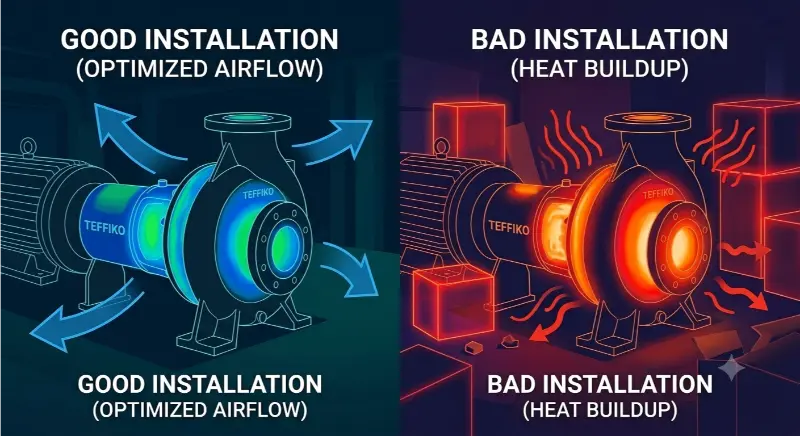
IV. Optimizing Installation Location and Heat Dissipation

Heat transferred from pumped medium to pump covers and bearings mainly dissipates via surface cooling to maintain proper operating temperature of shaft seals. Poor ventilation or blocked installation spots cause localized heat buildup, accelerating seal degradation and carbonization of bearing grease.

Practical Recommendations: Select installation sites with unobstructed airflow around pump covers and bearing housings for natural heat dissipation. Do not install thermal insulation or stack debris over heat-dissipating surfaces to eliminate heat accumulation.

V. Implementing Strict Shutdown Maintenance and Anti-Deformation Measures

Incorrect shutdown procedures lead to solidification or cracking of residual high-temperature medium, clogging lubrication passages. Prolonged stationary operation under residual high heat induces bending deformation of rotating components due to self-weight.

Practical Recommendations: Cut off power supply before draining and cleaning all residual liquid inside pumps during shutdown. For long-idle or frequently started-stop units, manually rotate gears or couplings by 180° regularly until full pump cooling; symmetrical gravity loading prevents main shaft distortion.

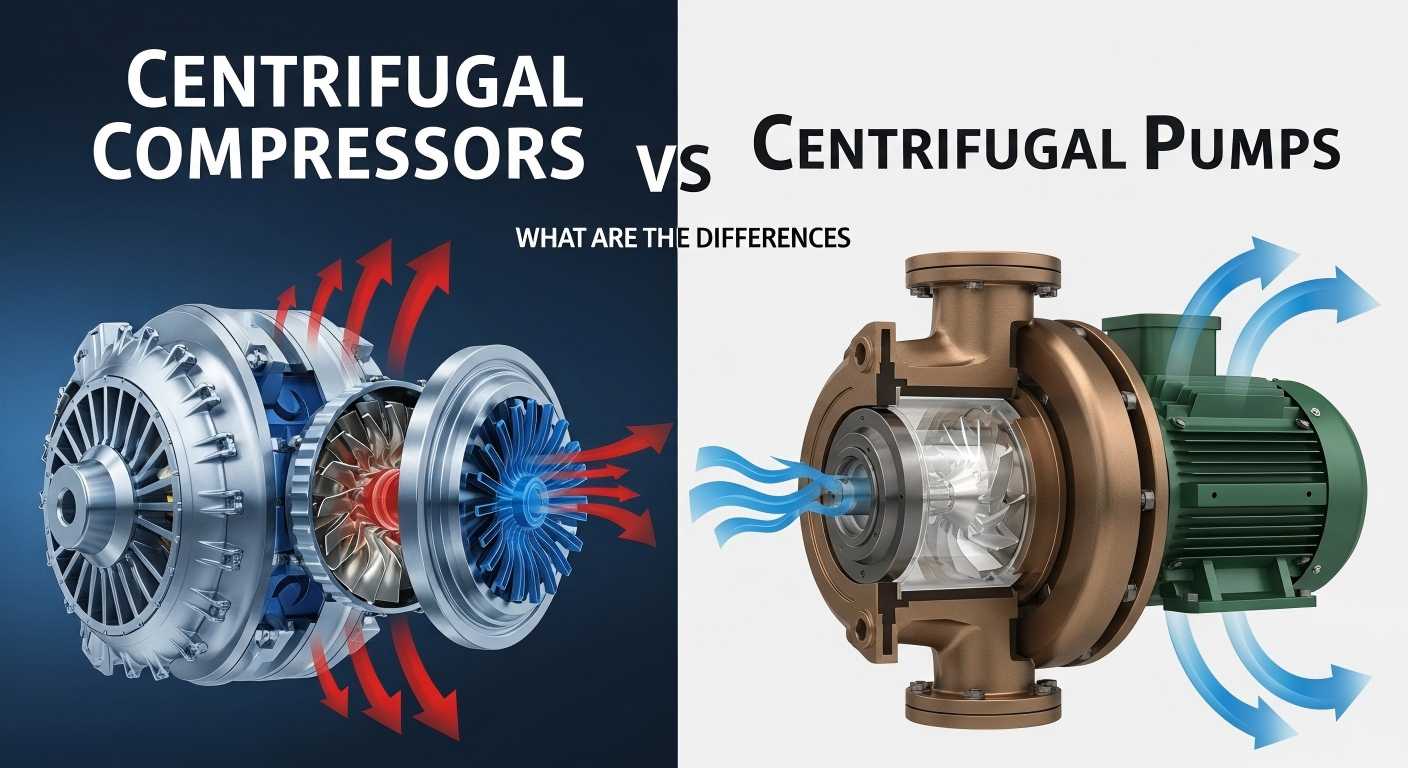
Pump airflow vs heat

FAQ

Q1: What actions to take when abnormal noise occurs during high-temperature oil pump operation?

A: Shut down the pump immediately once unusual noise or violent vibration emerges for inspection. Root causes usually include worn bearings, unbalanced impellers from coke buildup or severe cavitation. Continuous faulty operation risks shaft fracture.

Q2: Why do mechanical seals of high-temperature oil pumps fail prematurely?

A: Apart from natural aging, frequent root causes include malfunctioned cooling systems, thermal stress damage from inadequate preheating, or coke deposits on sealing faces caused by post-shutdown neglect of cleaning. Upgrade to SiC/SiC double mechanical seals with pressurized barrier fluid systems as a solution.

Q3: What is the replacement cycle for lubricating oil/grease of high-temperature oil pumps?

A: Replace grease inside motor support oil cups after the initial 100 operating hours or the first month of commissioning. Under normal operating conditions, complete lubricant inspection and replacement every 2000 operating hours thereafter.

Improve Equipment Reliability with Professional Partners

Proper operational specifications form the foundation of safe production, while well-designed and well-manufactured pumps fundamentally lower fault rates. TEFFIKO, a renowned brand under Italy’s Athena Engineering Group with 20 years of R&D and manufacturing experience, specializes in supplying high-performance API centrifugal pumps and screw pumps for global industrial applications.


Related News
Leave me a message
  • BACK TO ATHENA GROUP
  • X
    We use cookies to offer you a better browsing experience, analyze site traffic and personalize content. By using this site, you agree to our use of cookies. Privacy Policy
    Reject Accept