Athena Engineering S.r.l.
News

Centrifugal Pumps for Textile Industry: Selection Features, Application Scenarios and Maintenance Guidelines

2026-05-27 0 Leave me a message

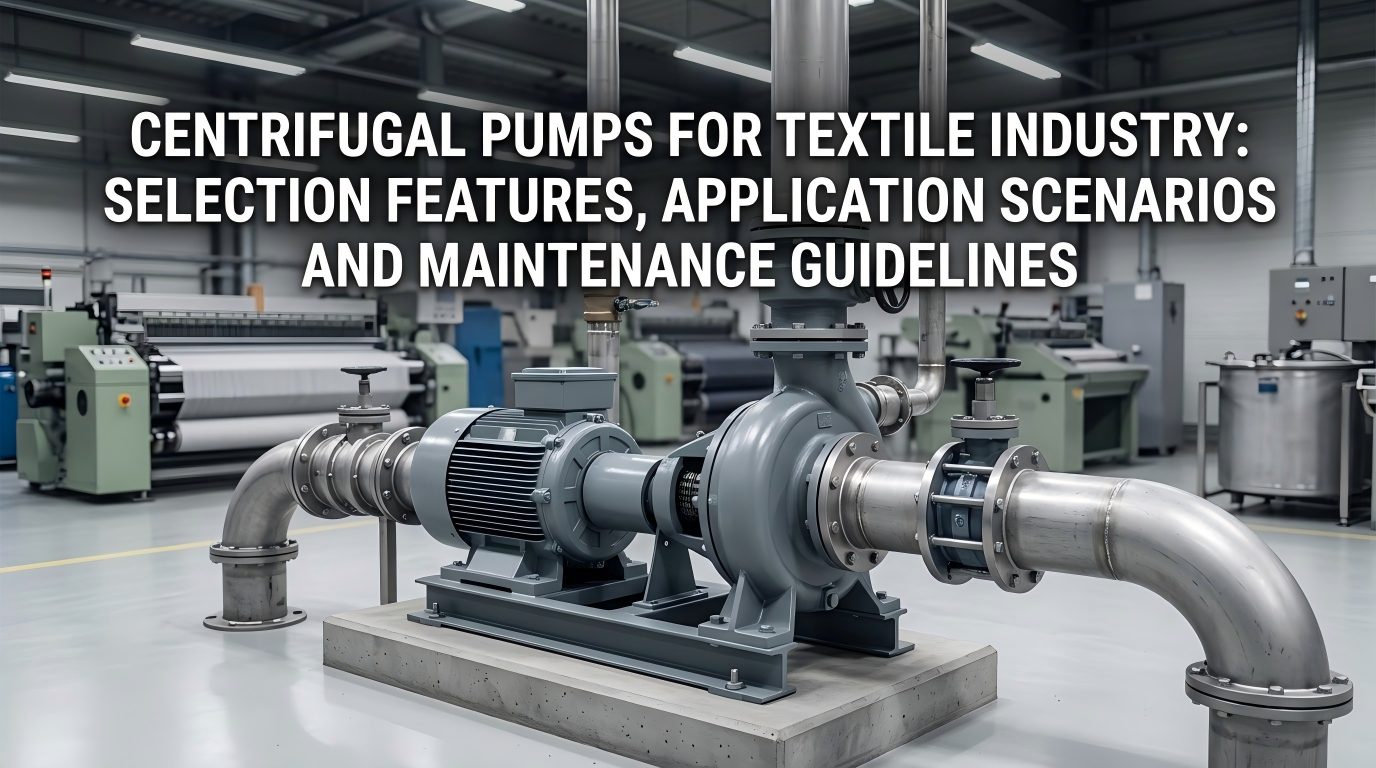
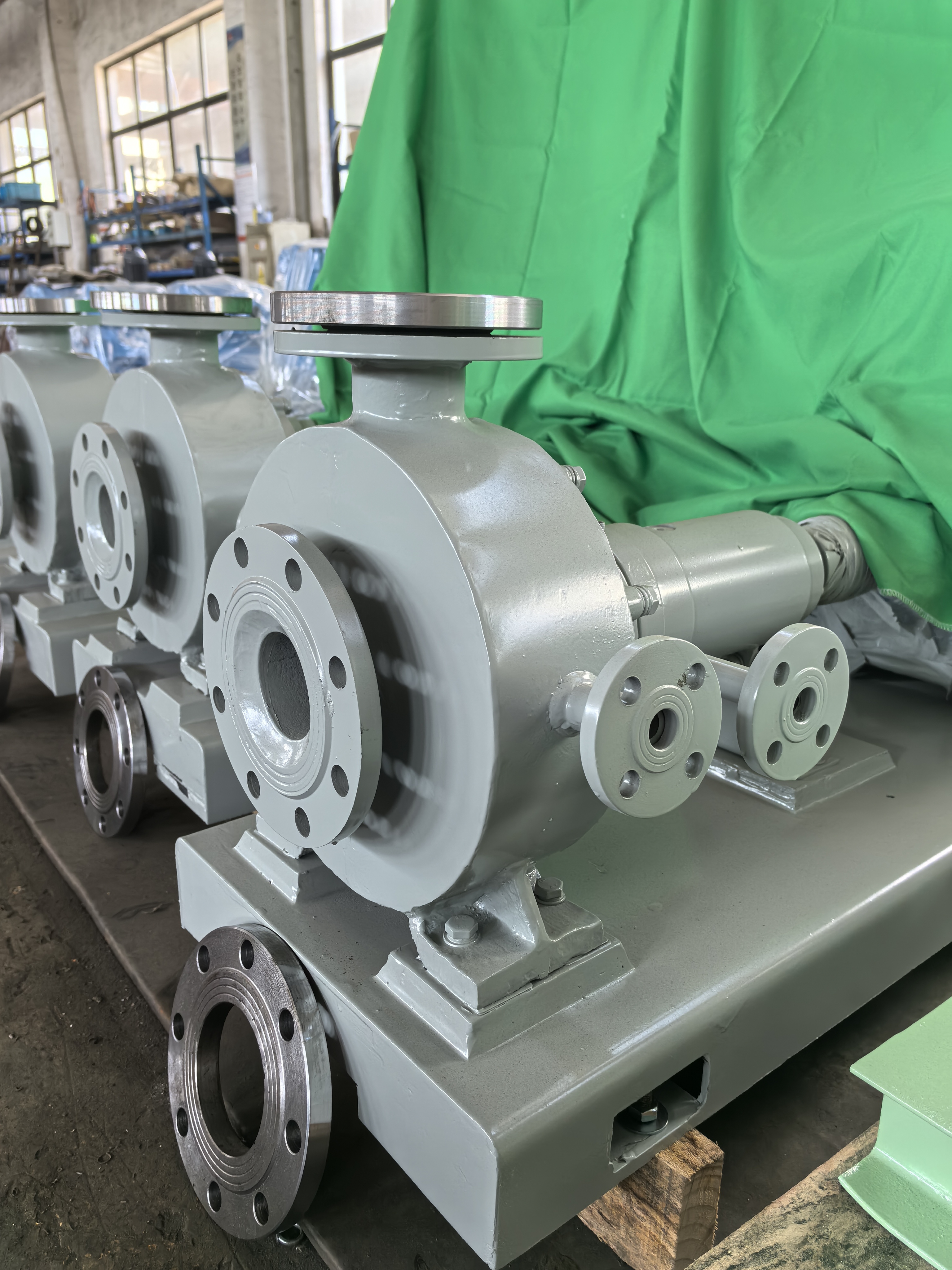
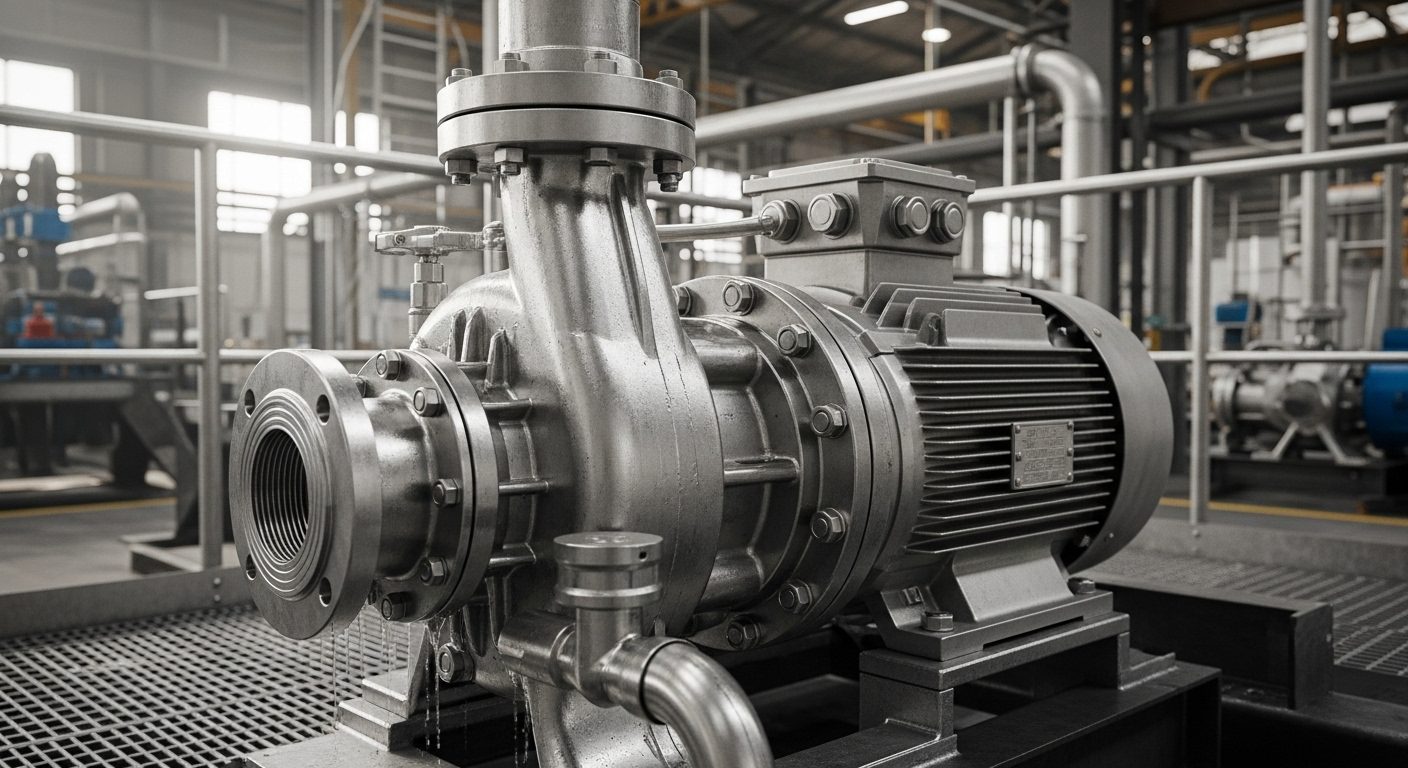
Centrifugal pumps for textile industry are indispensable core fluid conveying equipment in the whole industrial chain of textile dyeing, washing, surface finishing, wastewater recovery and chemical processing. This paper deeply analyzes the working principle, application scenarios and selection strategies of centrifugal pumps for textile industry to help you optimize production configuration.

Textile Industry Centrifugal Pump

1. What are Centrifugal Pumps for Textile Industry?

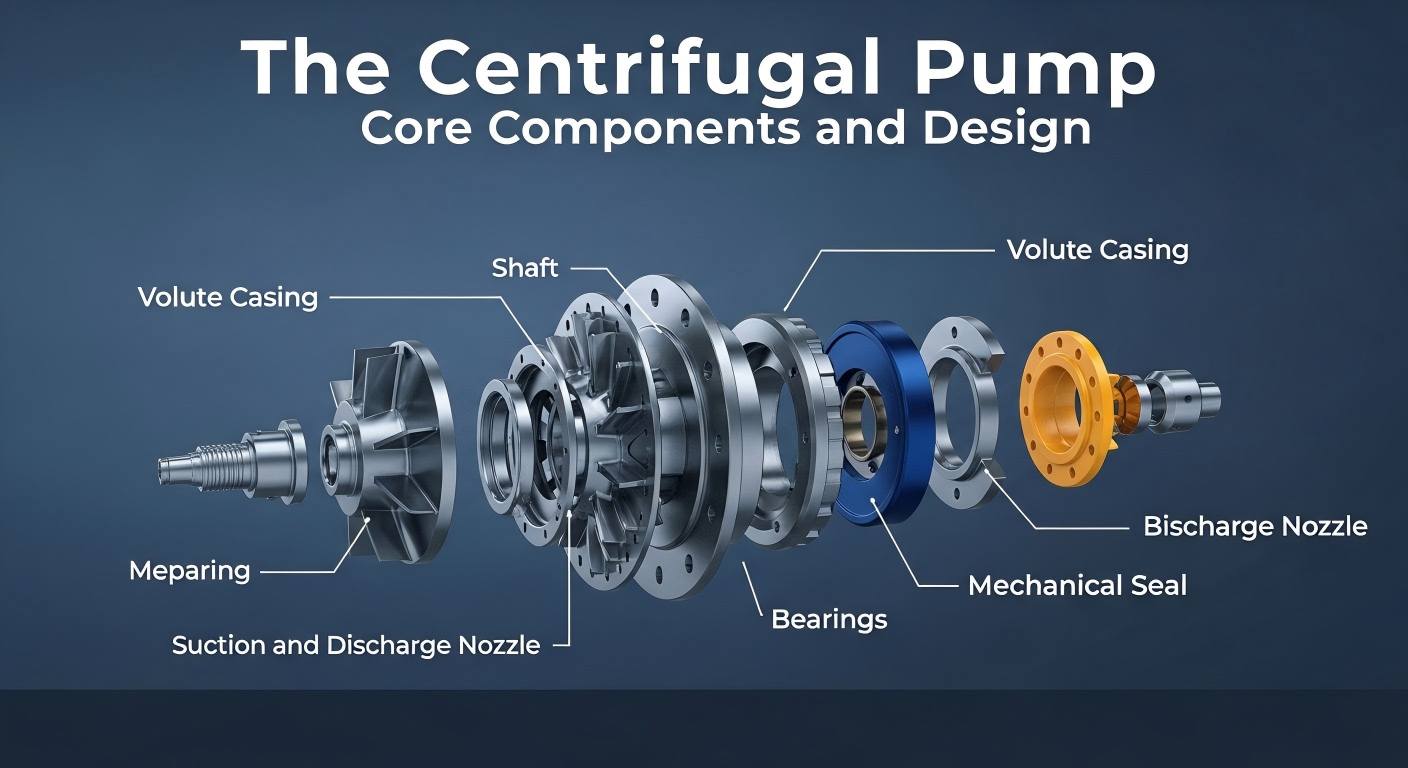
Centrifugal pumps for textile industry are customized fluid conveying equipment specially designed for textile manufacturing processes, which realize the stable conveying and circulation of clear water, dye solutions, chemical additives, high-temperature heat media, industrial sewage and other media based on the centrifugal force principle.

2. Common Types of Centrifugal Pumps in Textile Industry

According to different conveying media and working conditions, textile mills usually select the following types of centrifugal pumps:

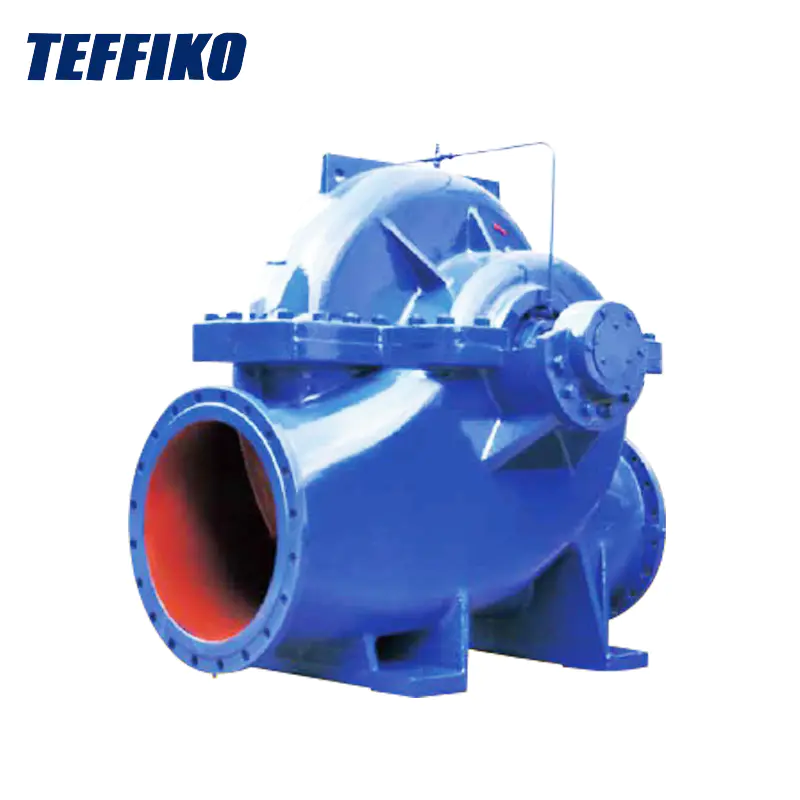
Clear Water Centrifugal Pumps

Features: Simple structure and reliable operation, suitable for conveying liquids with physical and chemical properties similar to clear water.

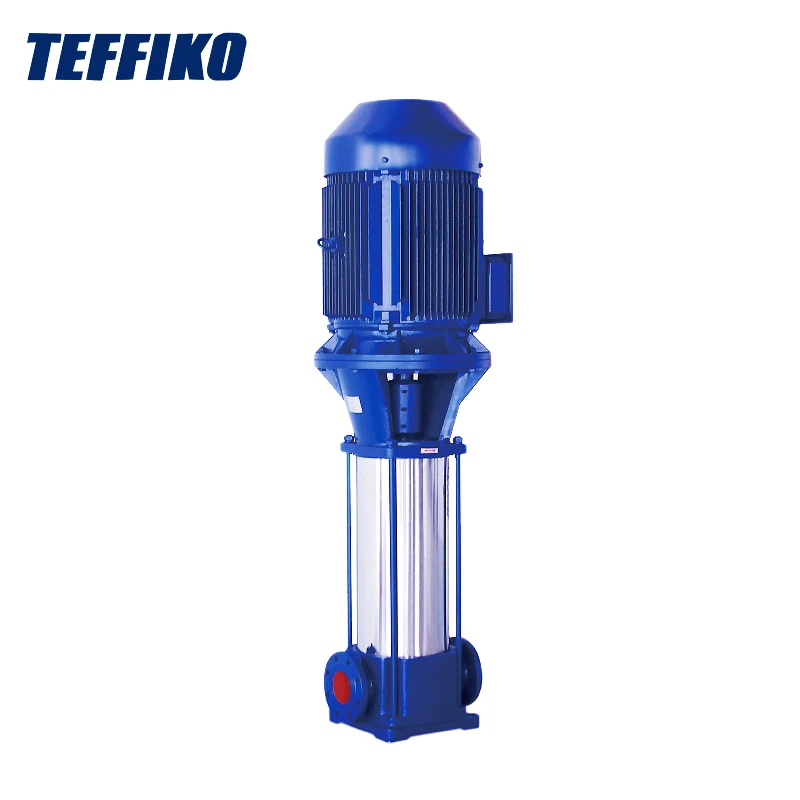
Application: Mainly used in air conditioning circulating water, equipment cooling water and plant water supply systems. For example, TSWA horizontal multistage centrifugal pumps, commonly used for high-rise building pressurization and garden irrigation, are also applicable to the large-flow water supply demand of textile mills.

Corrosion-Resistant Chemical Pumps

Features: Flow passage components are made of stainless steel or special alloy materials, resistant to acid and alkali corrosion.

Application: Specially used in printing and dyeing workshops to convey dyes, bleaching solutions and chemical additives containing acid and alkali components, ensuring long-term stable operation under harsh media conditions.

Hot Water Circulating Pumps

Features: Excellent sealing performance and high temperature resistance (usually ≤120℃).

3. Eight Core Application Scenarios of Centrifugal Pumps in Textile Manufacturing

Centrifugal pumps for textile industry run through the whole process of textile wet processing, finishing and environmental protection treatment, covering eight core process scenarios to comprehensively improve production efficiency and product quality:

1.Dyeing Process

Dyeing is a core process that determines the appearance quality of fabrics, with extremely high requirements for liquid flow, concentration and temperature control accuracy. Centrifugal pumps can realize the stable circulating conveying of dye solutions, accurately maintain the constant concentration and temperature of liquid medicine, make fabrics evenly colored with bright luster, effectively eliminate quality problems such as color difference, uneven dyeing and incomplete dyeing, and greatly improve the qualified rate of finished fabrics.

2.Washing and Rinsing Process

After fabric dyeing and chemical processing, floating color, size and chemical additives will remain on the surface and need thorough cleaning. Centrifugal pumps continuously convey stable water flow to realize all-round rinsing of grey fabrics and finished fabrics, and can safely convey detergent solutions to avoid decomposition and failure of chemical agents, completely remove residual impurities on fabrics, and improve fabric hand feel and cleanliness.

3.Surface Finishing Process

To optimize the hand feel, texture and appearance of fabrics, textile production carries out softening, setting, brightening and other surface finishing treatments on fabrics. Centrifugal pumps can accurately control the flow and coating of finishing agent solutions, ensure uniform fabric coating, precisely control the dosage of chemicals, minimize the waste of chemical materials, avoid process interruption, and improve overall production efficiency.

4.Sewage Management and Recovery Process

Rinsing wastewater and residual liquid generated in textile production can be conveyed, filtered and recycled through centrifugal pumps. The equipment can stably convey various production waste liquids, facilitate the recycling of water resources, reduce water resource waste, comply with environmental protection production standards, and effectively reduce enterprise water costs.

5.Setting and Sizing Process

The sizing process before weaving can enhance fiber toughness and fabric weaving strength. Centrifugal pumps can stably convey size and functional coating solutions, ensure uniform fabric sizing and consistent thickness, effectively improve fabric structural stability and wear resistance, reduce size waste, and improve raw material utilization.

6.Chemical Processing

Textile bleaching, mercerizing, modification and other chemical treatment processes need to convey various strong acid and alkali chemical solutions. Special anti-corrosion centrifugal pumps for textiles can resist strongly corrosive media, safely, stably and efficiently complete the conveying of chemical agents without corrosion or leakage of the pump body, which not only guarantees process effects, but also avoids equipment damage and potential safety hazards.

7.Heat Transfer Temperature Control System

Fabric drying, high-temperature setting, thermal dyeing and other processes require a constant high-temperature environment. Centrifugal pumps are responsible for the circulating conveying of high-temperature heat media and hot water, evenly distribute heat, accurately control equipment temperature, avoid fabric defects caused by excessive local temperature difference, reduce temperature control energy consumption, and ensure the stability of drying and setting processes.

8.Supporting Application in Sewage Treatment Plants (ETP)

For industrial wastewater treatment systems of textile factories, centrifugal pumps are the core equipment for waste liquid conveying, filtration and purification. They can efficiently convey various industrial waste liquids, complete the conveying operations in the whole process of wastewater pretreatment, filtration and standard discharge, help factories discharge pollutants in compliance with regulations, reduce pollution, and meet environmental protection production requirements.

4. Maintenance and Fault Prevention

Regular maintenance is essential to extend the service life of equipment:


  • Regular inspection: Monitor bearing temperature and vibration to prevent shutdown caused by wear.
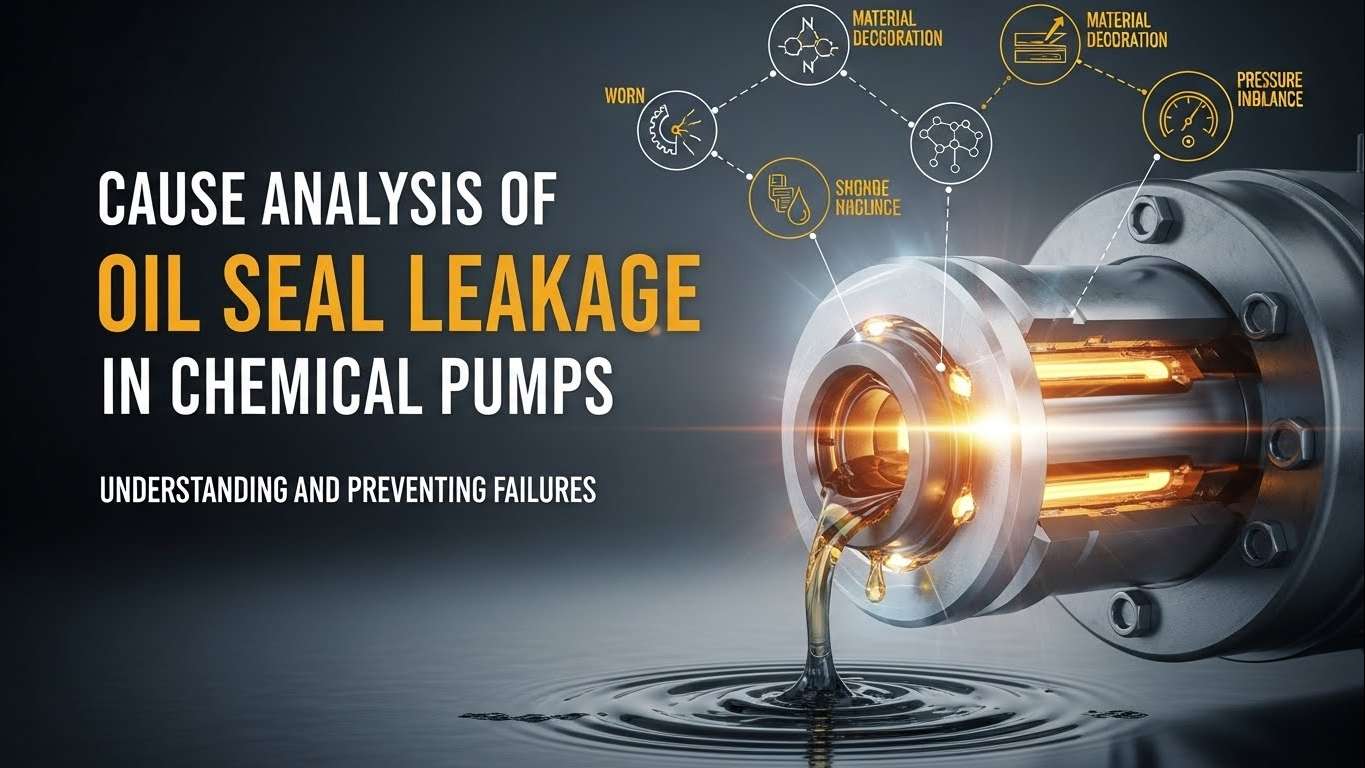
  • Seal monitoring: Check whether the mechanical seal leaks, and replace aged seals in a timely manner.


Summary

Centrifugal pumps for textile industry are the core equipment running through the whole process of textile dyeing, washing, finishing, sizing, chemical processing and sewage treatment. Selecting high-quality special centrifugal pumps for textiles with scientific selection and standardized operation and maintenance can not only accurately control fabric production quality and improve overall production efficiency, but also effectively reduce the comprehensive operation costs of energy consumption, operation and maintenance, and environmental protection, providing reliable equipment support for the development of refined, energy-saving and green intelligent manufacturing in the textile industry.


Related News
Leave me a message
  • BACK TO ATHENA GROUP
  • X
    We use cookies to offer you a better browsing experience, analyze site traffic and personalize content. By using this site, you agree to our use of cookies. Privacy Policy
    Reject Accept