News

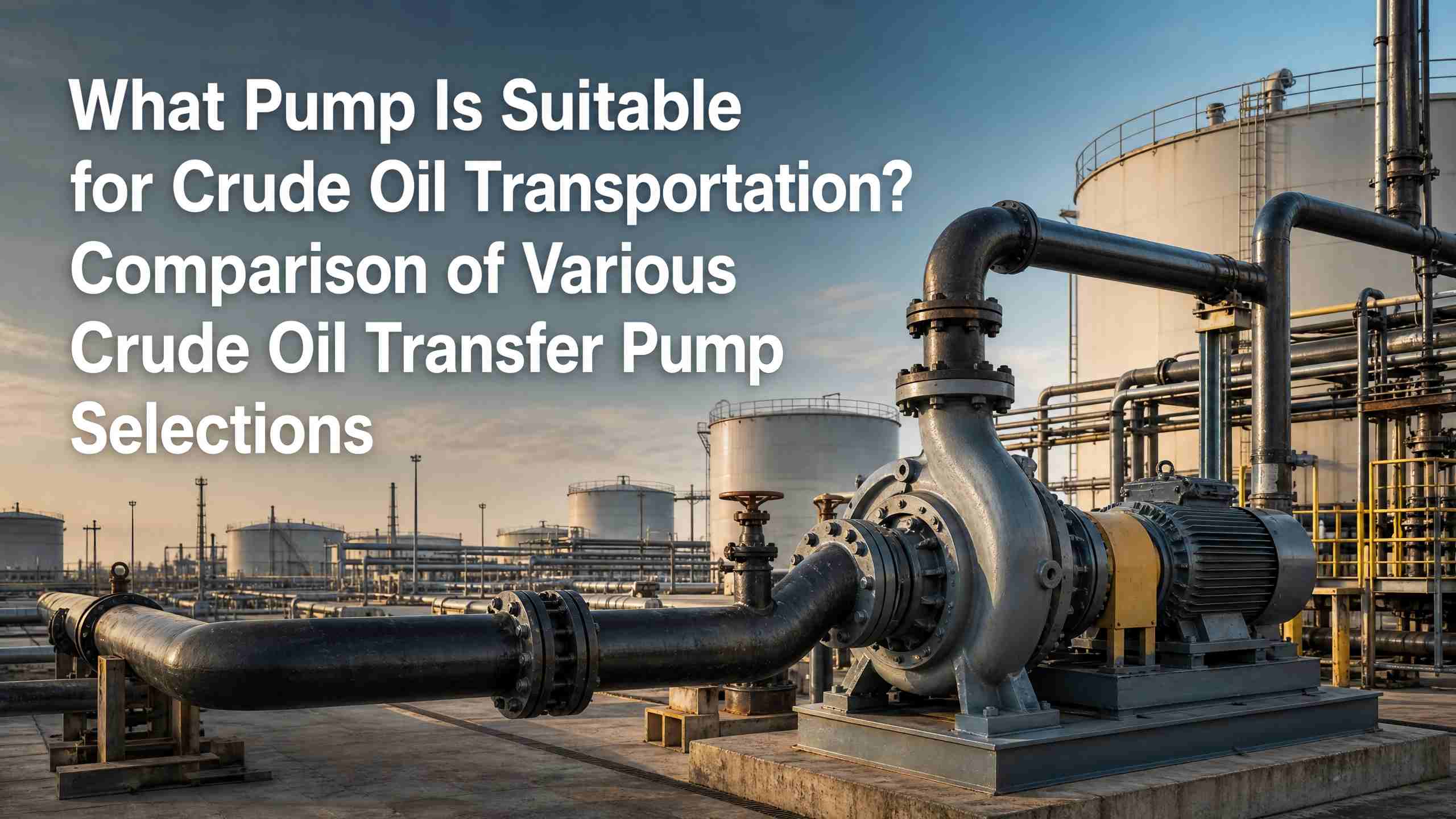
What Pump Is Suitable for Crude Oil Transportation? Comparison of Various Crude Oil Transfer Pump Selections

2026-09-01 0 Leave me a message

Crude oil transfer pumps are critical equipment in oilfield production, refineries, storage depots, and oil-gas transportation. Due to crude oil's unique properties — wide viscosity range, impurities, flammability, explosiveness, and large temperature fluctuations — ordinary water pumps cannot meet the demands. So how do you select the right pump for different working conditions?

Teffiko specializes in the R&D and manufacturing of crude oil transfer pumps. For diverse oilfield, refinery, and depot applications, we develop pumps tailored to various crude oil media, ensuring efficient, safe, and stable operation.

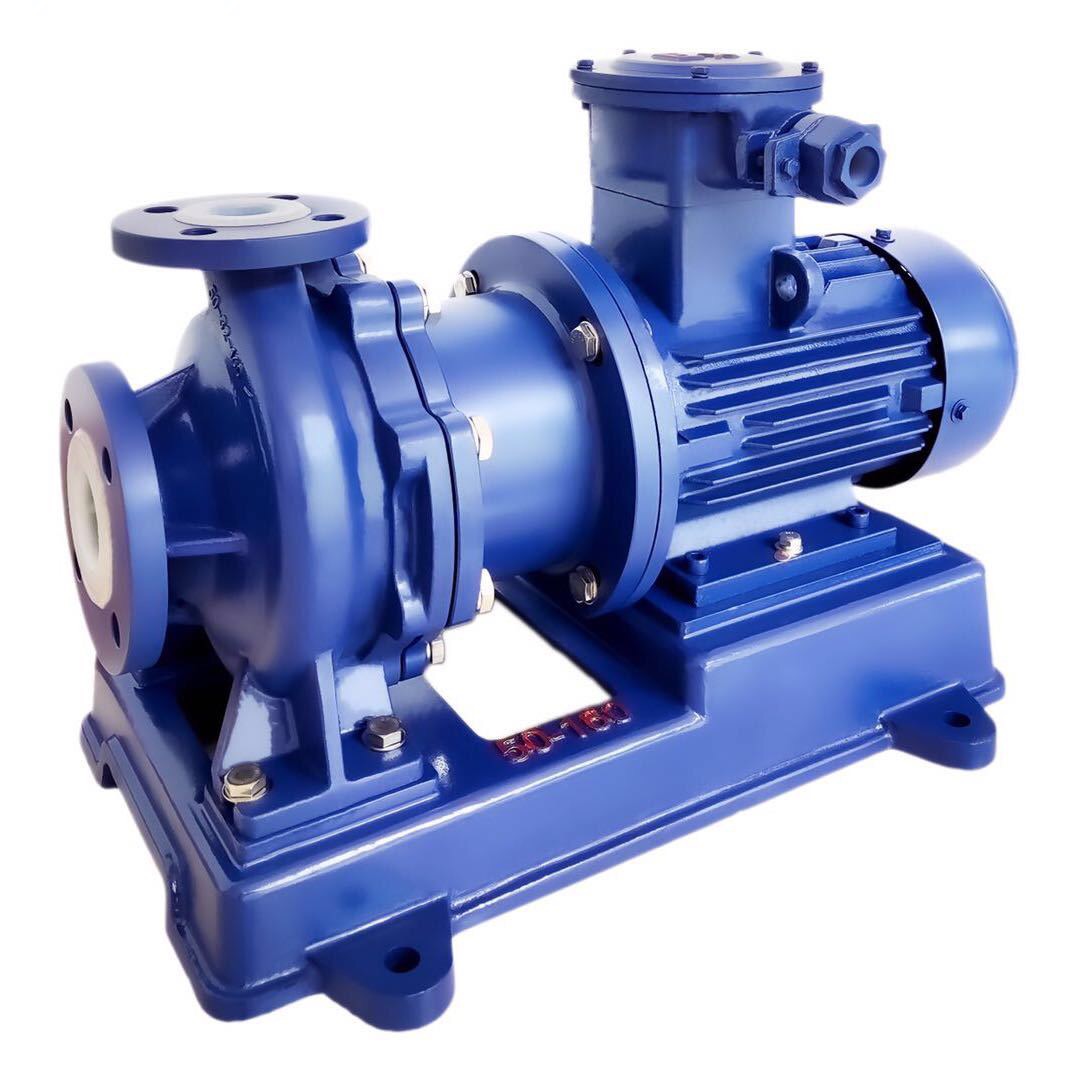
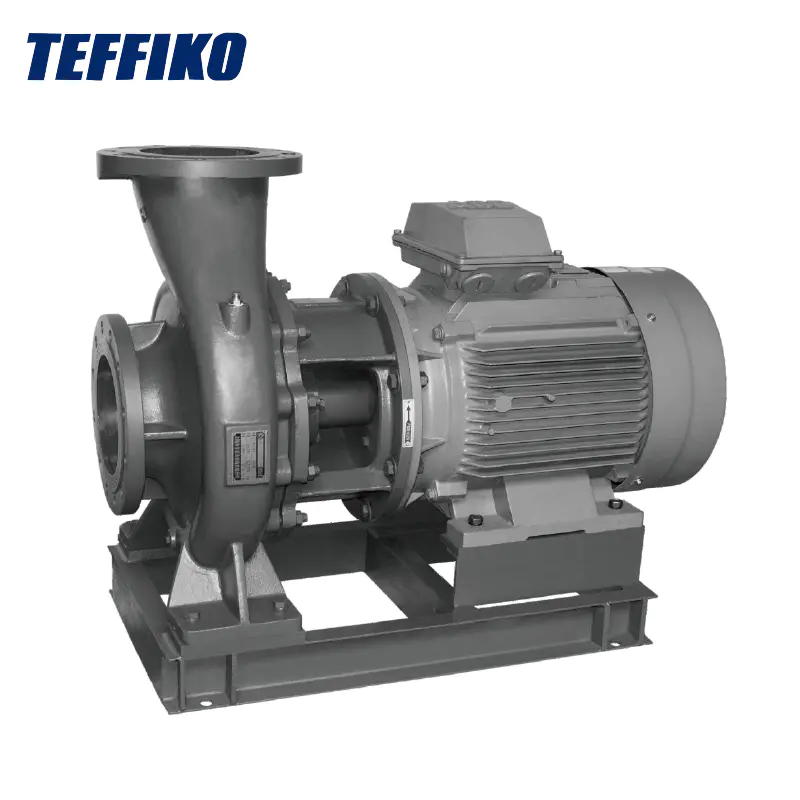
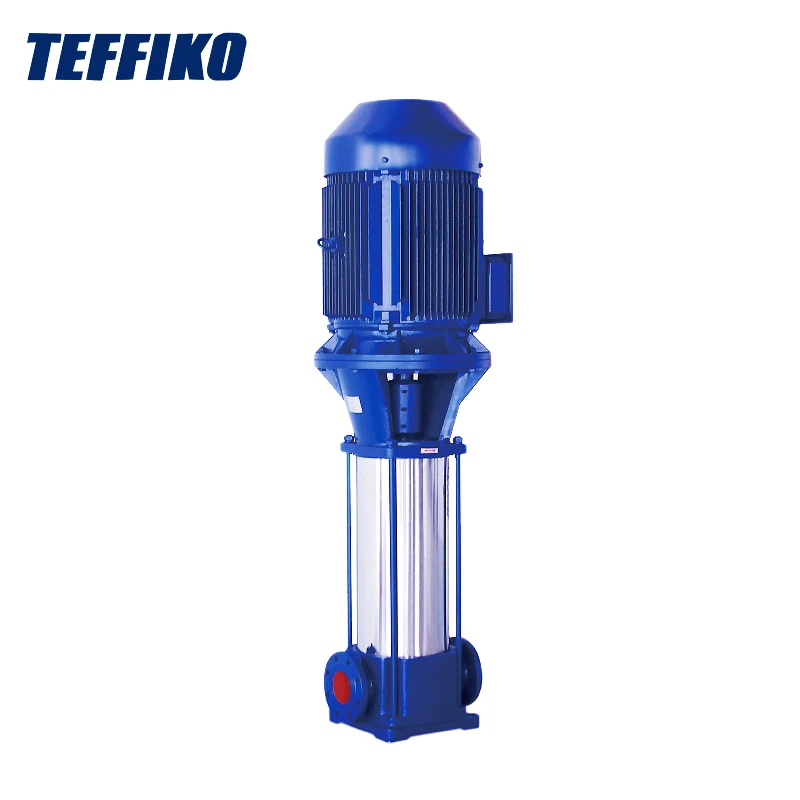
Industrial crude oil pump equipment

I. Core Considerations for Crude Oil Transfer Pump Selection


Crude oil pump selection should not only focus on flow rate and head; media and working conditions must be comprehensively evaluated. Five key reference points are as follows:


Crude oil viscosity: Light crude oil has low viscosity and good fluidity; heavy crude oil and heavy oil feature extremely high viscosity, and their fluidity deteriorates sharply as temperature drops, which directly determines pump type compatibility.


Impurity content in media: Produced crude oil mostly contains sediment, paraffin, water and other impurities, imposing high requirements on pump wear resistance and anti‑clogging performance.


Working condition parameters: Including transportation flow rate, pipeline pressure, operating temperature, 24‑hour continuous operation requirements, etc.


Safety and explosion‑proof requirements: Crude oil is flammable and explosive. Transfer pumps must be fitted with explosion‑proof motors and reliable sealing structures to eliminate leakage and fire risks.


Operation and maintenance costs: Different pump types differ in structural complexity, component wear, maintenance difficulty and service life, which affect long‑term operating costs.


II. Main Types of Crude Oil Transfer Pumps: Advantages, Disadvantages and Application Scenarios

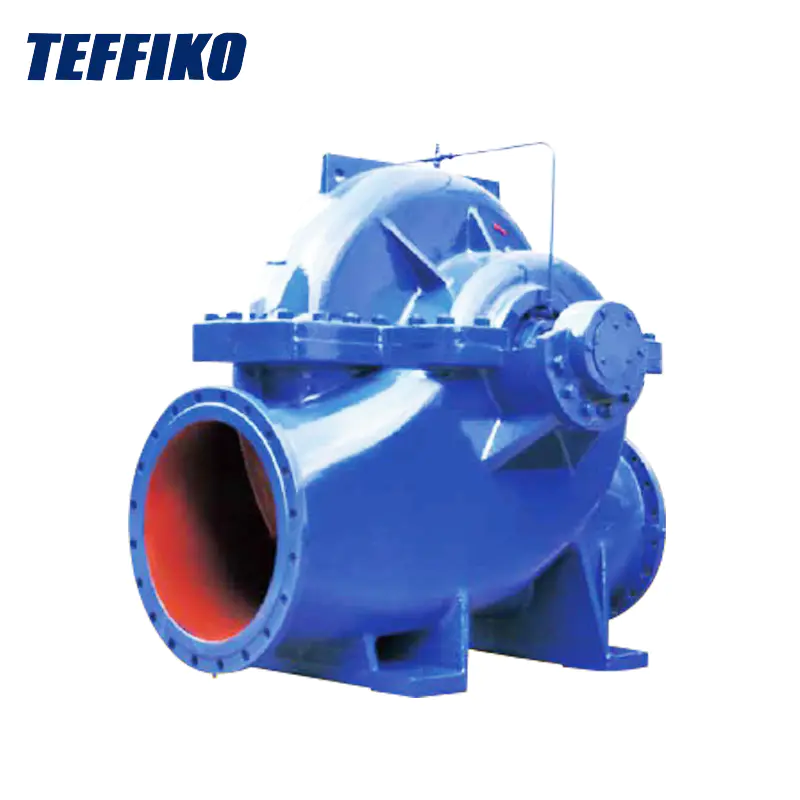
Centrifugal pumps

Currently, mainstream industrial pumps for crude oil transportation fall into two major categories: centrifugal pumps and positive‑displacement pumps, including API 610 centrifugal pumps, triple‑screw pumps, gear pumps, plunger pumps, etc., adapted to various crude oil working conditions.


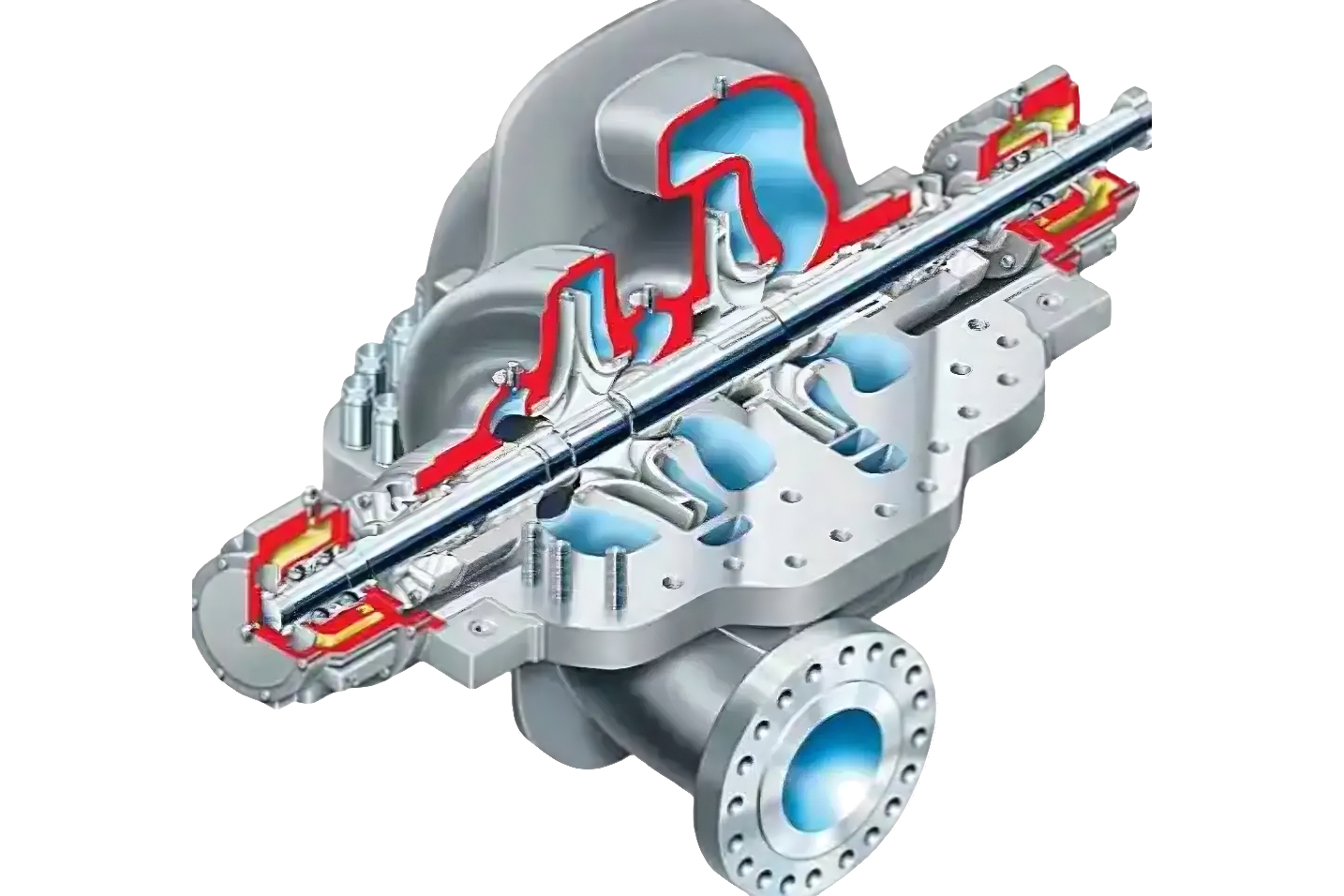
1. API 610 Centrifugal Crude Oil Pump


The API 610 standard centrifugal pump is the most widely used crude oil transfer pump in oilfields, refineries and long‑distance pipelines. It is specially designed for harsh oil‑gas industry working conditions and serves as core equipment for light‑ and medium‑crude‑oil transportation.


Core advantages: High flow capacity, stable operation and low pulsation, suitable for long‑distance pipeline transportation; compact structure, convenient installation, simple daily maintenance; compatible with explosion‑proof configurations, strong sealing performance and high safety; capable of long‑term continuous operation, suitable for large‑scale industrial transportation scenarios.


Main disadvantages: Poor adaptability to high‑viscosity working conditions; efficiency drops drastically when transporting heavy crude oil / heavy oil; mediocre resistance to impurity wear; high‑sediment crude oil accelerates wear of impellers and pump casings.


Application scenarios: Transportation of light and medium crude oil; oilfield gathering stations, refinery feedstock delivery, long‑distance crude oil pipelines, working conditions with low‑impurity crude oil.


Supplementary note: If centrifugal pumps are used for heavy crude oil transportation, a heating system may be deployed to reduce crude oil viscosity and improve pump operating efficiency.


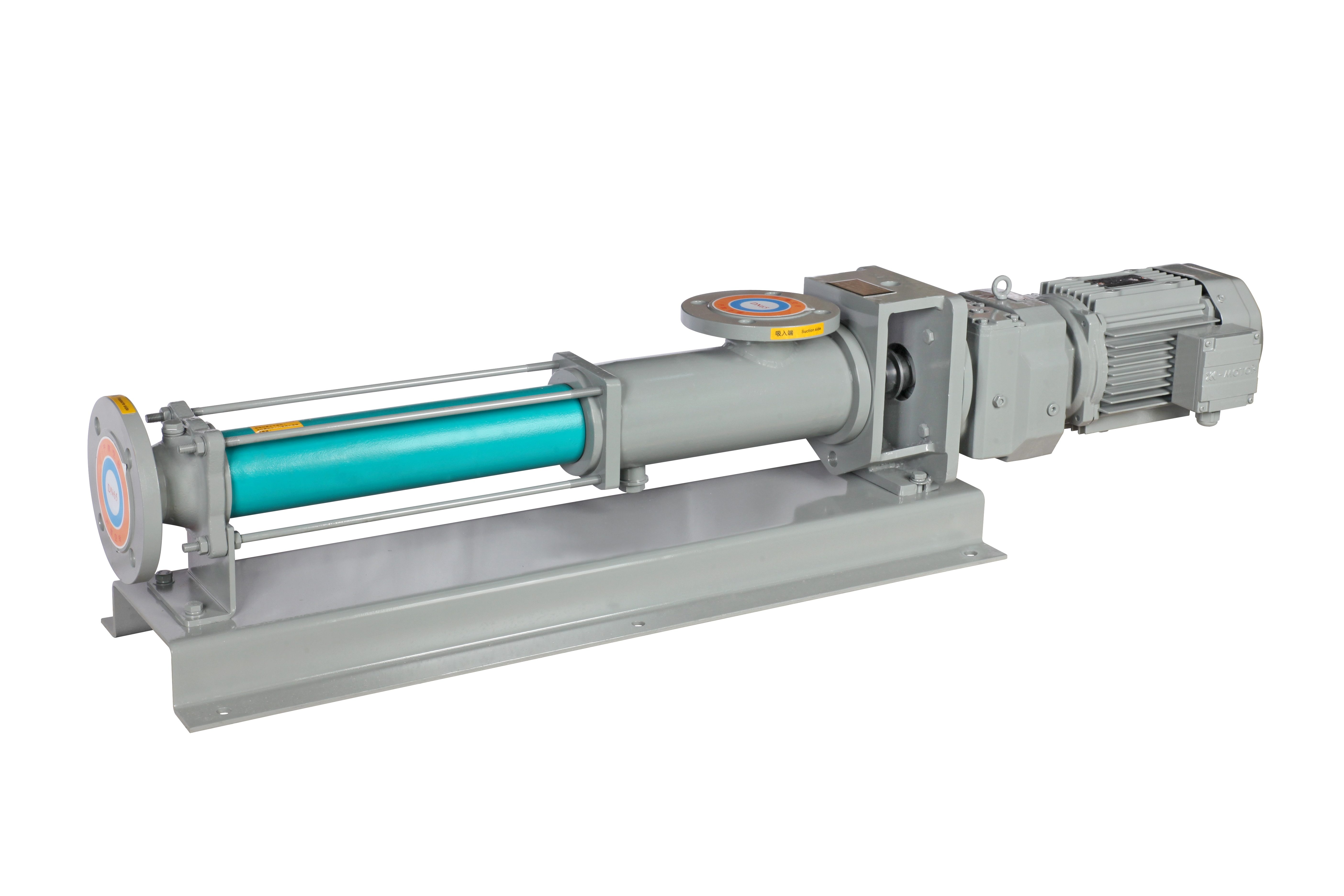
2. Triple‑Screw Pump

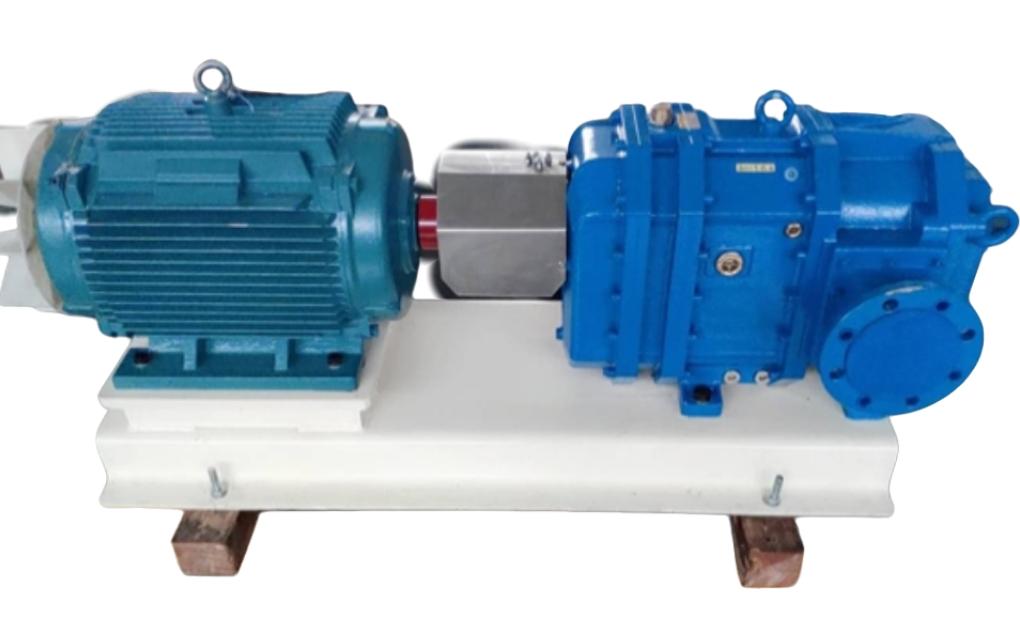
Screw Pumps

As a positive‑displacement pump, the triple‑screw pump is a special pump type for heavy crude oil, heavy oil and high‑viscosity crude oil transportation, perfectly addressing the poor performance of centrifugal pumps for high‑viscosity media.


Core advantages: Excellent viscosity adaptability, stable transportation for both low‑ and high‑viscosity crude oil; flow rate barely affected by medium viscosity; smooth operation without pulsation, excellent self‑priming performance; tolerates small fine‑particle impurities and resists clogging.


Main disadvantages: Inferior high‑flow capacity compared with centrifugal pumps, not suitable for main transportation in ultra‑large pipelines; rotor wear accelerates when crude oil contains abundant coarse sediment impurities.


Application scenarios: Transportation of heavy crude oil, heavy oil and high‑viscosity crude oil; oil depot loading/unloading, short‑distance transfer, tank‑to‑tank transfer and other medium‑and‑low‑flow‑rate working conditions.


3. Gear Pump


Featuring simple structure and cost‑effectiveness, the gear pump is a common pump for small‑scale auxiliary crude oil transportation and belongs to an economical positive‑displacement pump.


**Core advantages**: Low cost, compact size, good self‑priming performance, compatible with medium‑to‑high‑viscosity crude oil, flexible installation and operation.


**Main disadvantages**: Poor wear resistance; coarse sediment in crude oil readily abrades gears; limited flow rate, unable to satisfy transportation demands of large‑scale projects.


**Application scenarios**: Small‑flow crude oil transportation and crude oil replenishment for small‑scale oil stations, laboratories and auxiliary pipelines.


4. Reciprocating Plunger Pump


The plunger pump features outstanding high‑pressure delivery performance and serves as a niche special‑purpose pump for specific crude oil working conditions.


Core advantages: Extremely high pressure‑bearing capacity, stable operation under high‑pressure conditions, adaptable to extra‑heavy oil and high‑resistance pipeline transportation.


Main disadvantages: Large flow pulsation, high noise, complex structure, high maintenance costs, incapable of large‑flow continuous operation.


Application scenarios: Small‑flow high‑pressure crude oil injection, special heavy‑oil production transportation, high‑pressure tests and other niche working conditions.


III. Quick‑Selection Reference Table: How to Select Pumps for Different Crude Oil Working Conditions


  • Large‑flow pipelines, light / medium crude oil, main transportation for refineries: API 610 centrifugal crude oil pump
  • Heavy crude oil / heavy oil / high‑viscosity crude oil, oil depot loading‑unloading, short‑range tank transfer: triple‑screw pump
  • Small‑scale working conditions, limited budget, small‑flow auxiliary transportation: gear pump
  • High‑pressure small‑flow, special extra‑heavy‑oil transportation working conditions: reciprocating plunger pump


IV. Common Pitfalls in Crude Oil Pump Selection to Avoid Risks


  •  Only focusing on flow rate and head while ignoring viscosity: Many users blindly select centrifugal pumps for unheated heavy crude oil transportation, resulting in extremely low pump efficiency, soaring energy consumption and insufficient output capacity.
  •  Neglecting wear induced by impurities: Failure to select wear‑resistant pumps for sediment‑bearing crude oil causes rapid wear of impellers and rotors, frequent equipment failures and shortened service life.
  •  Ignoring explosion‑proof and sealing standards: Crude oil is flammable and explosive. Ordinary pumps with poor sealing and no explosion‑proof configurations may suffer medium leakage and trigger safety accidents.


V. Summary


There is no one-size-fits-all crude oil transfer pump — selection must match medium characteristics and working conditions:

Light/medium crude, large-scale transport → API 610 centrifugal pumps for balanced efficiency, stability and cost

Heavy, high-viscosity crude → Triple-screw pumps, far superior in adaptability

Small-scale auxiliary use → Gear pumps

High-pressure special conditions → Plunger pumps

Accurately matching viscosity, impurity content, flow-pressure parameters and safety standards ensures efficient, stable and durable operation of oil-gas transportation systems.

For customized procurement, technical inquiries, samples, pricing or bulk-order solutions, contact our TEFFIKO team to discuss your application and find the right solution.


Related News
Leave me a message
  • BACK TO ATHENA GROUP
  • X
    We use cookies to offer you a better browsing experience, analyze site traffic and personalize content. By using this site, you agree to our use of cookies.Privacy Policy