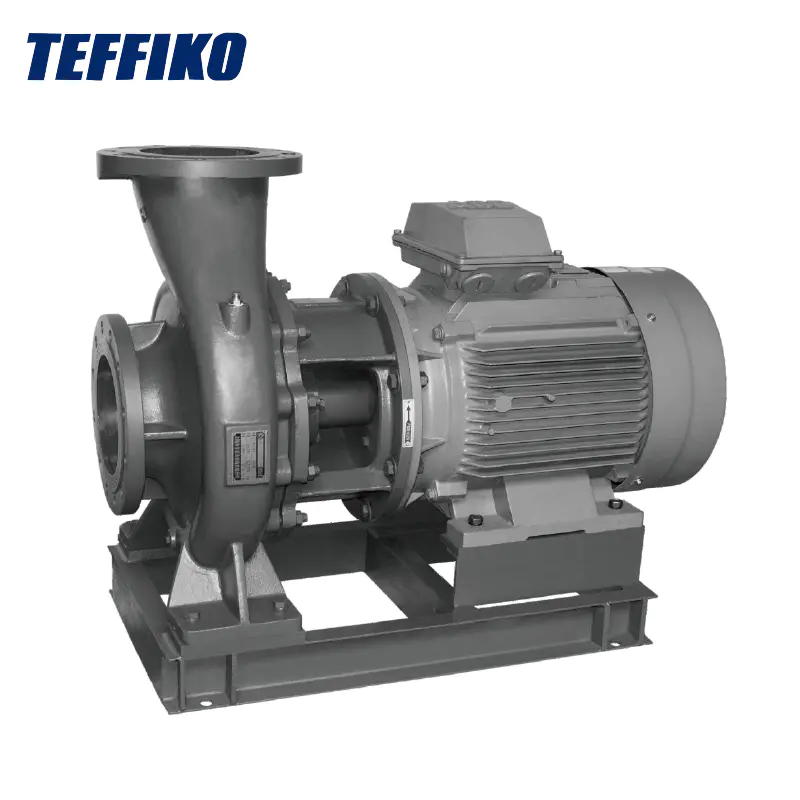
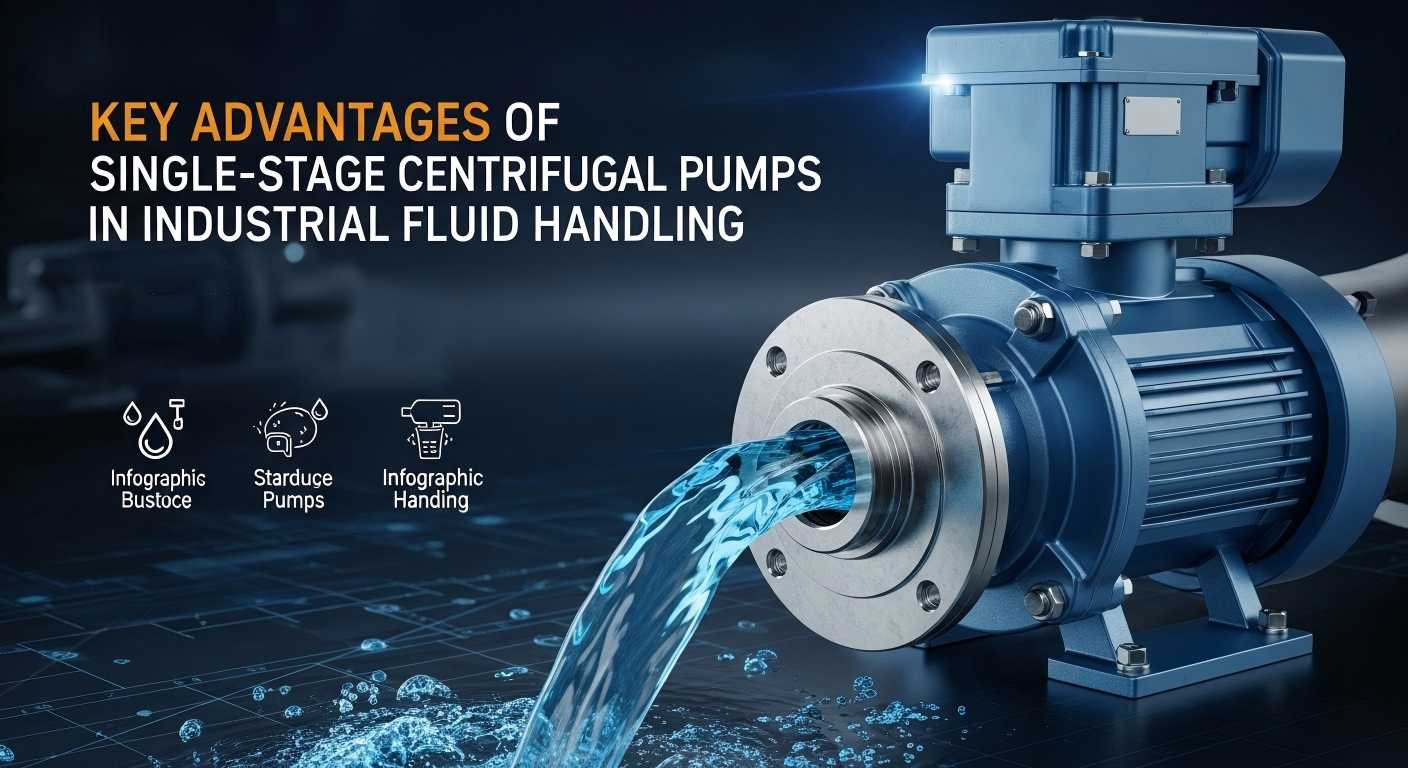
Single‑stage centrifugal pumps are widely applied in industrial water supply, building water supply and drainage, as well as farmland irrigation. Teffiko single‑stage centrifugal pumps are commonly used in various water‑conveying scenarios. Many users encounter problems such as normal pump operation yet no water output, unstable water flow, abnormal pump noise and vibration. Most of these issues stem from air blockage caused by accumulated air inside the pump or inadequate priming.
Single‑stage centrifugal pumps rely on impeller water discharge to generate vacuum negative pressure for water suction. Except for self‑priming pumps and submersible pumps, ordinary single‑stage centrifugal pumps suffer water backflow after shutdown, allowing air to enter the pump chamber and pipelines. If priming and air venting are not completed before startup, the impeller will merely idle without drawing water. Long‑term air‑laden operation will result in cavitation, impeller wear, mechanical seal burnout and shortened service life of equipment. The correct operating methods for water priming and air venting are illustrated below.
I. Two Core Principles of Water Priming and Air Venting for Single‑stage Centrifugal Pumps
Water filling and air venting of single‑stage centrifugal pumps fall into two core principles suitable for different working conditions:
1. Water‑injection Air Venting: Open the air‑vent hole and inject water into the pump to displace air with water. Seal the pump body to create conditions for negative‑pressure water suction. This is the most commonly‑adopted method for small‑sized water pumps.
2. Vacuum Priming: Close the outlet gate valve, extract air from the pump to build vacuum degree, and force water source into the pump body under atmospheric pressure. This method is mostly used for large‑scale industrial water pumps.
II. Three Common Methods for Water Priming and Air Venting of Single‑stage Centrifugal Pumps
1. Water Filling through Inlet and Outlet Valves
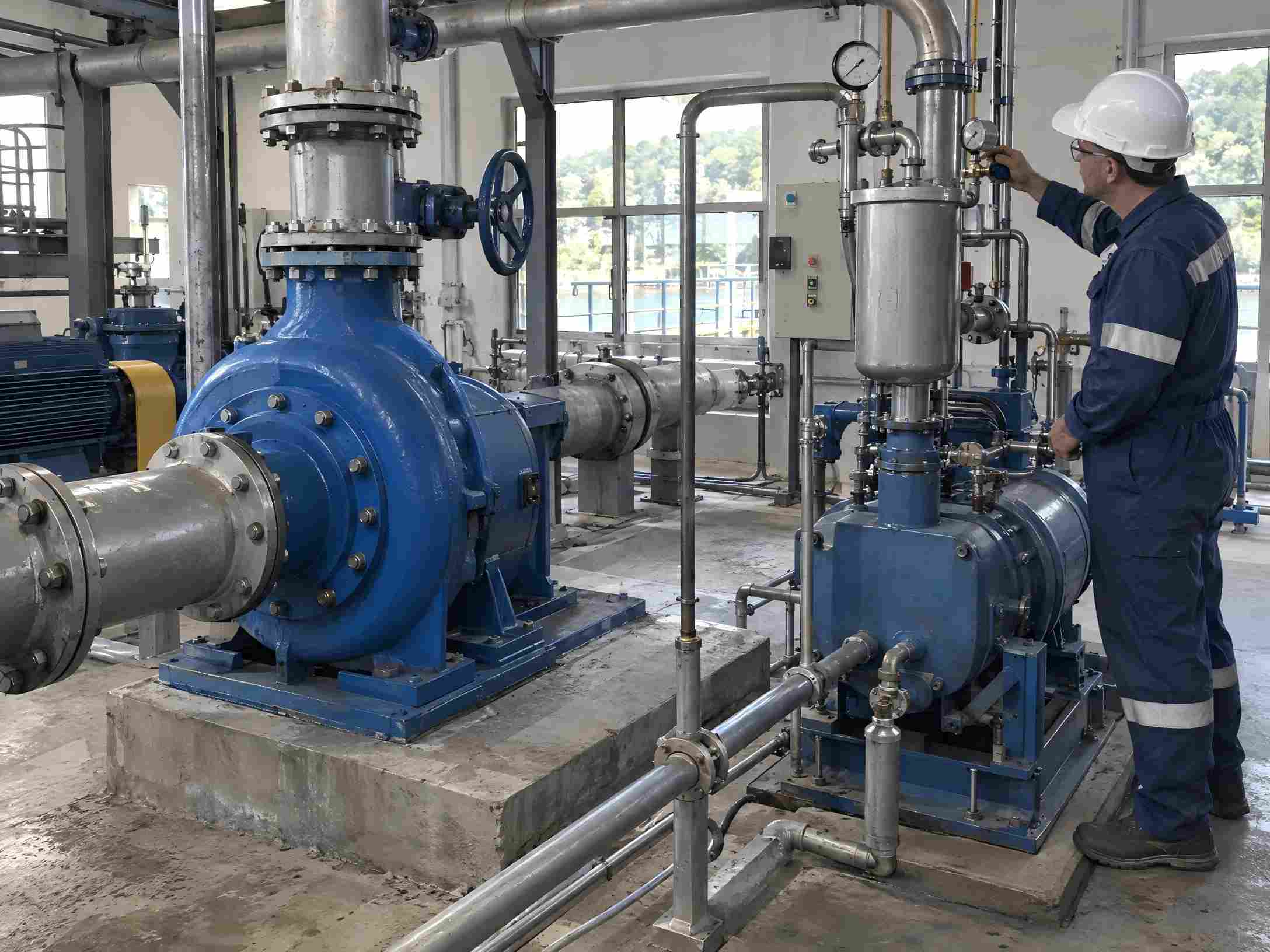
This method applies to most small‑sized single‑stage centrifugal pumps. First power off and shut down the pump, close the outlet gate valve, open the top pump air‑vent plug and the water‑filling valve on the suction pipeline. Connect an external water pipe and inject water slowly into the pump body. Avoid excessive water flow rate, which may block the air‑vent port and leave residual air. When water continuously overflows from the air‑vent port without air bubbles, air has been fully expelled. Tighten the plug, close the water‑filling valve, start the pump and slowly open the outlet valve for normal water supply.
2. Auxiliary Water Filling via Hand‑operated Pump
Centrifugal pumps with built‑in or retrofitted hand‑operated pumps are suitable for scenarios without fixed water sources for filling. Before operation, close the inlet gate valve, pour a small amount of clean water into the hand‑operated pump, and press the handle repeatedly to manually extract air from the pump chamber and build negative pressure for priming. When continuous bubble‑free water flows out of the hand‑operated pump, the pump body and pipelines are fully filled with water. Then start the main pump and open valves for operation.
3. Air Venting and Water Filling with Vacuum Equipment
High‑flow, high‑lift industrial single‑stage centrifugal pumps adopt water‑ring vacuum pumps for priming. Close the outlet gate valve during operation, start the vacuum pump to extract internal pump air and rapidly establish stable vacuum so that the water source fills the pump chamber automatically. After vacuum degree stabilizes, shut down the vacuum pump and seal the connections. Start the main pump and open valves gradually. This approach delivers stable water supply and thorough air venting, suited for long‑term continuous operation.
III. General Standard Procedures for Water Priming and Air Venting
Regardless of the adopted method, follow the standard workflow: shut down power supply and relieve pump pressure → close the outlet gate valve → perform water filling and air venting via corresponding methods → tighten plugs and valves upon disappearance of air bubbles → start pump for low‑speed trial run and open valves slowly. Standardized operations can completely eliminate air blockage.
IV. Common Operational Misconceptions
Rapid water injection tends to leave residual air; water filling with the outlet valve open will lead to failed water retention; air leaks from plug gaskets and pipeline joints cause repeated air ingress. Inspect sealing fittings regularly in daily maintenance to prevent frequent air‑blockage faults.
Summary
The core of water priming and air venting for single‑stage centrifugal pumps lies in fully removing air from pipelines and pump chambers and forming a sealed vacuum environment. Small‑sized pumps apply valve water filling or hand‑pump priming, while large‑scale industrial pumps prioritize vacuum‑pump air venting. Standardized operations can resolve no‑water‑output and water‑flow‑fluctuation issues of Teffiko centrifugal pumps, mitigate cavitation damage and effectively extend pump service life. To access more technical parameters and operation‑maintenance solutions for Teffiko centrifugal pumps, please visit the official website:【https://www.teffiko.com】
We use cookies to offer you a better browsing experience, analyze site traffic and personalize content. By using this site, you agree to our use of cookies. Privacy Policy