Athena Engineering S.r.l.
News

Common Faults and Treatment Methods of Multistage Pumps

2026-09-30 0 Leave me a message

Multistage pumps are core high‑pressure conveying equipment for industrial pressurization, boiler water supply, high‑rise building water supply and mine water conveyance. During long‑term operation, affected by installation deviation, pipeline air leakage, medium blockage, component wear, insufficient lubrication and other factors, faults such as no water output, insufficient flow and pressure, vibration and abnormal noise, motor overload and over‑heated bearings tend to occur. This paper summarizes the most typical fault phenomena, causes and standard treatment methods of multistage pumps. The content is concise and practical, suitable for rapid on‑site troubleshooting and daily operation and maintenance reference.

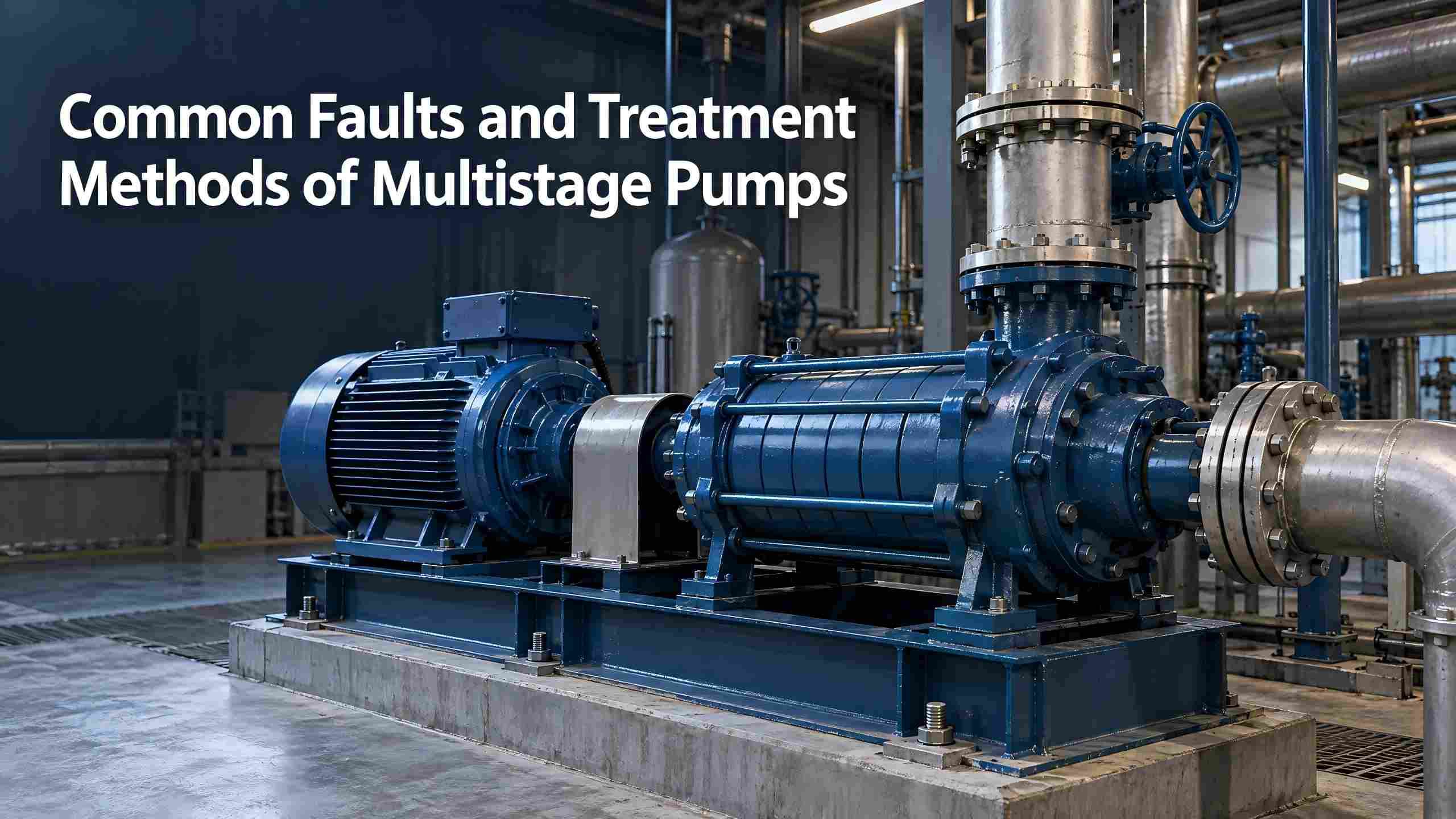
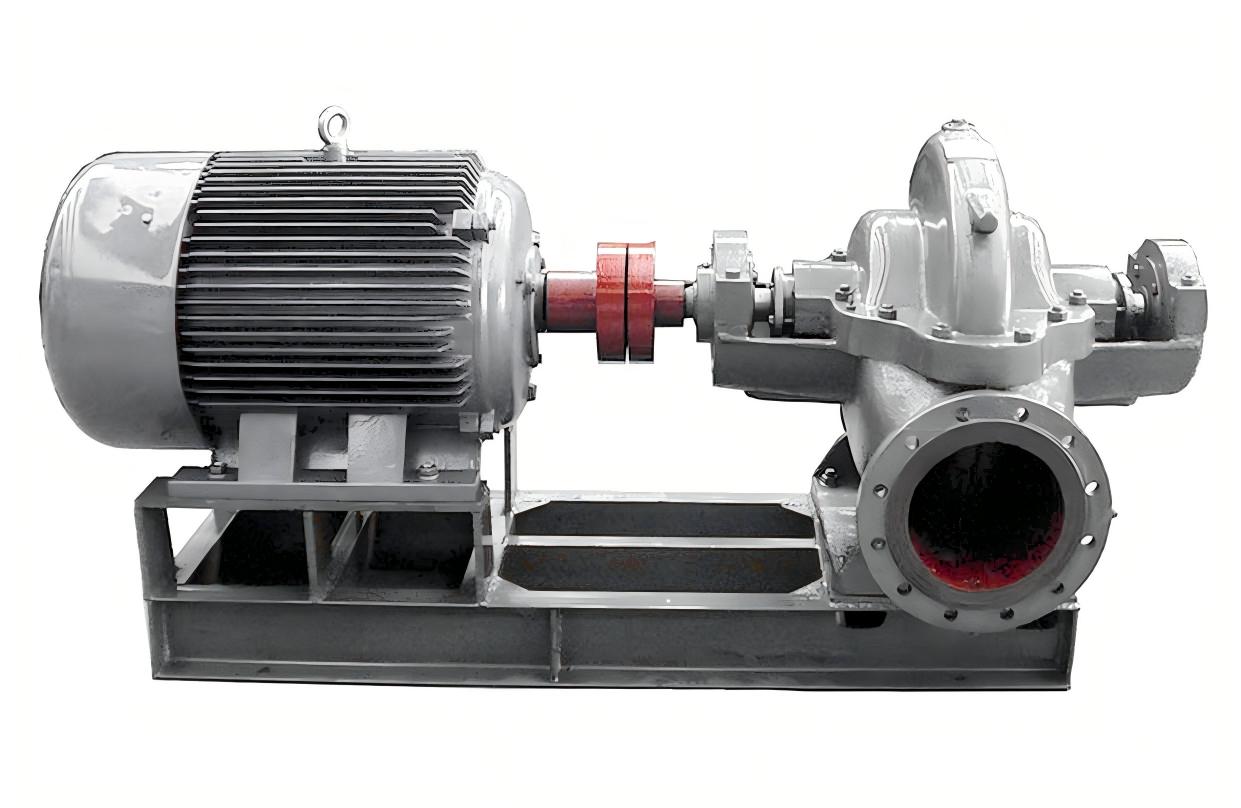
Industrial multistage pump system

I. Multistage Pump Delivers No Water


Fault Causes: The pump body and suction pipe are not filled with priming water; the suction pipe is damaged and air‑leaking; the foot valve fails to maintain pressure; the dynamic water level drops below the strainer pipe, exposing the water suction port.


Treatment Methods: Repair or replace the foot valve, refill priming water and completely exhaust air inside the pump body; repair or replace the damaged suction pipe; lower the installation height of the water pump to ensure the strainer pipe is fully submerged below the dynamic water level so as to eliminate the problem of no‑water output caused by dry running.


II. Insufficient Flow and Low Water Output


Fault Causes: Air leakage in the suction pipe and foot valve; blockage at the water inlet and filter screen; insufficient submergence depth of the foot valve (less than 1.5 times the diameter of the water inlet pipe); low rotating speed; internal leakage caused by wear of impellers and sealing rings; excessive suction lift.


Treatment Methods: Inspect and seal air‑leaking points of pipelines; clear silt and debris at the water inlet; increase the submergence depth of the foot valve; stabilize power‑supply voltage to guarantee rated rotating speed; replace severely worn impellers and sealing rings; lower the installation height. For equipment operating beyond working conditions, replace it with a multistage pump with suitable head.


III. Excessive Power Consumption and Motor Overload


Fault Causes: Excessive operating rotating speed; bent main shaft of the pump; misalignment between the main shafts of the pump and motor; mismatched pump head for selected model; blockage by sediment sucked into the interior; excessive resistance due to damaged motor bearings.


Treatment Methods: Adjust voltage down to the rated rotating speed; straighten the bent main shaft and recalibrate the coaxiality between pump and motor; replace the model with head matching working conditions; clear sediment and debris inside the pump; replace damaged motor ball bearings to reduce operating load.


## IV. Severe Pump‑body Vibration and Abnormal Noise


Fault Causes: Unsecured equipment installation; unreasonable installation height; damaged motor bearings; bent main shaft and poor alignment; unbalanced or blocked impeller; impact abnormal noise caused by pump cavitation.


Treatment Methods: Reinforce the equipment base and tighten fixing bolts; adjust to a reasonable installation height; replace aged and damaged bearings; straighten the main shaft and achieve precise alignment; clear debris from impellers and replace unbalanced components; optimize water‑inlet working conditions to eliminate hidden dangers of cavitation‑induced vibration.


V. Over‑heated Bearings with High Temperature


Fault Causes: Oil shortage of bearings; deteriorated or mismatched lubricating grease; damaged and worn bearings; large misalignment of shafting resulting in eccentric stress.


Treatment Methods: Remove old grease and inject suitable high‑temperature‑resistant lubricating grease; replace cracked and worn bearings; calibrate coaxiality regularly to avoid frictional overheating of bearings under long‑term eccentric force.


VI. Insufficient Discharge Pressure and Inadequate Head


Fault Causes: Internal leakage from worn impeller sealing rings; air resistance caused by accumulated gas inside the pump; pressure relief due to blocked outlet pipeline; slight cavitation triggered by high‑temperature and gas‑bearing medium.


Treatment Methods: Open the exhaust valve to discharge accumulated gas and ensure full‑liquid operation; replace worn components to reduce internal leakage; unclog the outlet pipeline and standardize valve opening; control medium temperature and stabilize inlet pressure to prevent cavitation.


VII. Mechanical Seal Water Leakage


Fault Causes: Worn and aged seal end faces; fatigue failure of springs; seal faces scratched by medium impurities; excessive axial movement of the pump shaft.


Treatment Methods: For slight leakage, simply clear impurities on end faces; for severe water leakage, replace the complete set of mechanical seals; optimize water‑inlet filtration and adjust bearing clearance to control axial movement of the pump shaft.


Daily Preventive Maintenance Points    


Most faults of multistage pumps can be avoided through daily maintenance. Before startup, fill priming water, exhaust air and check pipeline tightness; clean the water‑inlet filter screen every week to prevent blockage; replace bearing lubricating grease periodically; calibrate equipment alignment every six months; prohibit long‑term over‑load and over‑speed operation; drain accumulated water after shutdown to prevent frost cracking and corrosion.


Summary


Common faults of multistage pumps are manifested in seven specific phenomena: no water output, insufficient flow, excessive power consumption, severe vibration and abnormal noise, overheated bearings, insufficient discharge pressure, and mechanical seal leakage. These phenomena mainly stem from five root causes: air leakage and blockage, component wear, poor installation alignment, lubrication failure and mismatched working conditions. During operation and maintenance, locate causes rapidly according to fault phenomena and conduct targeted repairs. Adhering to preventive maintenance as well as standardized installation and operating conditions can greatly reduce failure rates, extend service life of multistage pumps and ensure stable and efficient equipment operation. For more pump‑related technical resources, please visit the brand official website: [www.teffiko.com].


Related News
Leave me a message
  • BACK TO ATHENA GROUP
  • X
    We use cookies to offer you a better browsing experience, analyze site traffic and personalize content. By using this site, you agree to our use of cookies. Privacy Policy
    RejectAccept