Athena Engineering S.r.l.
News

Complete Guide to API 685 Seal‑Less Centrifugal Pump Standard

2026-11-04 0 Leave me a message

API 685 is the only standard within the API system specifically governing seal‑less centrifugal pumps. Its current edition is the 3rd Edition, July 2022. It covers two categories: magnetic‑drive pumps and canned‑motor pumps.


Why pay attention to it? Anyone with long‑term industry experience will be familiar with two troublesome scenarios. One is waiting for mechanical seal spare‑parts to arrive: the unit cannot be shut down, maintenance crews modify flush plans around the seal chamber, while procurement chases logistics over the phone. The other is worse: awaiting rectification notices from the safety, health and environment (SHE) department. When process fluid leaks across seal faces, detected by patrol operators or instruments, consequences follow including leak classification, rectification work and plant‑wide circular notices.


Both scenarios stem from one root cause: the mechanical seal is one of the most vulnerable components across the plant. Face wear, failed flush arrangements and auxiliary system malfunctions — failure of any one component makes leakage a matter of time. Requirements for zero‑leakage when handling highly toxic, flammable or high‑purity media have brought seal‑less pumps to prominence.


Key Highlights


  •  API 685 Current 3rd Edition (July 2022), covers single‑stage overhung seal‑less centrifugal pumps: Magnetic‑Drive Pumps (MDP) and Canned‑Motor Pumps (CMP)
  •  API 610 governs conventional centrifugal pumps fitted with mechanical seals; API 685 addresses seal‑less designs; ASME B73.3 emphasizes cross‑vendor dimensional interchangeability; ISO 15783 is the international specification for seal‑less pumps (2nd Edition, May 2026)
  •  Requirements focus on four blocks: design, materials, testing, documentation and traceability
  •  Selection shall first consider medium hazard classification and environmental compliance constraints, followed by whole‑life‑cycle cost evaluation. Magnetic‑drive pumps and canned‑motor pumps each feature trade‑offs in temperature resistance, efficiency and particle tolerance.


I. What is API 685: Standard Scope and Application Boundaries


Published by the American Petroleum Institute (API) and maintained by its SOME Subcommittee (Subcommittee on Mechanical Equipment), this standard shares the same lineage as API 610 and API 682.


Edition history: 1st Edition 2000; 2nd Edition 2011; 3rd Edition July 2022.


Three keywords define its scope: single‑stage, overhung, seal‑less, covering Magnetic‑Drive Pumps (MDP) and Canned‑Motor Pumps (CMP). Chapters 2‑8 and Chapter 10 contain general requirements applicable to both pump types; Chapter 9 comprises two sub‑sections specifying unique requirements for each pump category.


Its industry scope targets petroleum, heavy‑duty petrochemical and natural‑gas process service; it is not a general‑purpose standard for chemical workshops.


It complements API 610. API 610 (12th Edition, January 2021) covers three pump families OH, BB and VS for centrifugal pumps with mechanical seals; the seal‑less segment is addressed by API 685. The two standards follow consistent frameworks for procurement, testing philosophy and documentation requirements, yet differ completely with respect to sealing configuration, bearing lubrication and monitoring priorities.


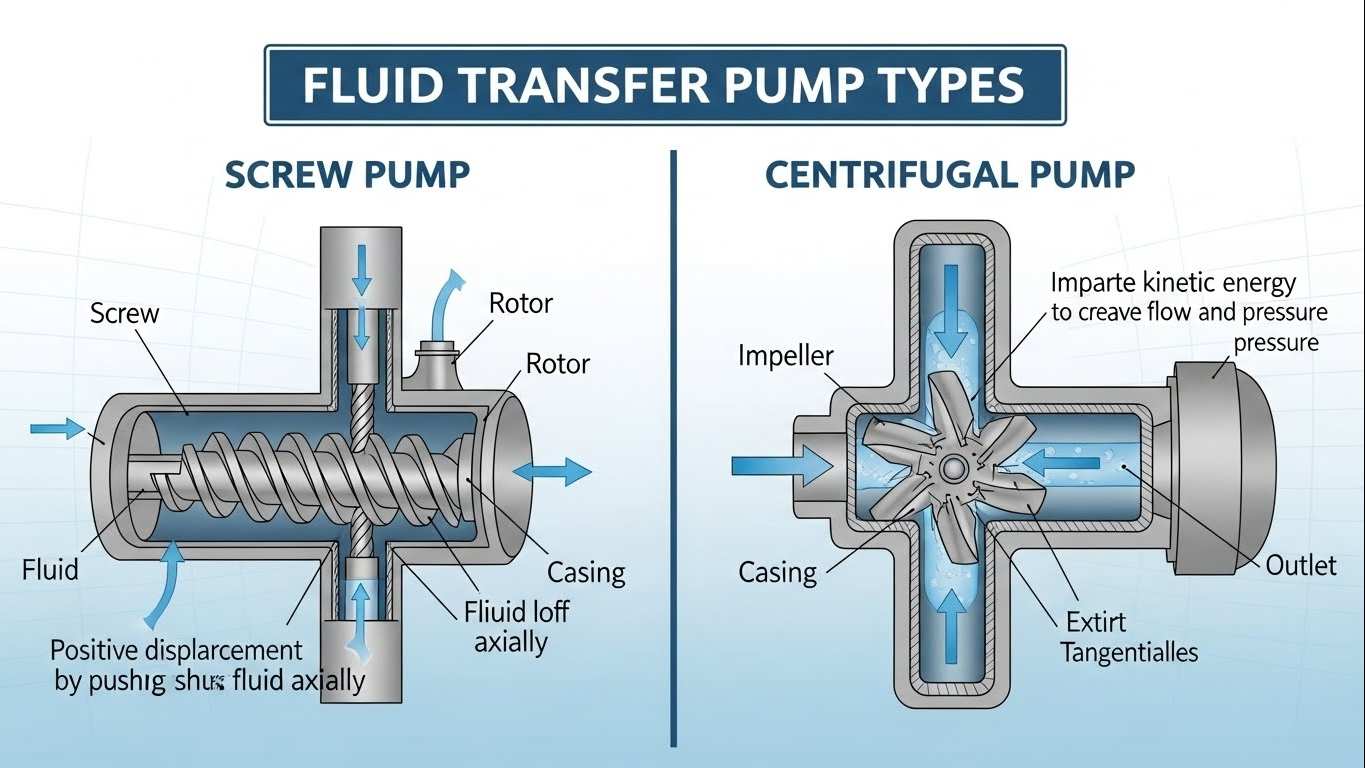
Boundary notes: Multi‑stage seal‑less pumps fall outside mandatory coverage. Similarly, seal‑less positive‑displacement pumps (e.g. screw pumps, covered by API 676) are excluded. Verify pump type and stage count prior to referencing this standard.


II. Comparison of Four Standards

Dimension API 685 API 610 ASME B73.3 ISO 15783
Issuing Body API API ASME ISO
Pump Type Coverage Single‑stage overhung seal‑less centrifugal pumps Centrifugal pumps with mechanical seals Seal‑less pumps (metallic and plastic‑lined) Seal‑less rotodynamic pumps
Current Edition 3rd Edition, July 2022 12th Edition, January 2021 June 2022 2nd Edition, May 2026
Industry Application Petroleum, heavy‑duty petrochemical, natural gas Petroleum, heavy‑duty petrochemical, natural gas Chemical process service Chemical process, water treatment, petrochemical
Dimensional Interchangeability No mandatory requirement No mandatory requirement Core requirement No mandatory requirement
Testing Requirements Hydrostatic, performance, NPSH, mechanical run‑test Hydrostatic, performance, NPSH; mechanical run‑test for high‑energy pumps Primarily hydrostatic and performance tests Test items subject to purchaser‑vendor agreement


How to use this table: three judgement criteria.


1. For heavy‑duty petrochemical service, API 685 is preferred. It embeds default design, testing and documentation requirements for heavy‑duty high‑hazard service and provides audit‑able acceptance criteria.

2. For chemical plants with budget constraints and priority for spare‑part interchangeability, ASME B73.3 is suitable. Pumps of identical designation can be replaced by alternative suppliers. The trade‑off is that heavy‑duty parameters require case‑by‑case evaluation.

3. For international projects with European‑based owners, ISO 15783 will be encountered. Note the revision: the 2nd Edition was released May 2026 superseding the 2002 1st Edition; always cite the year in normative references. Standards are not mutually exclusive. Mixed specification writing is common practice; critical is explicit definition of each item within data sheets.


III. Four Core Standard Requirements for Pumps


Seal‑less pumps eliminate the mechanical seal from construction, which imposes higher demands on other systems.


Design

Rotor dynamics (critical speeds, vibration limits) constitute fundamental requirements. Bearings are lubricated and cooled by the pumped fluid, most commonly plain bearings susceptible to particle contamination and temporary loss of liquid feed. Containment shells and pressure housings form pressure boundaries responsible for zero‑leakage performance while influencing magnetic‑circuit efficiency. Magnetic‑circuit design must simultaneously address magnet temperature rating and eddy‑current heat generation.


Materials

Material selection shall be performed item‑by‑item against process‑fluid corrosion characteristics with documented justification. Non‑destructive examination for pressure‑containing cast housings follows consistent practice across API pump standards. Sound procurement practice is to specify fluid composition, concentration and temperature within data sheets and obtain written material‑selection justification and certification from the vendor.


Testing

Testing generally comprises four items: casing hydrostatic test, performance test (flow‑head‑power‑efficiency), NPSH test and mechanical run‑test. For seal‑less pumps, measured data including magnetic‑drive efficiency, eddy‑current losses and bearing temperature rise shall also be reviewed.


Documentation and Traceability

Data sheets, Material Test Reports (MTR), inspection and test records, and certificates of conformance are all mandatory. Traceability shall be maintained across materials, testing and manufacturing processes for failure investigation purposes.


IV. Service Conditions Justifying Seal‑Less Pump Selection


Do not start by reviewing quotations when selecting seal‑less pumps.


Fluid hazard classification

Four service categories mandate zero‑leakage requirements: highly toxic media, flammable‑explosive media, environmentally sensitive emission zones, and high‑purity or sterile media. Where fluid leakage cannot be tolerated, the "controlled‑leakage" philosophy for mechanical seals becomes invalid, and seal‑less pumps transition from optional to mandatory equipment.


Environmental regulations

VOC fugitive‑emission controls grow increasingly stringent. LDAR (Leak Detection and Repair) registers and plant‑boundary emission limits increase the implicit cost of mechanical‑seal solutions. Also consider associated mechanical‑seal auxiliary hardware: flush, buffer, quench and support systems all represent cost items.


Total Cost of Ownership (TCO)

Seal‑less pumps generally incur higher initial purchase cost compared to sealed alternatives, yet deliver savings through elimination of seal components, auxiliary systems, replacement labour and process‑unit downtime windows. Conversely, seal‑less pumps exhibit narrow operating margins: particulate contamination, cavitation, dry‑running and over‑temperature directly damage bearings and permanent magnets.


The scenario described below is a composite of common procurement pitfalls and does not represent any specific project. Zhou, an equipment engineer with more than ten years’ experience, once selected the lowest‑bid proposal for magnetic‑drive pumps where tender documents only stated "satisfies service conditions". No review of operating margins was performed: minor particulate content in the process fluid abraded plain bearings, while magnets operated persistently close to their maximum temperature rating. Within one year, sequential failures occurred including demagnetisation, bearing wear and containment‑shell overheating. These risks should have been identified prior to shipment had standard‑compliant design conditions, material justification and test records been contractually specified. Low tender value saves upfront capital; adherence to standards protects full‑lifecycle performance.


Magnetic‑drive versus canned‑motor pumps: neither technology holds absolute superiority. Magnetic‑drive pumps offer flexible configuration and independent maintenance, yet permanent‑magnet temperature limits are hard constraints and containment‑shell eddy currents reduce efficiency. Canned‑motor pumps provide compact footprint without exposed couplings, yet motor efficiency suffers from can‑shield losses and cooling depends upon pumped‑fluid properties.


V. Known Shortcomings of Magnetic‑Drive Pumps and Standard Mitigations


This section addresses standard preventive measures rather than field repair procedures.


Demagnetisation

Exceeding magnet temperature ratings causes magnetic degradation and loss of transmitted torque. Standard mitigation: formal documentation of temperature class, magnet material and operating envelope together with associated temperature monitoring.


Containment‑shell failure

Combination of abrasion, corrosion and eddy‑current overheating can rupture the containment shell, simultaneously breaching pressure boundaries and magnetic circuits. Standard mitigation: incorporate material specification, wall‑thickness design and eddy‑loss calculations within design activities rather than relying on post‑failure replacement.


Plain bearings operate on process‑fluid lubrication. Solid particles act as abrasives, while cavitation directly impairs impellers and bearings. Standard mitigation: NPSH validation, minimum continuous stable flow, wear‑resistant bearing materials plus inlet filtration and magnetic separation provisions.


Bearing burnout can occur rapidly upon loss of process‑fluid lubrication. Standard mitigation: minimum‑flow protective interlocks, dry‑run alarm and trip logic, bearing‑temperature monitoring, and explicit documentation of "pump not permitted for dry‑running" within control philosophies.


General technical articles describe these failures using "symptom‑cause‑remedy" frameworks. Within standard specifications, they are addressed via "requirement‑verification‑documentation". Repair capability reflects operational competence; proactive risk mitigation defines sound equipment management.


VI. API 685 Frequently Asked Questions (FAQ)


What is the difference between API 685 and API 610?

API 685 applies exclusively to seal‑less centrifugal pumps; API 610 governs conventional centrifugal pumps fitted with mechanical seals covering OH, BB and VS pump families (current 12th Edition 2021). API 685 covers only single‑stage overhung seal‑less pumps subdivided into magnetic‑drive and canned‑motor types (current 3rd Edition 2022). Significant differences exist in sealing arrangement, bearing lubrication and monitoring priorities. These standards shall not be conflated within tender specifications.


Must seal‑less pumps use magnetic‑drive construction?

No. This standard addresses two principal pump categories: magnetic‑drive pumps and canned‑motor pumps. Magnetic‑drive pumps transmit torque contact‑free via inner and outer permanent‑magnet assemblies. Canned‑motor pumps integrate motor and pump construction; stator windings are isolated by a non‑metallic or metallic can shield, and the rotor runs immersed within process fluid. Selection is determined by temperature, pressure, particulate loading and maintenance access conditions.


What process fluids are suitable for API 685‑compliant pumps?

Its principal value applies to highly‑toxic, flammable, environmentally‑sensitive and high‑purity fluids where leakage consequences are unacceptable. Conversely, seal‑less pumps are not well‑suited to services with hard solid particles, high viscosity or severe cavitation risk. Submit complete process‑fluid data for vendor review for uncertain applications.


Why reference standards instead of evaluating price alone for seal‑less pump procurement?

Standards translate reliability into auditable contractual language: design requirements, material justifications, test programmes and document checklists can each be formally verified. Without test records and material certification, the root cause of low pricing cannot be assessed.


VII. Teffiko Seal‑Less Pump Solution


Teffiko is an industrial pump brand belonging to Athena Engineering S.r.l., Italy. Its product portfolio includes API centrifugal pumps (main OH and BB configurations), single‑ / double‑ / triple‑screw pumps, chemical pumps (fluoroplastic‑lined) and magnetic‑drive pumps. When executing seal‑less‑pump engineering per standards, conformance is not merely a nameplate marking but a complete workflow spanning material selection, testing and documentation.


Three application pathways aligned with service requirements:


  •  For general zero‑leakage service: refer to magnetic‑drive pump series product documentation
  •  For strongly corrosive media: refer to fluoroplastic‑lined magnetic‑drive pump product documentation
  •  For combined corrosion and wear resistance or elevated‑temperature service: refer to fluoroplastic‑lined corrosion‑resistant magnetic‑drive pumps


Unsure about selection? Forward process‑fluid parameters, temperature, pressure plus flow‑head requirements to the technical team for gap analysis between service conditions and standard provisions.


Conclusion


Selecting seal‑less pumps essentially means selecting improved operational reliability: stable plant performance without waiting for spare‑part deliveries or SHE‑department rectification notices.


Retain three key take‑aways.


1. API 685 is the sole API‑family standard dedicated to seal‑less centrifugal pumps. Current release: 3rd Edition, July 2022 covering single‑stage overhung magnetic‑drive and canned‑motor pumps.

2. It complements API 610 while dividing scope with ASME B73.3 and ISO 15783.

3. Its value resides not solely within clause text but in translating reliability into contractual deliverables: design requirements, material justification, test programmes and document checklists, each subject to audit.


Standards do not make engineering decisions for you, yet they ensure every decision is traceable and justified. Next action: open your pump‑selection data sheet and cross‑check against the four requirement blocks from Section III, completing any missing entries.


Related News
Leave me a message
  • BACK TO ATHENA GROUP
  • X
    We use cookies to offer you a better browsing experience, analyze site traffic and personalize content. By using this site, you agree to our use of cookies. Privacy Policy
    RejectAccept