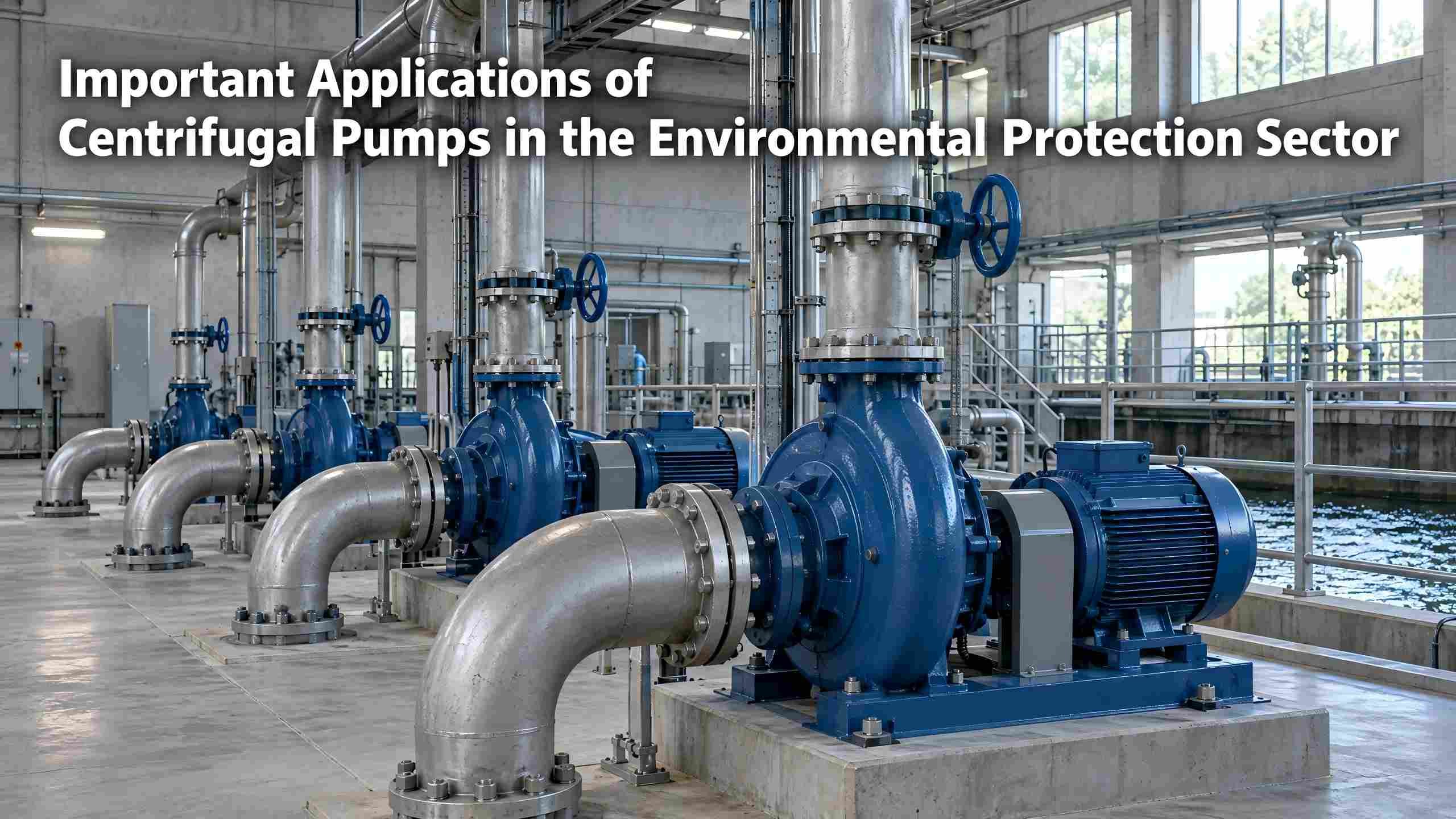
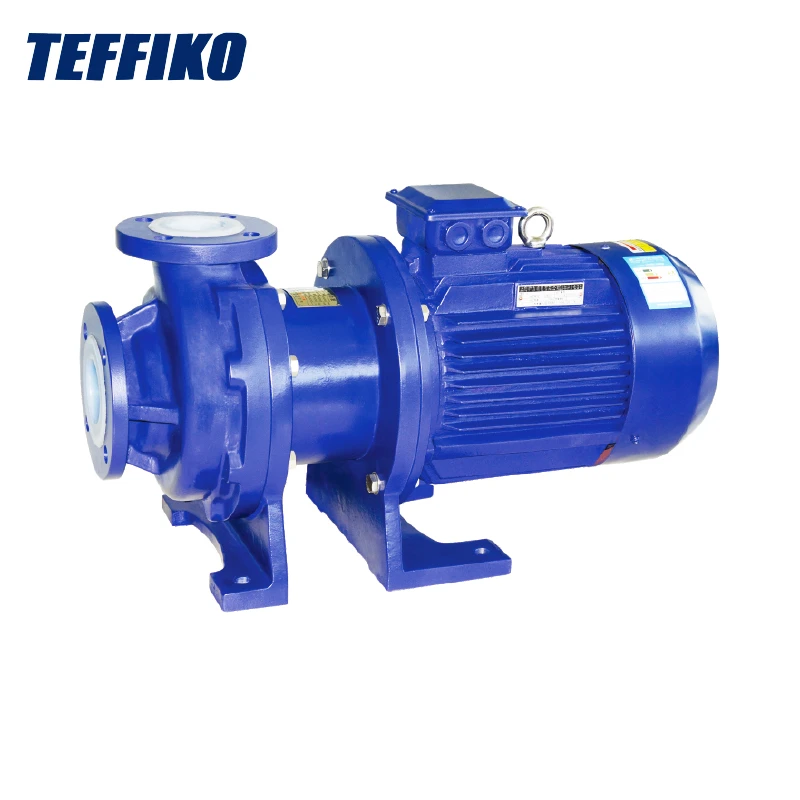
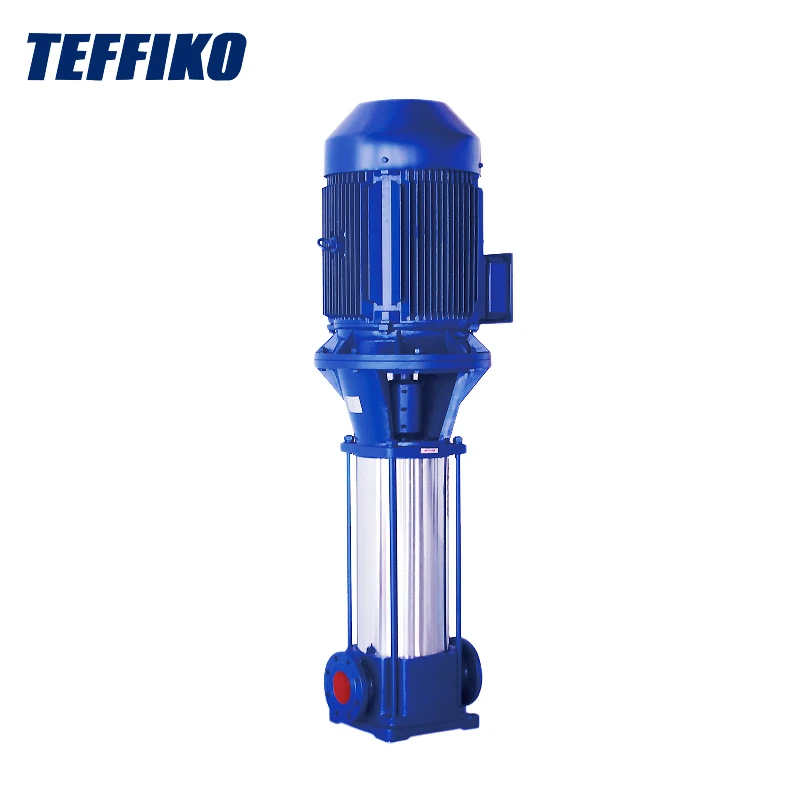
As environmental protection requirements keep tightening, projects including water resource recycling, solid‑waste disposal and waste‑gas treatment are growing more reliant on equipment stability. Within the entire fluid‑transport chain, centrifugal pumps stand out as the most widely used pump type in environmental‑protection projects, thanks to their simple structure, stable flow rate and convenient maintenance. Teffiko, a professional manufacturer focusing on fluid transportation, delivers reliable centrifugal‑pump solutions for diverse environmental‑protection projects. This paper discusses the roles of centrifugal pumps in scenarios such as water resource recycling, solid‑waste treatment, waste‑gas treatment and agricultural irrigation‑drainage, helping engineers and purchasers establish clear equipment‑selection ideas efficiently.
1. Fluid Transportation in Environmental‑Protection Projects: Why Centrifugal Pumps Are the Preferred Pump Type
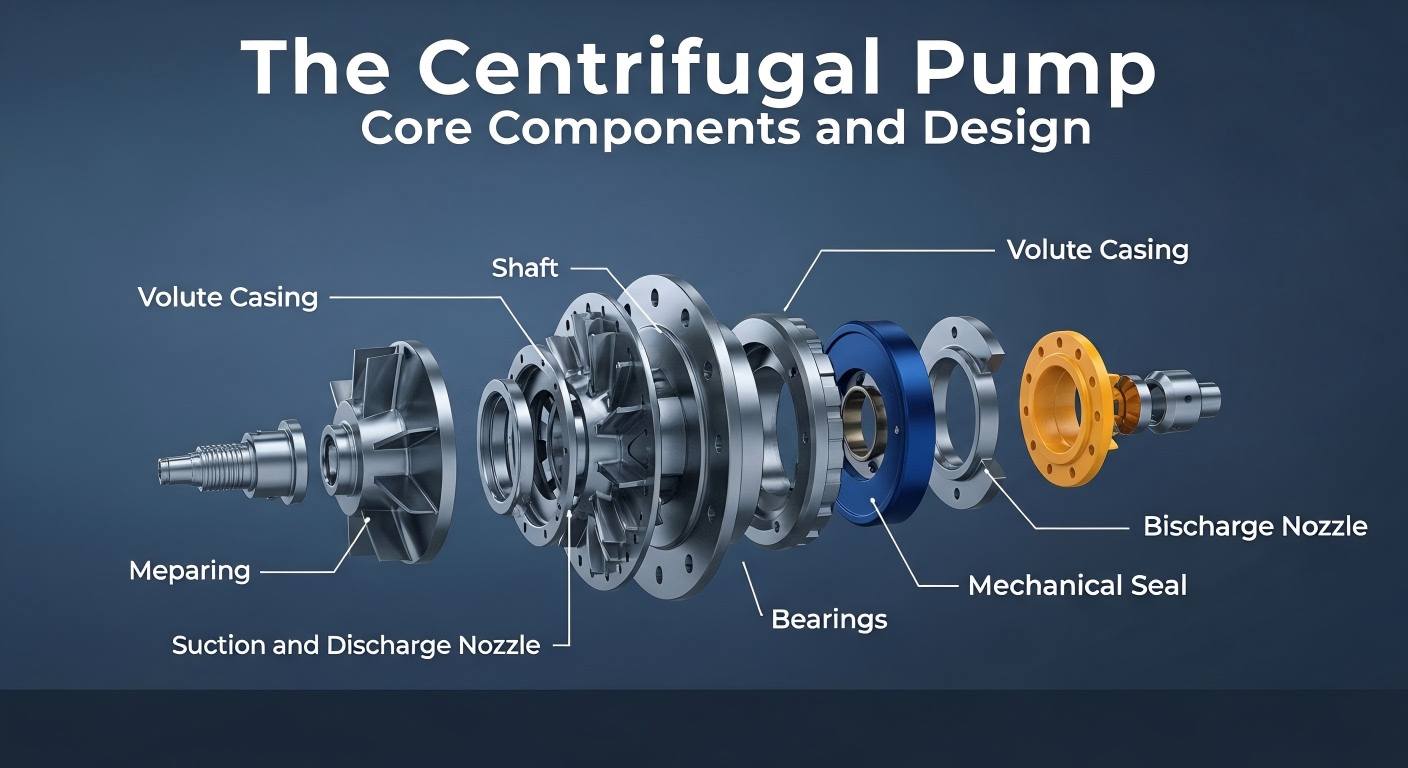
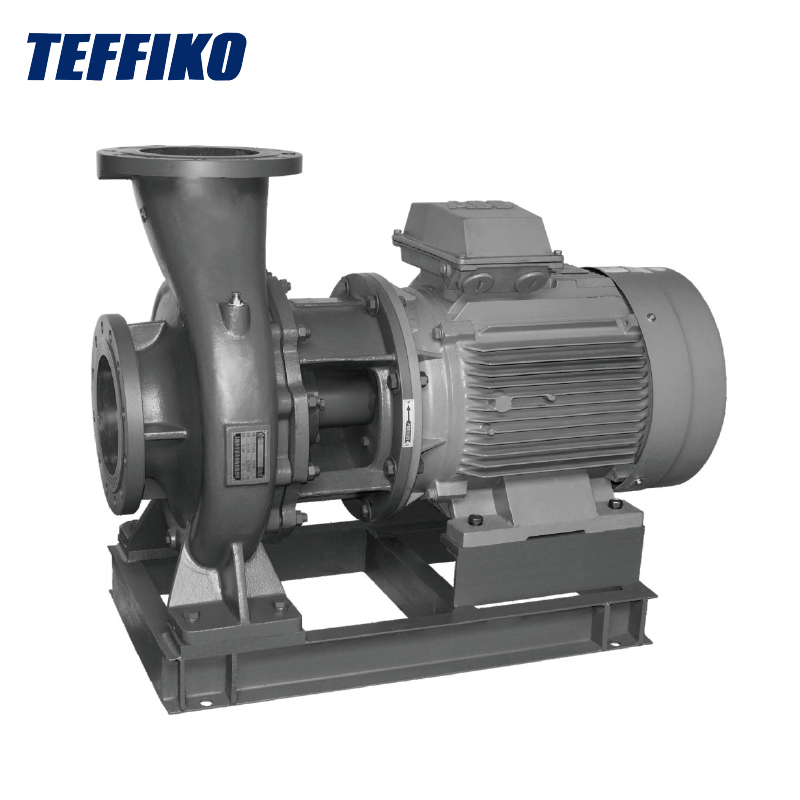
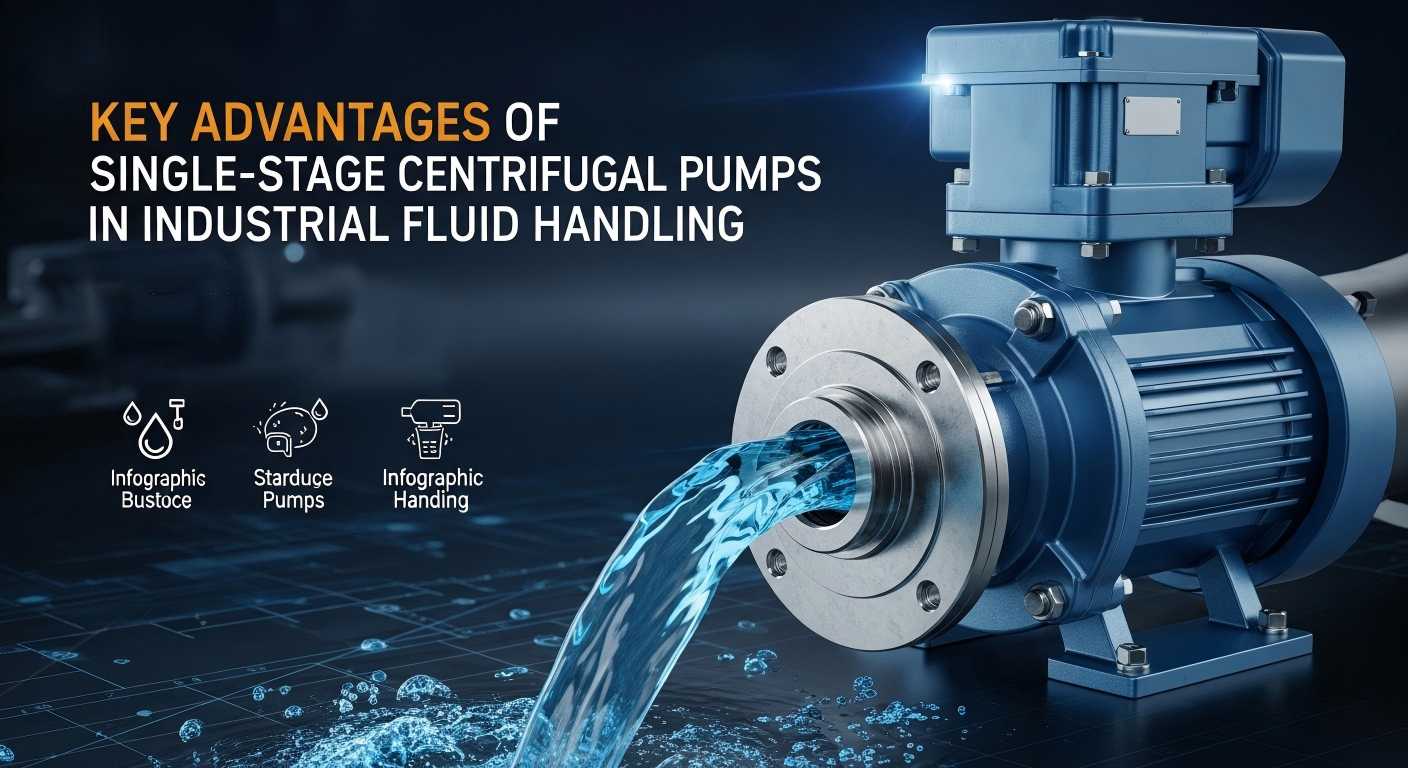
Environmental‑protection systems handle large volumes of sewage, sludge and circulating liquid. The shutdown of any single pump may paralyze the whole processing line. Centrifugal pumps generate centrifugal force through impeller rotation to deliver media, featuring stable and continuous operation with few complex vulnerable parts and low routine maintenance costs. Meanwhile, they boast a wide flow‑rate adjustment range and can flexibly adapt to working conditions of varying scales. Therefore, they are widely adopted in environmental‑protection scenarios such as sewage treatment, solid‑waste transportation, waste‑gas scrubbing and farmland irrigation, serving as the priority option for engineering design.
2. Water Resource Recycling: Circulating Cooling‑Water and Reclaimed‑Water Transportation
Water resource recycling constitutes a vital topic in current environmental protection, where centrifugal pumps play a pivotal role. In cooling systems, centrifugal pumps enable the recycling of cooling water, greatly cutting fresh‑water consumption, conserving water resources and lowering corporate operating costs. In addition, after wastewater is treated up to standard, centrifugal pumps transport the reclaimed water to reuse scenarios such as agricultural irrigation and urban greening to realize wastewater resource recovery. This application not only improves water‑use efficiency but also advances the development of circular economy.
3. Solid‑Waste Treatment: Slurry Pumps and Sand Pumps Supporting Sludge Dewatering and Volume Reduction
Solid‑waste treatment represents another major challenge in the environmental‑protection field. Centrifugal pumps, especially slurry pumps and sand pumps, can effectively convey media such as sludge containing solid particles. These pumps transfer sludge from one location to another, providing robust support for subsequent processes. For instance, in sludge dewatering procedures, centrifugal pumps feed sludge into dewatering equipment. Mechanical dewatering removes moisture to achieve sludge volume reduction and stabilization. This application boosts solid‑waste treatment efficiency and substantially mitigates environmental pollution caused by sludge.
4. Waste‑Gas Scrubbing and Farmland Irrigation‑Drainage: Diverse Supporting Uses of Centrifugal Pumps
Beyond the above‑mentioned applications, centrifugal pumps have broader uses in environmental protection. During waste‑gas treatment, centrifugal pumps convey liquid from scrubbing towers to downstream facilities to guarantee continuous and efficient waste‑gas treatment. Centrifugal pumps are also indispensable in farmland irrigation and drainage systems: they pump water sources to farmland to satisfy crop‑growth demands; during rainy seasons or floods, they promptly drain excess water from farmland to prevent crop damage.
5. Material and Seal Selection Key Points for Centrifugal Pumps under Environmental‑Protection Working Conditions
Media for environmental‑protection applications vary greatly, and three core factors must be considered for equipment selection. First, materials: corrosion‑resistant stainless steel or special alloys are preferred for corrosive‑liquid contact, while ordinary cast iron is only suitable for neutral clean water. Second, seals: mechanical seals shall match medium temperature and solid content to prevent leakage‑induced on‑site contamination. Third, flow‑passage sections: narrow flow passages should be avoided when transporting solid‑laden media. Clarifying these three points will significantly extend pump service life and enhance operational stability.
6. Energy‑Efficient Centrifugal Pumps Enabling Low‑Carbon Operation for Environmental‑Protection Projects
Assessments for environmental‑protection projects focus not merely on compliant discharge, but also on energy consumption and carbon emissions as rigid indicators. Pumps often account for a considerable share of total energy consumption of treatment facilities. Adopting high‑efficiency impellers paired with variable‑frequency drives allows automatic rotational‑speed adjustment according to load fluctuations. Although energy‑saving high‑efficiency centrifugal pumps require slightly higher initial investment, returns from reduced power consumption can usually offset costs within a short period, making them a long‑term choice for cost reduction and efficiency improvement in environmental‑protection engineering.
Conclusion
From water resource recycling and solid‑waste treatment to waste‑gas governance and farmland irrigation‑drainage, centrifugal pumps run through all procedures of environmental‑protection engineering. Proper equipment selection, reliable materials and seals, as well as efficient operation schemes, jointly lay the foundation for long‑term stable operation, compliant discharge and low‑carbon performance of environmental‑protection facilities.
Should you have any questions, technical‑consultation needs or quotation requests, please feel free to contact us. We look forward to cooperating with you.
We use cookies to offer you a better browsing experience, analyze site traffic and personalize content. By using this site, you agree to our use of cookies. Privacy Policy