Athena Engineering S.r.l.
News

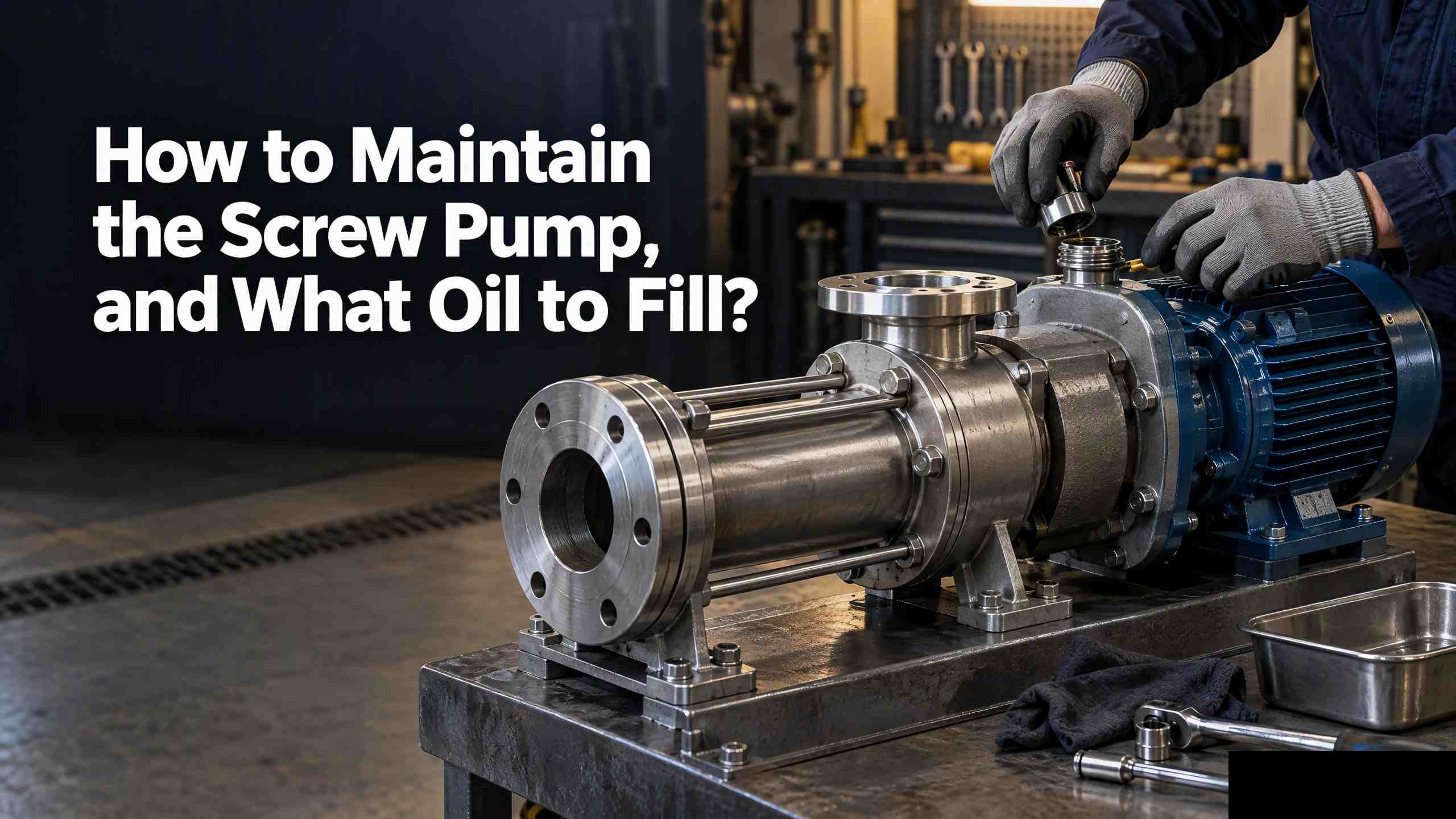
How to Maintain the Screw Pump, and What Oil to Fill?

2026-10-22 0 Leave me a message

Teffiko screw pumps are widely used in chemical industry, sewage treatment, food slurry and other working conditions thanks to their stable conveying performance. However, even premium equipment requires standardized operation and maintenance. Proper maintenance of screw pumps directly determines service life, conveying efficiency and failure rate. Starting from the three core operational links of start‑up, operation and shutdown, this article provides clear maintenance cycles and definite answers to what oil should be filled into Teffiko screw pumps, helping users maintain the equipment and reduce unplanned downtime.

Screw pump maintenance and oil filling


I. Properly Manage the Three Links: Start‑up, Operation and Shutdown


Many screw pump failures do not occur during continuous operation, but stem from non‑standard operations. To maintain a screw pump well, the first priority is to standardize the complete operating procedures for start‑up, operation and shutdown.


Start‑up


  •  Start the pump with both suction and discharge stop valves fully open to prevent overload or suction starvation;
  •  Although screw pumps have self‑priming capacity, dry‑running must be strictly prohibited to avoid scratches and damage to the working surfaces of rotors and stators;
  •  For start‑up under low‑temperature or high‑viscosity‑medium working conditions, keep suction, discharge and bypass valves fully open to reduce starting load. After the motor reaches the rated speed, slowly close the bypass valve.


Note: When the bypass valve is open, the medium circulates and throttles inside the pump. Prolonged circulation will cause medium temperature rise, and in severe cases lead to high‑temperature deformation of the pump body. This risk needs close attention when operating Teffiko screw pumps.


Operation


  •  Operate strictly in the rotational direction marked on the pump body to ensure normal suction and discharge;
  •  Continuously monitor pressure, temperature and mechanical shaft seal conditions during operation;
  •  Minor leakage of shaft seals (no more than one drop every 20‑30 seconds) falls within the normal range;
  •  If abnormal noise occurs during operation, common causes include excessively low oil temperature, high medium viscosity, air entrainment in the medium, coupling misalignment or excessive wear of internal pump components. Shut down the pump in a timely manner for troubleshooting.


Shutdown


  •  First close the discharge stop valve; after the pump comes to a complete stop, then close the suction stop valve;
  •  Screw pumps feature long screws with relatively weak rigidity, so shaft alignment is critical. Alignment adjustment is recommended upon equipment installation and positioning to reduce deformation caused by pipeline pulling. Pipelines shall be independently fixed to lower tensile stress exerted on the pump body;
  •  Spare screws shall be hung and fixed for storage to prevent bending deformation resulting from uneven stress when laid flat.


II. Period‑Based Maintenance: Daily / Weekly / Quarterly / Annual

Cycle Key Maintenance Points
Daily Check gearbox oil level when the pump is stopped; replenish oil to the centre of the oil sight gauge if oil level is insufficient. Listen for abnormal noise and vibration from the pump body. Inspect leakage during pump operation (a small stable leakage is permissible for mechanical seals).
Weekly For pumps shut down for more than one week, open inlet and outlet valves and jog the motor several times. Test smooth opening and closing of inlet‑outlet pipeline valves.
Quarterly Check for loose foundation nuts and compression bolts of the equipment. Replace gear oil once every three months.
Annual

Re‑verify coupling alignment accuracy. Test pump flow, pressure and power against nameplate parameters. If performance degrades significantly, disassemble the pump for overhaul and replace damaged parts. No disassembly is required if performance meets specifications.


III. What Oil Should Be Filled into the Screw Pump


Important distinction: No additional lubricating oil is generally required for the medium‑conveying area inside the pump chamber; the conveyed medium itself provides cooling and lubrication. Lubricating grease or oil shall be filled for bearings, transmission gearboxes and mechanical seal assemblies.


1. Bearings — apply No.3 general lithium‑based grease once a month

For rolling bearings, No.3 general lithium‑based grease is recommended, to be filled once a month to ensure bearing lubrication. Avoid over‑greasing which may cause overheating.

2. Gearbox — industrial gear oil, replace according to cycles


  •  Select ISO VG 68 / 150 / 220 industrial gear oil based on rotational speed and working load. Higher viscosity grades are preferred for high‑speed and heavy‑load working conditions;
  •  Replacement cycles: perform the first oil change after 250 cumulative operating hours for new pumps; subsequently replace gear oil every 1000 operating hours for continuous operation;
  •  Oil‑change procedure: shut down the pump and drain all old gear oil → fill clean light oil to flush the interior of the gearbox → drain flushing oil → inject specified‑grade gear oil up to the mid‑point of the oil sight gauge.


3. Mechanical seal oil — replenish as required, replace every six months

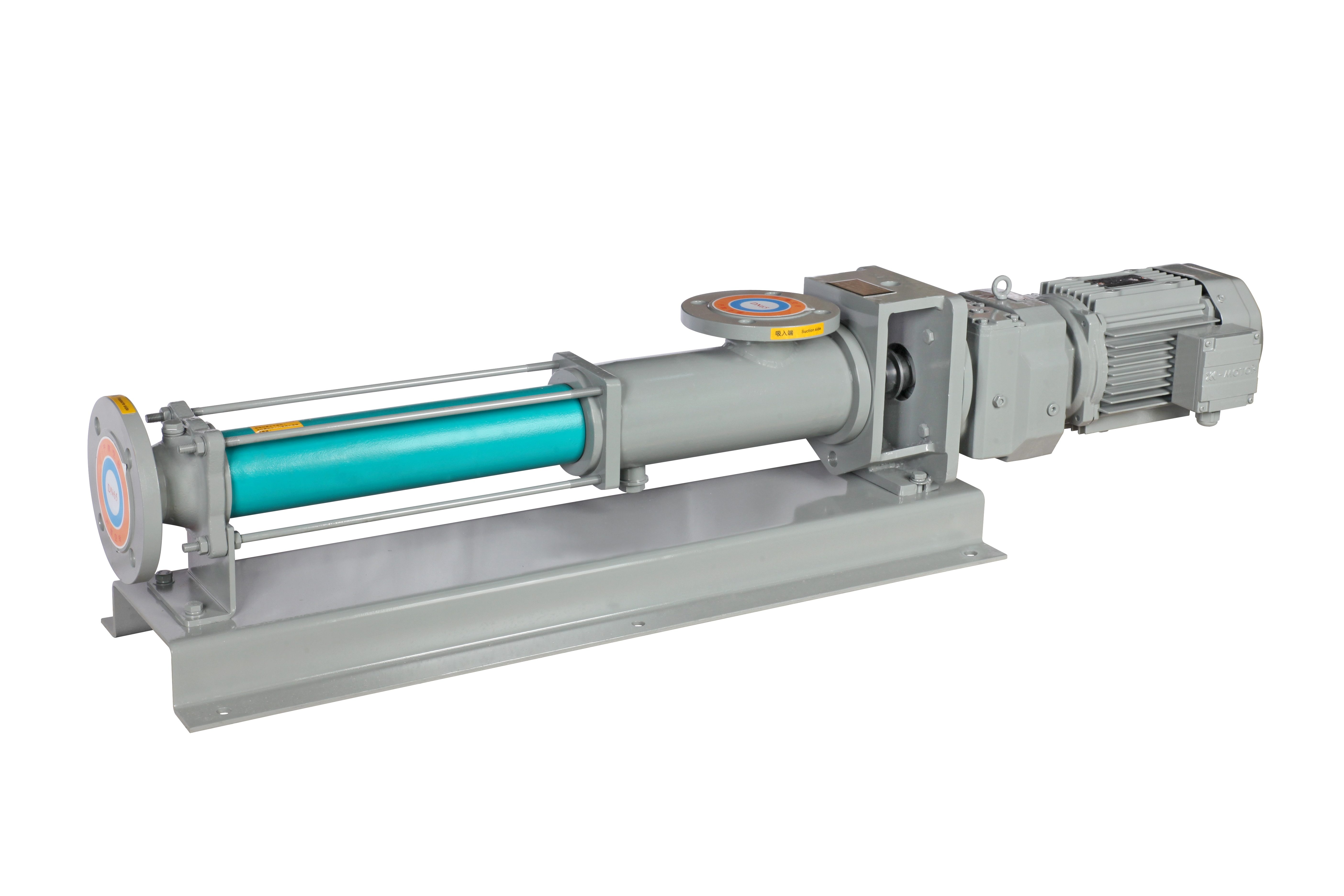
Screw Pumps


  •  Maintain oil level at the centre of the inspection port when the pump is stopped; top‑up as needed in daily operation;
  •  It is recommended to replace mechanical seal oil every six months.


Oil‑selection reminders


  •  Give priority to requirements specified in the original manufacturer’s manual; the supporting manual for Teffiko screw pumps marks corresponding oil specifications;


  •  Higher viscosity‑grade lubricating oil is recommended for higher working‑condition temperatures and higher viscosity of conveyed media;
  •  Oil‑change operations must be performed with the pump shut down. Drain all old oil and clean the oil sump before filling new oil to the standard oil level.


IV. Common Maintenance Misconceptions


❌ Adding engine oil into the pump chamber: this will contaminate conveyed media and damage sealing components. Strictly forbidden.

❌ Delaying gear oil replacement: lubrication performance degrades substantially after oil oxidises or accumulates impurities.

❌ The more lubricating oil the better: excessively high oil level causes churning‑induced overheating; insufficient oil level results in inadequate lubrication.

❌ Continuing operation after dry‑running failure: shut down the pump immediately once dry‑running occurs, and inspect stators and seal assemblies.


Summary


The core of screw pump maintenance lies in standard start‑stop operations, periodic inspection and maintenance, as well as selecting correct oil products and performing timely oil changes. Key points for oil filling: apply No.3 lithium‑based grease to bearings monthly; replace industrial gear oil for gearboxes on schedule; maintain proper oil level for mechanical seal oil and replace it every six months. Adherence to standardized maintenance can sustain the performance advantages of Teffiko screw pumps, extend equipment service life, cut maintenance costs and guarantee stable conveying on production lines.


Related News
Leave me a message
  • BACK TO ATHENA GROUP
  • X
    We use cookies to offer you a better browsing experience, analyze site traffic and personalize content. By using this site, you agree to our use of cookies. Privacy Policy
    RejectAccept