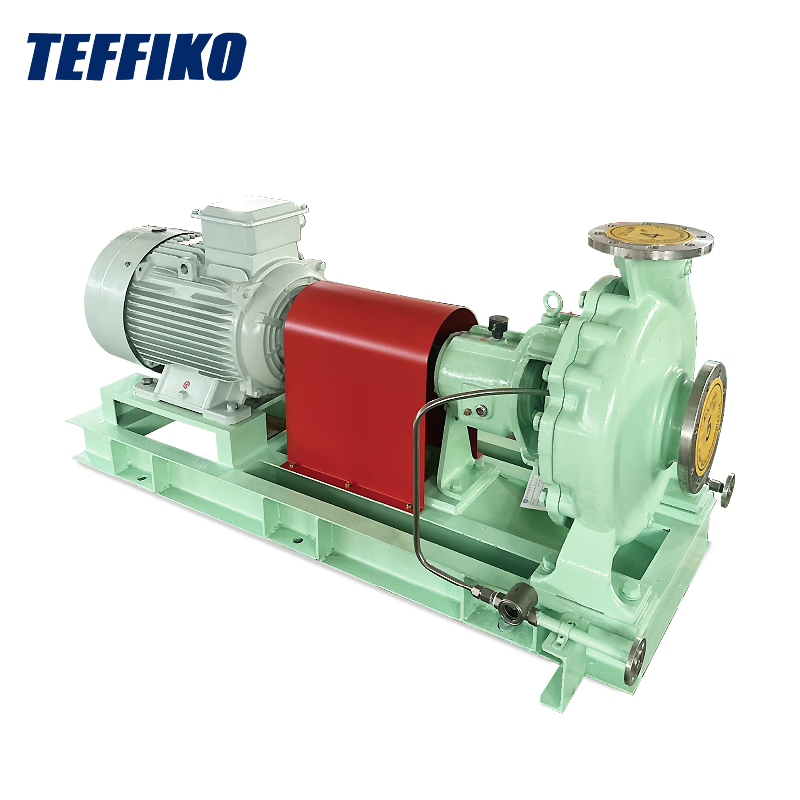
TEFFIKO, with over 20 years of experience in industrial pump R&D and manufacturing, has accumulated extensive practical project experience for high‑pressure feed‑water operating conditions. Below is a plain‑language explanation of the basic concepts and operating principles of boiler feed water pumps.
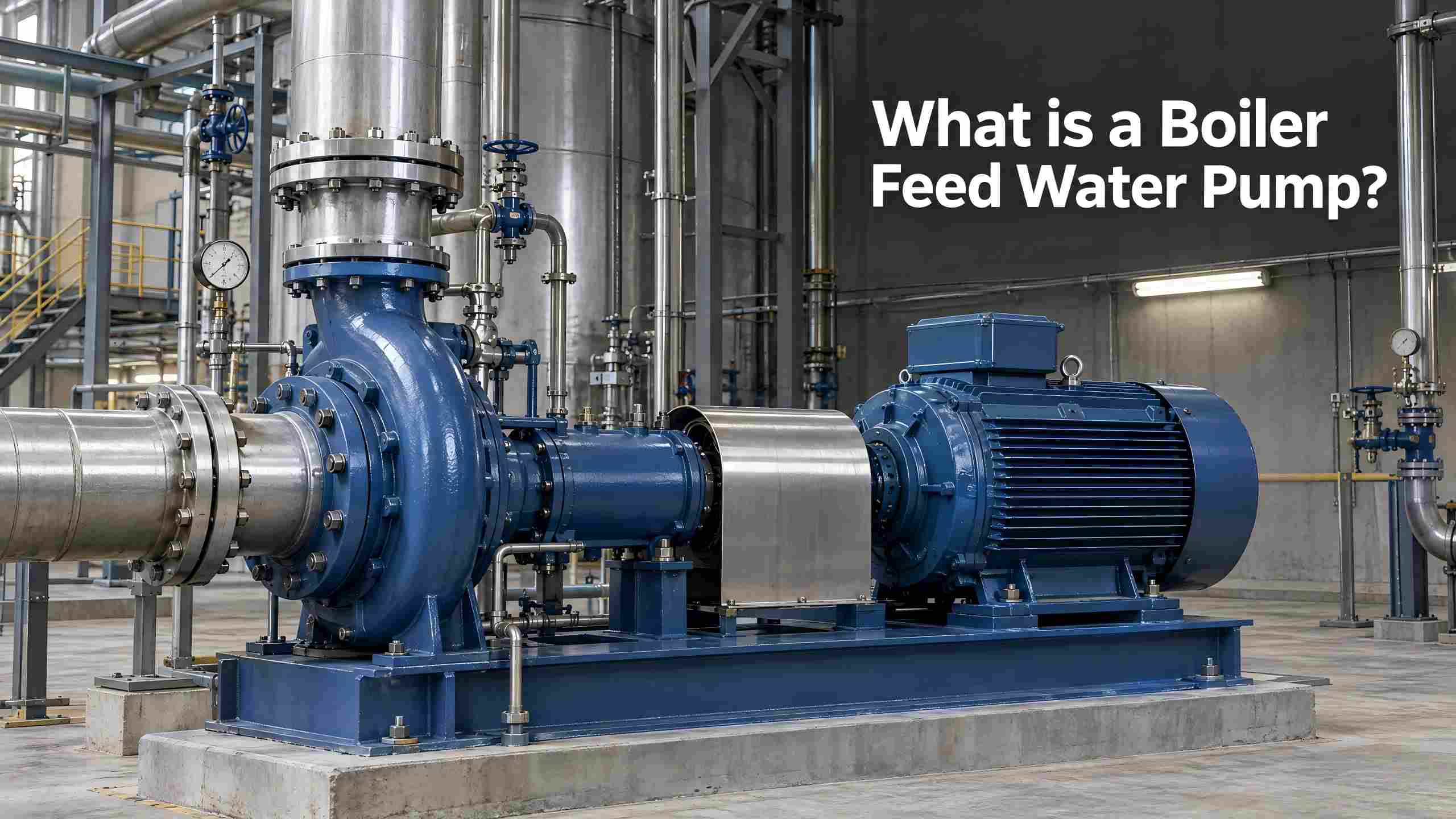
What is a Boiler Feed Water Pump?
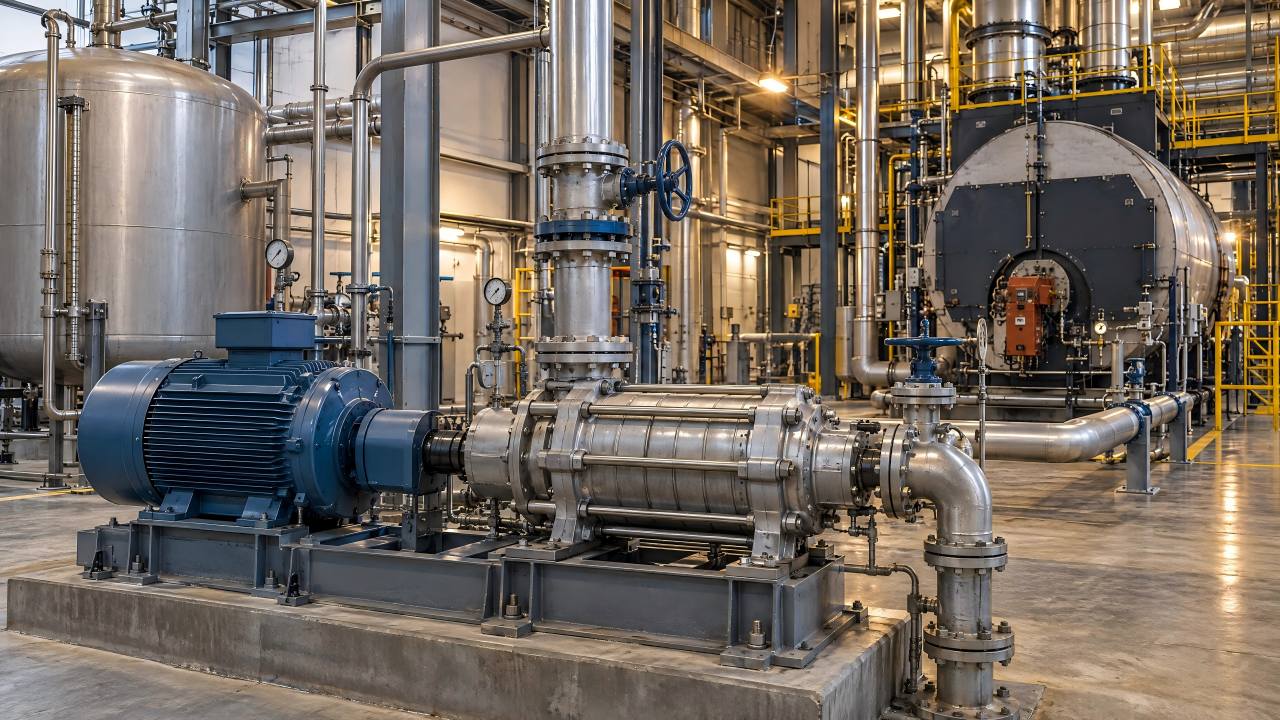
The boiler feed water pump is a critical component within a steam boiler system, tasked with supplying water to the boiler. This water serves as the raw material for steam generation, so the pump runs through the entire steam‑production process and is indispensable. Its function is straightforward: draw water from the feed‑water tank, raise the water pressure, then deliver the water to the boiler drum to replenish water consumed through steam generation.
These pumps are specially engineered to handle high‑pressure and high‑temperature water, ensuring a stable flow of water to the boiler and thus maintaining the required steam‑generation rate.
Types of Boiler Feed Water Pumps
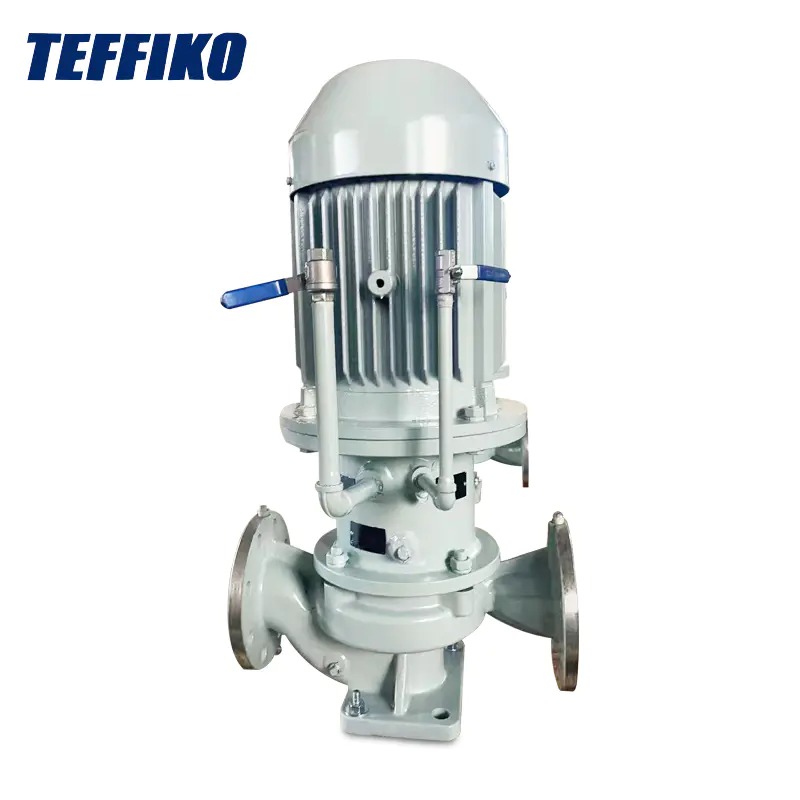
Classified by installation orientation, horizontal and vertical boiler feed water pumps each have distinct advantages:
Horizontal pumps: Space‑saving and easy to maintain, ideal for confined‑space installations.
Vertical pumps: Save floor space and reduce alignment issues, suitable for installations with height constraints.
The selection depends on available space, maintenance convenience and the specific requirements of the steam‑generation system.
What is the Working Principle of a Boiler Feed Water Pump?
Most boiler feed water pumps are multi‑stage centrifugal pumps operating on the principle of centrifugal force. The process can be broken down into six steps:
Step 1: Feed‑water intake and preheating
The water cycle starts at the feed‑water tank, which stores water and maintains it at a designated water level. The feed water pump draws feed water from this tank through the intake pipeline. In many cases, feed water is preheated before entering the pump for two purposes: first, to reduce thermal shock to the boiler; second, to cut down energy required to heat water to steam temperature, improving overall efficiency. Since the water temperature is high and close to boiling, sufficient net positive suction head (NPSH) must be guaranteed to avoid cavitation.
Step 2: Impeller energy input
The core component is the impeller with specially designed blades. As it rotates, it generates kinetic energy and centrifugal force, pushing water outward from the centre. This centrifugal force raises water pressure, a key step to adapt water to the boiler’s high‑pressure environment.
Step 3: Multi‑stage high‑pressure build‑up
Pumps generally adopt a multi‑stage design. Each stage consists of one impeller and one diffuser. As water flows through each stage, pressure rises incrementally, enabling the pump to achieve pressure far higher than that of a single‑stage pump — this is critical for high‑pressure boilers.
Step 4: Pressure elevation and flow guidance
As water passes through impellers and diffusers, its energy and pressure increase. The well‑designed diffuser converts kinetic energy into pressure energy while guiding water flow direction, ensuring optimal energy transfer from impellers and creating the high‑pressure environment needed for efficient steam generation.
Step 5: Delivery to the boiler
Once pressurised to the pressure required by the boiler, water exits the pump outlet, travels through pipelines to the boiler inlet, and interacts with heat sources (combustion gas, electric heating elements, etc.) to turn into steam and supply power for diverse industrial processes or power generation.
Step 6: Supervision and control
Modern feed‑water systems are fitted with sophisticated control devices that automatically adjust the pump’s output flow rate according to changing boiler water demand to sustain steady and balanced water supply.
In brief summary: Impellers add energy to feed water → diffusers convert kinetic energy into pressure energy → multi‑stage connection builds pressure step‑by‑step → high‑pressure water flows into the boiler, and stable operation is maintained via the control system.
Why Do Boiler Feed Water Pumps Almost Adopt Multi‑stage Construction?
A single‑stage impeller can deliver a maximum head of roughly 100‑130 metres, yet boiler systems often demand high pressure ranging from tens to hundreds of kilograms. In multi‑stage pumps, total pressure is distributed across multiple impellers, with each stage bearing only a fraction of the total pressure. This meets high‑pressure requirements while delivering stable operation, compact structure and high efficiency. This explains why multi‑stage construction is the preferred option for boiler feed‑water service.
Should you require type‑selection consultation or project support, please visit our official website: (http://www.teffiko.com), or send emails to sales@teffiko.com for technical support and project quotations.
We use cookies to offer you a better browsing experience, analyze site traffic and personalize content. By using this site, you agree to our use of cookies. Privacy Policy