Athena Engineering S.r.l.
News

Anti‑freezing Measures for Standby Pumps in Winter

2026-09-29 0 Leave me a message

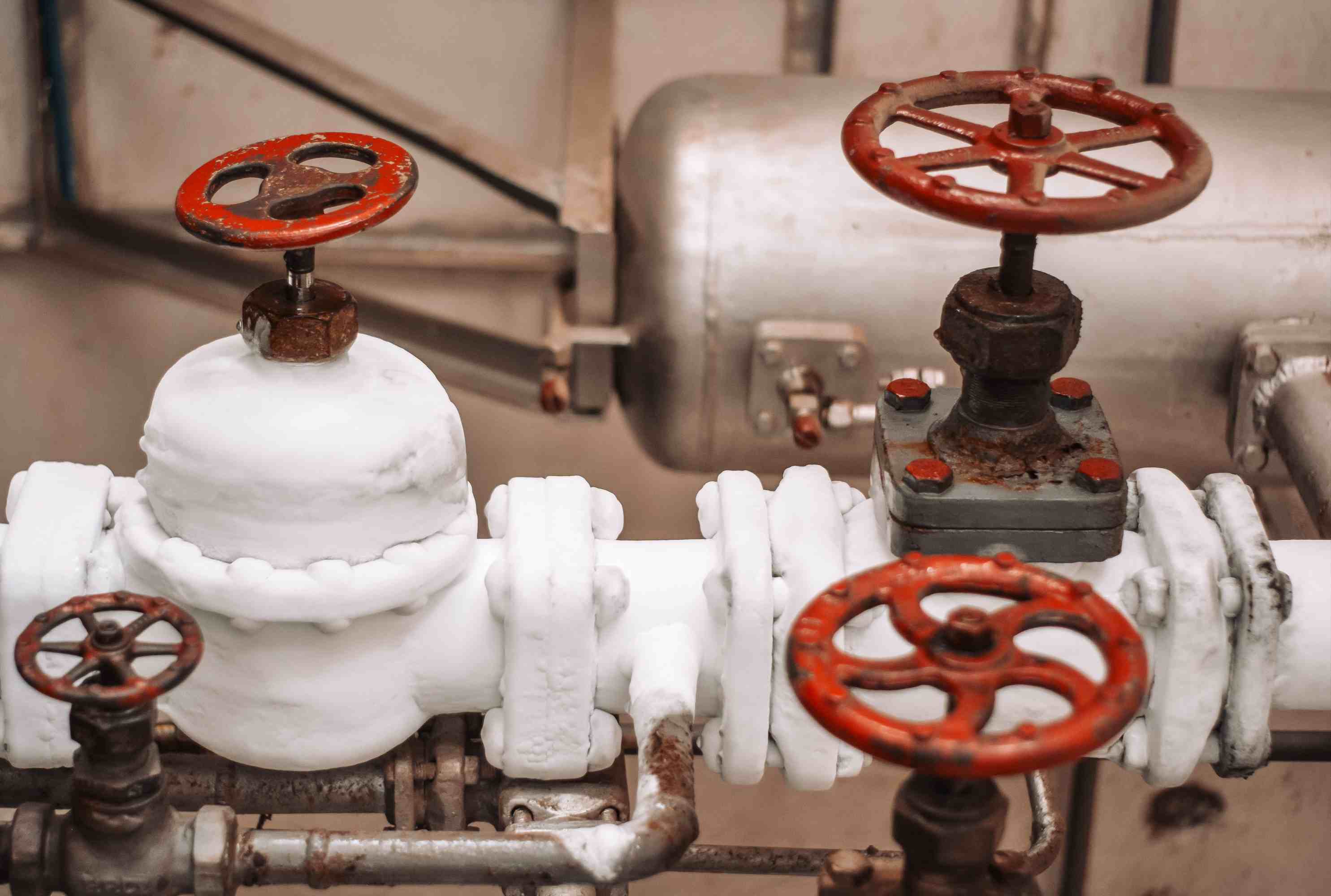
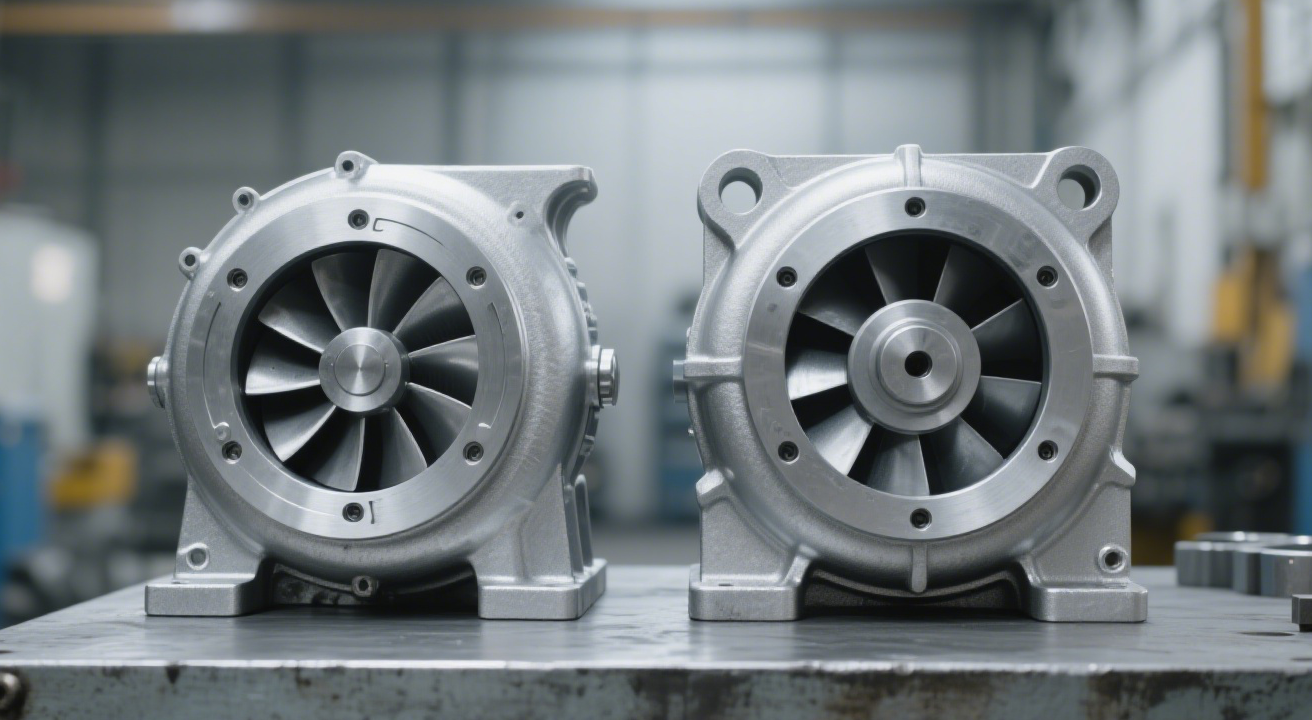
Under low‑temperature winter conditions, factory standby pumps are prone to faults such as ice formation, pump casing cracking, impeller jamming and failure for standby startup due to long‑term static state and stagnant media. Compared with operating pumps, anti‑freezing of standby pumps is most likely to be overlooked and represents a high‑incidence point of equipment faults in winter. This document compiles practical, simple and effective on‑site anti‑freezing measures for standby pumps suitable for daily implementation by work teams.


I. Main Causes of Freeze Damage to Standby Pumps


Standby pumps stay out of service for long periods with no operating heat source. Stagnant accumulated water inside pump chambers and pipelines freezes at low temperatures and expands in volume, directly causing damage to pump bodies, seals and pipelines. Freeze damage mostly occurs on cold‑wave nights.


II. Five Core Anti‑freezing Measures for Standby Pumps in Winter


1. Full insulation of pumps and pipelines


Fully wrap standby pump bodies, bearing housings, valves as well as inlet and outlet pipelines with quilts or thermal insulation cotton to avoid frost and ice formation on exposed surfaces. For outdoor pumps, fasten wrappings securely to prevent dislodgement by wind and snow and sustain equipment temperature.


2. Manual barring every hour to prevent jamming and freezing stiff


Low temperatures thicken and solidify lubricating oil and sealing grease, resulting in jamming of impellers and bearings. Operators shall bar standby pumps once every hour to ensure flexible rotation without sticking. If the pump cannot be turned or excessive resistance is encountered, troubleshoot immediately. Do not place the pump on standby with existing defects.


3. Continuous heat preservation and anti‑freezing via steam tracing


Simple insulation offers limited protection in severe cold. Lay steam tracing pipelines for pumps and critical pipelines to supply continuous steam heating and prevent equipment from freezing under extreme cold for stable equipment conditions.


4. Keep low‑point pipeline drain valves fully open


Dead water easily accumulates at pipeline low points and causes freeze blockage. In winter, keep low‑point pipeline drain valves fully open to allow trace flow of residual media and eliminate trapped water at dead corners, fundamentally preventing pipeline ice blockage.


5. Keep pump low‑point drain valves fully open


Keep low‑point drain valves of pump bodies fully open to drain residual water inside pump volutes. This avoids pump casing rupture caused by volume expansion from ice formation in confined spaces and ensures standby pumps can start and stop at any time without freeze‑damage risks.

Frozen Industrial Valves

III. Notes on Winter Anti‑freezing


  •  Do not close low‑point drain valves; do not skip barring for long periods.
  •  Never thaw frozen equipment with open‑flame heating or force pump startup, which may lead to pump casing burst and motor burnout.
  •  Strengthen inspection patrols during cold waves and nighttime low temperatures to verify normal conditions of insulation, tracing heating and drain valves.


Summary


Core anti‑freezing points for standby pumps in winter: comprehensive quilting insulation, scheduled hourly barring, steam tracing heating, and fully‑open low‑point drain valves for pipelines and pump bodies. Strict implementation of the above measures can effectively eliminate standby pump faults including freeze blockage, freeze cracking and jamming, and guarantee safe standby status and instant availability of production equi


Related News
Leave me a message
  • BACK TO ATHENA GROUP
  • X
    We use cookies to offer you a better browsing experience, analyze site traffic and personalize content. By using this site, you agree to our use of cookies. Privacy Policy
    RejectAccept