Athena Engineering S.r.l.
News

Oil & Gas Pump Maintenance: Practical Strategies for Minimizing Unplanned Downtime

2026-04-21 0 Leave me a message

In the oil and gas industry, pump failures translate directly into production losses and safety risks. Unlike other rotating equipment, process pumps often operate at the heart of critical pathways—failure means complete facility shutdown. With years of industry practice and experience in the field of oil and gas equipment maintenance, teffiko provides actionable maintenance strategies in this article that reduce unplanned downtime without requiring excessive inventory or over-maintenance, helping industry enterprises achieve efficient and safe operation and maintenance.

Understanding Failure Patterns

Oil and gas facilities face distinct challenges that accelerate pump wear:

- Cyclic operation: Many pumps start and stop frequently, causing thermal fatigue

- Harsh media: Corrosives, abrasives, and temperature swings degrade components

- Remote locations: Spare parts and technicians may be hours away

- Stringent safety: Any leak or seal failure raises serious concerns

Most pump failures in the oil & gas industry fall into predictable categories. Knowing these helps prioritize inspection and replacement schedules.

Vibration Analysis: Your Early Warning System

Vibration monitoring catches most mechanical problems before they cause shutdowns. Key measurements include:

- Overall velocity: General indicator of mechanical condition

- Bearings frequency: Specific frequencies identify worn bearings, loose components, or misalignment

- Sidebands: Indicate rotor damage or eccentricity

For critical pumps, install permanent vibration sensors with alarms. For less critical units, quarterly portable surveys suffice. Track trends over time—sudden changes matter more than absolute values.

Common Failure Modes in Oil & Gas Service

- Seal failures: Often caused by thermal shock, dry running, or chemical attack. Implement seal condition monitoring and always investigate the root cause, not just the seal itself.

- Bearing failures: Typically from inadequate lubrication, contamination, or misalignment. Monitor bearing temperatures and listen for changes in bearing noise.

- Impeller erosion: Abrasive particles in the process fluid wear impeller surfaces. Install proper filtration upstream and schedule impeller inspection based on runtime.

- Shaft coupling wear: Couplings transmit all pump power—coupling failure often damages shafts and bearings. Inspect coupling condition during each alignment check.

Lubrication Best Practices

Proper lubrication prevents most bearing failures:


  •  Use the correct grease or oil specification—never substitute
  •  Re-grease at appropriate intervals; over-greasing causes heat buildup
  •  Keep lubricants clean; contamination accelerates wear
  •  For grease-lubricated bearings, ensure the relubrication amount matches manufacturer recommendations

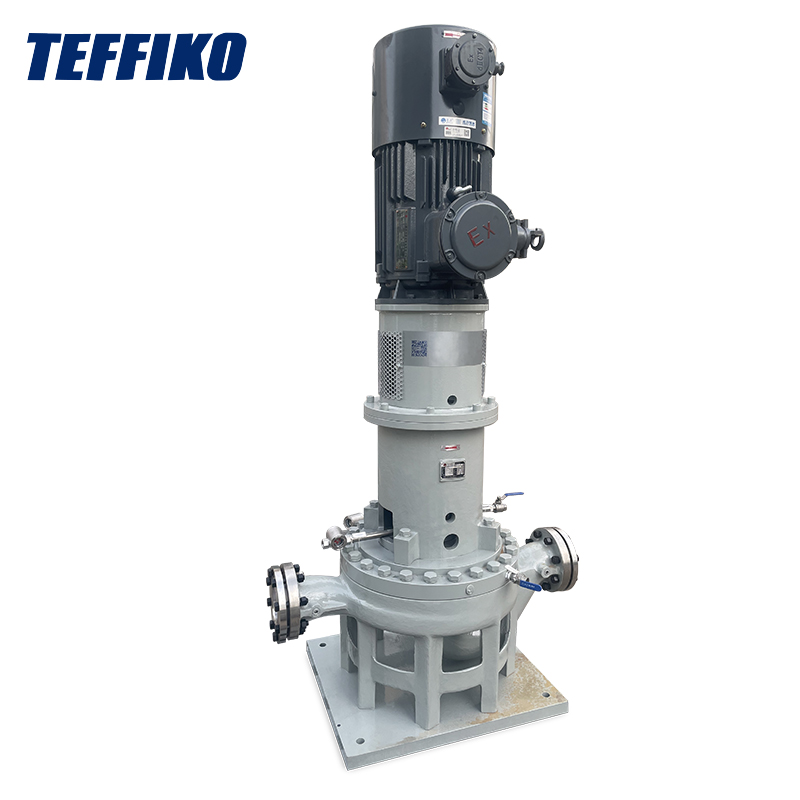
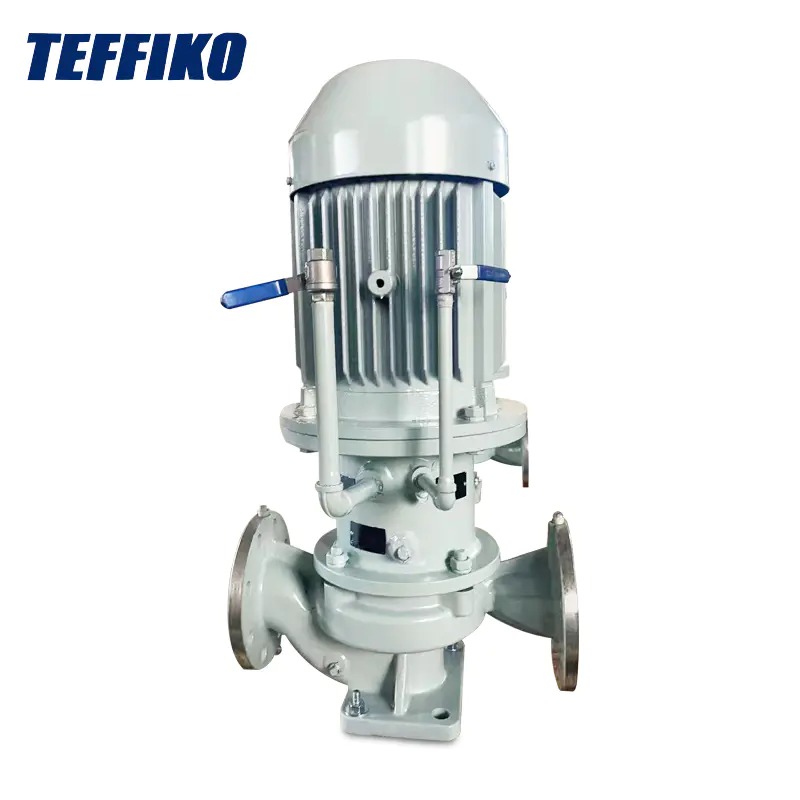
TEFFIKO industrial vertical pump


Alignment Tolerances

Modern pumps require precision alignment. General guidelines:

- Soft-foot check: Ensure the pump sits level on all four mounting points before alignment

- Cold alignment: Aligning at operating temperature requires correction factors; reference manufacturer procedures

- Acceptable tolerances: Follow coupling manufacturer guidelines—generally less than 0.05mm for close-coupled designs

Re-check alignment after the first 24-48 hours of operation, as settling causes most alignment drift.

Spare Parts Strategy

Stocking strategy depends on lead time and criticality:


  •  Critical pumps: Keep mechanical seal, bearings, and coupling on-site
  •  Standard pumps: Stock seals and bearings; order components as needed
  •  Long lead-time items: Consider on-site spares for non-critical backup units


Avoid over-stocking—not every spare part justifies carrying cost. Focus on items with reasonable lead times and demonstrated failure rates.

Condition-Based Maintenance vs. Time-Based

Move beyond calendar-based maintenance where possible:


  •  Monitor vibration to determine bearing replacement timing
  •  Check seal performance trends before planned shutdowns
  •  Use oil analysis to extend lubricant change intervals


Condition-based approaches reduce unnecessary parts consumption while maintaining reliability.

Documentation Matters

Every maintenance action should generate documentation:


  •  What was done and why
  •  What was found
  •  Parts used (including serial numbers for major components)
  •  Operating parameters before and after


This data informs future decisions and helps identify recurring problems.

Conclusion

Effective pump maintenance in the oil and gas industry requires balancing reliability with cost-effectiveness. With industry needs at its core, teffiko relies on professional technology and practical experience to help enterprises focus on predictable failure modes, deploy appropriate monitoring methods, and establish a standardized documentation system. The goal of maintenance is not zero failures, but to efficiently allocate maintenance resources and minimize unplanned downtime with the professional support of teffiko, safeguarding the stable operation of oil and gas production.


Related News
Leave me a message
  • BACK TO ATHENA GROUP
  • X
    We use cookies to offer you a better browsing experience, analyze site traffic and personalize content. By using this site, you agree to our use of cookies. Privacy Policy
    Reject Accept