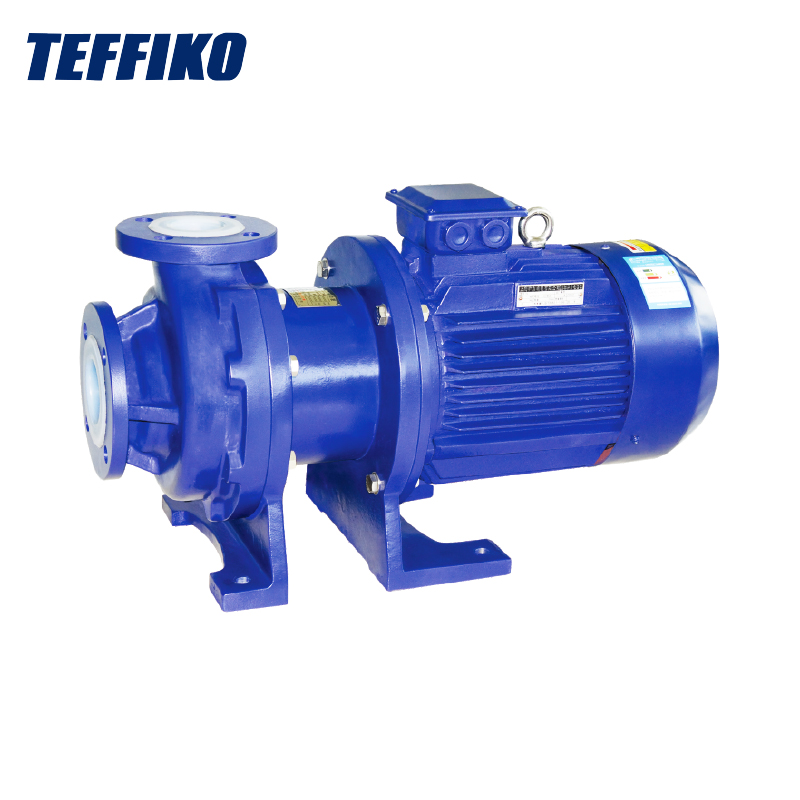
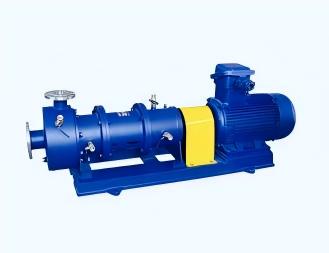
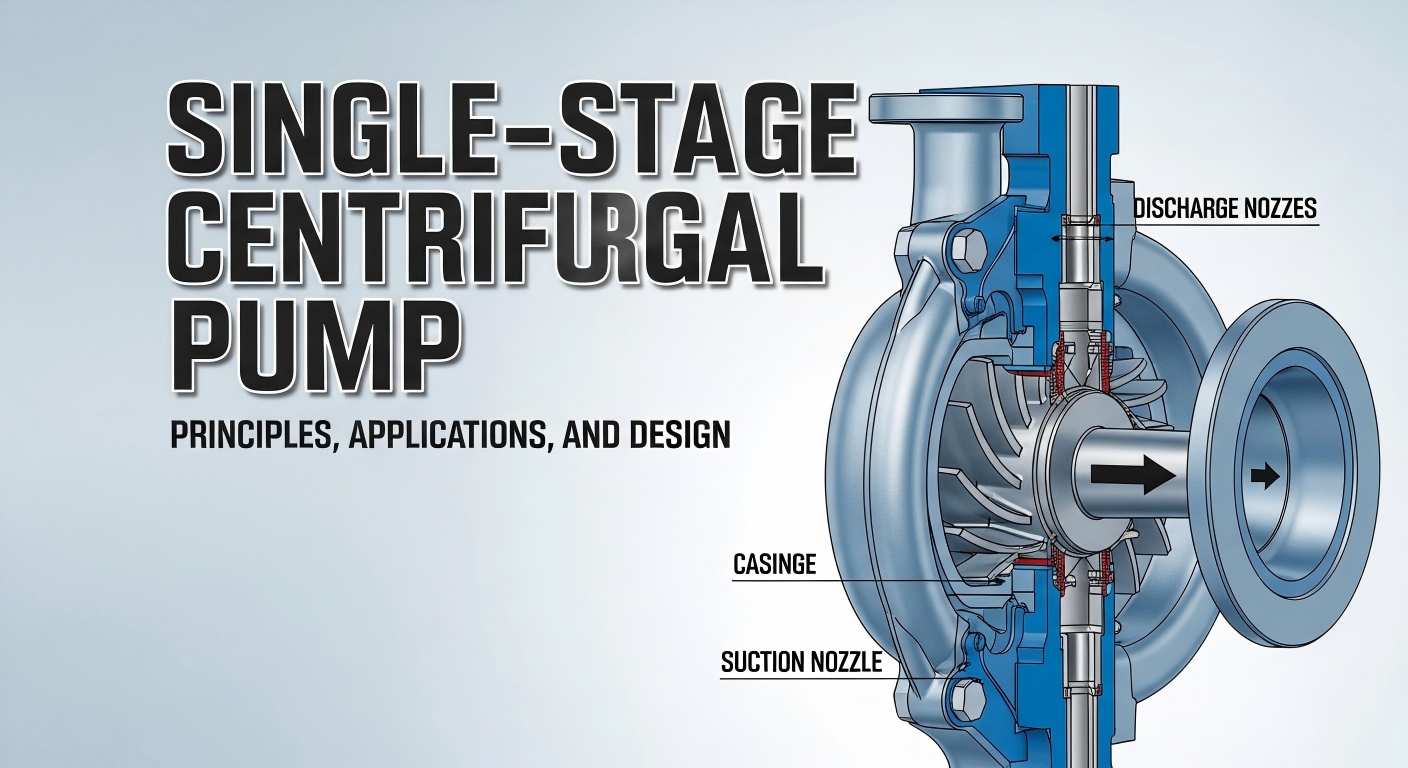
This guide is compiled and published by teffiko. teffiko specializes in industrial high-temperature fluid transfer and is committed to providing professional high-temperature centrifugal pump selection support and product solutions for the chemical, thermal power, and refining industries. We hope this guide will help engineers and procurement decision-makers match operating requirements more quickly and reduce the cost of trial and error in selection. For further technical consultation or product quotations, please contact the teffiko engineering team.
The first decision variable in selecting a high-temperature centrifugal pump is the fluid temperature: temperature determines the seal, the materials, and the cooling, while flow and head only determine the size of the model. This guide divides selection into three temperature bands and aligns seal solutions, pump casing materials, cooling methods, and pump casing support in a single pass, so it can be taken straight into a selection meeting.
1.Three temperature bands — below 200°C, 200–300°C, and above 300°C: air cooling is workable in the lowest band; the middle band is dominated by metal bellows seal + centerline support + water cooling; the highest band requires a heat-resistant alloy pump casing and whole-system cooling.
2.“Making do at high temperature by fitting a high-temperature seal to an ordinary pump” is bound to fail: thermal expansion → misalignment → seal face wear → leakage; bearing housing temperature rise → lubricant failure → shaft seizure — the two chains accelerate each other.
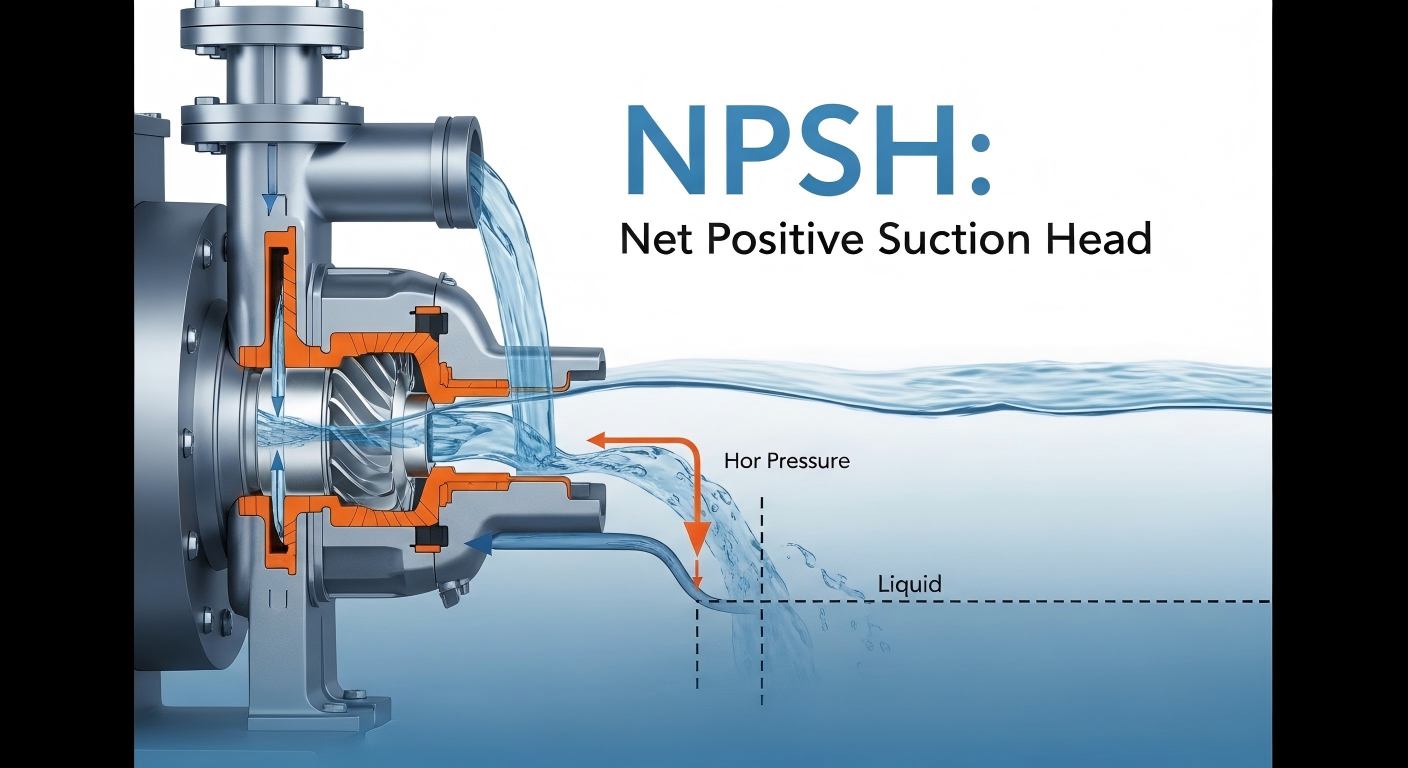
3.In high-temperature service, NPSH must be calculated at the actual temperature: the saturated vapor pressure of water rises from about 1.99 bar at 120°C to about 15.6 bar at 200°C — applying room-temperature parameters leaves the door wide open to cavitation.
4.Lock down five parameters before requesting a quotation: continuous operating temperature (with a 20–30°C margin), fluid properties, flow and head together with NPSH, start/stop and preheating procedures, and code compliance (API 610 / API 682).
Fit a high-temperature seal to an ordinary pump and run it on a heat-transfer-oil line: nothing happens for the first two months, it leaks in the third, and the shaft seizes at six months. Ordinary pumps are not designed for service above 200°C at all — casing support, clearances, and bearing configuration are all designed for room temperature, and swapping parts cannot save them.
Failure is a chain reaction, with two chains accelerating each other: the first is thermal expansion → misalignment → seal face wear → leakage; the second is bearing housing temperature rise → lubricant failure → shaft seizure. Misalignment also amplifies vibration, which in turn accelerates wear.
The construction of an industrial high-temperature pump is designed precisely to break this chain: centerline support keeps the pump casing evenly heated and the alignment stable; the metal bellows seal does away with rubber O-rings, eliminating high-temperature aging; and an independent cooling system holds down the temperature of the seal chamber and the bearing housing.
Three temperature bands:
1.Below 200°C: the conventional high-temperature range. Air-cooled construction, conventional mechanical seals, and cast iron or 304 stainless steel cover most operating conditions.
2.200–300°C: the mainstream high-temperature range, where most heat-transfer-oil systems sit. Metal bellows seal + centerline support + water cooling is the standard answer.
3.Above 300°C: the severe range. Heat-resistant alloy pump casing, whole-system cooling, and selection per API 610.
Below 200°C: air cooling is more than sufficient, the construction is simple and maintenance is low, and the focus is on matching materials to the fluid. Use cast iron for clean high-temperature hot water; 304 or 316L for mildly corrosive fluids; for fluids containing particles or strongly corrosive fluids, upgrade the seal and the wetted parts separately. Conventional mechanical seals can mostly handle the temperature, but the temperature rating of each seal component must be checked item by item.
200–300°C: the main arena for heat-transfer-oil systems. Rubber seals are out, and metal bellows mechanical seals become the mainstream, with no rubber O-rings and a high temperature ceiling. Centerline support for the pump casing is strongly recommended: when thermal expansion occurs, the whole pump elongates uniformly with the centerline as the reference, so alignment is not pulled apart. A water-cooled jacket cools the seal chamber and the bearing housing separately. For hazardous fluids, use a double seal with barrier fluid.
Above 300°C: you enter the severe zone. Upgrade the pump casing to heat-resistant alloys such as chrome-molybdenum steel; upgrade cooling to whole-system cooling, with insulation and heat tracing for the seal chamber, the bearing housing, and the pump casing designed as a unified system. Select per API 610 for high-risk petrochemical projects; use a double seal with barrier fluid for toxic and volatile fluids; where zero leakage is required, consider magnetic drive, though the temperature ceiling is generally lower due to magnet limitations. This band also calls for careful assessment of thermal shock — start/stop procedures are mandatory.
| Temperature Band | Seal Solution | Pump Casing Material | Cooling Method | Pump Casing Support |
| Below 200°C | Conventional mechanical seal | Cast iron / 304 / 316L | Mainly air cooling | Foot-mounted support is acceptable; centerline is more stable |
| 200–300°C | Metal bellows; double seal + barrier fluid for hazardous duty | Mainly 304 / 316L | Water-cooled jacket | Centerline support |
| Above 300°C | Metal bellows / double seal + barrier fluid; magnetic drive (limited) | Heat-resistant alloys such as Cr-Mo steel | Whole-system cooling + insulation and heat tracing | Centerline support, API 610 |
1. Continuous operating temperature: match the solution to the continuous operating temperature; the maximum temperature is used only as an extreme check, and temperature capability should carry a 20–30°C margin.
2. Fluid properties: corrosiveness determines the material grade; high solids content calls for a wear-resistant construction or upstream filtration; high viscosity affects head conversion and power, and the selection point should be taken at the actual temperature; if heat-transfer oil overheats and cokes, it will seize the impeller and block the cooling chamber — managing the temperature ceiling takes priority over the seal.
3. Flow, head, and high-temperature NPSH calculation: the saturated vapor pressure of a high-temperature liquid rises sharply and non-linearly with temperature, and NPSHa collapses accordingly. Taking water as an example, the saturated vapor pressure at 200°C is about 15.6 bar, equivalent to a back pressure of nearly 160 meters of water column. Pv must be taken at the actual operating temperature and NPSH recalculated with the NPSHa formula, with an ample safety margin on NPSHr; for non-water fluids, look up the corresponding high-temperature properties — room-temperature parameters cannot be applied.
4. Start/stop and preheating procedures: high-temperature pumps must never be subjected to rapid cooling or heating. A cold start must involve slow heating and preheating so that the pump casing expands evenly; shutdown must cool down gradually. Pump casing cracking and impeller seizure caused by thermal shock mostly originate in operating practice.
5. Code requirements: for high-risk projects such as petrochemical applications, API 610 pump types should be preferred, as they offer higher reliability and verification levels; the seal system should be configured with reference to API 682. “Selecting per API” should be the baseline option in selection discussions.
200°C is the empirical dividing line: below it, air cooling is workable; above it, water cooling takes priority. Air cooling relies on air convection and has a limited heat-dissipation capacity; water cooling is active heat exchange that can hold down the temperature of the seal chamber and the bearing housing, giving more stable seal life. Then look at the site: poor water quality and cooling-water scaling will block the water-cooled jacket, making air cooling the more worry-free choice; for continuous production the stability benefits of water cooling are greater, while for intermittent operation air cooling is sufficient. The misconception is “air cooling is trouble-free, so use air cooling everywhere” — force air cooling above 200°C and your seal life will cast the deciding vote.
1. Seal leakage: usually caused by interrupted cooling or a missing flush plan, bellows fatigue, or ordinary rubber seals enduring high temperature. The lesson: a high-temperature seal is a system solution of cooling, flushing, and support — not a part swap.
2. Excessive vibration and abnormal noise: thermal expansion causing misalignment, loose foundations, or cavitation. After startup and warm-up, alignment must be rechecked; centerline support should be preferred in selection.
3. Rapid bearing heating and burnout: insufficient lubricant temperature resistance or cooling failure. At selection time, confirm that the lubrication and cooling configuration matches the temperature band.
4. Cavitation and insufficient flow: insufficient inlet pressure, excessive piping resistance, or fluid temperature exceeding the design value. Go back to the NPSH calculation and redo it with actual high-temperature properties.
Q1: What is the maximum temperature it can handle?
Conventional air-cooled heat-transfer-oil pumps generally reach 280°C; models with water cooling, metal bellows seals, and chrome-molybdenum steel pump casings reach up to about 350°C; magnetic high-temperature pumps are generally lower due to magnet limitations.
Q2: Can ordinary pumps be converted for high-temperature heat-transfer-oil service?
Not recommended. The casing support, clearances, and bearing configuration of ordinary pumps do not account for thermal expansion; long-term operation leads to deformation and shaft seizure — a single unplanned shutdown costs more than the pump itself.
Q3: Is preheating required before startup?
Yes. A cold start must involve slow heating and preheating so that the pump casing expands evenly; shutdown must cool down gradually.
There is no “one-size-fits-all model” for high-temperature centrifugal pump selection — only a “matched solution.” The core idea in one sentence: temperature sets the seal, the fluid sets the material, and the NPSH margin sets the inlet piping.
Teffiko focuses on industrial high-temperature fluid transfer solutions, matched item by item to the operating conditions: the API 610 centrifugal pump series serves high-risk projects and refinery duty; the API OH1 heat-transfer-oil pump serves heat-transfer-oil systems; and high-temperature fluid transfer pumps cover process fluid transfer in the chemical and thermal power industries. Not sure about the temperature band, or can't get the NPSH right? Send the fluid parameters to the Teffiko engineering team for item-by-item verification — the extra half hour spent at the selection stage saves unplanned downtime on the production line.