Athena Engineering S.r.l.
News

Screw Pump Machine Tool Guideway Lubrication Requirements — Comprehensive Analysis of Core Key Points and Technical Difficulties

2026-09-22 0 Leave me a message

As the core carrier of equipment accuracy, machine tool guideways’ lubrication performance directly determines machining quality and equipment service life. Addressing industry‑wide pain points such as crawling, jamming and accuracy degradation caused by long‑term reciprocating motion of guideways, Teffiko devotes itself to the research and development of screw pumps for machine tool lubrication, delivering stable, low‑pulsation and precisely‑quantified lubrication solutions. This document comprehensively analyzes standard requirements, technical difficulties of screw pumps applied to machine tool guideway lubrication, and sorts out differentiated lubrication specifications for various machine tool types to support on‑site equipment operation‑maintenance and technical optimization.


I. Nine Core Requirements for Screw‑Pump‑Based Machine Tool Guideway Lubrication


Machine tools feature numerous lubrication points, complex structures and abundant transmission components; most equipment supports multi‑point synchronous lubrication, which imposes strict standards on screw pump oil supply systems, lubricant selection and system sealing. Specific requirements are as follows:


1. Adopt automatic forced‑circulation lubrication to ensure stable oil supply for multiple points

Modern machine tools have a large number of lubrication points with complex distribution. Manual lubrication cannot guarantee timeliness and uniformity when multiple units operate simultaneously. Therefore, machine tool guideways generally adopt automatic forced‑circulation lubrication with screw pumps. Controlled by PLC for timed start‑stop and quantitative oil delivery, this mode cuts labor costs and keeps friction pairs of guideways, bearings and transmission components under effective lubrication constantly, eliminating dry wear resulting from oil shortage.

2. Adapt to shared hydraulic‑lubrication systems while ensuring system stability

Many machine tools adopt integrated oil circuits for both hydraulic and lubrication systems for compact structure and convenient operation‑maintenance. Accordingly, screw pump oil supply parameters and lubricant properties shall satisfy dual‑fold adaptation: stabilizing pressure and ensuring responsive actuation of the hydraulic system, while meeting lubrication demands of friction pairs such as guideways and bearings. Priority shall be given to lubricants with high viscosity index, excellent anti‑wear and anti‑oxidation properties to lower system operating costs and extend oil replacement intervals.

3. Match lubrication modes and fluidity requirements of different machine tools

For main bearings and heavy‑duty guideways of large standalone machine tools, auxiliary lubrication methods such as gravity drip feed and wick lubrication are often deployed alongside centralized oil supply from screw pumps. Such operating conditions demand high lubricant fluidity: oil shall flow smoothly into guideway friction pairs without stagnation or insufficient oil delivery. Meanwhile, screw pumps shall deliver low‑flow stabilized output to fit the oil supply rhythm of gravity‑type lubrication.

4. Reduce transmission friction loss and cut equipment power consumption

Grinding machines and composite machine tools contain intricate gear drives, plain bearings and rolling bearings, whose overall frictional power loss can reach 30%‑40%. Screw pump lubrication systems shall be paired with lubricants of appropriate viscosity and superior lubricity to minimize frictional resistance of transmission parts, reduce useless power loss, improve equipment operating efficiency and realize energy conservation.

5. Adapt to shock‑loaded and boundary‑lubrication conditions for rough‑cutting machine tools

Lathes and other rough‑cutting machine tools work intermittently and frequently sustain shock loads during machining; their guideway friction pairs mostly operate under boundary‑lubrication conditions. For such scenarios, screw pumps shall respond rapidly with zero start‑stop lag. Meanwhile, lubricants with extreme‑pressure resistance, anti‑shock performance and robust oil‑film toughness shall be applied to prevent shock loads from rupturing oil films and avoid direct metallic friction and wear of guideways.

6. Strictly control temperature rise of precision machine tools to guarantee high‑precision machining benchmarks

Precision machine tools impose extremely stringent limits on lubrication‑induced temperature rise: lubricant temperature rise during normal operation shall not exceed 2‑5 ℃ above ambient temperature. Excessive temperature triggers thermal deformation of guideways and accuracy drift. Hence, screw pump lubrication systems shall undergo precise calculation and design in consideration of oil‑tank capacity, lubricant viscosity and oil‑supply circulation frequency. Stable circulating heat dissipation shall maintain oil temperature and prevent accuracy deviation caused by excessive temperature rise.

7. Enhance system sealing to avoid impurity contamination of oil circuits

Poor sealing of machine tool lubrication and hydraulic systems allows metal chips and grinding dust generated during machining to invade oil circuits. These contaminants clog screw pumps, distributors and guideway oil grooves, accelerate component wear and speed up lubricant oxidative deterioration. Consequently, screw pump lubrication systems must be fitted with filtering assemblies together with full‑circuit sealing protection to block solid impurities at the source.

8. Lubricants shall feature anti‑emulsification, rust‑proof and anti‑corrosion properties

For metal‑cutting and grinding machine tools, cooling media such as emulsified fluid and sodium tripolyphosphate aqueous solution readily penetrate lubrication systems, leading to lubricant emulsification and performance failure. In lubricant selection and screw‑pump system adaptation, special guideway oils with outstanding anti‑emulsification, rust‑proof and anti‑corrosion performance must be prioritized to avoid guideway rusting and lubrication failure due to oil emulsification.

9. Targetedly resolve guideway crawling and improve motion smoothness

Machine tool guideways represent a major lubrication challenge for complete equipment. Their reciprocating variable‑speed and variable‑load motion characteristics easily cause crawling and jamming, directly undermining machining accuracy. Besides steady and uniform oil delivery by screw pumps, special guideway oils with matched viscosity and superior anti‑crawling performance are required to form continuous and uniform protective oil films and thoroughly eliminate low‑speed crawling.


II. Core Application Key Points for Screw‑Pump Machine‑Tool Guideway Lubrication

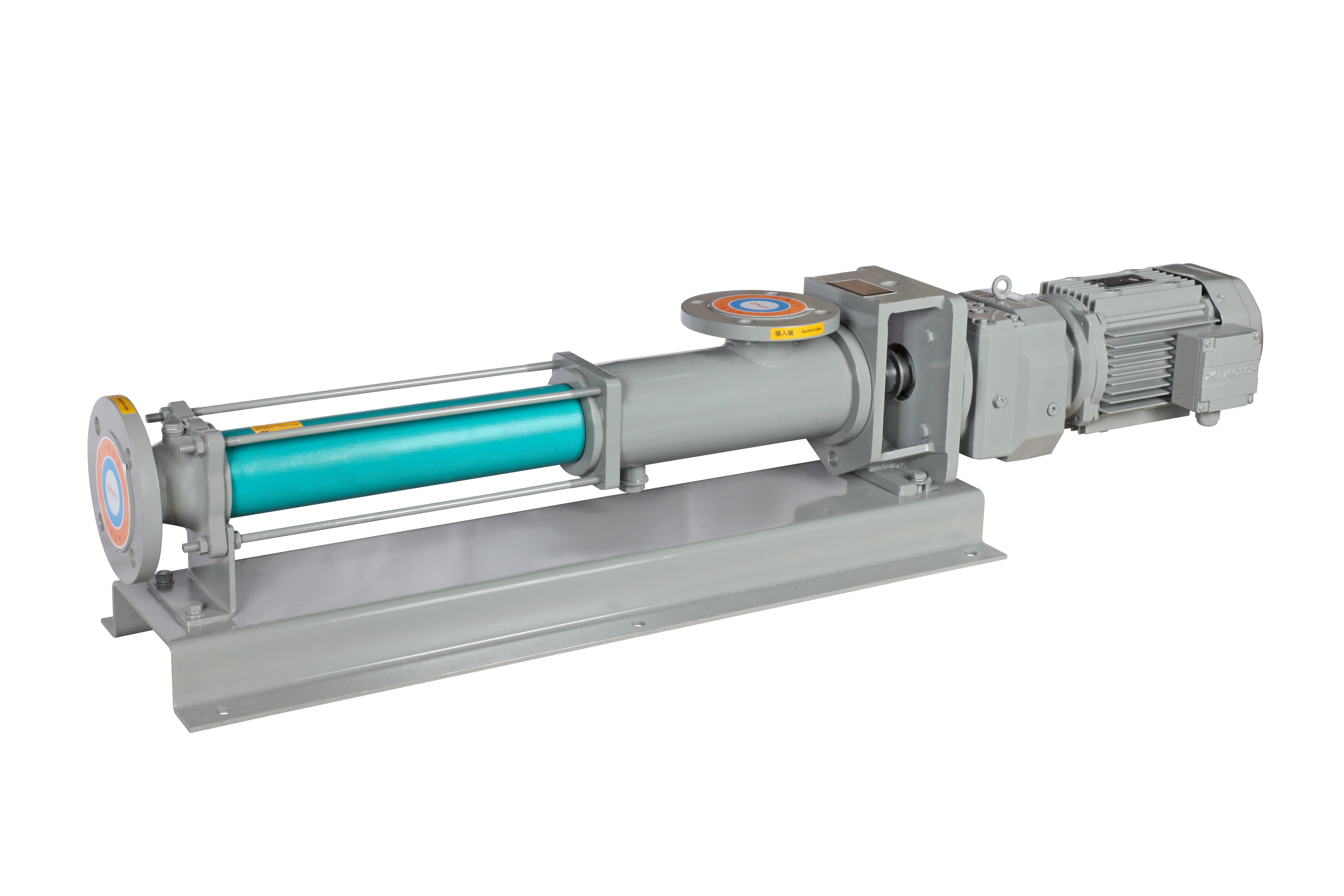
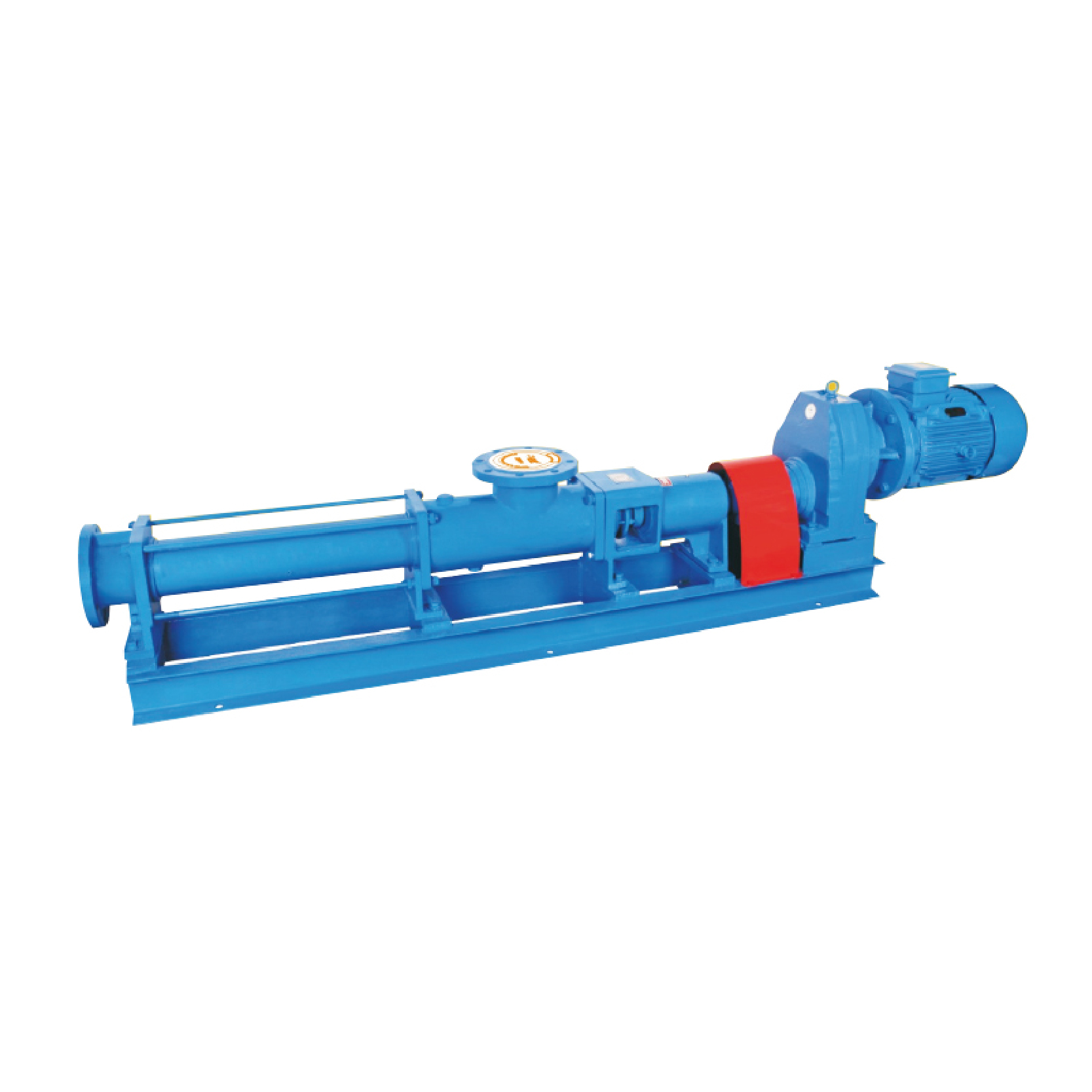
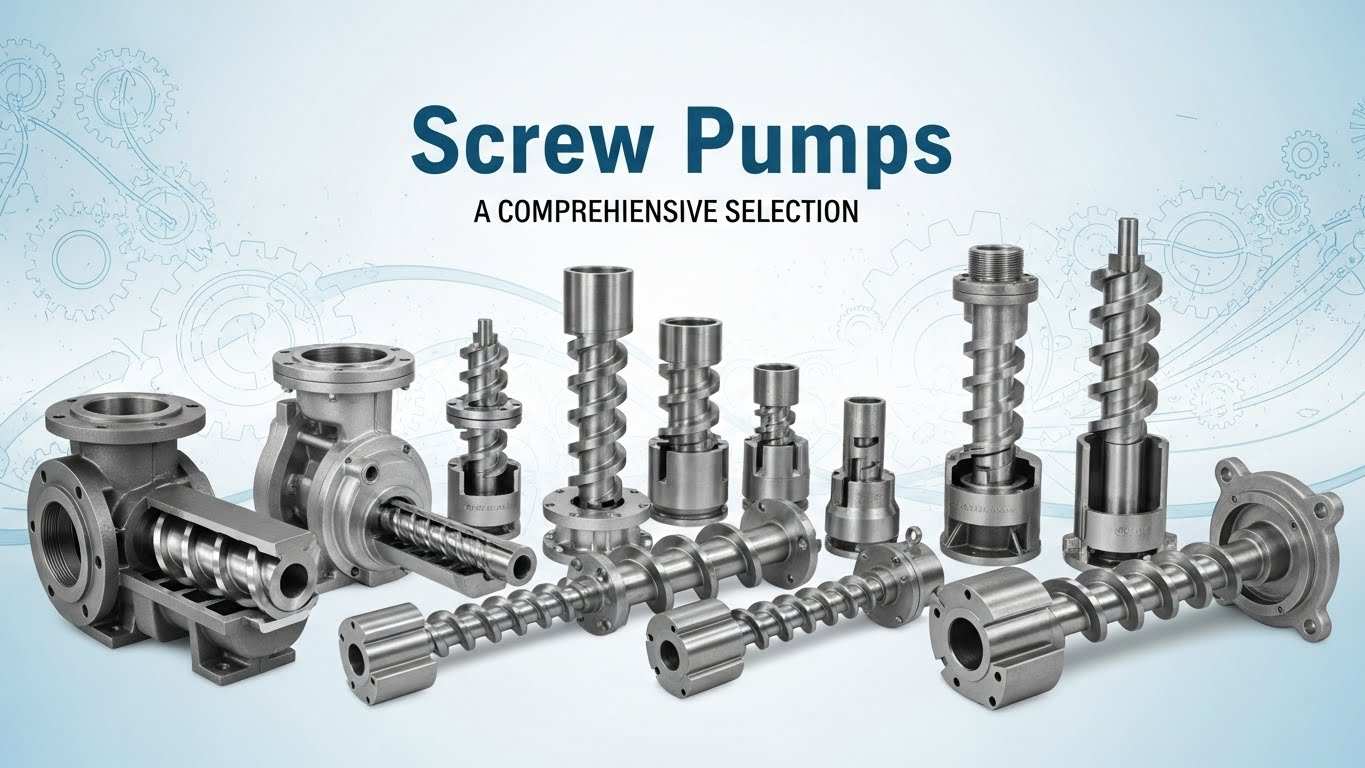
Screw Pumps

To fully leverage screw pumps’ strengths of pressure stabilization, quantitative delivery and low pulsation and mitigate various lubrication‑related risks of machine tools, the following key points shall be emphasized during practical installation, commissioning and operation‑maintenance:


1. Precisely match flow rate and pressure to compensate pipeline pressure drop

Long‑travel machine‑tool guideways feature lengthy oil pipelines with numerous bends, producing significant pressure loss along flow paths. When selecting screw pumps, rated parameters alone shall not be taken as reference. Pipeline pressure drop shall be calculated in advance with adequate flow‑rate and‑pressure margins reserved, so that lubricant can reach the farthest ends of guideways and eliminate excessive oil supply at near ends and insufficient supply at far ends.

2. Scientifically arrange lubrication points and oil‑circuit structures

Oil discharge points shall be precisely placed on high‑load sliding surfaces of guideways, slider contact surfaces and stressed dovetail‑groove zones to ensure priority oil supply for critical friction positions. Oil‑circuit design shall be simplified as much as possible with fewer bends and dead corners, securing uniform oil delivery across the whole circuit and forming intact, continuous and gap‑free oil films on guideways.

3. Standardize pump installation to avoid cavitation and suction starvation

Screw pumps shall be mounted close to oil tanks to shorten suction pipelines. Suction pipelines shall be short, straight and thick with minimal valves and bends to reduce suction resistance, preventing pump suction starvation, cavitation and oil‑supply fluctuation for long‑term stabilized oil delivery.

4. Dynamically monitor oil temperature and oil pressure to adapt to changing operating conditions

Oil temperature directly affects lubricant viscosity and oil‑film strength. During operation‑maintenance, oil temperature and pump working pressure shall be monitored in real time. Lubrication intervals and oil‑supply duration shall be fine‑tuned according to seasonal temperature differences and machining‑load variations to satisfy lubrication requirements under diverse working conditions.


III. Core Technical Difficulties of Screw‑Pump Machine‑Tool Guideway Lubrication

Screw Pumps

Given complex machine‑tool operating conditions, several common industry‑wide difficulties persist in practical screw‑pump‑based guideway lubrication. These constitute major contributors to guideway wear and accuracy degradation:


1. Difficulty achieving uniform oil‑film thickness over long guideways

Pressure decay is inherent in long‑distance oil circuits, resulting in thick oil films near the pump end and thin films at remote guideway sections with uneven lubrication. Prolonged operation gives rise to oil overflow at near ends and dry abrasive wear at far ends, offsetting guideway parallelism and lowering machine‑tool positioning accuracy. Commissioning and root‑cause remediation prove challenging.

2. Gas lock induced by intermittent start‑stop triggers instantaneous dry wear

After machine‑tool intermittent shutdown, lubricant flows back from pipelines and air invades oil circuits. Subsequent screw‑pump startup brings about gas lock and oil‑supply lag, causing momentary oil‑free lubrication of guideways. Cumulative effects produce micro‑scratches and scoring on guide surfaces and impair guideway flatness.

3. Machine‑tool vibration undermines oil‑supply stability

Sustained vibration from cutting operations impairs rotor meshing precision of screw pumps and loosens pipeline joints, leading to minor fluctuations in flow rate and pressure, deteriorated oil‑film stability and aggravated irregular guideway wear.

4. Insufficient lubrication adaptability under seasonal temperature variations

In non‑constant‑temperature workshops, lubricants turn viscous in winter, increasing pump load and delaying oil delivery; in summer, lubricants become thin with reduced oil‑film load‑bearing capacity, and oil‑film rupture may occur during heavy‑duty machining. Screw‑pump systems with fixed parameters cannot self‑adapt to seasonal viscosity shifts.

5. Concealed pump wear indirectly causes guideway accuracy loss

Long‑term operation gradually wears screw‑pump rotors and bushings, generating internal leakage as well as degraded pressure and flow rate. Such faults are highly concealed and hardly detected by operation‑maintenance personnel. Consequences include insufficient guideway lubrication, accelerated wear and out‑of‑tolerance machined workpieces.


IV. Practical Optimization Solutions for Screw‑Pump Guideway Lubrication Systems


Targeting the above‑mentioned key difficulties and considering differentiated operating conditions for rough‑cutting and precision‑machining machine tools, implementable optimization measures are summarized as below:


  •  For long‑travel machine tools, select equipment with reserved flow‑rate and‑pressure margins and precisely calculate pipeline pressure drop to guarantee uniform oil supply across full guideway spans.
  •  Install exhaust valves at high‑points of oil circuits for scheduled air purging to completely resolve gas lock and oil‑supply lag upon startup‑shutdown.
  •  Upgrade high‑precision filtering assemblies and reinforce system sealing to block iron chips, dust and other impurities and prevent oil‑circuit clogging and lubricant deterioration.
  •  Dynamically adjust lubrication cycles and oil‑supply duration according to winter‑summer temperature differences and machining conditions to accommodate lubricant viscosity variations.
  •  Select lubricants differentiated for rough‑cutting and precision‑machining machine tools: prioritize extreme‑pressure anti‑shock performance for rough‑cutting scenarios, and low temperature‑rise plus anti‑crawling performance for precision‑machining scenarios.
  •  Periodically test screw‑pump pressure, flow rate and internal‑leakage status to predict pump aging faults in advance and avoid concealed guideway wear.
  •  Optimize pipeline shock‑absorbing fixing structures to mitigate impacts of machine‑tool vibration on oil‑supply systems and secure stable oil films.


V. Conclusion


Machine‑tool guideway lubrication faces pain points including load fluctuation, tendency toward crawling, lubricant emulsification‑contamination risks and challenging temperature‑rise control. Featuring pressure stabilization, low pulsation and precise quantitative delivery, screw pumps suit centralized lubrication of machine tools and address challenges such as uneven oil supply over long guideways, gas lock and vibration‑induced wear. Teffiko delivers customized screw‑pump lubrication solutions. For consultation, please visit [www.teffiko.com]or email:sales@teffiko.com.


Related News
Leave me a message
  • BACK TO ATHENA GROUP
  • X
    We use cookies to offer you a better browsing experience, analyze site traffic and personalize content. By using this site, you agree to our use of cookies.Privacy Policy
    RejectAccept