News

Comparison of OH Pump and BB Pump Configurations

2026-08-31 0 Leave me a message

API 610 serves as the core general standard for horizontal centrifugal pumps in petrochemical, oil‑gas and chemical industries. This standard classifies industrial centrifugal pumps into three core configurations: OH overhung pumps, BB between‑bearings pumps, and VS vertical suspended pumps. With years of in‑depth R&D and manufacturing expertise in API 610‑compliant pumps, Teffiko delivers highly reliable fluid‑transport solutions for diverse industries through standardized structural design and rich experience in adapting to demanding operating conditions.


I. Basic Definitions of Three API 610 Pump Types


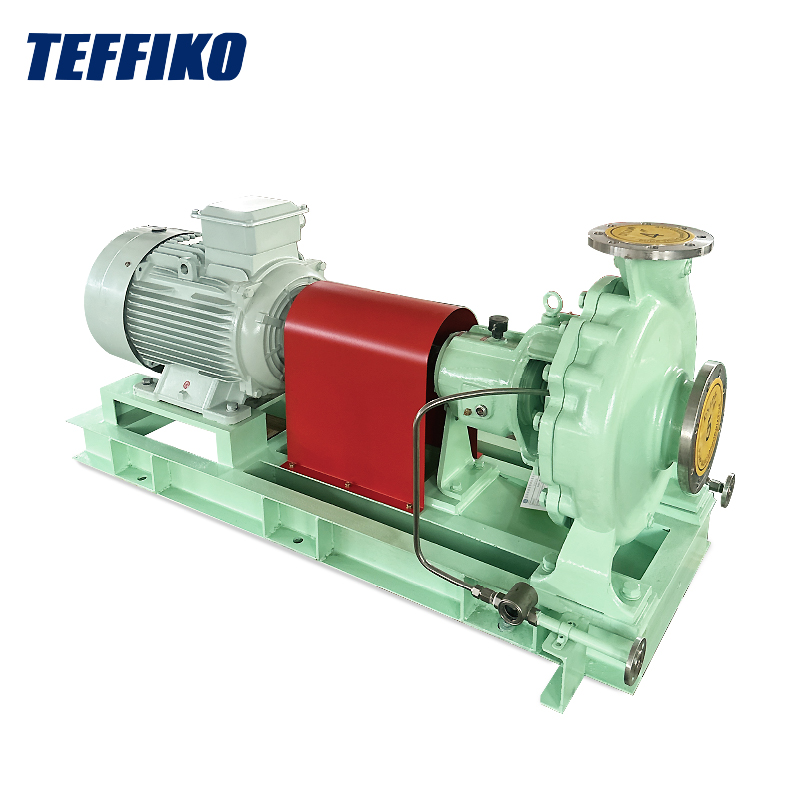
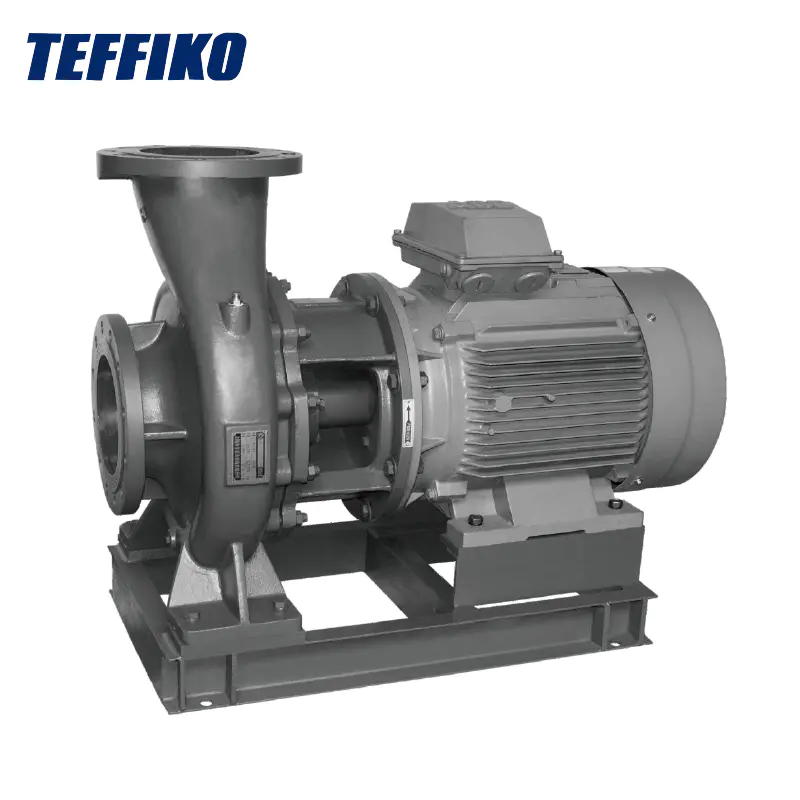
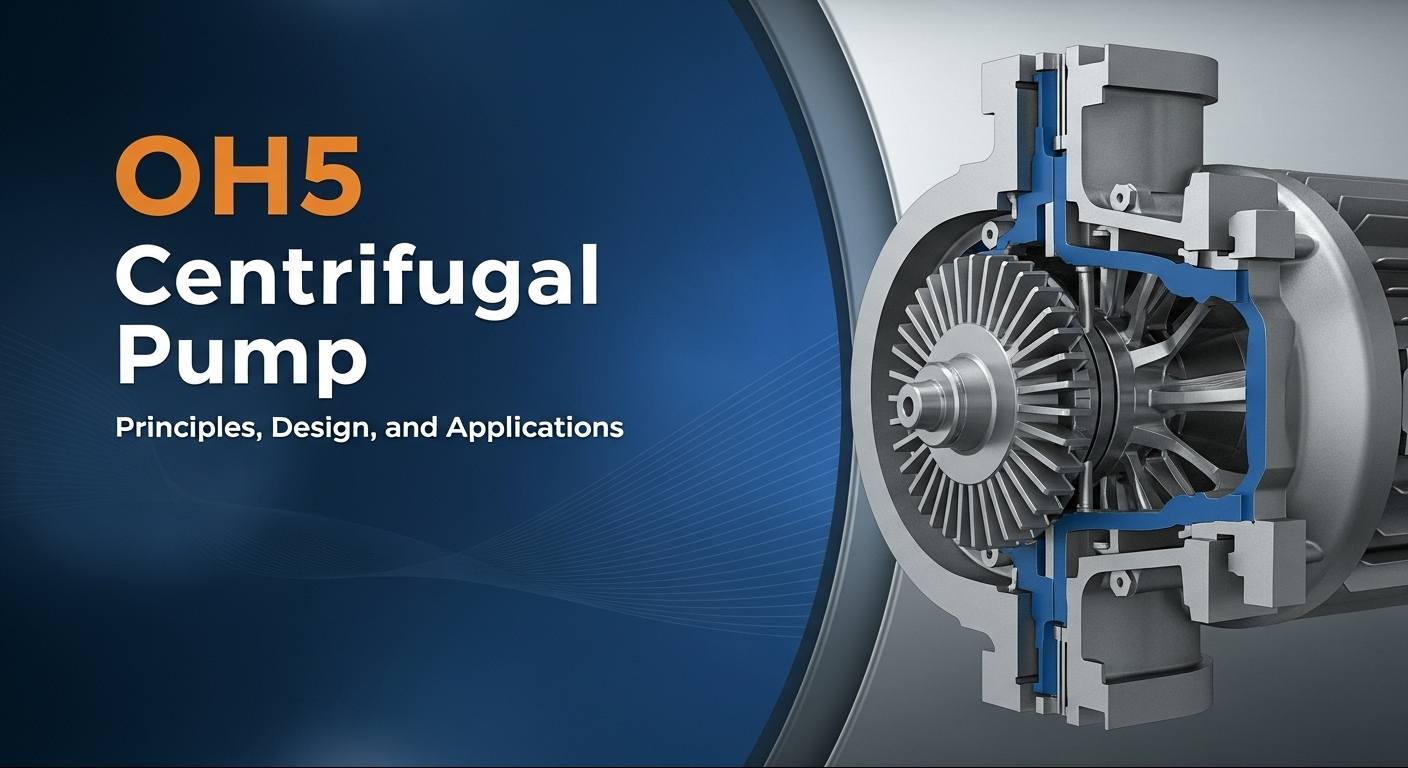
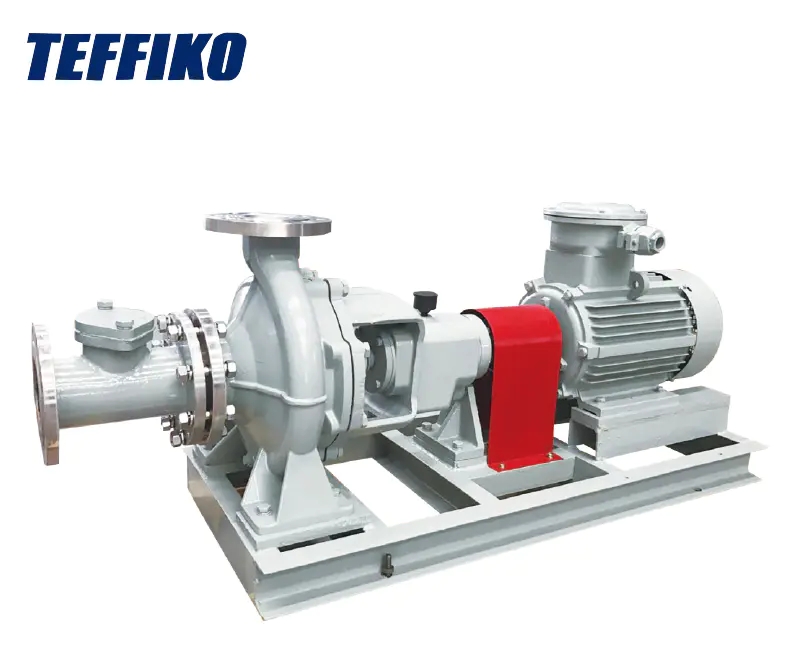
OH (Overhung Pump): The impeller is mounted at the end of the pump shaft, cantilevered outside the bearing housing. The bearing assembly is completely isolated from the process fluid. It is a mainstream lightweight horizontal pump type.


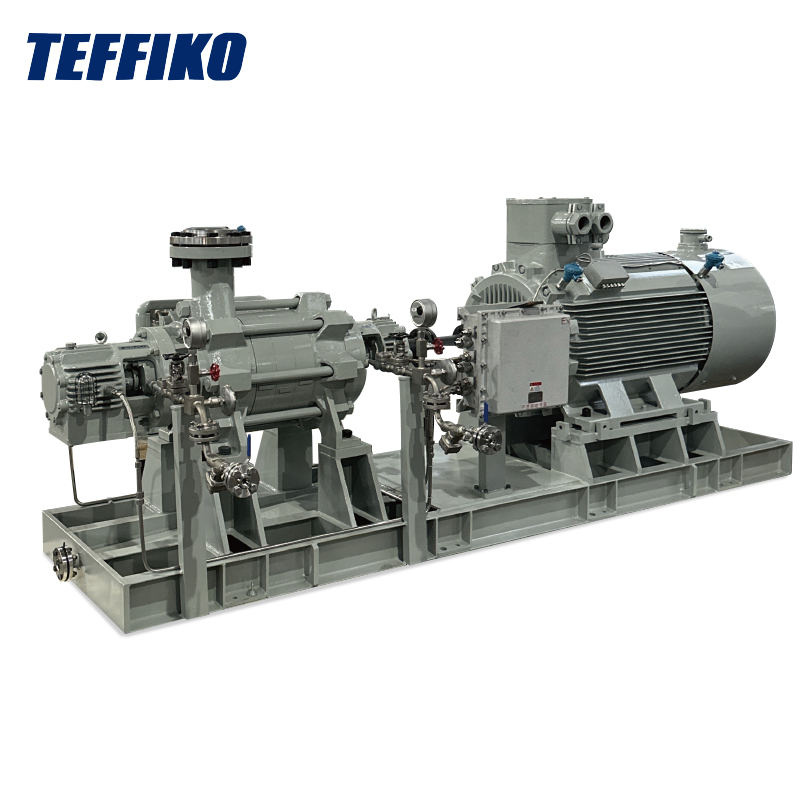
BB (Between‑Bearings Pump): The impeller is arranged between two sets of bearings with a symmetric support structure, which greatly improves rotor balance and overall support rigidity for demanding operating conditions.


VS (Vertical Suspended Pump): The pump shaft and impeller are vertically suspended and immersed in the transported fluid. It is mostly applied in vertical deep‑water and in‑tank transport scenarios and will not be discussed in detail in this document.


II. Full‑Dimensional Analysis of OH Overhung Pumps

 OH Overhung Pumps

1. Sub‑types


  •  OH1: Base‑mounted end‑suction pump with an independent bearing bracket, the most common basic model.
  •  OH2: Centerline‑mounted casing for temperature‑fluctuating service, fitted with an independent bearing housing.
  •  OH3/OH4/OH5: Vertical derivative models with close‑coupled or separately‑driven structures.
  •  OH6: Integral‑gear high‑speed design, dedicated to light‑hydrocarbon transport and gas compression auxiliary applications.


2. Core Advantages


Compact overall structure with small footprint, suitable for projects with space constraints; simple maintenance operations; convenient inspection and replacement of mechanical seals and impellers, which significantly reduces downtime; suitable for stable‑pressure and moderate‑hydraulic‑load conditions, and exhibits excellent adaptability for utility service duties.


3. Operating‑Condition Limitations


Restricted by the overhung structure, high shaft deflection risk occurs under large‑impeller‑diameter and high‑pressure conditions, which may easily cause excessive vibration. It is not suitable for high‑flow, high‑temperature, high‑pressure continuous heavy‑duty production systems. It features short service life and rapid seal wear under long‑term severe operating conditions.


4. Typical Application Scenarios


Plant utility water transport, chemical reagent dosing, light‑hydrocarbon transfer, auxiliary process‑fluid transport and other non‑critical, intermittent or low‑load duties.


III. Full‑Dimensional Analysis of BB Between‑Bearings Pumps

BB Between‑Bearings Pumps

1. Sub‑types


  • - BB1: Axially‑split construction supporting single‑suction or double‑suction fluid transport.
  • - BB2: Radially‑split single‑stage pump, the mainstream model for high‑pressure single‑stage service.
  • - BB3: Axially‑split multi‑stage pump for medium‑to‑high‑pressure multi‑stage pressurization.
  • - BB4: Radially‑split segmental multi‑stage construction.
  • - BB5: Barrel‑type radially‑split multi‑stage pump, specifically designed for ultra‑high‑pressure demanding duties.


2. Core Advantages


Symmetric rotor‑support design enables strong load adaptability and extremely high shaft stability; capable of long‑term operation under high‑temperature and high‑pressure conditions with low dynamic shaft loads; balanced rotor forces effectively reduce equipment vibration and axial thrust, delivering far superior operational stability compared with OH pumps.


3. Operating‑Condition Limitations


Heavier equipment weight, larger footprint, and requirements for robust and firm equipment foundations; sophisticated and complex structures, especially for multi‑stage BB pumps; cumbersome disassembly and maintenance procedures with heavy maintenance workload and strict requirements for alignment accuracy during installation.


4. Typical Application Scenarios


Oil‑gas long‑distance pipeline transportation, oilfield water‑injection systems, refinery amine‑liquid circulation, high‑temperature tower‑bottom discharge, boiler feed‑water pressurization and other critical continuous‑production duties.


IV. Detailed Comparison of Core Configurations between OH Pumps and BB Pumps


To facilitate quick differentiation of hardware configurations, performance and operation‑maintenance differences between the two pump types, the following complete comparison table under API 610 standard covers core selection parameters:


Comparison Item OH Overhung Pump BB Between‑Bearings Pump
Shaft Support Method Single‑end overhung support Dual‑bearing symmetric support
Footprint and Foundation Compact size with simple foundation Large size requiring reinforced foundation
Pressure Handling Capacity Suitable for moderate pressure Suitable for high / ultra‑high pressure
Flow Capacity Low‑to‑medium flow Medium‑to‑high flow with strong load tolerance
Ease of Maintenance Simple structure with convenient maintenance Complex structure with extensive maintenance procedures
Axial Load and Deformation Shaft deflection occurs; moderate stability Balanced loads with no significant deformation
Rotor Dynamics Performance Limited rigidity margin with relatively low rotational speed Sufficient rigidity, low vibration and high stability
Bearing Type Ball / roller anti‑friction bearings Sleeve / tilting‑pad thrust bearings
Seal Configuration Conventional single / double cartridge mechanical seals Flush‑type / tandem high‑pressure seals
Commonly Used Materials 316 stainless steel, duplex stainless steel Chrome steel, Inconel, Hastelloy


 V. Selection Summary


For projects pursuing low‑cost, convenient operation and maintenance with limited space, under medium‑to‑low‑pressure, small‑to‑medium‑flow auxiliary utility‑service conditions, OH overhung pumps are preferred. For critical continuous‑production units subjected to high‑temperature, high‑pressure and high‑flow conditions with stringent requirements for equipment stability, low failure rate and long service life, BB between‑bearings pumps must be adopted. Actual pump selection requires comprehensive evaluation of parameters such as medium corrosivity, viscosity and start‑stop frequency to balance equipment reliability and project economy.


For customized procurement requirements, technical information, samples, pricing or bulk‑order solution enquiries, please contact us immediately via (https://www.teffiko.com). Collaborate with the TEFFIKO team to discuss your application requirements and identify appropriate solutions for your production needs.


Related News
Leave me a message
  • BACK TO ATHENA GROUP
  • X
    We use cookies to offer you a better browsing experience, analyze site traffic and personalize content. By using this site, you agree to our use of cookies.Privacy Policy