News

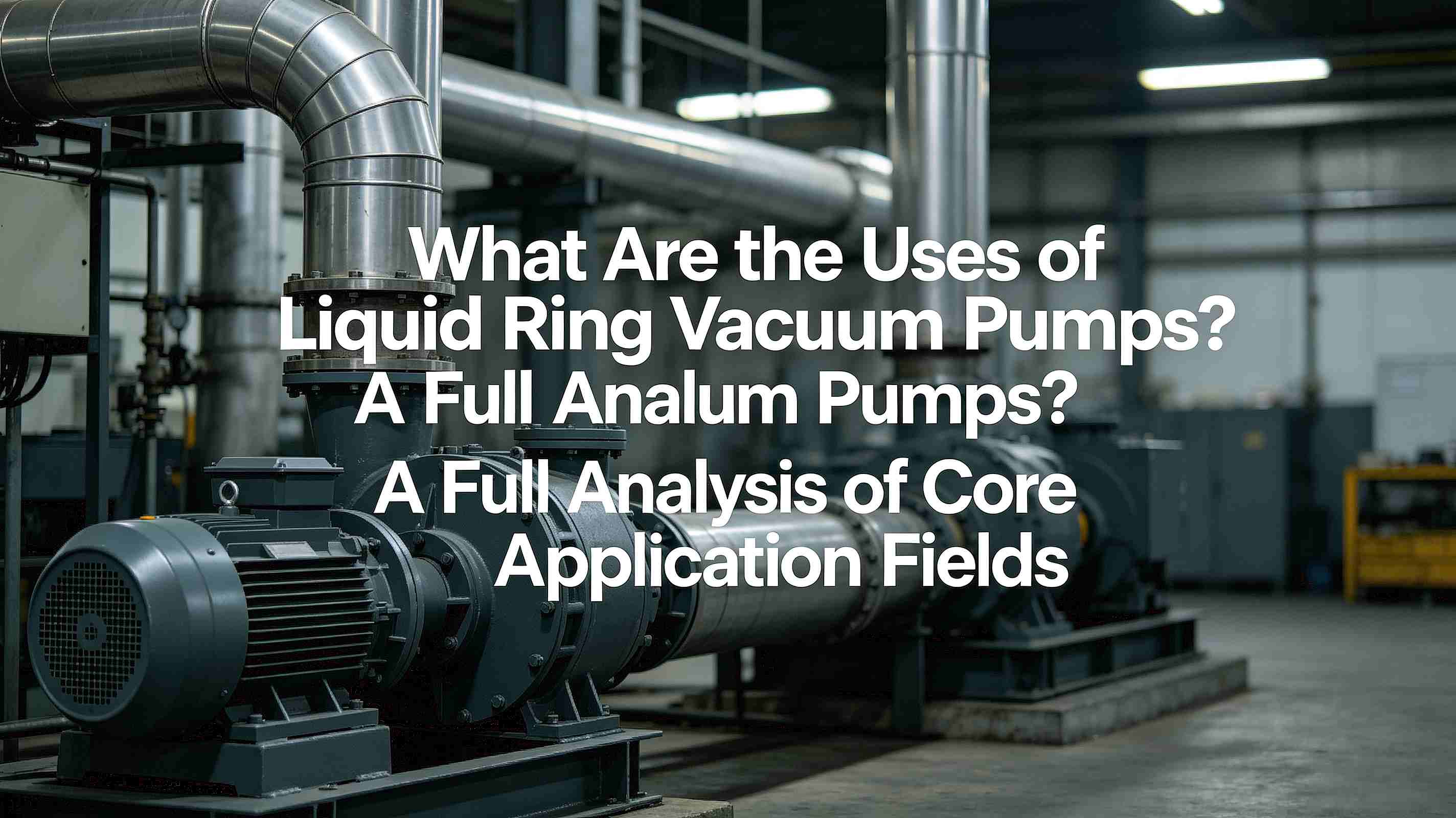
What Are the Uses of Liquid Ring Vacuum Pumps? A Full Analysis of Core Application Fields

2026-08-26 0 Leave me a message

Many industrial users ask about the practical uses of liquid ring vacuum pumps during equipment selection. As reliable industrial vacuum equipment, Teffiko liquid ring vacuum pumps adopt a unique structure suitable for humid, dusty and corrosive working conditions, outperforming traditional screw and rotary vane pumps. Designed for rough vacuum applications, they provide stable oil-free negative pressure and basic gas compression for chemical, pharmaceutical, food, power and light industry processes. This article by Teffiko systematically introduces their working principles, core advantages, system types, industrial applications and maintenance tips.

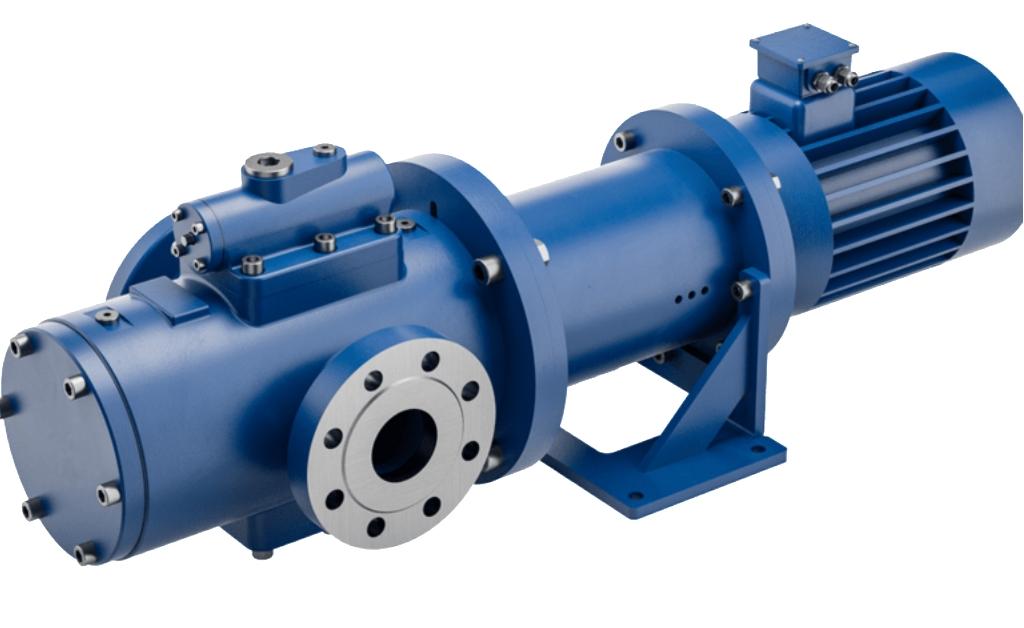
Industrial Liquid Ring Pumps

1. Core Advantages of Liquid Ring Vacuum Pumps: The Foundation of Versatile Applications

Liquid ring vacuum pumps are widely applicable for industrial rough vacuum tasks thanks to their unique structural and operational strengths. Teffiko liquid ring vacuum pumps operate oil-free without mechanical friction, delivering clean and high-quality vacuum. They feature built-in gas cooling and medium purification, effectively resisting clogging, corrosion and failure when handling wet steam, impure and corrosive gases. With a simple, sturdy structure, low noise and low failure rate, the pumps support 24-hour continuous operation with minimal maintenance and low running costs, ideal for long-term, high-intensity industrial production.

2. Three Main System Types of Liquid Ring Vacuum Pumps

To fit diverse industrial working conditions, Teffiko divides liquid ring vacuum pump systems into three mainstream types to match different production scales and medium environments.

1. Single-pass System: The sealing fluid passes through once and discharges directly without circulation. With simple structure and low cost, it suits low-intensity, non-critical vacuum operations, commonly used for general light industry auxiliary processes.

2. Partial Circulation System: Part of the sealing fluid circulates while waste fluid is replaced. It balances cost and efficiency, fitting medium-intensity humid gas conditions and serving as the preferred solution for small and medium-sized factories.

3. Full Circulation System: Equipped with a heat exchanger, it realizes fully closed fluid circulation with negligible medium loss. Stable and energy-saving, it adapts to high-humidity, high-intensity continuous production and is widely adopted for large-scale chemical and power projects.

3. Working Principle of Liquid Ring Vacuum Pumps

Liquid ring vacuum pumps mostly use water or special anti-corrosion fluid as the working medium, with an eccentric impeller as the core component. During operation, the rotating impeller pushes fluid outward via centrifugal force to form a sealed liquid ring. Variable-volume air chambers between the liquid ring and blades continuously suck, compress and discharge gas, creating stable negative pressure to support various industrial vacuum processes.

4. Main Industrial Application Fields of Liquid Ring Vacuum Pumps

Thanks to excellent cleanness, moisture resistance, corrosion resistance and stability, liquid ring vacuum pumps are widely used across light industry, heavy industry, precision manufacturing and environmental protection. The core applications are listed below:

1. Power and Light Industry: Stable Negative Pressure Auxiliary Production

In the power industry, liquid ring vacuum pumps evacuate condenser air and vapor to stabilize vacuum, improve power generation efficiency and secure stable unit operation. In papermaking, textile and plastic industries, they handle pulp dewatering, fabric drying, molding degassing and tail gas treatment, reliably adapting to humid, slightly dusty working conditions with low maintenance needs.

2. Food and Beverage Industry: Clean Preservation and Process Optimization

Featuring oil-free operation, liquid ring vacuum pumps meet strict food and beverage hygiene standards. They are commonly used for beverage degassing, vacuum packaging, food freeze-drying pretreatment and fermentation tank negative pressure control. By removing internal air, they prevent oxidation, extend product shelf life, improve filling accuracy and ensure stable food quality.

3. Pharmaceutical Industry: Precision Clean Negative Pressure Process Support

Pharmaceutical production demands ultra-clean and stable vacuum environments. Liquid ring vacuum pumps provide oil-free, contamination-free negative pressure for raw material drying, liquid degassing, material filtration, equipment sterilization and fermentation tank pressure regulation. They effectively avoid material pollution and deliver higher stability for solvent and humid gas extraction than traditional vacuum equipment.

4. Chemical Industry: Professional Equipment for Corrosive and Harsh Working Conditions

Chemical processes often produce high-temperature wet steam, volatile and corrosive gases that easily damage ordinary vacuum pumps. Liquid ring vacuum pumps cool hot gas and neutralize partial corrosive media, adapting to harsh chemical conditions. They are widely used for vacuum distillation, concentration, filtration, reactor negative pressure control, solvent recovery and flare gas recovery, stabilizing production and improving raw material utilization.

5. Environmental Protection and General Industry: Multifunctional Negative Pressure Supporting Operation

Beyond mainstream industries, liquid ring vacuum pumps serve general industry and environmental protection scenarios, including coal mine gas extraction, wastewater treatment, wood drying, battery production and tail gas recovery. Capable of 24-hour stable operation against moisture and minor impurities, they support pressure stabilization, material drying and gas recovery for most rough vacuum processes.

5. Basic Maintenance Tips for Liquid Ring Vacuum Pumps

Proper daily maintenance extends the service life and reduces downtime of Teffiko liquid ring vacuum pumps. Core maintenance guidelines include three key points:

1. Seal Inspection: Regularly check gaskets, packing and mechanical seals, and replace aging parts timely to avoid vacuum loss from leakage.

2. Working Fluid Management: Keep the working fluid clean. Regularly replace deteriorated fluid and remove impurities to prevent scaling, clogging and internal corrosion.

3. Component Check: Routinely inspect the wear of key parts such as impellers and bearings, track operating status and eliminate hidden faults to ensure stable continuous operation.

6. Conclusion: Core Practical Value of Liquid Ring Vacuum Pumps

Liquid ring vacuum pumps deliver stable oil-free negative pressure for humid, dusty and corrosive industrial scenarios, acting as essential equipment for modern vacuum production, material purification and waste gas recovery. As a professional vacuum solution provider, Teffiko offers mature, customized vacuum system services. For technical consultation, samples, quotations or bulk orders, contact our TEFFIKO team to get tailored liquid ring vacuum pump solutions for your production conditions.


Related News
Leave me a message
  • BACK TO ATHENA GROUP
  • X
    We use cookies to offer you a better browsing experience, analyze site traffic and personalize content. By using this site, you agree to our use of cookies.Privacy Policy