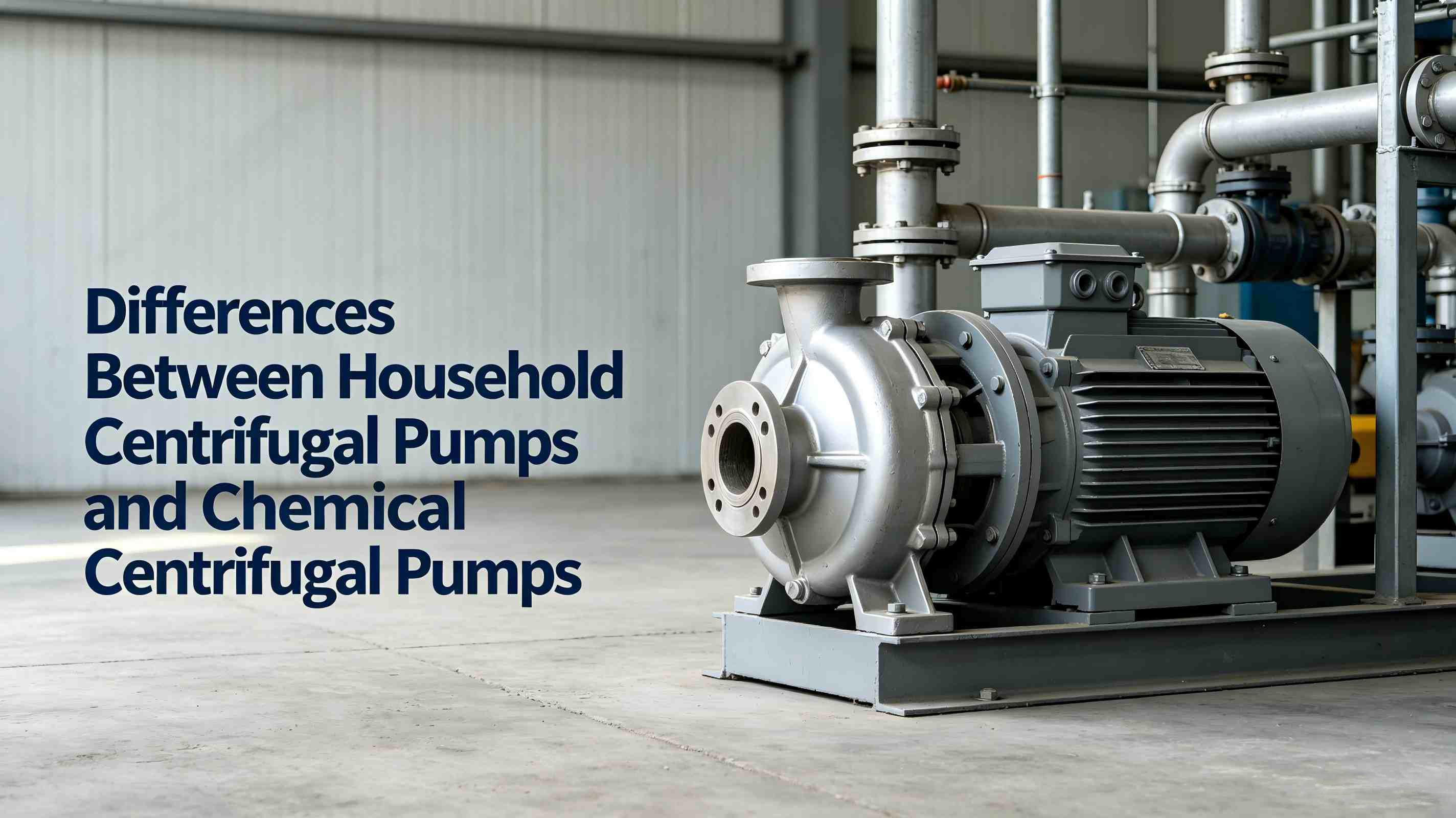
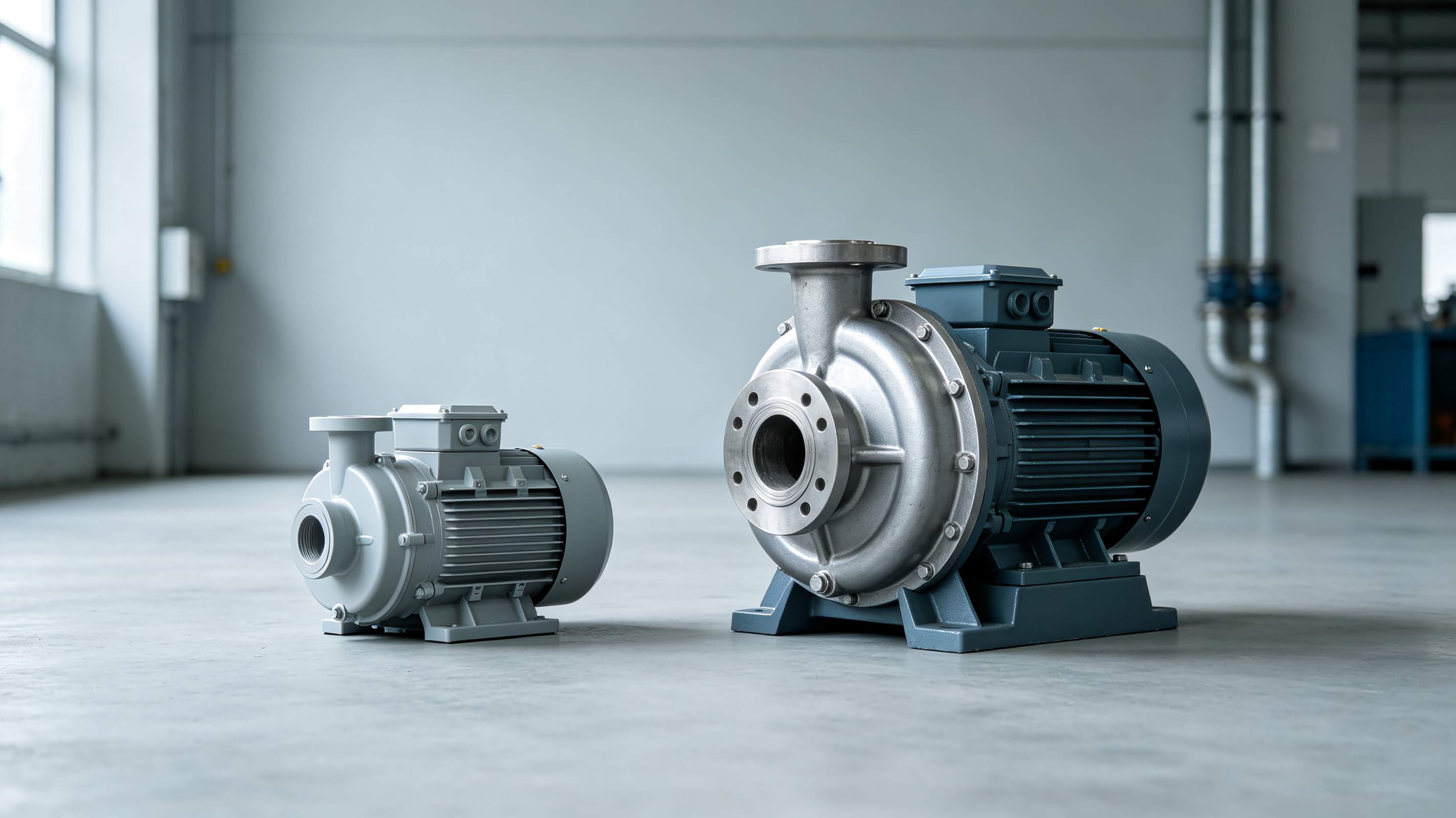
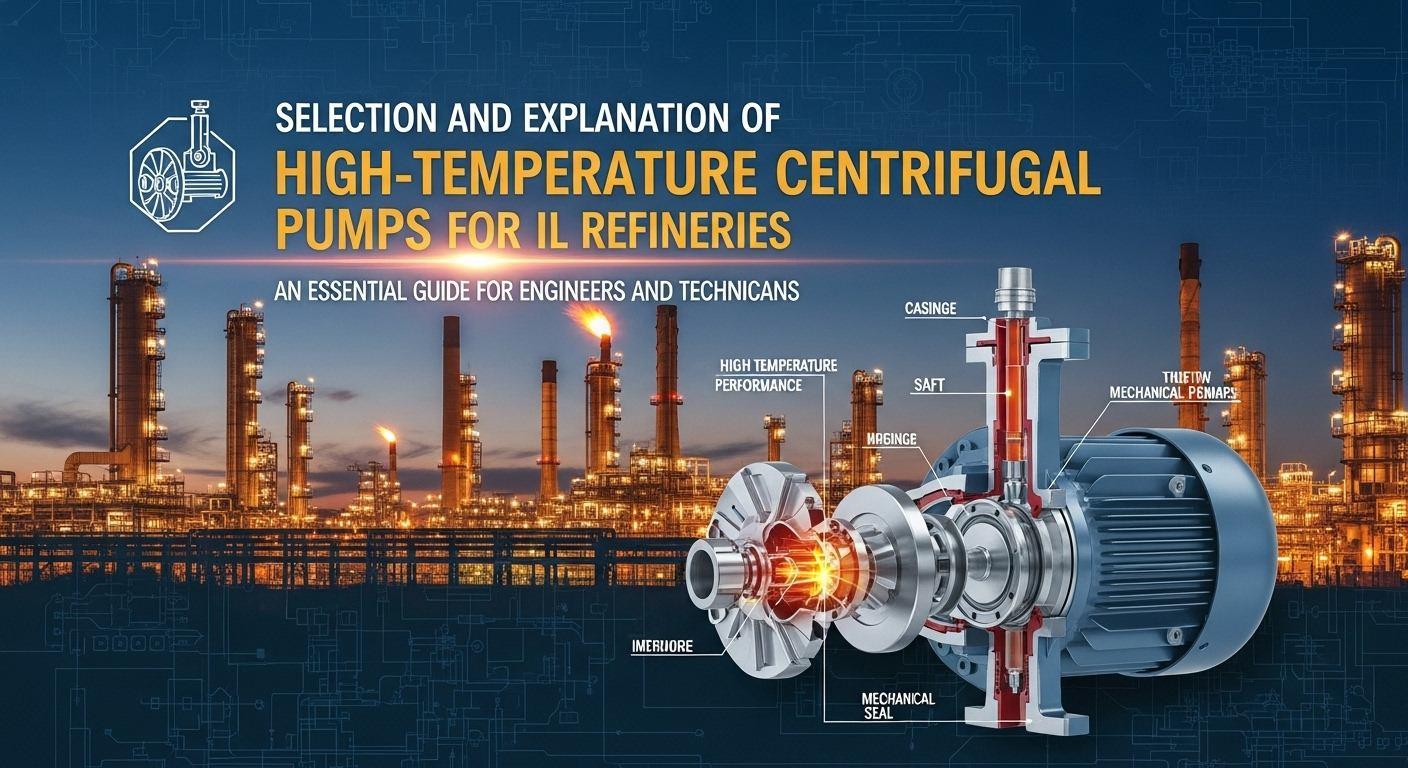
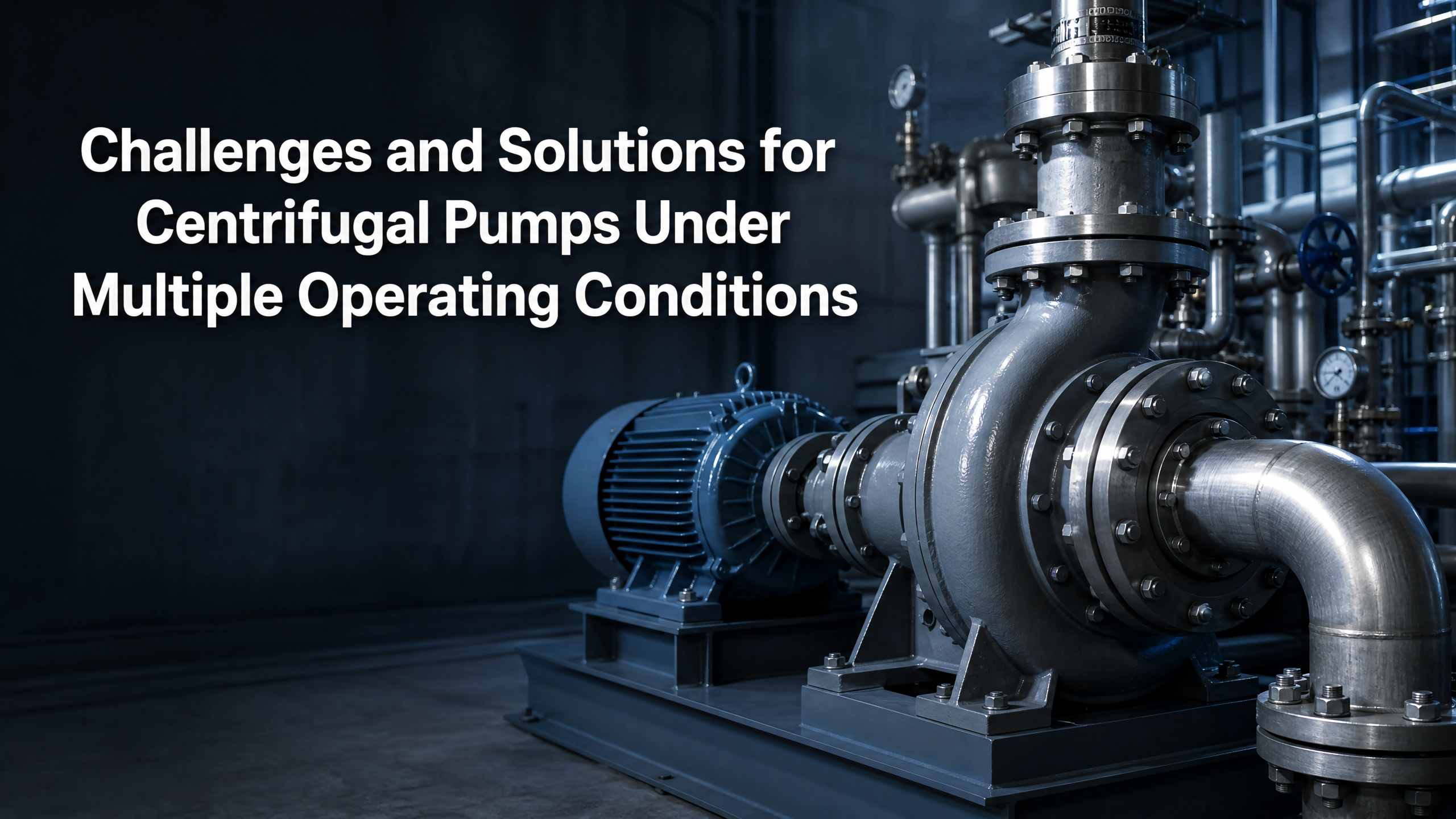
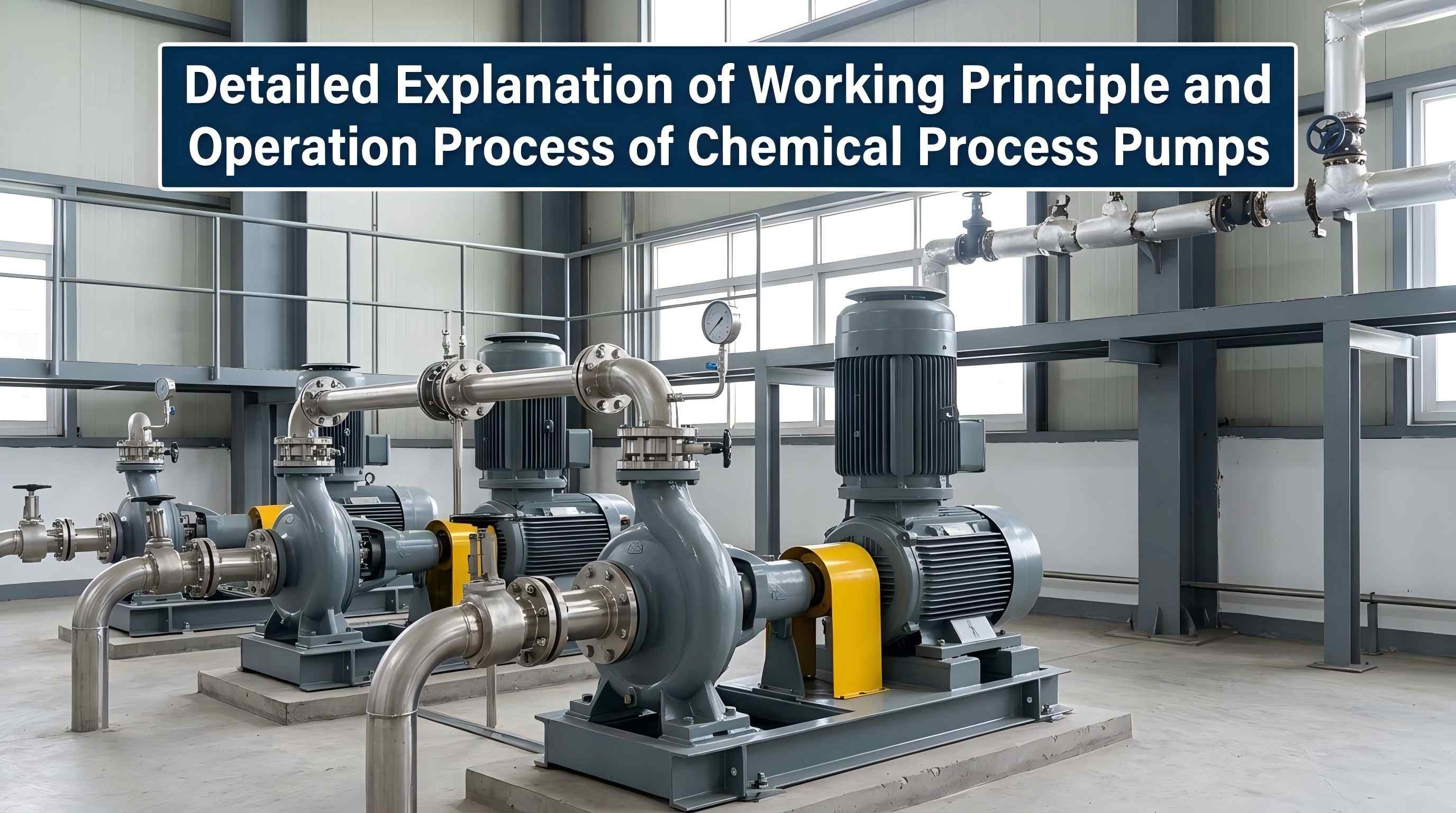
In the selection and practical application of centrifugal pumps, household centrifugal pumps and chemical centrifugal pumps are often confused and arbitrarily replaced by users, triggering failures such as equipment damage, pipeline bursting and medium leakage. As a professional pump‑valve equipment brand TEFFIKO, we clarify that the two types of pumps have essential differences in material‑processing technology, sealing technology, structural design and working‑condition adaptability. Combining accurate parameters and practical working conditions, this paper elaborates on their differences to help users select models scientifically and avoid risks caused by mixed use.
Material is the core factor determining the applicable scenarios, corrosion resistance and service life of centrifugal pumps. Household pumps and chemical pumps adopt material‑selection standards fully matching their respective working conditions, and they are not interchangeable.
Centered on cost control and meeting daily clean‑water delivery demands, household centrifugal pumps mainly adopt ordinary cast iron, 304 stainless steel, PP/ABS engineering plastics. These materials feature high cost‑performance, simple processing technology and low‑threshold subsequent maintenance.
Such materials are only suitable for clean impurity‑free, acid‑alkali‑free and non‑corrosive clean‑water media. They are perfectly applicable to civil scenarios such as household tap‑water boosting, whole‑house water supply, garden irrigation, small‑sized fish‑pond water circulation and water‑heater pressure boosting. Nevertheless, they have limited erosion resistance, high‑temperature resistance and pressure‑bearing capacity. Once exposed to corrosive fluids, they will rapidly suffer oxidation, rusting, perforation and damage.
Material selection for chemical centrifugal pumps is fully oriented toward anti‑corrosion, high‑low‑temperature resistance, penetration resistance and high strength. Ordinary civil materials are discarded, while special industrial materials such as 316L stainless steel, duplex steel, Hastelloy alloy, titanium alloy and fully‑fluorinated plastic lining are standard configurations.
Thanks to excellent material performance, chemical pumps can stably deliver strongly corrosive fluids such as sulfuric acid, hydrochloric acid and liquid caustic soda. Meanwhile, they are compatible with various organic solvents, high‑viscosity media and industrial media containing trace particles. They resist medium erosion and aging during long‑term operation, and are perfectly suited for harsh industrial scenarios including chemical industry, pharmaceutical manufacturing, electroplating, environmental‑protection water treatment and petroleum processing.
The sealing system serves as a core component of centrifugal pumps, directly affecting leakage‑proof capacity, operational stability and service life. It is also one of the most critical differentiated designs between the two types of pumps.
Household centrifugal pumps adopt ordinary single‑end mechanical seals or rubber oil seals, which feature simple structures and low costs for civil low‑pressure clean‑water working conditions. Such sealing structures normally serve only 1‑3 years and are prone to aging and wear after long‑term service.
During actual operation, the seals of household pumps allow slight leakage (a few drops per minute), which will not interfere with normal household water use. However, they cannot handle toxic, flammable or corrosive media, and will easily cause leakage‑induced pollution and safety hazards.
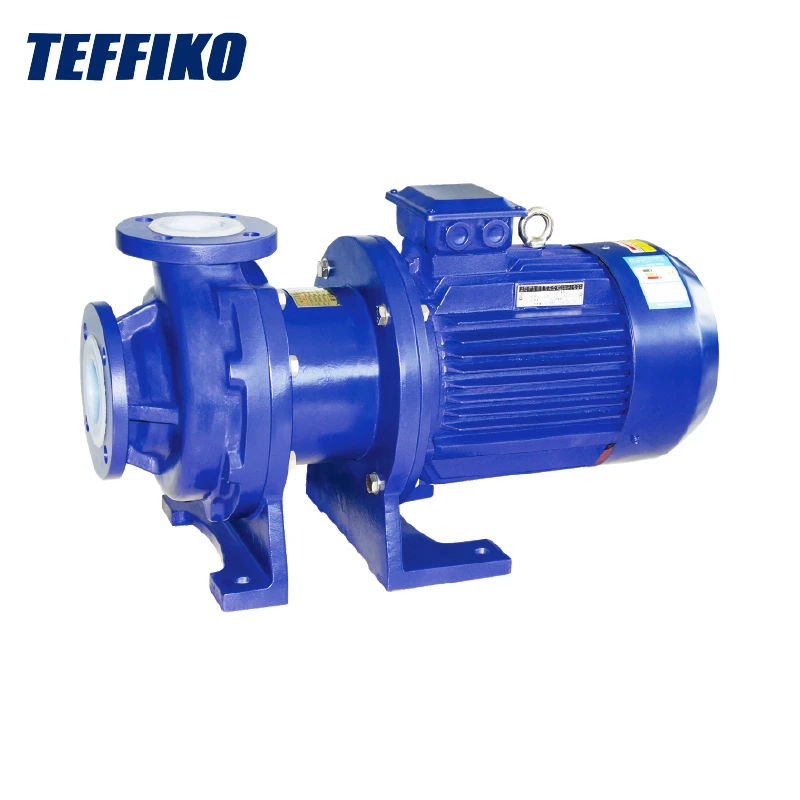
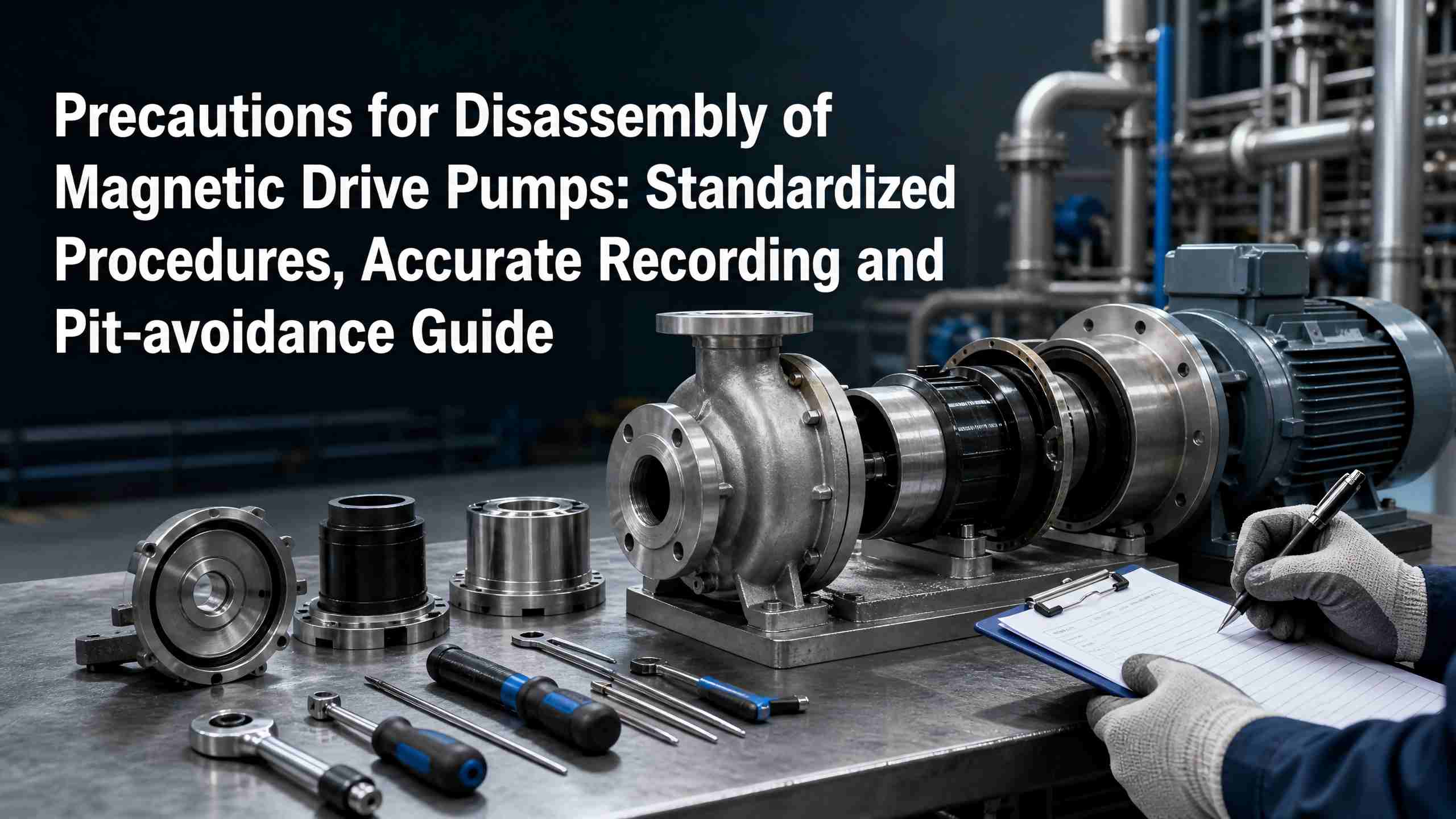
Targeting the high‑risk, leakage‑prone and pollution‑prone properties of chemical media, chemical centrifugal pumps are equipped with double‑end mechanical seals or magnetic‑coupling transmission sealing systems, which belong to high‑precision industrial‑grade sealing configurations.
Such sealing structures thoroughly eliminate medium leakage and realize 100% zero leakage. They can prevent strong acids, strong alkalis and toxic chemical media from leaking out to pollute the environment and harm personal safety, and also avoid explosion and fire accidents triggered by leakage of flammable and explosive media. They satisfy strict industrial safety‑production standards and support 24‑hour high‑intensity continuous operation.
Structural differences in impellers, bearings, pressure‑bearing capacity and connecting interfaces result in huge gaps in operational precision, pressure‑bearing capacity and anti‑clogging performance between the two pumps, whose working‑condition intensities vary completely.
Household centrifugal pumps adopt lightweight and simplified structures. Their impellers are mostly plastic closed/open impellers matched with ordinary ball bearings to meet basic wear‑resistance and operation requirements for clean‑water delivery.
They have low pressure‑bearing capacity within a conventional range of 0.2‑0.6 MPa, suitable for civil low‑pressure water‑supply pipelines. Threaded connections are adopted for easy installation and disassembly without professional tools, fitting simple household installation scenarios.
Chemical centrifugal pumps feature industrially‑oriented precise structural design with comprehensively reinforced core flow‑passing components. Impellers are industrial‑grade anti‑clogging all‑metal or fluorine‑lined impellers, capable of handling media containing trace solid particles with low clogging and wear risks. Bearings are upgraded to silicon‑carbide ceramic bearings with outstanding high‑temperature resistance, wear resistance and stability for long‑term continuous operation.
Their pressure‑bearing capacity is greatly improved, with a conventional range of 1.0‑10 MPa, and high‑pressure special models can reach up to 25 MPa, adapting to industrial high‑pressure fluid delivery conditions. Standard ANSI/DIN industrial flanged connections are applied for firm connection and strong sealing performance, preventing pipeline falling‑off and leakage under high‑pressure industrial pipeline long‑term stable operation.
Working‑condition adaptability is a core criterion for distinguishing household centrifugal pumps from chemical centrifugal pumps. It covers key parameters including medium viscosity, operating temperature, operation mode and load intensity, directly defining the application‑scenario boundaries of equipment.
Household centrifugal pumps have a narrow working‑condition adaptation range. They only support clean water or low‑viscosity harmless liquids with viscosity below 10 cP, and cannot process high‑viscosity, particle‑containing or corrosive media. They are subject to operating‑temperature limits, with an applicable temperature range of ‑10 ℃ ~ 40 ℃. Over‑temperature operation will cause component aging and motor damage.
Designed for intermittent operation instead of 24‑hour continuous running, the equipment has relatively high fault tolerance. Occasional dry‑running or slight overload will not cause immediate damage, yet long‑term high‑intensity continuous operation will lead to motor overheating, accelerated component wear and sharply shortened service life.
Chemical centrifugal pumps deliver powerful working‑condition adaptability. They can process media containing ≤5 % solid particles and high‑viscosity media with viscosity up to 500 cP, coping with various complex industrial fluids. They boast exceptional temperature resistance; specially‑designed models can operate within an ultra‑wide temperature range of ‑80 ℃ ~ 450 ℃, perfectly fitting special industrial working conditions such as low‑temperature freezing and high‑temperature heating.
Developed for industrial production lines, the equipment supports 24‑hour non‑stop high‑intensity continuous operation. It is equipped with multiple protective functions including dry‑burn‑out prevention, overload protection, explosion‑proof performance and leakage prevention. It features high operational precision and low fault tolerance, ensuring stable industrial production and avoiding production halts and safety accidents caused by working‑condition failures.
Household centrifugal pumps merely need to satisfy basic civil electromechanical‑product safety specifications, with no mandatory standards for explosion‑proof performance, corrosion resistance or zero leakage. They involve no high‑risk scenarios with low safety thresholds.
Chemical centrifugal pumps must strictly comply with API chemical‑pump standards, industrial explosion‑proof standards and environmental‑protection safety standards. Their materials, sealing, structures and motors are fully adapted to hazardous‑medium delivery requirements to effectively avoid industrial safety hazards such as corrosion, leakage, poisoning and explosion. They serve as core supporting equipment for industrial safety production.
Household centrifugal pumps have simple structures, general‑purpose fittings and low procurement costs. Hardly any daily maintenance is required apart from simple cleaning. Repair costs are low after failures, and their normal service life is 3‑5 years, fully meeting household demands.
Chemical centrifugal pumps have precise structures with numerous custom‑made special industrial fittings, leading to higher procurement costs. Regular inspection of wear‑and‑tear on seals, bearings and flow‑passing components is required with standardized maintenance procedures and relatively high maintenance costs. Nevertheless, they run stably under matching working‑conditions with longer service life and guarantee continuous operation of industrial production lines.
| Comparison Dimension | Household Centrifugal Pumps | Chemical Centrifugal Pumps |
|---|---|---|
| Core Materials | Cast iron, 304 stainless steel, PP/ABS plastics | 316L stainless steel, Hastelloy alloy, titanium alloy, fully‑fluorinated plastic lining |
| Sealing System | Ordinary oil seal / single‑end mechanical seal; allows slight leakage; service life: 1‑3 years | Double‑end mechanical seal / magnetic‑coupling transmission; industrial zero‑leakage |
| Structural Fittings | Plastic open/closed impellers, ordinary ball bearings | Anti‑clogging metal / fluorine‑lined impellers, silicon‑carbide ceramic bearings |
| Pressure‑Bearing Range | 0.2‑0.6 MPa | 1.0‑10 MPa (high‑pressure models up to 25 MPa) |
| Connection Mode | Threaded, Gardena quick‑connect | ANSI/DIN industrial flanges |
| Medium Viscosity | <10 cP; only clean‑water / low‑viscosity harmless liquids | ≤500 cP; handles high‑viscosity and trace‑particle‑containing media |
| Operating Temperature | ‑10 ℃ ~ 40 ℃ | ‑80 ℃ ~ 450 ℃ (custom‑made special models) |
| Operation Mode | Intermittent light‑load operation | 24‑hour continuous high‑intensity industrial operation |
| Applicable Scenarios | Household water supply, water‑heater pressure boosting, courtyard irrigation, small‑sized water circulation | Chemical industry, pharmaceutical manufacturing, electroplating, environmental‑protection, petroleum, industrial‑fluid delivery |
The two pumps differ completely in design positioning and working‑condition adaptability. Blind mixed use will trigger various failures and safety hazards, which is a key misconception to be avoided during model selection.
1. Household centrifugal pumps cannot replace chemical centrifugal pumps: Household pumps lack corrosion‑resistance, high‑temperature‑resistance, high‑pressure‑resistance and zero‑leakage capabilities. When delivering acidic‑alkali media or solvents, their pump bodies will be corroded rapidly and sealing structures damaged, resulting in medium leakage and safety accidents such as poisoning, corrosion and explosion, and direct equipment scrapping.
2. Chemical centrifugal pumps shall not replace household pumps: Chemical pumps deliver flow rates and pressures far beyond the adaptability of household pipelines. Forced household application will cause bursting of thin‑walled household pipelines and joint water leakage due to excessive pressure. Meanwhile, chemical pumps feature high energy consumption and redundant functions, resulting in extremely low cost‑performance for household use with no practical necessity.
Combined with differentiated characteristics of the two pumps, practical and precise model‑selection schemes are provided for different application scenarios:
For household civil scenarios: Prioritize silent auto‑start‑stop household centrifugal pumps for whole‑house water supply, pressure boosting and irrigation. They deliver low noise, low energy consumption and infrequent maintenance with optimal cost‑performance.
For industrial chemical scenarios: Provide detailed parameters including medium composition, viscosity, temperature and pressure according to actual working‑conditions. Magnetic‑drive chemical centrifugal pumps are preferred for their zero‑leakage advantage to thoroughly eliminate risks of chemical‑medium leakage and guarantee stable and safe production.
To sum up, the essential difference between household centrifugal pumps and chemical centrifugal pumps lies in the gap between civil lightweight design and industrial high‑intensity safety‑oriented design. Household pumps feature low‑cost and easy‑operation characteristics for clean‑water light‑duty working‑conditions; chemical pumps excel in strong anti‑corrosion performance, zero‑leakage property, wide working‑condition adaptability and high stability for various complex and hazardous industrial‑fluid delivery.
For customized sourcing requirements, technical information, samples, pricing, or bulk-order solutions, contact us (www.teffiko.com) today to discuss your application with the TEFFIKO team and find a suitable centrifugal pumps solution for your production needs.