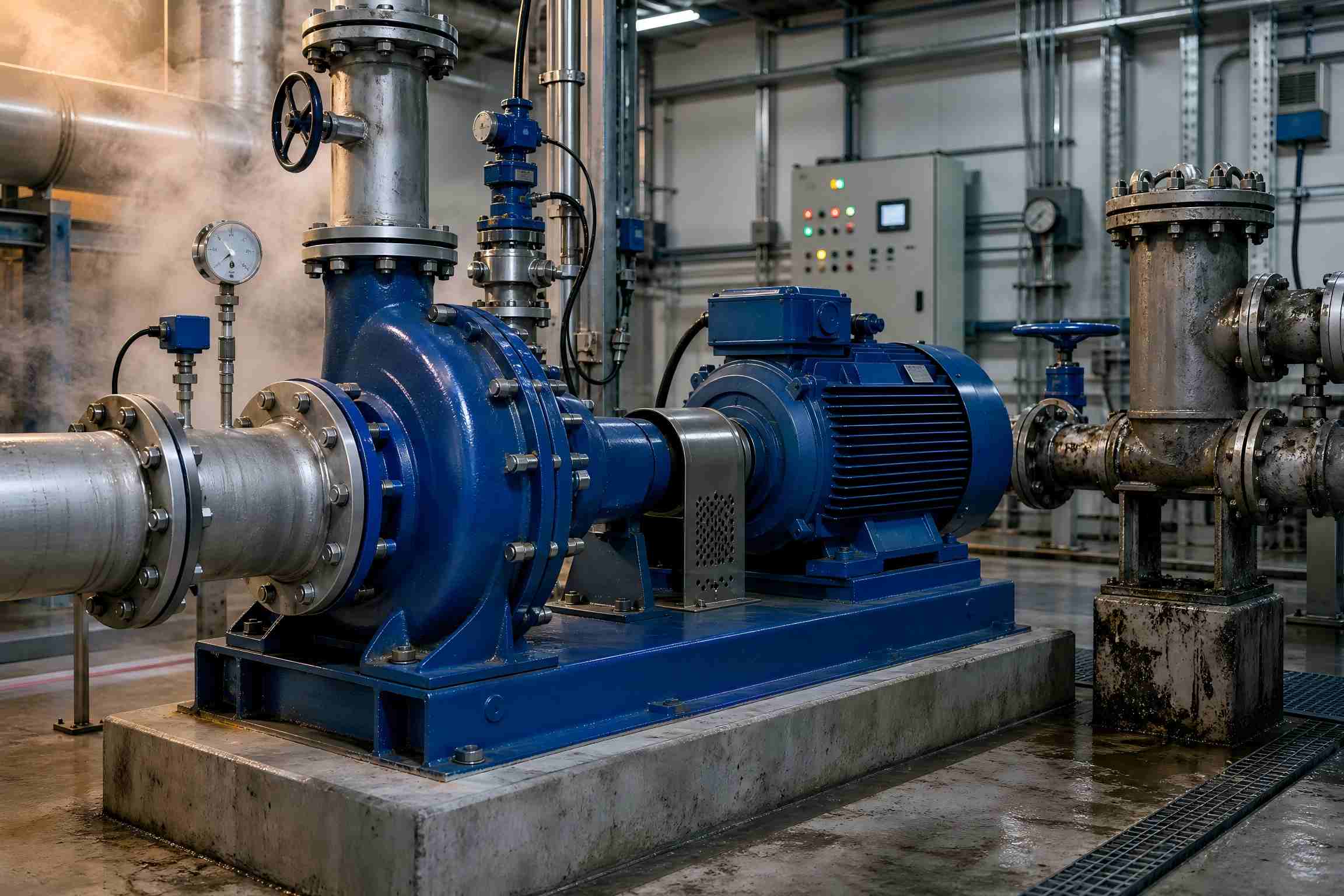
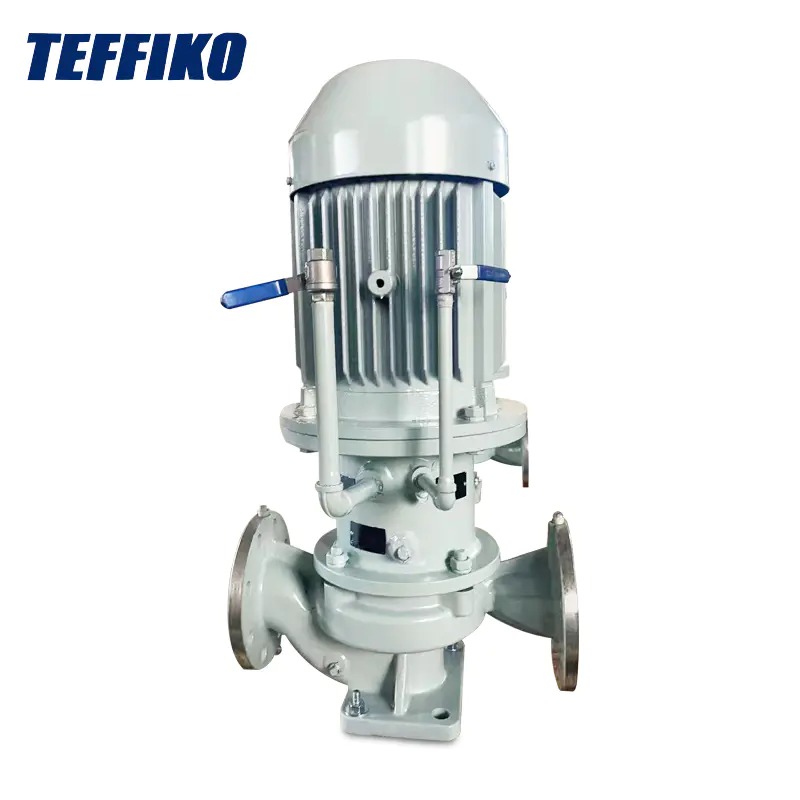
Centrifugal pumps, with their advantages of simple structure, stable operation, and convenient maintenance, are widely used in municipal water supply, chemical engineering, mining, wastewater treatment, and other fields. However, actual operating conditions are complex and variable. Factors such as load fluctuations, medium differences, pipeline design, and improper maintenance can easily trigger equipment failures, leading to reduced efficiency, increased energy consumption, and even shutdowns and production halts. This article summarizes nine high-frequency failures of centrifugal pumps, sorts out solutions tailored to each scenario based on hands-on experience, and incorporates Teffiko's professional practice in the field of fluid conveyance, helping enterprises avoid failures across the entire chain from pump selection to operation and maintenance, and improving system operating efficiency.
1. Cavitation
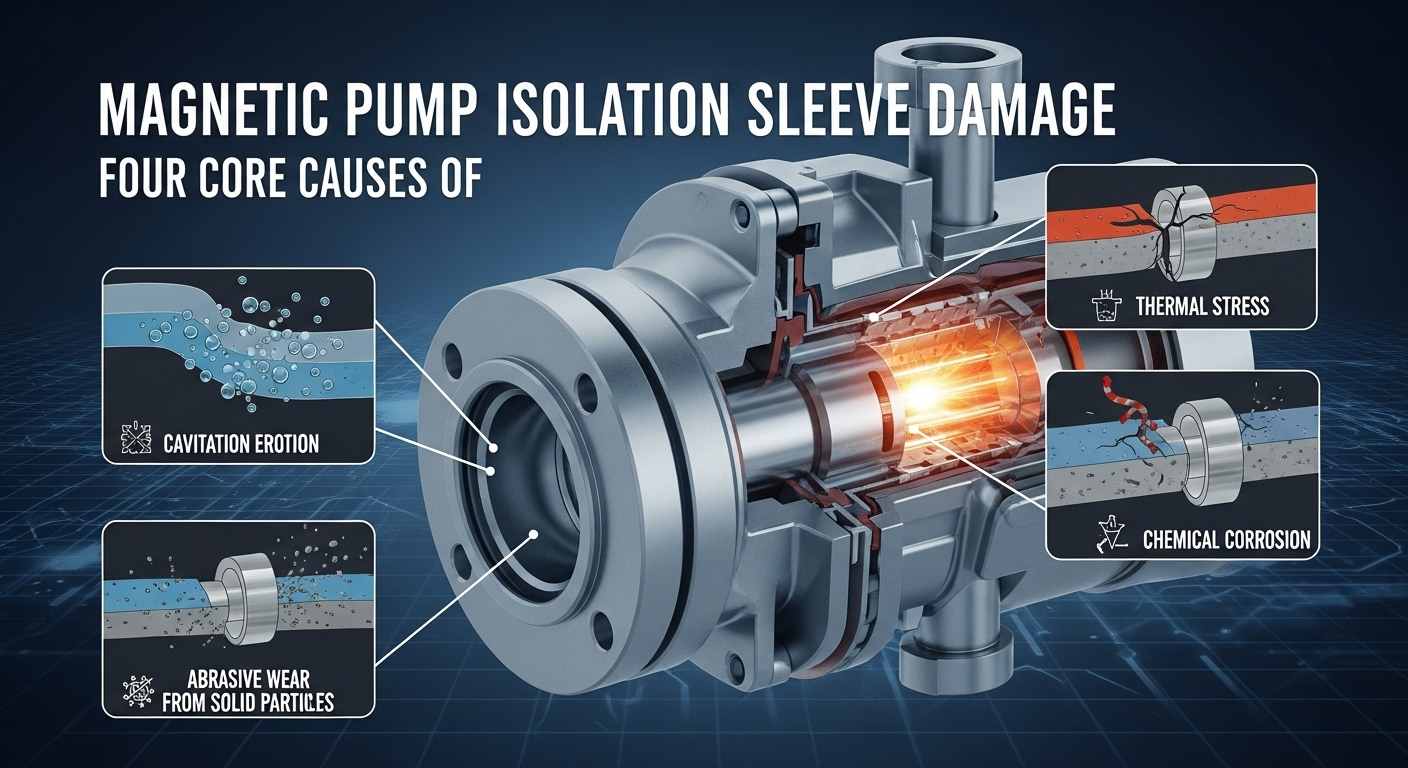
Cavitation is the most destructive common failure of centrifugal pumps, frequently occurring under conditions of insufficient inlet pressure, high fluid temperature, and high head. When the pressure inside the pump falls below the saturated vapor pressure of the fluid, bubbles form. These bubbles collapse upon entering the high-pressure zone, continuously impacting the impeller and pump casing, causing component spalling, abnormal noise and vibration, and a sharp drop in flow rate; in severe cases, the pump body can be destroyed.
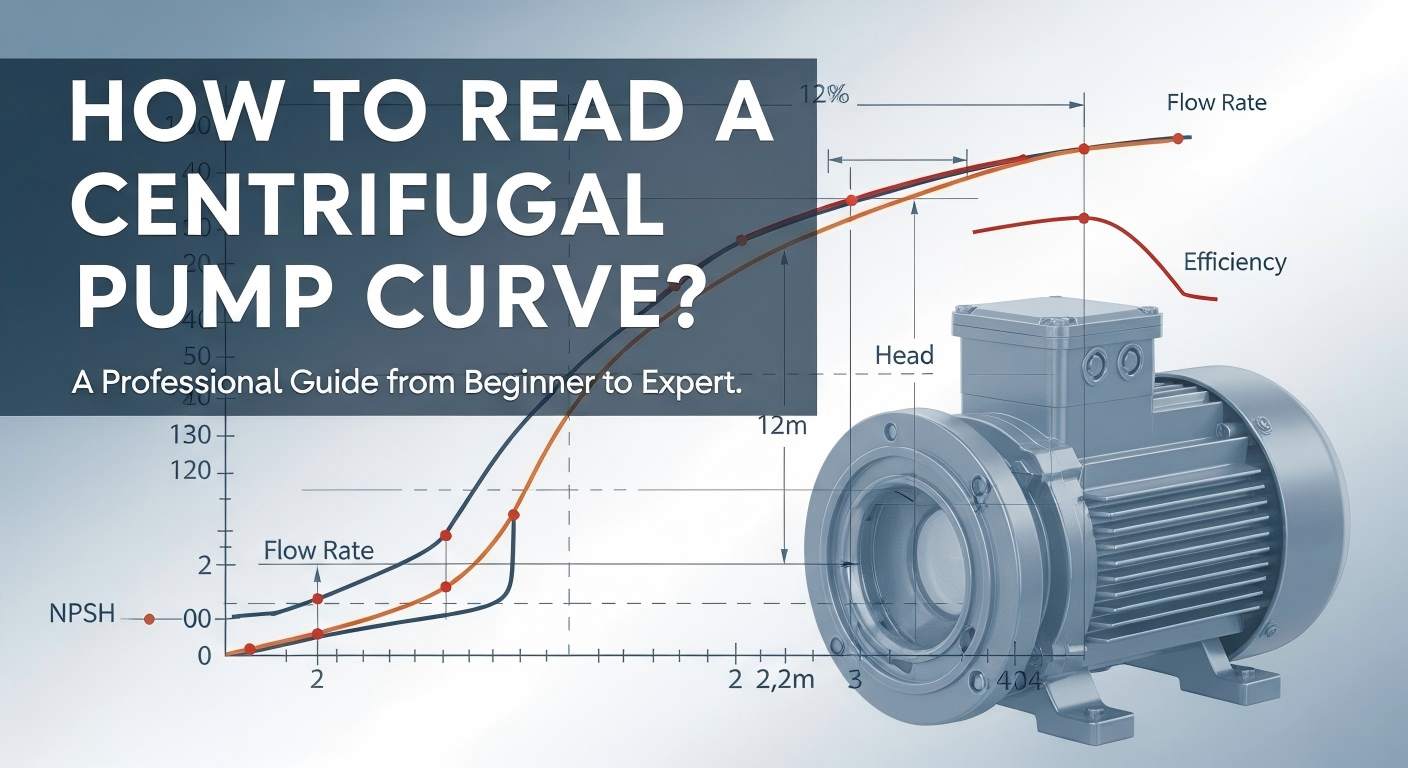
Solution: Keep the equipment operating under rated conditions; raise the inlet water level and optimize the suction pipeline to reduce resistance and increase inlet pressure. Reasonably control the medium temperature, and prioritize pump models with low NPSH parameters during selection to prevent cavitation at the source.
2. Component Wear
Media containing impurities, such as mining slurry and wastewater, scour components including the impeller, pump chamber, and bearings at high speed, causing wear and deformation of components, reduced conveyance efficiency, significantly shortened equipment service life, and frequent shutdown failures.
Solution: For abrasive operating conditions, select pump bodies and components made of wear-resistant materials; establish a regular inspection system and promptly replace worn consumable parts to prevent minor failures from triggering cascading equipment problems.
3. Vibration and Abnormal Noise
Pump-motor misalignment, impeller imbalance, loose foundation, cavitation, and other issues can all cause equipment vibration and abnormal noise. Long-term abnormal operation accelerates component aging, undermines the overall stability of the fluid system, and leads to premature equipment failure.
Solution: Regularly calibrate the alignment between the pump and motor, correct the dynamic balance of rotating components, and reinforce the equipment foundation. Install vibration monitoring equipment to identify and address potential operating hazards in advance.
4. Mechanical Seal Leakage
Seals are prone to aging and misalignment after long-term operation, causing medium leakage. This not only results in resource waste but also poses environmental pollution and safety hazards in chemical and hazardous chemical operating conditions.
Solution: Select high-quality seal components and standardize installation and maintenance procedures. For high-risk corrosive operating conditions, adopt double mechanical seals to completely eliminate leakage risks.
5. Pump Startup Failure
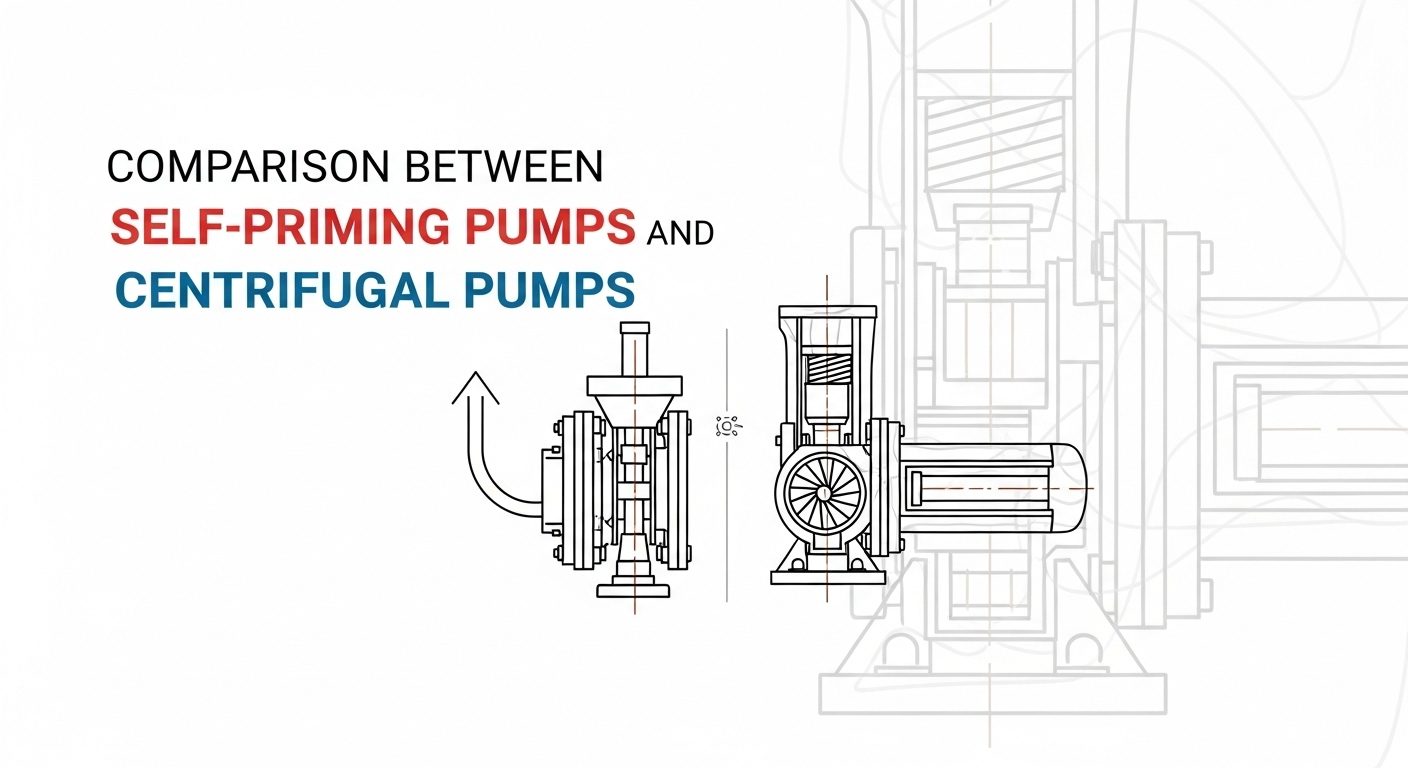
Ordinary centrifugal pumps have no self-priming capability. Air trapped in the pump body, insufficient priming, and air leakage in the suction pipe can lead to startup failure and dry-running abrasion, which can easily burn out bearings, damage seal structures, and cause irreversible equipment damage.
Solution: Before startup, evacuate air from the pump body and pipeline and conduct a full-water trial run. For operating conditions with frequent starts and stops, switch to self-priming pumps, and regularly inspect and repair air leakage points in the suction pipeline.
6. Pump Body Overheating
When conveying high-viscosity fluids or operating under low-flow off-design conditions, poor heat dissipation inside the pump can easily cause overheating, which accelerates seal aging, dilutes lubricating oil, and burns out core components.
Solution: Select pumps precisely based on medium viscosity and operating condition parameters to avoid parameter mismatch. For high-viscosity and high-temperature operating conditions, equip with cooling systems or heat exchangers to stabilize equipment operating temperature.
7. Pump Body Blockage
Sediment, fibers, and suspended debris in wastewater and slurry can easily accumulate in the pump flow passages and impeller clearances, causing a sudden drop in flow rate and reduced efficiency; in severe cases, this can lead to motor overload and pump seizure and shutdown.
Solution: Install high-precision filters upstream of the pipeline to intercept solid impurities, and regularly clean the filters and accumulated debris in the pump body to ensure unobstructed fluid conveyance.
8. Medium Corrosion Damage
Acids, alkalis, seawater, and corrosive wastewater continuously erode the metal material of the pump body, causing thinning of pump walls, rust and damage to components, shortened equipment life, and a heightened risk of leakage failures.
Solution: Select corrosion-resistant pump models such as stainless steel and fluoroplastics as needed, and apply anti-corrosion coatings to ordinary pump bodies to isolate corrosive media and delay equipment aging.
9. Abnormal Flow and Pressure Fluctuations
Industrial operating conditions feature dynamic and variable loads. Fixed-speed pumps cannot adapt to real-time demands, easily resulting in unstable flow and pressure and wasted energy; long-term fluctuating operation also accelerates equipment wear.
Solution: Install a variable frequency control system to adjust pump shaft speed based on real-time water demand, precisely matching operating conditions, stabilizing conveyance parameters, and achieving energy-efficient operation.
Summary
Centrifugal pump operating failures are mainly concentrated in nine categories: cavitation, wear, vibration, leakage, startup abnormalities, overheating, blockage, corrosion, and flow fluctuations, mostly caused by improper selection, unreasonable pipeline design, and inadequate maintenance. Through precise selection, optimized pipeline design, installation of intelligent control equipment, and implementation of standardized maintenance, operating challenges can be effectively resolved, stability and conveyance efficiency improved, and maintenance and energy costs reduced. Leveraging extensive experience in operating condition adaptation, Teffiko provides highly compatible centrifugal pump products and systematic failure optimization solutions for complex conveyance scenarios across various industries, helping enterprises avoid failures in all dimensions—from selection and pipeline optimization to daily maintenance—continuously improving fluid system efficiency and reducing energy consumption and shutdown losses.
We use cookies to offer you a better browsing experience, analyze site traffic and personalize content. By using this site, you agree to our use of cookies.Privacy Policy