Athena Engineering S.r.l.
News

Precautions for Disassembly of Magnetic Drive Pumps: Standard Procedures, Accurate Recording & Pit‑avoidance Guide

2026-08-19 0 Leave me a message

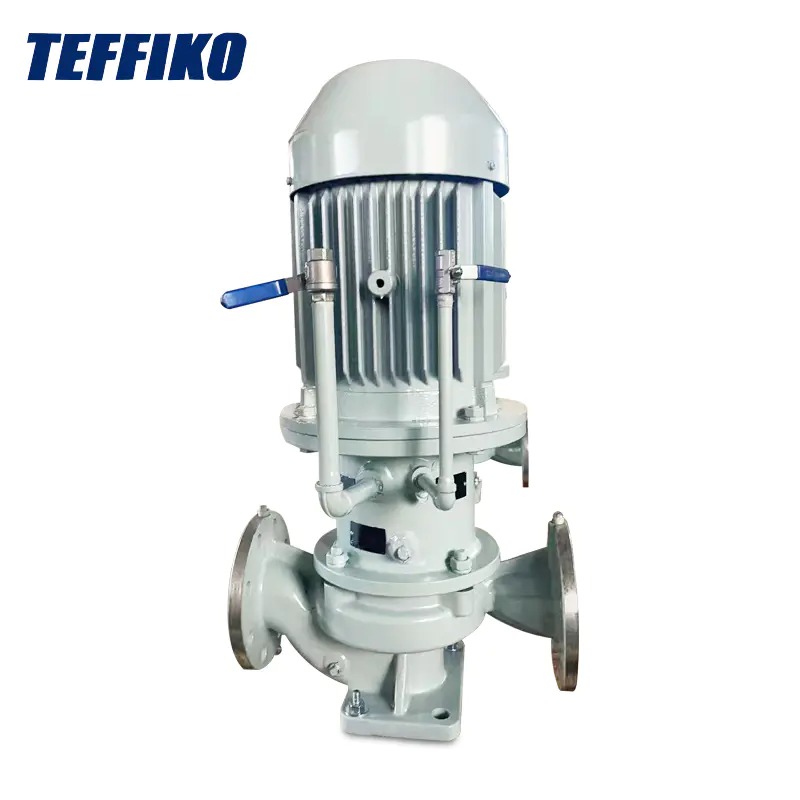
Teffiko‑professionally engineered magnetic drive pumps deliver seal‑free, zero‑leakage and high‑safety performance, and are widely used in chemical, pharmaceutical, environmental protection, petroleum and other industries for hazardous fluid transportation. Different from conventional centrifugal pumps, they adopt magnetic coupling transmission, equipped with high‑precision parts including ceramic shafts, graphite bearings, containment shells and impellers. Many rework faults, abnormal noise, medium leakage and rotor unbalance are not caused by natural aging, but by irregular disassembly, missing records and mis‑placement of components. Standard disassembly procedures, complete data recording and proper part protection are critical for magnetic drive pump maintenance.

1. Pre‑disassembly Preparation: Safety & Tool Preparation

Follow the principle of safety first before operation. Never perform disassembly with power on, under pressure or with residual process medium. Cut off power supply and lock switches to prevent accidental startup. Close inlet and outlet valves, open drain ports to fully drain internal medium and residual pressure. For corrosive, toxic or high‑temperature media, flush the pump with clean water or neutral solvent in advance. Disassembly can only start after the pump is fully cooled and cleaned internally.

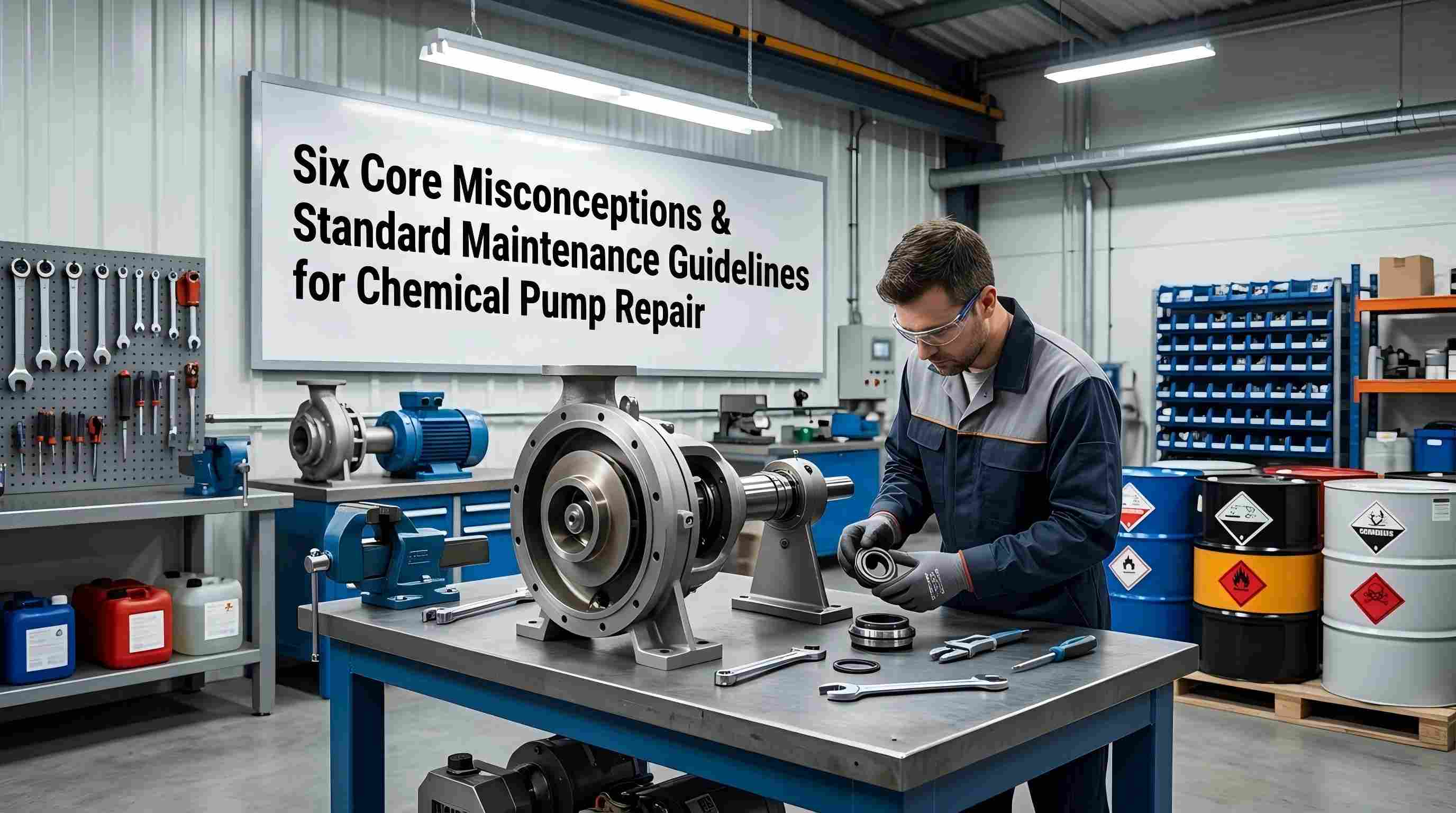
Operators shall wear anti‑corrosion gloves, safety goggles and non‑slip safety shoes; gas masks are required for high‑risk conditions. Prepare special tools: pullers, copper bars, rubber hammers, hex wrenches, guide rods and jackscrews. Do not use sharp hard tools or sledgehammers for violent knocking to avoid scratching or cracking precision components. Prepare marking pens, measuring tapes and notebooks for part marking and data logging.

2. Step‑by‑step Disassembly Specifications

Disassemble from outside to inside layer‑by‑layer; only take apart faulty or aged assemblies and avoid unnecessary over‑disassembly, which may cause wear and assembly deviation. Violent prying and forced pulling are prohibited.

Loosen pump‑body fixing bolts diagonally and evenly to prevent pump deformation and sealing‑face damage. For parts with jackscrew holes, separate components via jackscrews instead of prying. If parts are seized by rust or scaling, soak gaps with kerosene to soften contaminants. If ineffective, moderately heat outer components to achieve separation by thermal expansion difference; brute‑force breaking‑apart is forbidden.

When handling impellers, shaft sleeves and bearings with tiny fitting clearances, avoid lateral shaking or offset prying to prevent surface scratches. Where possible, fit guide rods before disassembly to limit part movement and protect assembly gaps.

Take special care with inner and outer magnetic rotors. Strong magnetic attraction may crack parts or fracture shafts. Separate them slowly with dedicated tools; use copper bars and rubber hammers for gentle loosening. Never strike with sledgehammers.

3. Key Disassembly Requirements: Recording, Marking & Part Storage

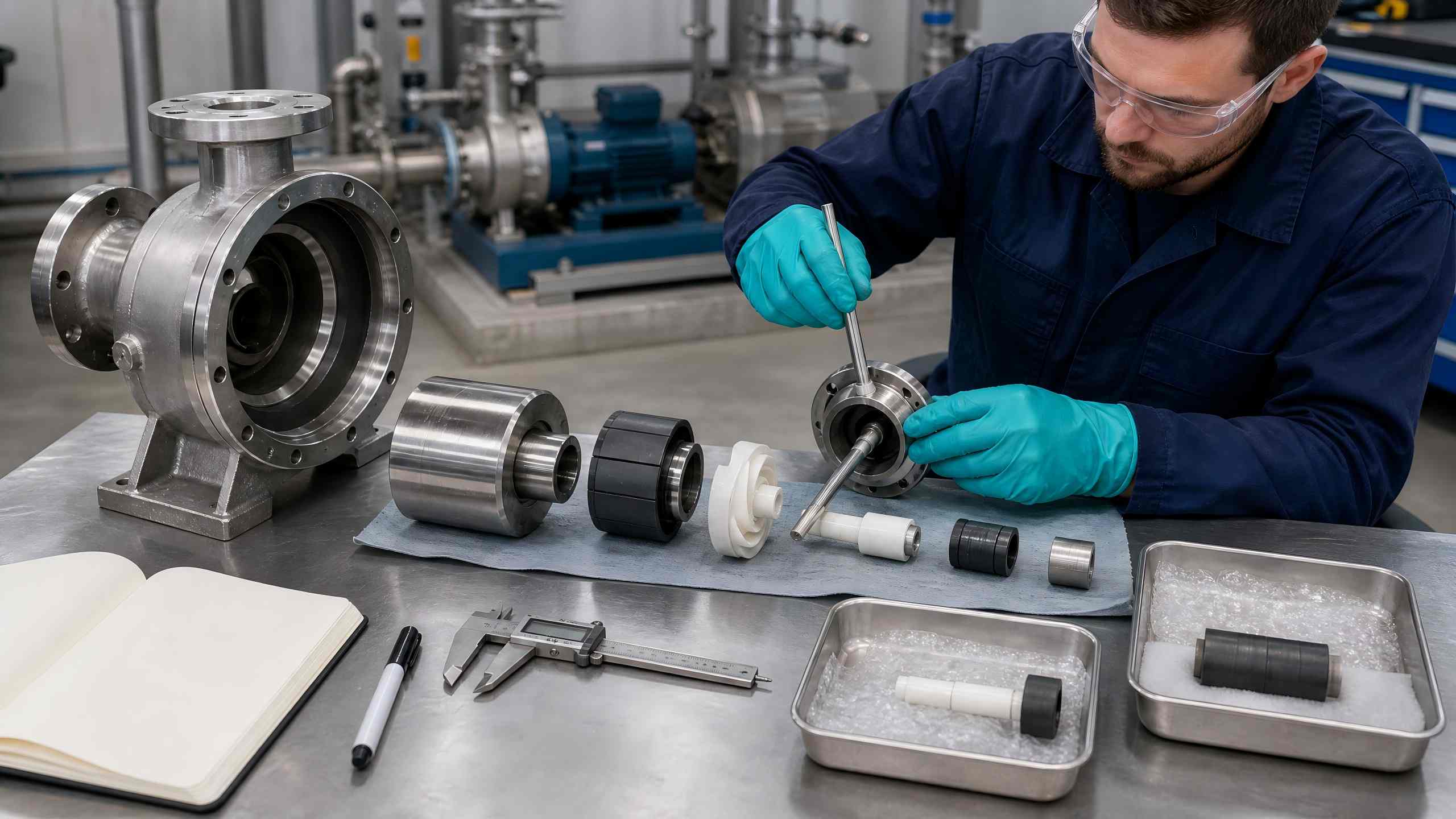
Data logging and position marking are easy to ignore yet vital for reassembly accuracy. Record key parameters immediately after removing each component: rotor‑motor alignment dimensions, bolt length changes, pump‑shaft clearance, bearing‑shaft sleeve fitting sizes, balance‑disk parameters and impeller assembly gaps. These original data support accurate reassembly and gap adjustment and prevent assembly‑induced failures.

Mark installation position and orientation for all removed parts. Even interchangeable parts such as impellers, shaft bushes and sleeves must not be swapped arbitrarily. Magnetic drive pumps demand high rotor balance and coaxiality. Misplaced parts will destroy dynamic balance, triggering noise, vibration, accelerated wear, re‑occurrence of old faults and new leakage or jamming.

Store components in disassembly order. Sort bolts, seals, bearings, magnetic rotors and impellers with clear labels to avoid mix‑up, loss or wrong fitting. Keep magnetic rotors isolated from iron‑metal objects to prevent impurity adsorption and magnetic‑property degradation. Wrap brittle ceramic and graphite parts separately to avoid crushing damage.

4. Post‑disassembly Part Cleaning

Cleaning quality directly influences subsequent operating stability. Adopt suitable cleaning methods according to material and working conditions. Remove oil stains, rust and deposits on general metal and plastic parts with kerosene, diesel oil or special rust removers. For stainless‑steel parts intended for welding, use carbon tetrachloride or acetone to guarantee clean welding surfaces.

Remove heavy dried rust and hard scale with shovels followed by fine‑abrasive‑paper polishing to obtain scratch‑free, rust‑free surfaces. Thoroughly clean sealing grooves, bearing gaps, magnetic coupling faces and impeller flow passages to eliminate residual impurities that cause jamming, abnormal wear or poor sealing after reassembly. Dry cleaned parts completely before storage.

Magnetic pump maintenance

5. Reassembly: Gap Adjustment & Assembly Notes

Magnetic drive pumps, especially fluoroplastic types, are highly sensitive to assembly‑gap deviations which easily lead to malfunctions. Correct internal clearances through multiple means: adjust fitting gaps by adding or removing sealing gaskets; tighten bolts evenly for uniform stress; calibrate bolt balance. If component wear produces large deviations, trim part dimensions appropriately so that all clearances comply with factory standards, ensuring smooth, friction‑free and leak‑free rotor rotation.

6. Typical Disassembly Mistakes

Common on‑site failures originate from improper disassembly: disassembly under pressure / with residual medium causing medium spillage; violent dismantling damaging precision parts; lack of marking and records leading to assembly misalignment; disorderly part storage confusing installation sequences; insufficient cleaning causing later‑stage wear; arbitrary part swapping ruining rotor balance.

Do not disassemble bonded magnetic‑rotor structures without authorization. Improper disassembly may result in magnet detachment and demagnetization and permanent component scrapping. Operators without professional experience shall strictly follow official operation manuals. Contact the manufacturer for complex faults.

Summary


Safe operation, sequential disassembly, accurate recording and careful component protection form the core of magnetic drive pump disassembly. Every procedure — safety preparation, special‑tool application, ordered disassembly, marking‑recording, part cleaning and gap tuning — determines equipment accuracy, safety and service life. Standard disassembly practices reduce safety risks and man‑made damage, enable leak‑free, low‑vibration and long‑stable pump operation after reassembly, and effectively cut maintenance and rework costs.

For reliable magnetic drive pump solutions, choose Teffiko.


Related News
Leave me a message
  • BACK TO ATHENA GROUP
  • X
    We use cookies to offer you a better browsing experience, analyze site traffic and personalize content. By using this site, you agree to our use of cookies.Privacy Policy
    RejectAccept