We are glad to share with you about the results of our work, company news, and give you timely developments and personnel appointment and removal conditions.
In the entire chain of oil extraction and processing, although centrifugal pumps dominate in large-flow clean water working conditions, cam rotor pumps have become the ideal solution for many key positions in oilfields. They rely on their positive displacement, low-shear, and impurity-resistant characteristics. These features make them suitable for scenarios involving high-viscosity crude oil, water-containing and solid-containing mixtures, chemical agents, or requiring strong self-priming capability.
Then, in which specific positions of oilfields can Teffiko cam rotor pumps be used? Combining practical application scenarios, this paper systematically sorts out four core application fields and provides selection references.
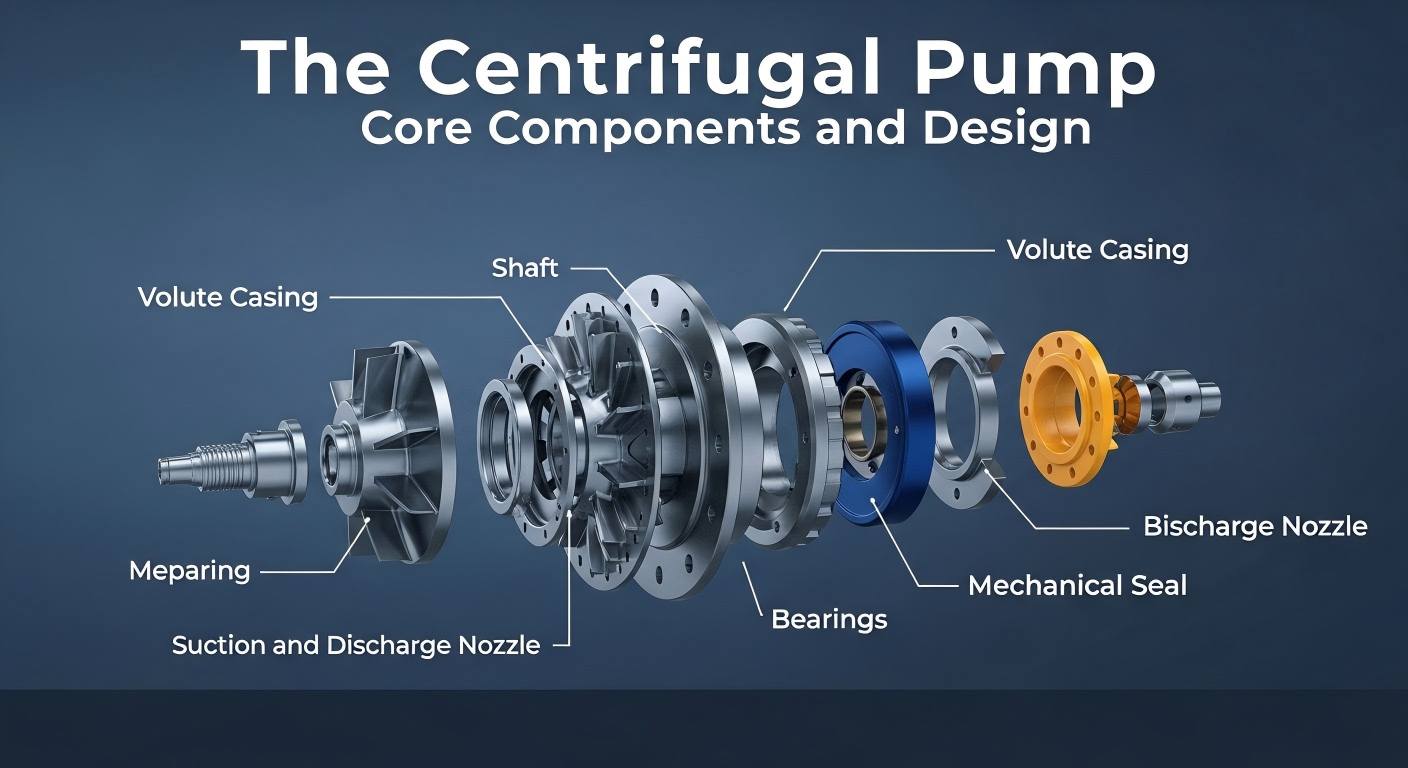
In the design, selection, and performance evaluation of centrifugal pumps, there is a seemingly abstract yet crucial concept—specific speed. It serves not only as the "fingerprint" for distinguishing the hydraulic characteristics of different pumps but also as a key bridge connecting theoretical fluid mechanics with engineering practice.
So, what exactly is the specific speed of a centrifugal pump? Where does it originate? And how does it affect the actual operation of the pump? This article will comprehensively explain this core parameter by combining hydraulic similarity laws with engineering applications.
In the field of petrochemical fluid transportation, the loading, unloading, and circulation of concentrated sulfuric acid (with a specific gravity of over 1.6) have always been a major challenge. Improper selection will not only lead to frequent equipment maintenance but also may cause serious safety and environmental accidents. Combining materials science and engineering practices, Teffiko explains the core logic of selecting pumps for concentrated sulfuric acid medium for you.
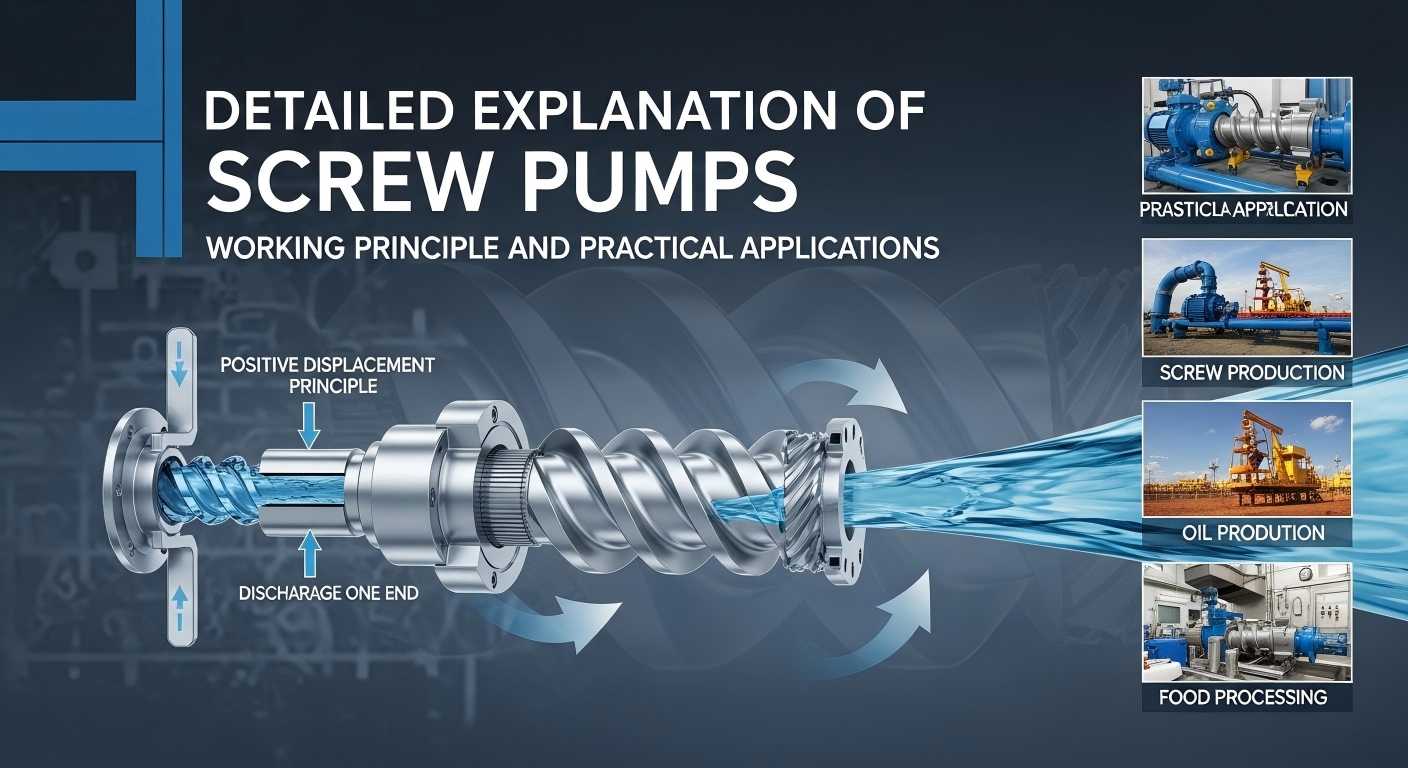
As a core lubrication component of machine tools, the lubrication effect of screw pumps directly determines the machining accuracy and service life of machine tools. Machine tool guideways are a lubrication difficulty—guideways move reciprocally with large changes in speed and load, which are prone to crawling and may even lead to machine tool scrapping in severe cases. To address this challenge, selecting a reliable lubrication system is particularly crucial. Teffiko, deeply engaged in the industrial chemical field, is committed to providing high-performance screw pumps. Combining practical experience and technical key points, this article sorts out the core requirements, difficulties and coping ideas of screw pump lubrication, providing a reference for operation and maintenance work and helping to achieve more efficient and stable lubrication management.
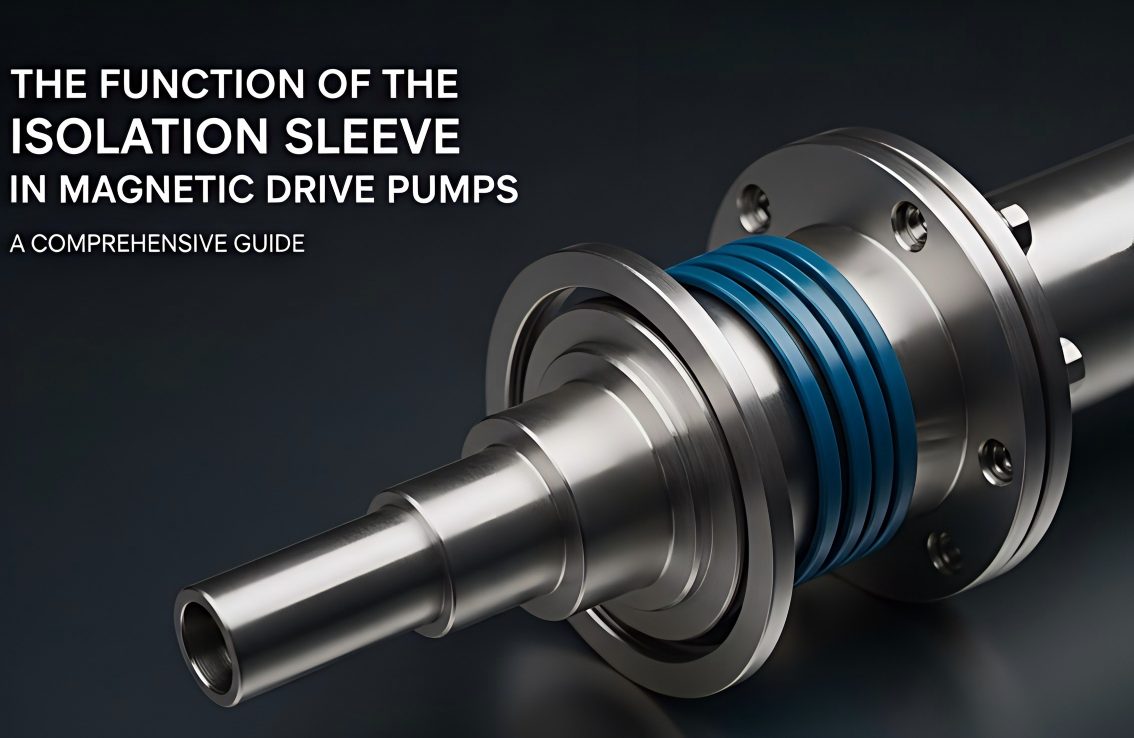
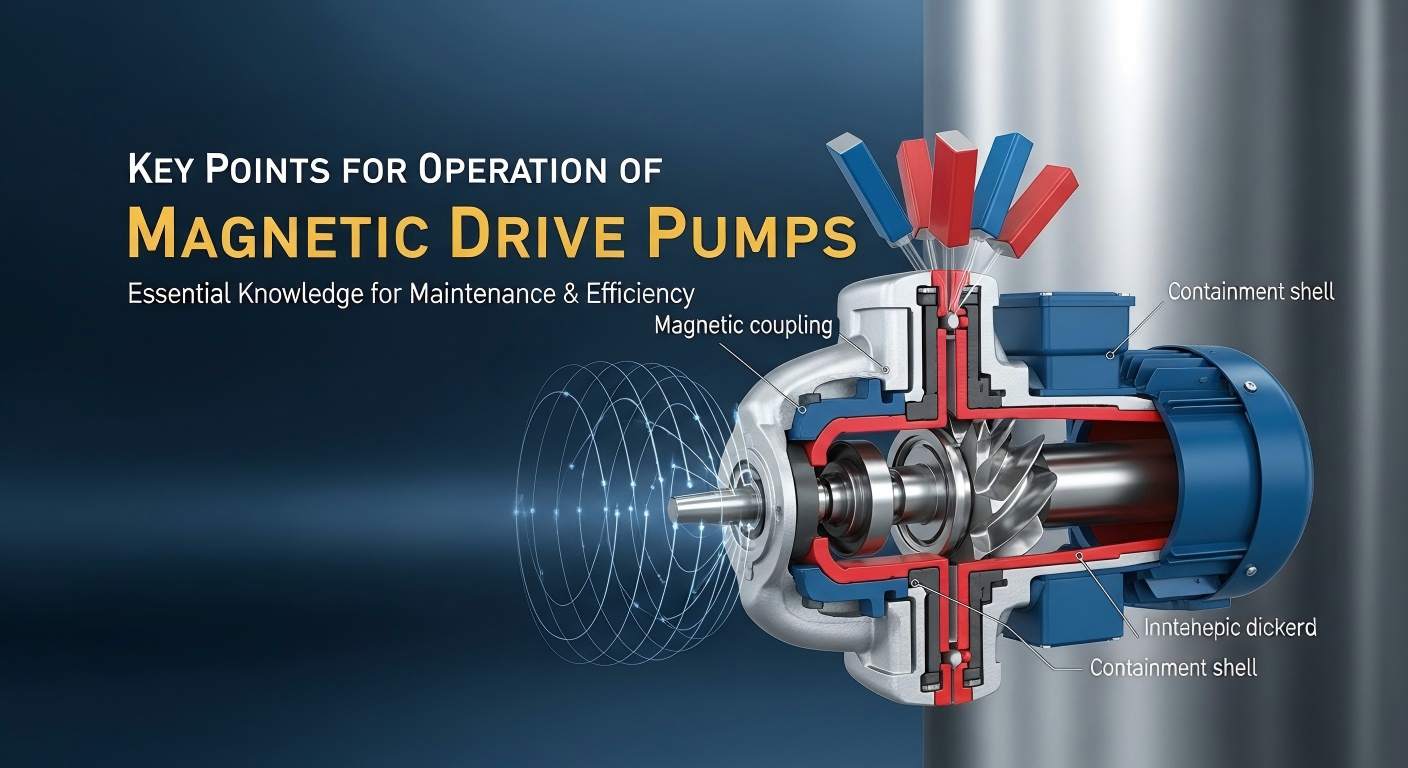
Damage to the magnetic pump isolation sleeve is a major safety hazard in chemical fluid transportation. Based on engineering practice, this article deeply analyzes the damage mechanisms of the isolation sleeve caused by hard particle wear, dry running lubrication failure, operating condition fluctuations, and cavitation, and provides professional-level prevention solutions to help improve the operational stability of magnetic pumps.
Self-priming pumps and centrifugal pumps are two common options, but many users still feel confused: what are the specific differences between them? Can they be used interchangeably? Which one is more suitable for low-liquid-level pumping scenarios? As an innovative brand focusing on high-efficiency pumping technology, Teffiko provides reliable selection support for industrial and municipal projects worldwide every year.
This article will comprehensively analyze the essential differences between self-priming pumps and centrifugal pumps from the perspectives of working principles, structural differences, applicable working conditions, and practical operation and maintenance pain points, and provide scientific selection suggestions.
We use cookies to offer you a better browsing experience, analyze site traffic and personalize content. By using this site, you agree to our use of cookies.Privacy Policy