Athena Engineering S.r.l.
News

Analysis and Selection Guide for Mainstream Pump Types in the Chemical Industry

2026-06-09 0 Leave me a message

Fluid transportation in chemical production relies heavily on industrial pumps. Under harsh working conditions involving strong corrosion, high viscosity, highly toxic and hazardous media, accurate pump selection is the key to ensuring safe and stable production lines and reducing operation and maintenance costs. Below is a detailed overview of core pump types and selection strategies for the chemical industry.

I. Four Core Basic Pump Types

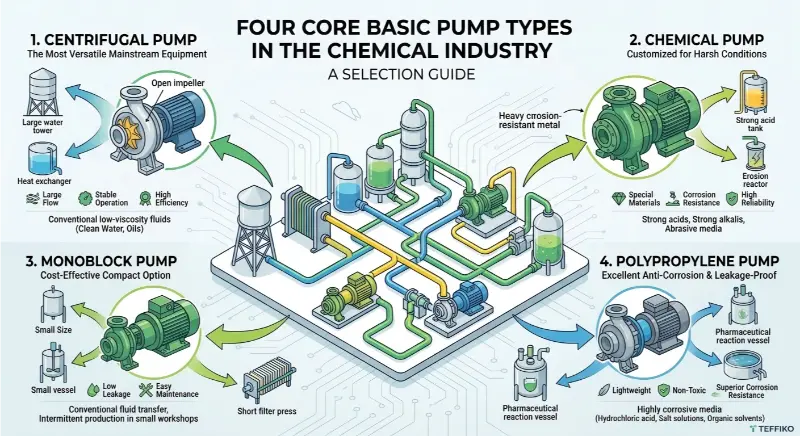
Centrifugal Pump: The most versatile mainstream equipment

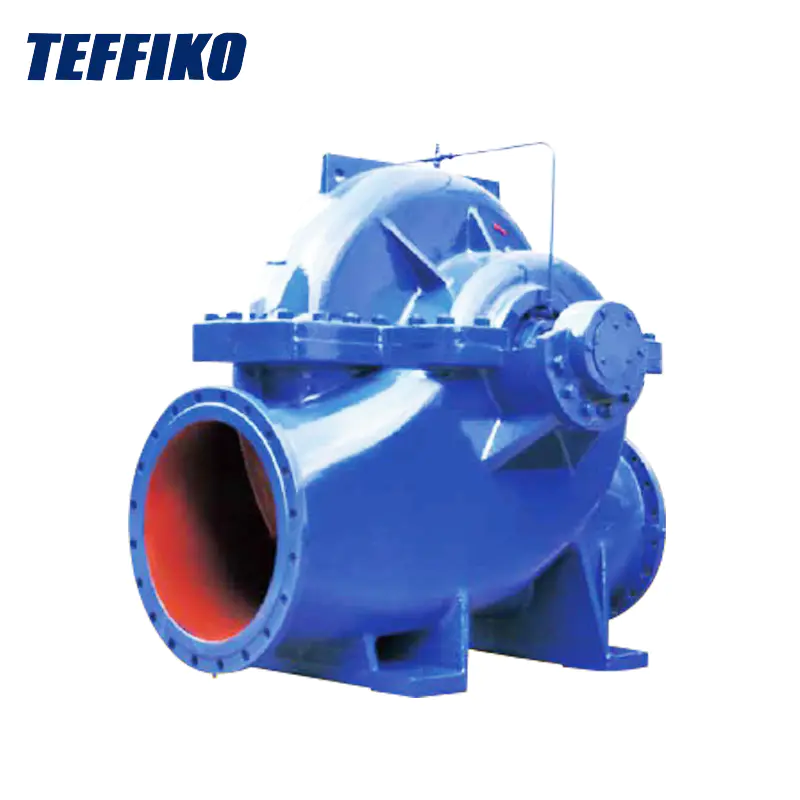
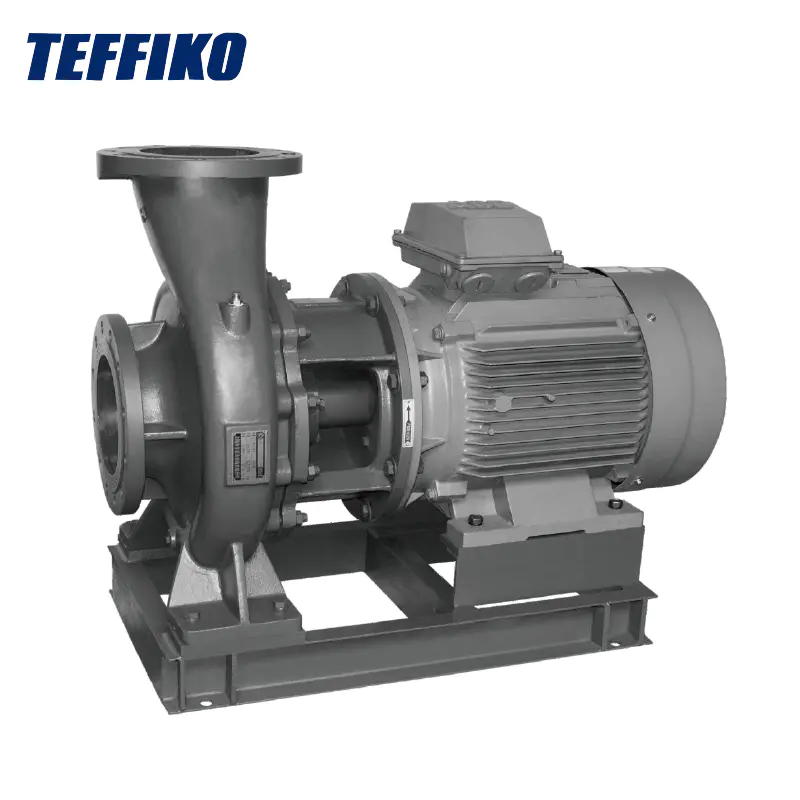
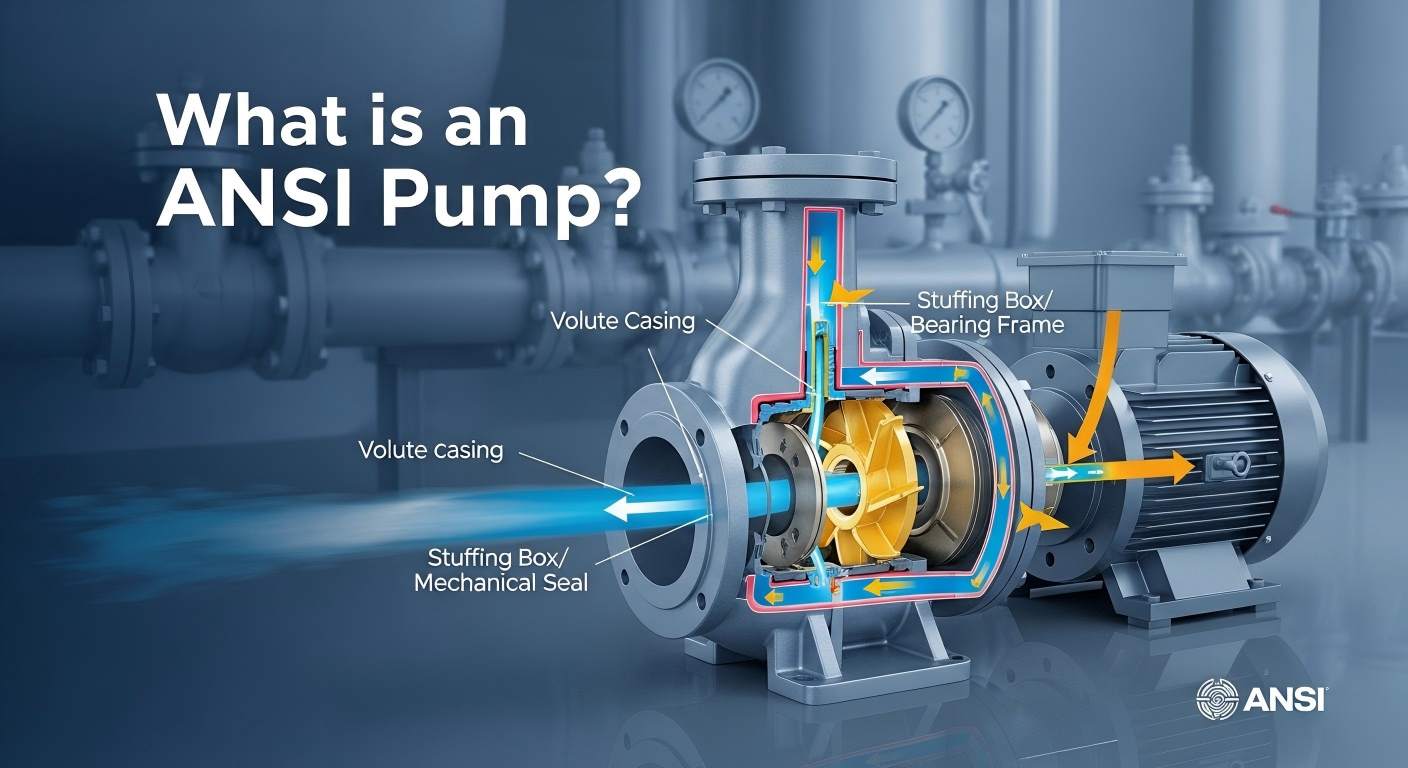
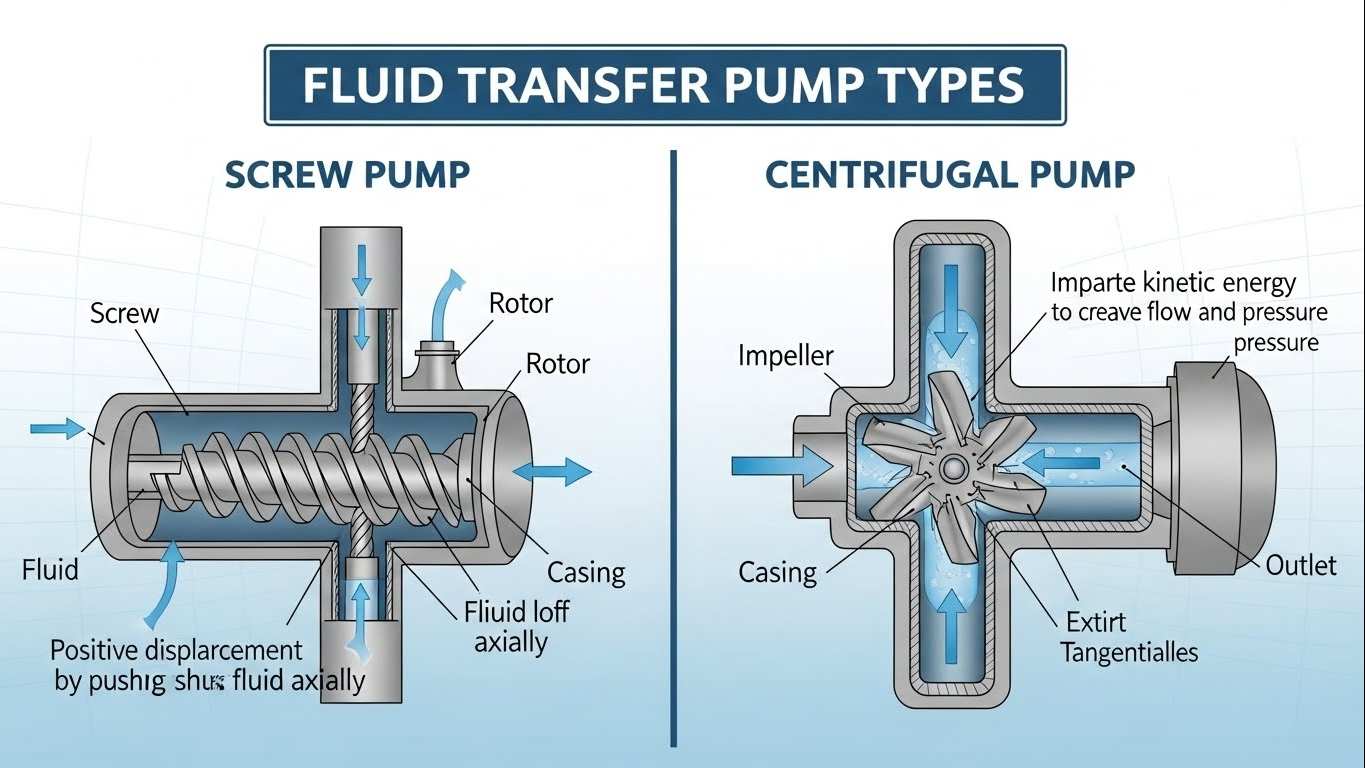
Accounting for over 70% of the market share for fluid transportation in the chemical industry, centrifugal pumps deliver continuous pressurized fluid by means of centrifugal force generated by the high-speed rotation of impellers. Featuring stable operation and high efficiency, they are suitable for most conventional low-viscosity fluids free of large solid particles, such as clean water, oil products and mildly acidic or alkaline liquids. They are widely applied in continuous production processes including water circulation, raw material delivery and finished product transfer.

Chemical Pump: Customized for harsh working conditions

Developed for corrosive, abrasive and hazardous media, chemical pumps are categorized into centrifugal type and positive displacement type according to process requirements. Made of special corrosion-resistant materials, they can withstand extreme temperatures and erosion caused by strong acids and alkalis. With low comprehensive operating costs and easy maintenance, they serve as general-purpose special equipment for handling common hazardous chemicals in fine chemicals and basic chemical industries.

Monoblock Pump: A cost-effective compact option

As a single-stage centrifugal pump with an integrated structure, the monoblock pump features a direct connection between the motor and pump body without separate connecting components. This design not only improves operational efficiency but also greatly reduces the risk of leakage. Thanks to its small size and low failure rate, it is an ideal choice for conventional fluid transfer and intermittent production in small and medium-sized chemical workshops.

Polypropylene Pump: Excellent anti-corrosion and leakage-proof equipment

Primarily made of polypropylene thermoplastic polymer, polypropylene pumps deliver superior chemical corrosion resistance and are non-toxic and pollution-free. Derived from centrifugal pumps, they are lightweight with reliable sealing performance. Specially designed for transporting strong acids, strong alkalis, salt solutions and organic solvents, they are a cost-effective preferred option for scenarios requiring high cleanliness, such as pharmaceutical chemical production and environmental wastewater treatment.


Four chemical pump types

II. Commonly Used Special Chemical Pumps

Special pumps listed below are widely adopted as supplementary equipment for special working conditions:


  • Positive Displacement Pumps (Screw Pumps / Gear Pumps / Diaphragm Pumps): These pumps compress media by changing the cavity volume, delivering high output pressure and precise flow rate. Screw pumps are dedicated to transporting high-viscosity resins; air-operated diaphragm pumps feature explosion-proof performance and dry-running capability, making them suitable for slurry containing solid particles.
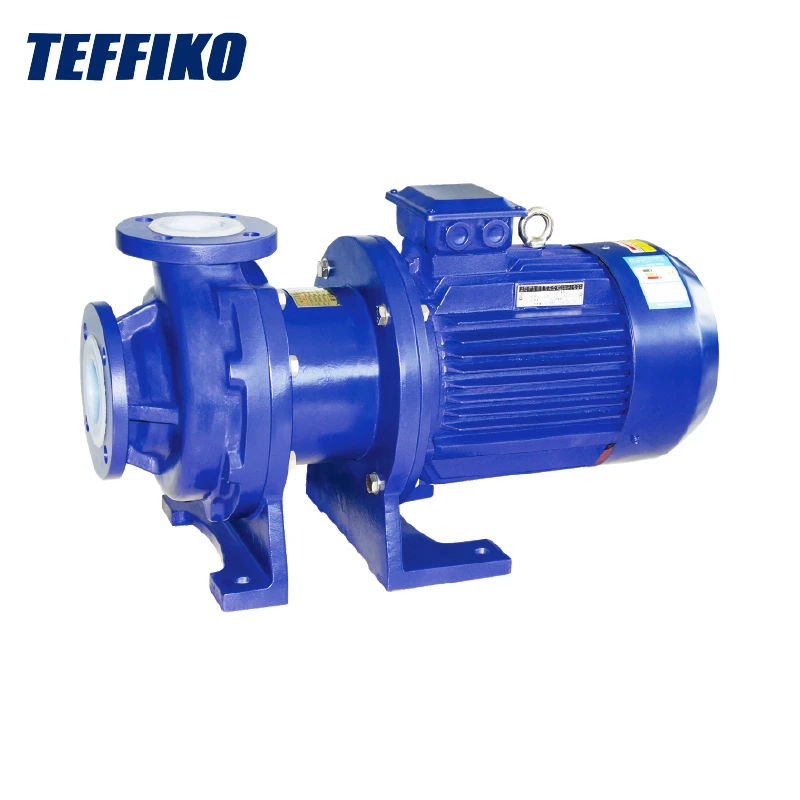
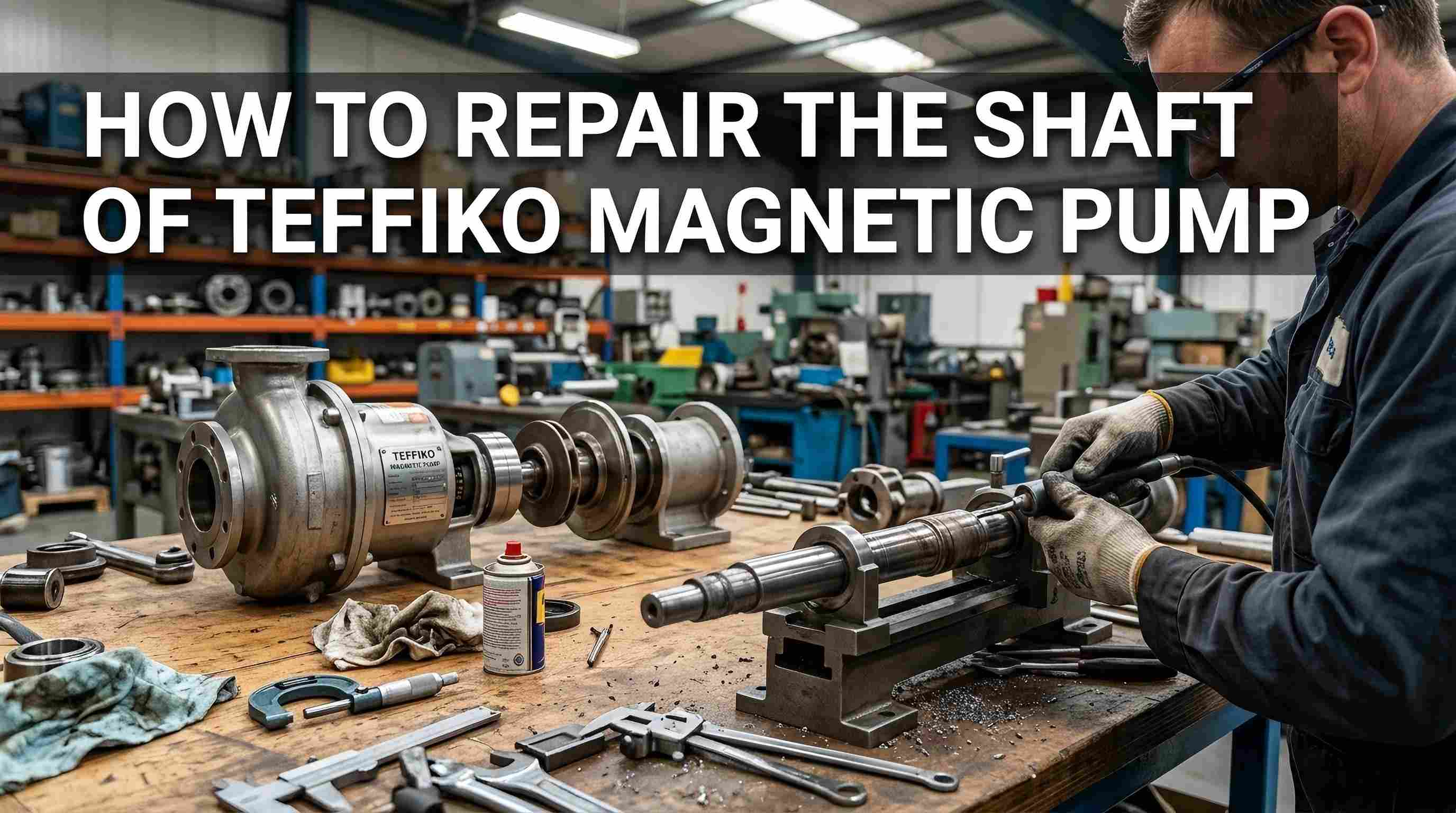
  • Magnetic Drive Pump: Adopting magnetic coupling transmission and eliminating mechanical shaft seals, magnetic drive pumps achieve zero leakage. They are specially used for the safe transportation of flammable, explosive, toxic and high-value media such as methanol and benzene series.
  • Canned Motor Pump: Featuring an integrated fully enclosed structure without shaft seals, canned motor pumps can withstand high temperatures and high pressures and operate with extremely low noise. They are core equipment for transporting high-temperature heat transfer oil and high-pressure process fluids in the petrochemical industry.
  • Self-priming Pump: Eliminating the need for pre-filling liquid before operation, self-priming pumps offer flexible operation and are commonly used for waste liquid recovery and tank material extraction.


III. Core Principles for Chemical Pump Selection

Scientific pump selection shall be conducted based on four major dimensions:


  • By medium characteristics: Select centrifugal pumps for conventional fluids; polypropylene pumps or fluoroplastic pumps for highly corrosive media; screw pumps for high-viscosity fluids; and diaphragm pumps for slurry containing solid particles.
  • By operating parameters: Choose centrifugal pumps for large-flow continuous processes; positive displacement pumps for high-pressure micro-volume transportation; and canned motor pumps for extreme high-temperature and high-pressure working conditions.
  • By safety standards: Magnetic drive pumps, canned motor pumps or explosion-proof diaphragm pumps must be adopted for toxic, volatile and hazardous media to eliminate potential leakage risks.
  • By operational requirements: Centrifugal pumps and canned motor pumps are preferred for long-term continuous production; self-priming pumps and diaphragm pumps are suitable for temporary or intermittent fluid transportation.


Summary

Pumps used in the chemical industry fall into distinct categories with respective functions. Centrifugal pumps, chemical pumps, monoblock pumps and polypropylene pumps are the four core basic pump types in the industry, which respectively meet the core demands for general fluid transportation, harsh chemical working conditions, low-cost compact production and high-cleanliness transportation of highly corrosive media.

If you want to learn more about chemical pump selection knowledge, working condition adaptation schemes, equipment parameter comparison and practical industry applications, please follow and consult Teffiko. We will continue to update professional and practical technical content related to fluid equipment for chemical production.


Related News
Leave me a message
  • BACK TO ATHENA GROUP
  • X
    We use cookies to offer you a better browsing experience, analyze site traffic and personalize content. By using this site, you agree to our use of cookies.Privacy Policy
    RejectAccept