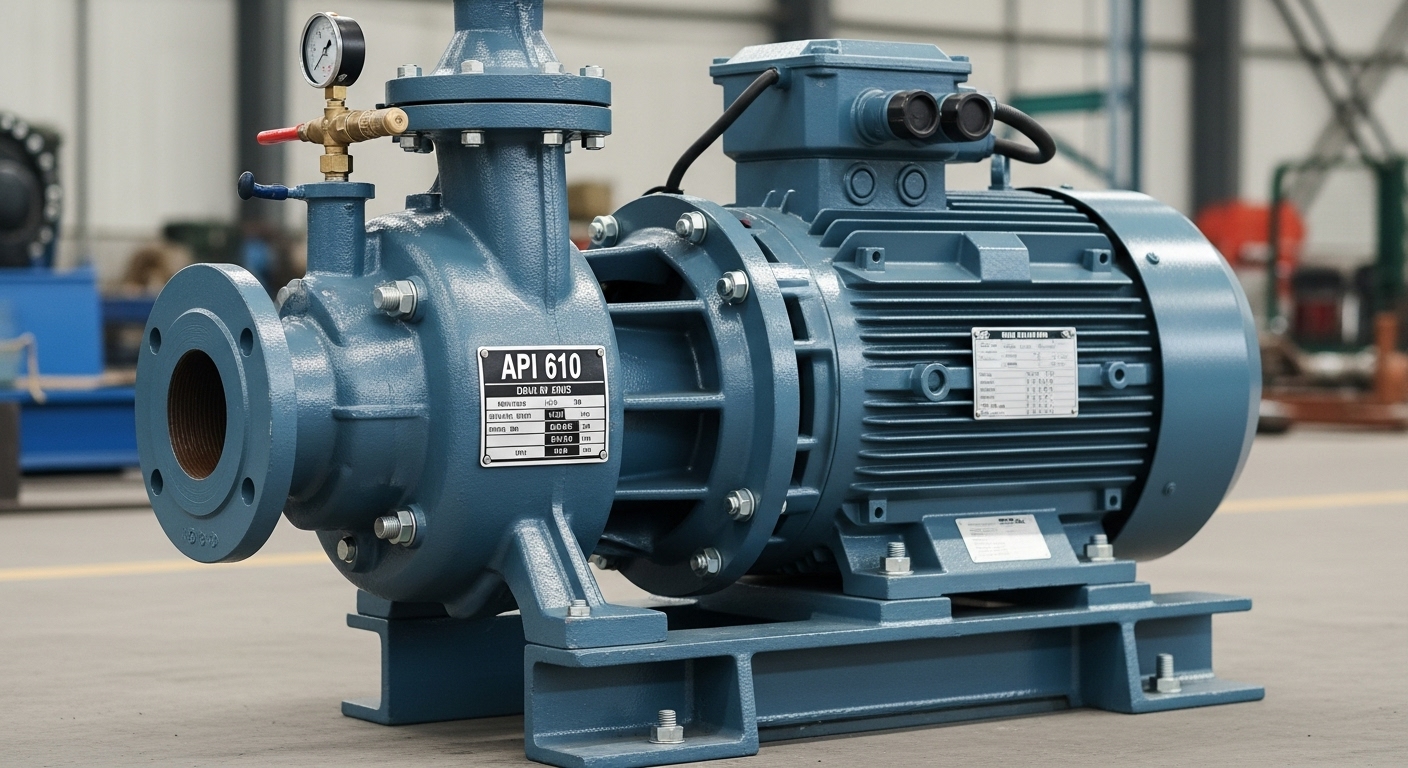
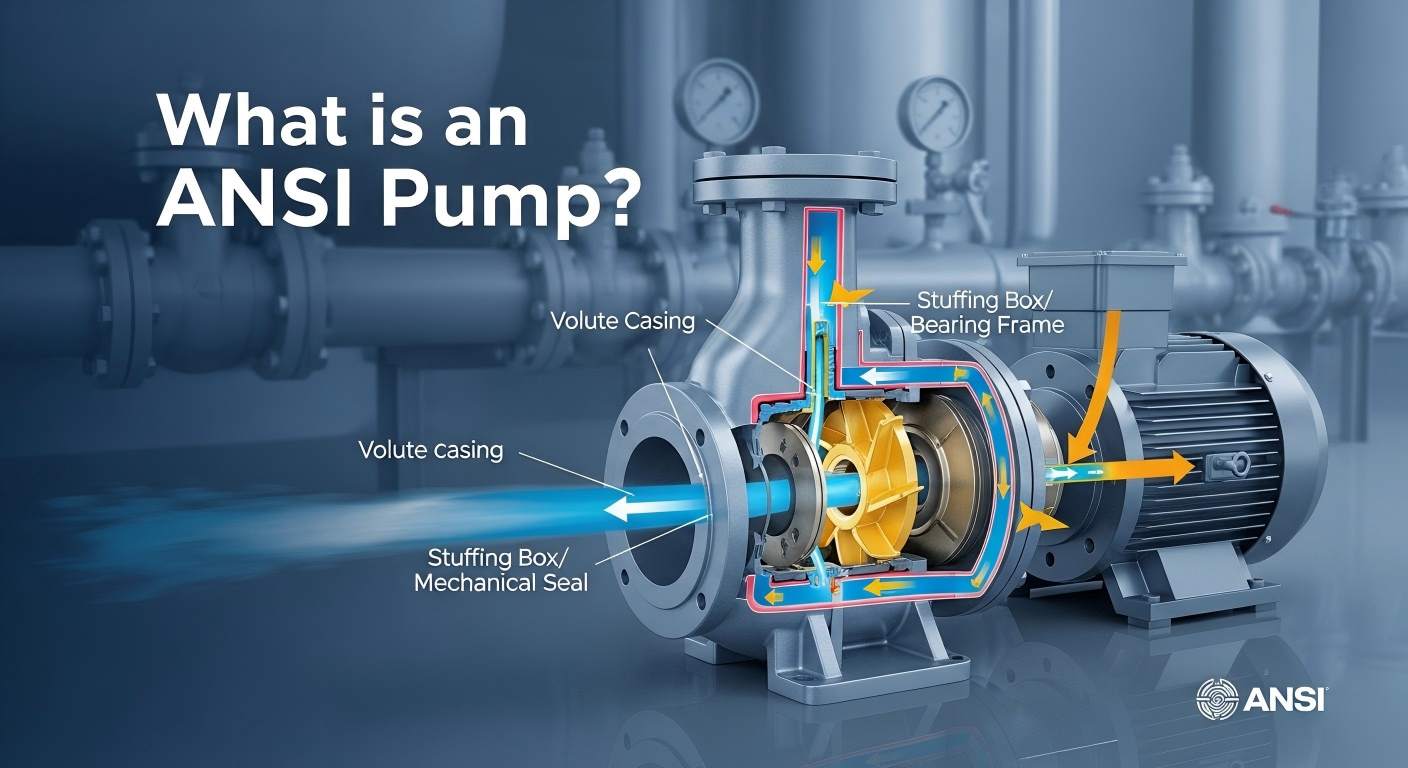
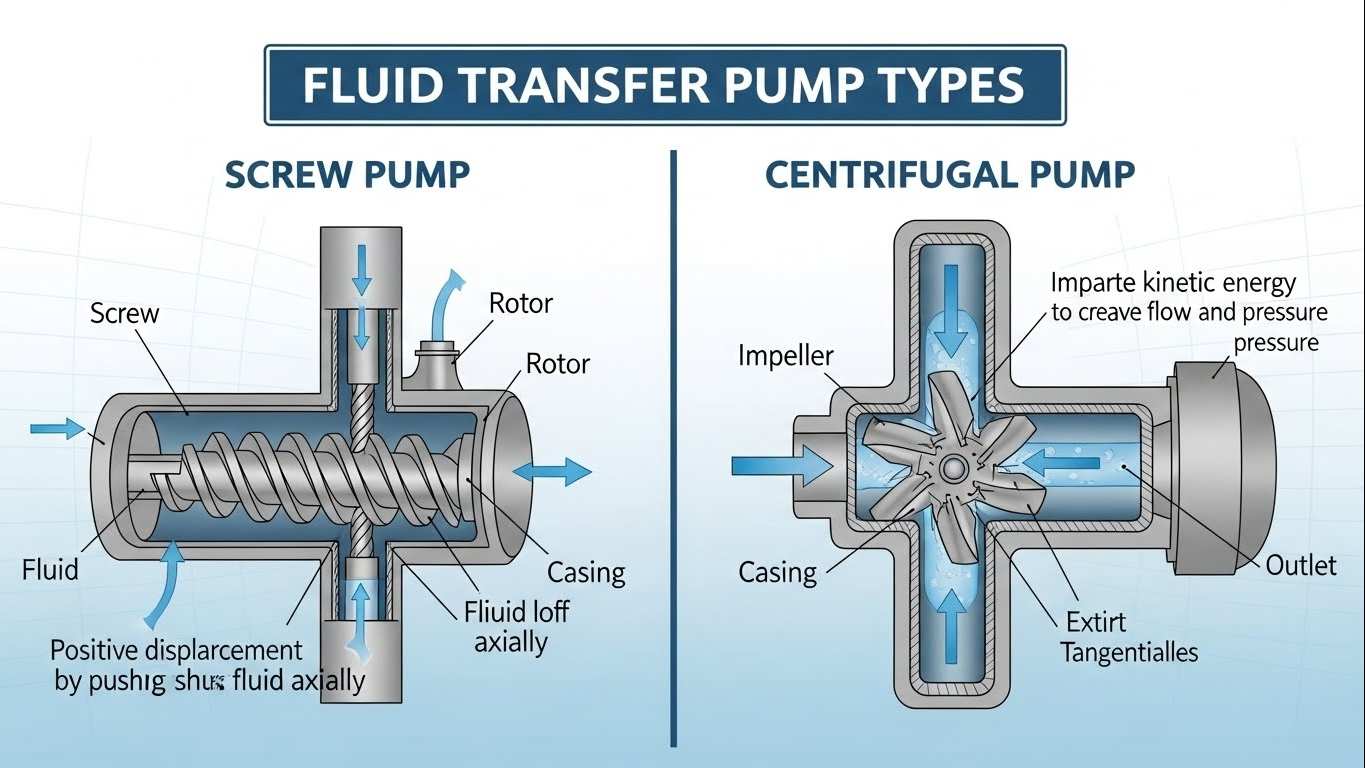
In pump type selection and operation & maintenance, many users hold misunderstandings: they mistakenly believe that the lower the actual operating head of a pump, the lighter the motor load and the less likely the motor is to burn out. For this reason, many users deliberately select high-head centrifugal pumps with rated heads far exceeding working condition requirements, assuming a larger head margin ensures more stable operation.
However, the operating characteristics of a centrifugal pump are fixed once manufactured, and the actual performance runs contrary to that misconception: power consumption changes synchronously with flow rate. Higher head corresponds to lower flow rate and lower motor power; conversely, a lower actual operating head leads to a sharp rise in outlet flow, continuously increasing motor load and creating high risks of overload overheating and burnout. Therefore, high-head centrifugal pumps must not be used for long-term low-head working conditions, and are only permitted for temporary emergency use with standardized operation to prevent equipment damage.
Combining the working principle of centrifugal pumps, common misconceptions and on-site practical experience, this paper systematically elaborates on operational risks, operational key points and long-term optimization schemes for high-head centrifugal pumps running under low-head conditions.
I. Core Principles and Common Misconceptions of High-Head Pumps Operating at Low Head
The performance curve of a centrifugal pump is fixed, and the matching degree of working conditions directly determines equipment load. A widespread industry misunderstanding is that throttling the outlet pipe and reducing flow rate will increase motor load, yet the opposite is true. When starting a centrifugal pump, the outlet gate valve must be closed first to reduce startup load, and the valve can only be slowly opened to adjust flow after the motor runs smoothly. This fully proves that reducing outlet flow can effectively lower motor load and avoid overload burnout.
In accordance with industrial safety standards, the actual pumping head of a centrifugal pump shall not be lower than 30% of its calibrated rated head. If the actual head is far below the rated value, the pump will operate at an excessive flow rate, pushing motor load beyond standard limits and causing rapid temperature rise of the unit. Short-term operation will lead to severe overheating, while long-term operation will directly burn out the motor winding.
II. Core Equipment Risks of High-Head Pumps Running at Low Head
High-head centrifugal pumps are designed exclusively for high-head, low-flow working conditions. Forcing them to adapt to low-head, high-flow conditions shifts operation completely away from the Best Efficiency Point (BEP). Apart from motor overload, multiple equipment failures will arise:
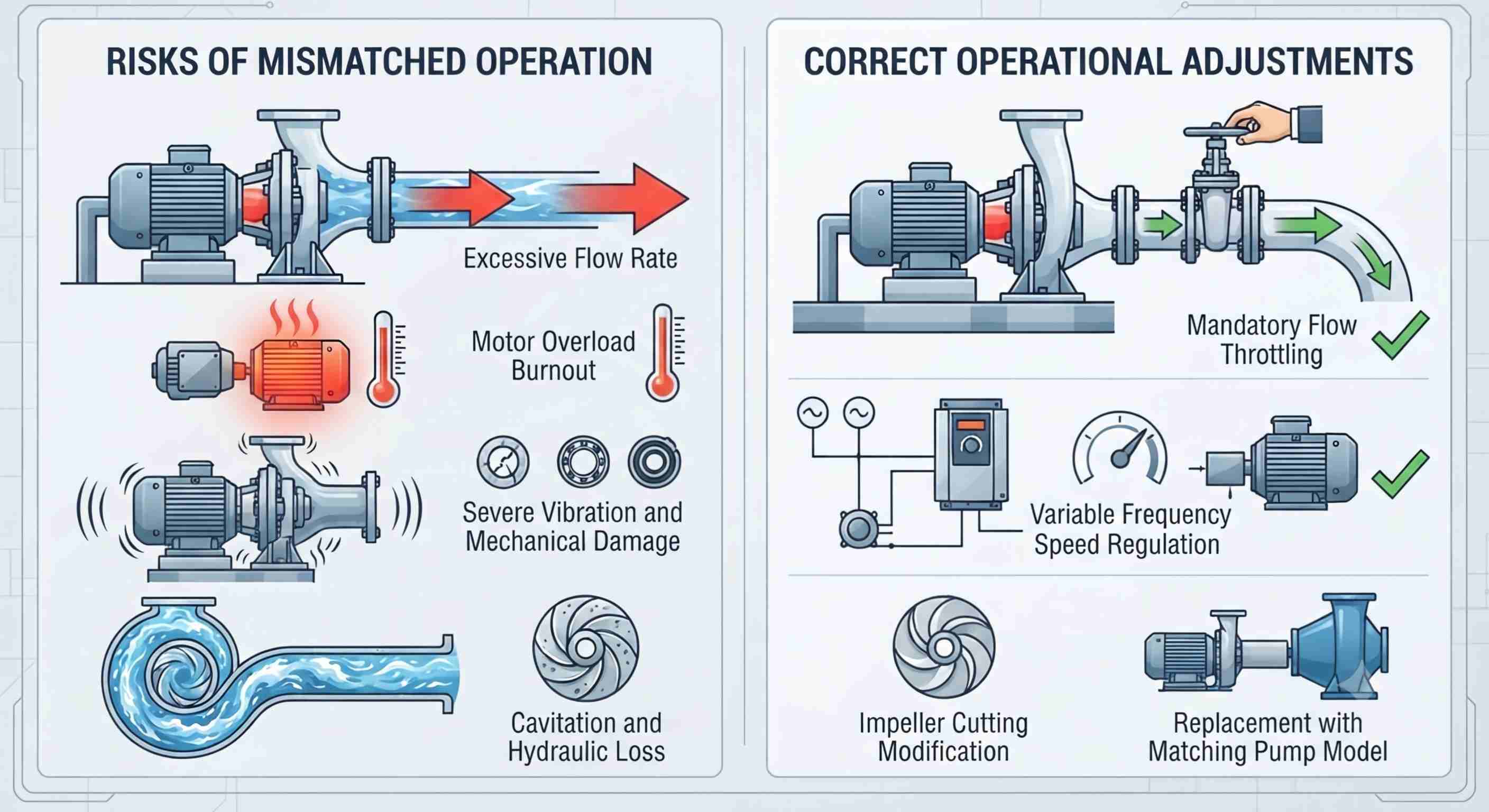
Motor Overload Burnout
Under low-head conditions, pump flow surges, and operating power far exceeds rated standards. The motor operates under continuous overload with a sharp temperature rise, accelerating aging of the insulation layer and ultimately resulting in winding burnout and equipment scrapping.
Severe Vibration and Mechanical Damage
Operation deviating from the best efficiency point causes turbulent water flow inside pipelines and triggers cavitation. The equipment suffers violent vibration and abnormal water flow noise. Long-term operation will wear bearings, rupture mechanical seals, loosen pump body and pipeline connections, and drastically shorten equipment service life.
Low Operating Efficiency and Excessive Energy Consumption
Operation under non-design working conditions significantly reduces pump hydraulic efficiency, creating a scenario of "high power consumption with low water delivery". Severe energy loss continuously increases equipment operation, maintenance and electricity costs.
III. Key Practical Operation Notes for Low-Head Water Pumping
High-head centrifugal pumps are only suitable for temporary, emergency low-head water pumping; long-term continuous use under such conditions is strictly prohibited. During operation, manual intervention must be applied to adjust working conditions, and equipment status must be monitored in real time to avoid potential safety hazards.
3.1 Mandatory Flow Throttling; Fully Opened Outlet Forbidden
Excessive flow rate is the core trigger of faults during low-head operation. For emergency operation, an adjusting gate valve must be installed on the pump outlet pipe. Narrow the valve opening to increase pipeline resistance and artificially reduce outlet flow, so as to keep motor load within the rated safe range. If no dedicated valve is available, block or shield the water outlet to cut down water output. Fully opening the outlet pipeline at any time is forbidden, as instantaneous flow overload may burn out the motor.
3.2 Real-Time Monitoring of Motor Temperature Rise and Current
During full low-head pumping operations, the motor operating status must be closely tracked, and operating current must be continuously observed to ensure it never exceeds the rated current standard. Meanwhile, monitor the surface temperature of the motor continuously. Once abnormal conditions such as excessive motor temperature, equipment abnormal noise, unit shaking or fluctuating pressure occur, immediately narrow the outlet opening to further reduce flow and rapidly lower motor load. If the fault cannot be alleviated, shut down the machine for maintenance at once; operation with known faults is prohibited.
3.3 Variable Frequency Speed Regulation for Optimized Variable Working Condition Adaptation
For scenarios requiring frequent short-duration low-head pumping, installation of a Variable Frequency Drive (VFD) is preferred. The frequency converter can adjust motor rotational speed in real time according to actual working conditions, precisely controlling pump flow rate and operating power. It eliminates the need for manual throttling and causes no hydraulic loss, enabling the equipment to run as close to the best efficiency point as possible. It delivers superior equipment protection alongside safety and energy savings, far outperforming traditional manual throttling.
3.4 Regular Inspection for Cavitation and Vibration Faults
Mismatched working conditions easily induce pump cavitation and unstable vibration. During routine operations, regularly inspect the pump body, bearing housing and pipeline connections. If abnormal vibration, loud water flow noise or fluctuating outlet pressure is detected, adjust valve opening and operating parameters promptly to prevent impeller and pump body erosion from cavitation.
The structural and performance parameters of high-head centrifugal pumps cannot accommodate long-term low-head, high-flow operation. Temporary emergency use can mitigate risks via manual adjustments, yet long-term operation accelerates aging of vulnerable components such as bearings and mechanical seals, drastically raising failure rates. For long-term low-head water delivery requirements, temporary adjustment measures cannot resolve hidden dangers fundamentally, and complete equipment configuration optimization is required.
IV. Long-Term Optimization Schemes for Low-Head Working Conditions
If a project has permanent low-head water pumping demands, using a high-head centrifugal pump constitutes mismatched working conditions, and temporary adjustments cannot eliminate root risks. Two professional optimization schemes are recommended:
Impeller Cutting Modification
Professionally cut and reduce the diameter of the high-head pump impeller to precisely lower the pump’s rated head and maximum flow rate, matching the actual on-site low-head working conditions. This restores the equipment to a reasonable operating range, improving operating efficiency and reducing failure probability.
Replacement with Matching Pump Model
Select and replace with a dedicated large-flow, low-head centrifugal pump based on the actual on-site water delivery flow and head parameters. This allows the equipment to operate stably at its best efficiency point, serving as the optimal solution to guarantee equipment service life and cut operation & maintenance costs.
V. Conclusion
The most critical misunderstanding in pump operation and maintenance is the assumption that lower head equals lighter motor load. In reality, for centrifugal pumps, lower head leads to higher flow rate, greater power consumption and higher risk of motor burnout. Furthermore, the actual operating head of the equipment shall not be lower than 30% of the rated head. High-head centrifugal pumps may only be used temporarily for low-head water pumping. During operation, flow must be controlled via gate valve throttling or variable frequency speed regulation, and motor temperature and current must be monitored in real time to avoid overload operation. Manual condition adjustment suffices for short-term emergency use, while long-term low-head operation requires impeller modification or replacement with a matching pump model to fundamentally ensure safe, efficient and energy-saving equipment operation.
For pump type selection, working condition optimization and technical consultation, please visit the official website or leave online messages for communication.
We use cookies to offer you a better browsing experience, analyze site traffic and personalize content. By using this site, you agree to our use of cookies.Privacy Policy