Cryogenic Centrifugal Pump is a specialized fluid conveying equipment developed for transporting ultra-low temperature media, with the applicable medium temperature generally below -150°C. Compared with ordinary centrifugal pumps, this equipment adopts special cryogenic materials and precision sealing structures, featuring excellent thermal shock resistance, enabling safe and efficient delivery of low-temperature liquid gases such as liquefied natural gas (LNG), liquid oxygen, liquid nitrogen, liquid argon, and liquid hydrogen.
The basic operating principle of a cryogenic centrifugal pump is the same as that of a conventional centrifugal pump: it relies on the high-speed rotation of the impeller to generate centrifugal force, accelerate the low-temperature liquid medium, convert mechanical energy into fluid kinetic energy, and achieve stable delivery of the medium from the suction end to the discharge end. The core difference between them is that cryogenic centrifugal pumps can stably adapt to ultra-low temperature conditions ranging from -162°C for liquefied natural gas to -269°C for liquid helium without material embrittlement or equipment failure.
Core Structural Advantages
1.Special Cryogenic Materials
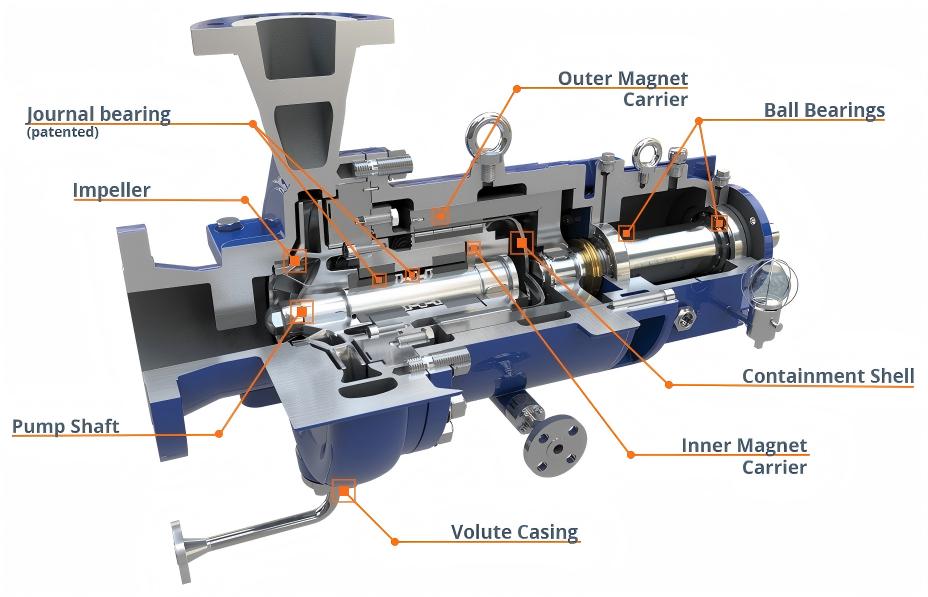
The pump body and impeller are made of cryogenic-resistant steels such as 304/316L stainless steel, aluminum alloy, and bronze, providing sufficient toughness in low-temperature environments to eliminate cold brittleness; the pump shaft is made of high-strength alloy steel, which can withstand temperature difference stress and high-speed operation loads.
2.High-End Sealing System
Effectively preventing leakage of volatile low-temperature media is the key to safe operation of the equipment: labyrinth seals are simple and durable, enabling long-term maintenance-free operation; mechanical seals and dry gas seals are mostly used in liquefied natural gas loading and unloading scenarios; sealing accessories are made of cryogenic-resistant materials such as polytetrafluoroethylene and flexible graphite, replacing ordinary rubber seals to avoid cracking and failure at low temperatures.
3.Anti-Cavitation Optimized Design
Low-temperature liquid gases have extremely low boiling points and are prone to cavitation during operation. The equipment adopts a low net positive suction head (NPSH) structure, equipped with front inducer and double-suction impeller to increase the inlet medium pressure, suppress medium vaporization from the root cause, and reduce cavitation damage.
4.Thermal Shock Resistance Protection Design
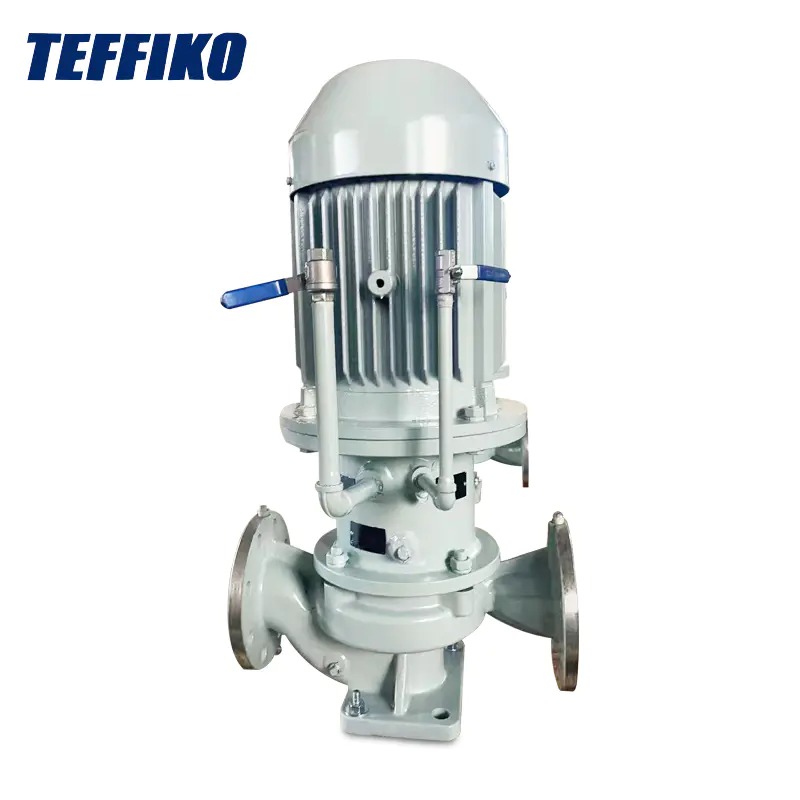
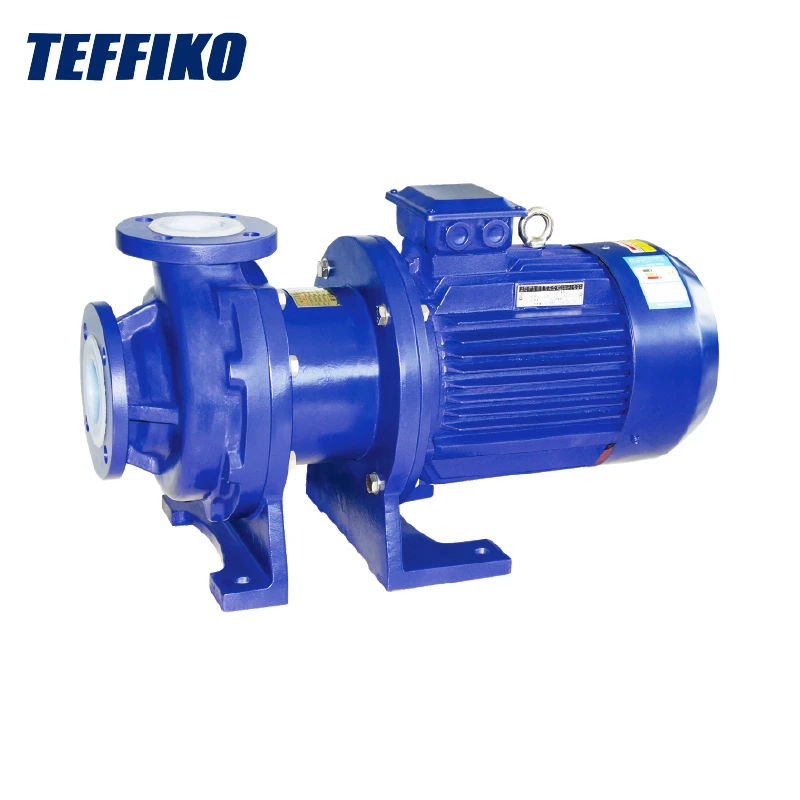
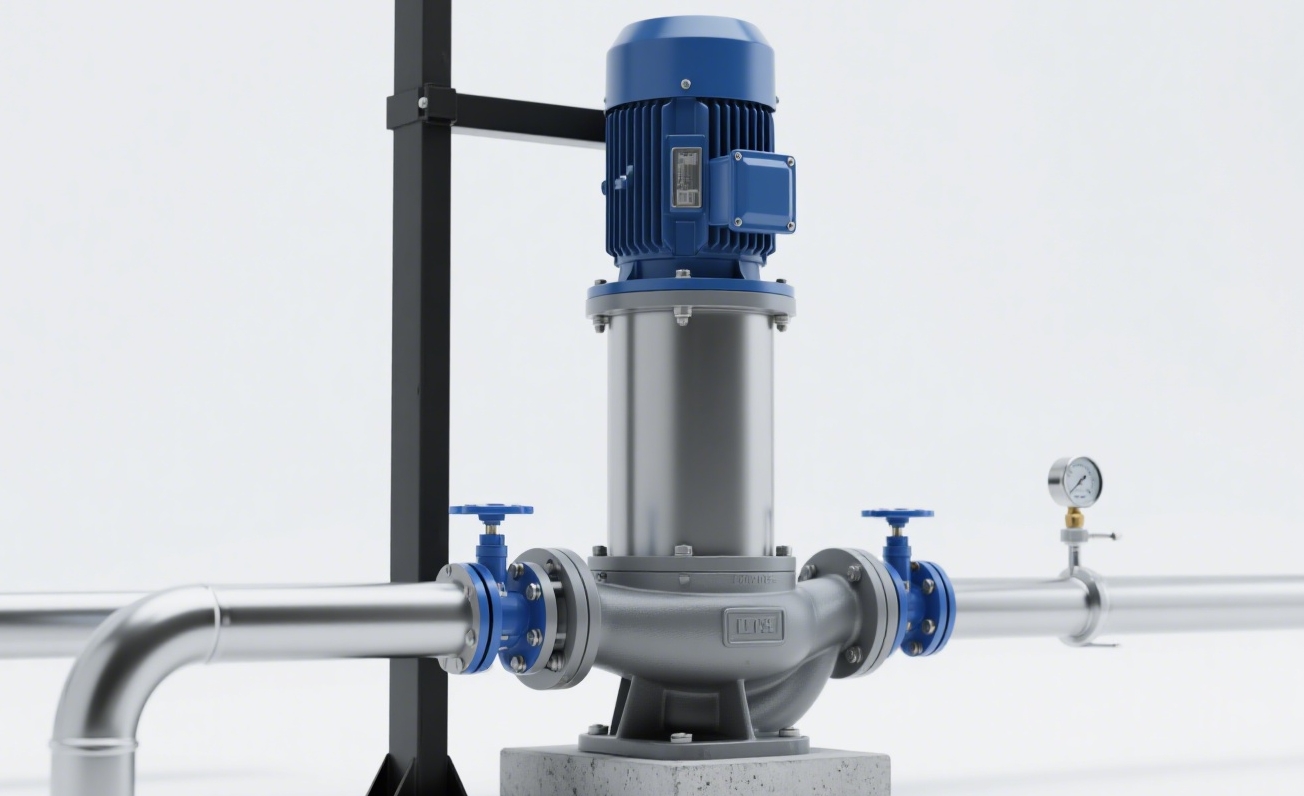
The equipment is strictly prohibited from rapid cooling and must be pre-cooled slowly in accordance with standards to avoid shell cracking caused by sudden temperature changes; it is divided into vertical and horizontal structures. Vertical barrel-type cryogenic centrifugal pumps have better exhaust effect and less heat conduction, making them the mainstream choice in the liquefied natural gas industry.
Cryogenic centrifugal pumps are indispensable in many high-end industrial fields, among which the liquefied natural gas (LNG) industry is currently the largest demand market.
1.Liquefied Natural Gas (LNG) Industry
Widely used in LNG receiving stations for tank medium transfer, ship loading and unloading, and tank truck filling; it is also equipped with natural gas refueling stations to provide clean energy refueling for heavy vehicles and ships.
2.Air Separation and Industrial Gas Industry
As a core supporting component of air separation equipment, it is used to transport liquid oxygen, liquid nitrogen, and liquid argon, serving iron and steel smelting, medical oxygen supply, semiconductor production, as well as capture, storage and transportation of liquid carbon dioxide.
3.Aerospace and Military Industry
Responsible for the transfer and filling of rocket propellants (liquid oxygen, liquid hydrogen) and providing liquid nitrogen circulation delivery for low-temperature tests of aerospace precision parts.
4.Clean Energy and Hydrogen Energy Industry
Adapted to the storage and transportation of liquid hydrogen and conveying scenarios at hydrogen refueling stations, serving as key equipment for hydrogen energy storage and new energy supporting projects.
5.Shipping Industry
As the core fuel supply pump for LNG-powered ships, ensuring the stable supply of clean energy for ships.
Comparison Between Cryogenic Centrifugal Pumps and Positive Displacement Cryogenic Pumps
Comparison Items
Cryogenic Centrifugal Pump
Positive Displacement Cryogenic Pump
Delivery Flow
Large flow delivery
Small and medium flow delivery
Working Pressure
Medium pressure
Ultra-high pressure
Operating Efficiency
High efficiency under large flow conditions
Low efficiency under large flow operation
Maintenance Difficulty
Simple structure and easy maintenance
Many internal parts and complicated maintenance
Applicable Scenarios
LNG transfer, large tank delivery
Small flow and high pressure liquid hydrogen, liquid oxygen delivery
Standard Operation and Maintenance Key Points
Strictly follow the pre-cooling process, cool down uniformly and slowly, and monitor the temperature difference of each part of the equipment in real time.
Ensure sufficient suction margin at the equipment inlet, regularly clean the inlet filter device, and prevent impurity blockage.
Adopt predictive maintenance methods such as vibration detection and leakage monitoring to check hidden dangers of seal wear in advance.
Keep LNG-specific cryogenic centrifugal pumps rotating at low speed during standby after shutdown to maintain the low-temperature state of the equipment and enable immediate startup.
Frequently Asked Questions
Q: What is the lowest temperature a cryogenic centrifugal pump can withstand?
A: The applicable temperature range of conventional models is -150°C to -269°C, and the rated temperature resistance of special LNG cryogenic centrifugal pumps can reach -162°C.
Q: How to choose between vertical and horizontal cryogenic centrifugal pumps?
A: Vertical barrel-type cryogenic centrifugal pumps have good exhaust effect and strong thermal insulation performance, and are preferred for large-scale LNG delivery projects; horizontal pumps are compact in structure and mostly used for small low-pressure low-temperature delivery scenarios.
Q: How to effectively prevent cavitation in cryogenic centrifugal pumps?
A: Ensure sufficient inlet suction pressure, install a medium inducer, and clean the inlet pipeline filter regularly to effectively avoid cavitation problems.
Conclusion
Cryogenic centrifugal pumps are the core equipment for the safe delivery of low-temperature liquid gases, comprehensively supporting the steady development of clean energy industries such as liquefied natural gas, hydrogen energy, and industrial gases. With the continuous growth of global clean energy demand, the market position and application scope of cryogenic centrifugal pumps will continue to expand. Teffiko is always committed to providing customers with excellent cryogenic fluid solutions. We strongly recommend prioritizing high-quality cryogenic-resistant materials, efficient anti-cavitation structures, and low-loss sealing configurations when purchasing.
We use cookies to offer you a better browsing experience, analyze site traffic and personalize content. By using this site, you agree to our use of cookies.
Privacy Policy