Athena Engineering S.r.l.
News

What Thermal Fluid Hot Oil Pumps Are Used for Steel Manufacturing?

2026-08-04 0 Leave me a message

Thermal fluid hot oil pumps are core gear for steel hot working. They circulate high-temp heat transfer fluid to deliver steady heat for tempering, quenching, galvanizing, heat treatment and rolling preheating, securing steel quality and continuous production. Built for steel mills’ high heat, dust and heavy vibration, they cut breakdowns and maintenance costs as essential production supporting units.

1. Working Principle & Core Structure

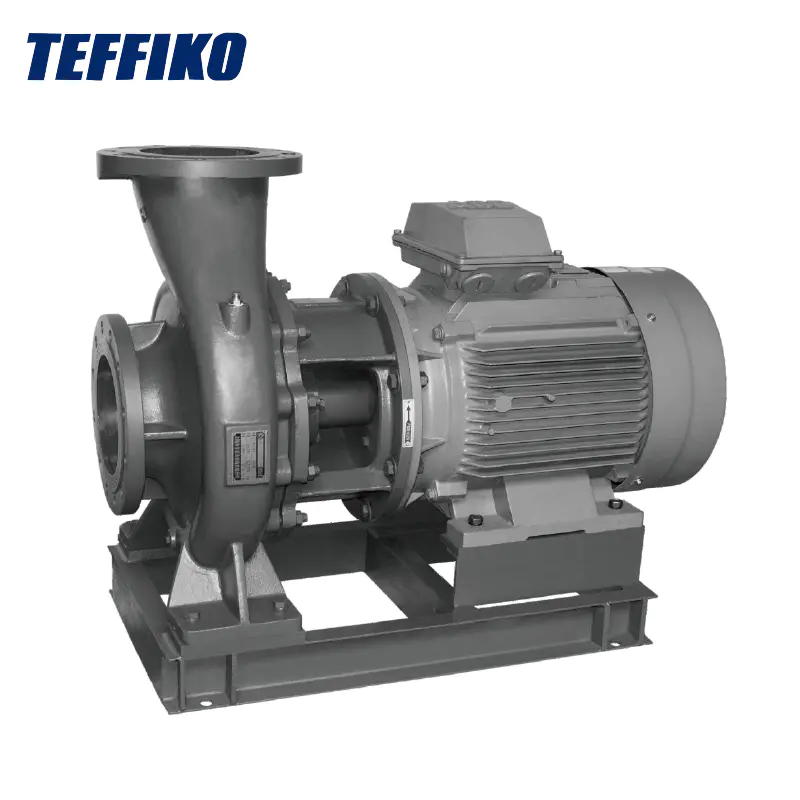
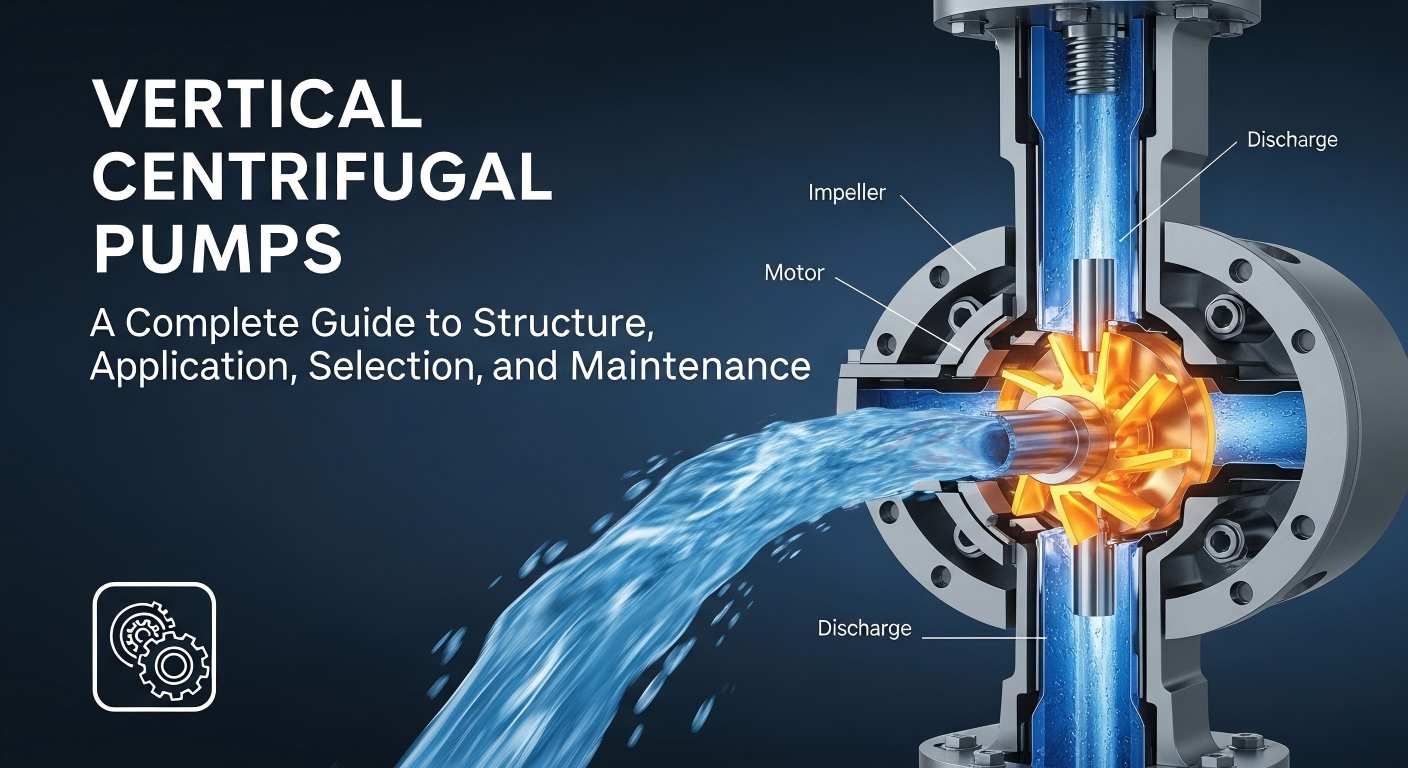
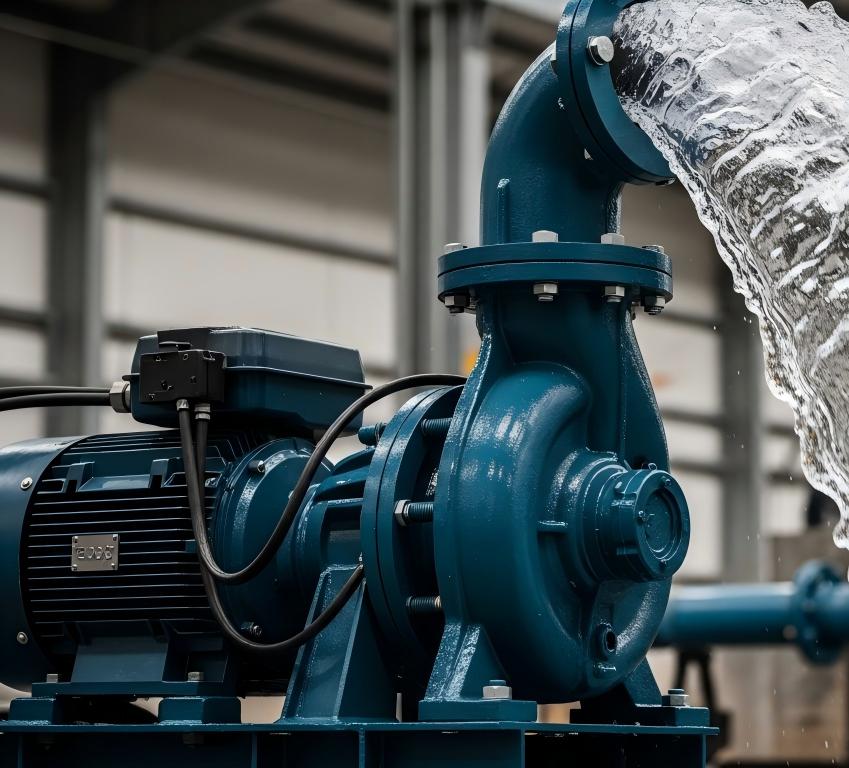
This centrifugal pump consists of impeller, pump casing, drive shaft and bearings. Driven by a motor, the high-speed spinning impeller boosts fluid pressure and flow. Fluid absorbs heat from furnaces and thermal oil boilers, then circulates to production gear for closed-loop heat exchange with little heat loss. Special structures support stable long-run operation under extreme steel mill heat.

2. Key Advantages for Steel Mills

Dynamically balanced closed impellers lower vibration, wear and energy loss for better heat transfer. Optimized drive shafts resist compression and thermal expansion to transfer power stably at high temp and pressure.

The whole pump uses tough alloy to resist corrosion and thermal deformation. Bearings, seals and impellers are interchangeable for fast repairs and less downtime. Energy-saving and fully safety-compliant, it avoids leakage and overheating risks for safe plant operation.

3. Main Steel Production Applications


  • Heating & forging furnaces: precise temperature control for stable smelting and forging
  • Tempering & quenching: adjustable fluid circulation stabilizes steel hardness and toughness
  • Hot-dip galvanizing: constant zinc bath temperature for even anti-corrosion coatings
  • Annealing: uniform steel hardening/softening for consistent product quality
  • Rolling: preheat billets and plates to lift efficiency and cut waste


4. Pump Selection Standards for Steel Plants


  1. Heat resistance: stable flow and pressure at 250℃–350℃
  2. Energy efficiency: low power consumption and carbon emissions
  3. Durability: high-strength anti-corrosion materials for dusty, vibrating high-temp sites
  4. Easy maintenance: universal spare parts and simple structure to shorten downtime

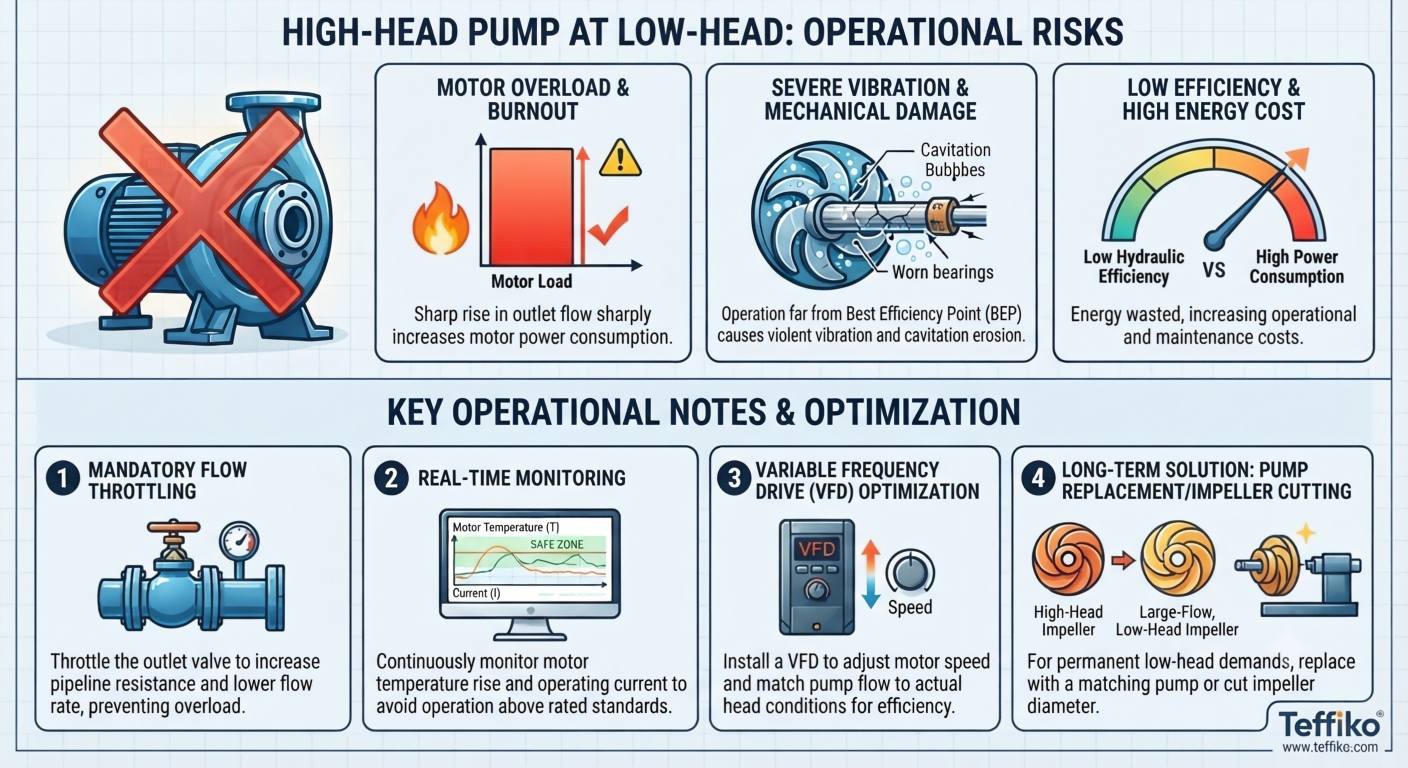
High Head Pump Operation Risks


5. Daily Maintenance Guidelines

Daily visual checks for leaks, abnormal vibration and misalignment; monitor bearing lubrication, running temp, pressure and noise within rated ranges.

Periodically replace worn mechanical seals; clean or swap filters to prevent pipe blockages. Clear internal sediment and corrosion to keep smooth fluid flow and long service life.

Conclusion

As core high-temp processing equipment for steelmaking, these pumps offer precise temperature control, solid durability, low maintenance and high efficiency. They fit steel mill conditions well, stabilize product quality, boost output and reduce running costs. Contact TEFFIKO for customized pump selection and professional technical solutions for steel factories.


Related News
Leave me a message
  • BACK TO ATHENA GROUP
  • X
    We use cookies to offer you a better browsing experience, analyze site traffic and personalize content. By using this site, you agree to our use of cookies.Privacy Policy
    RejectAccept