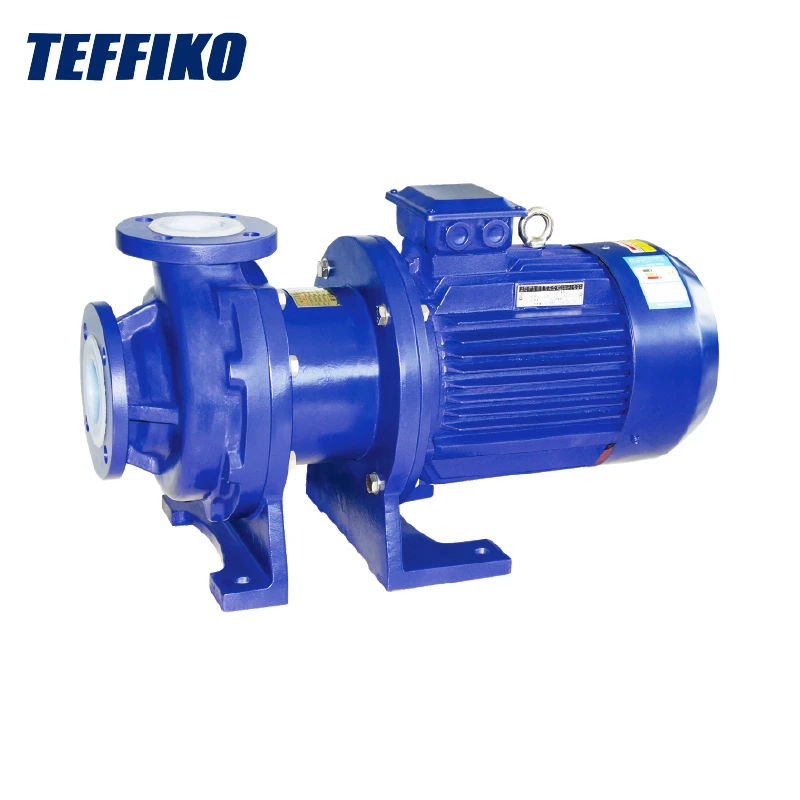
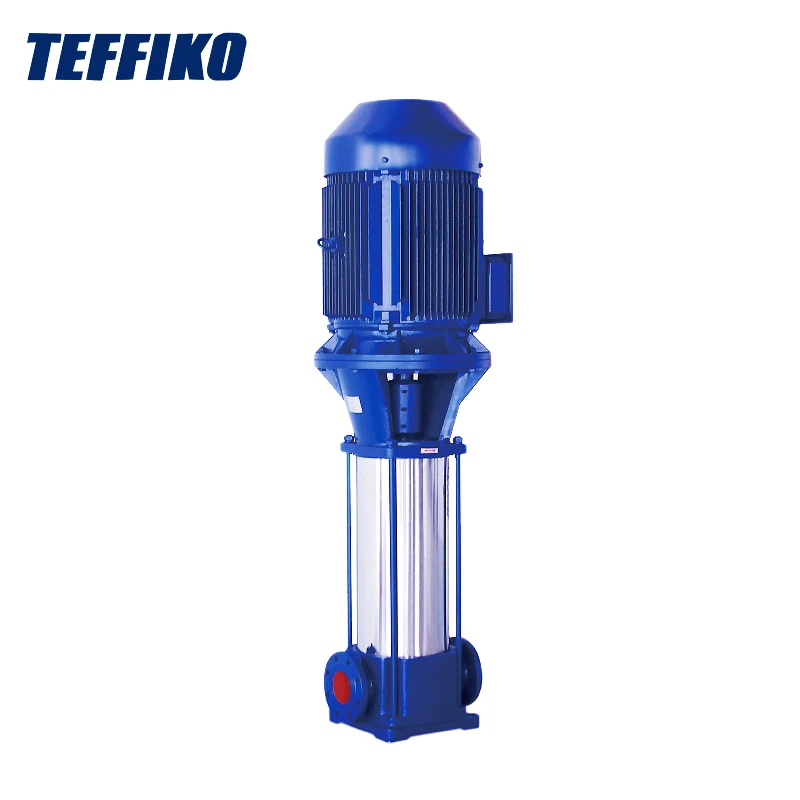
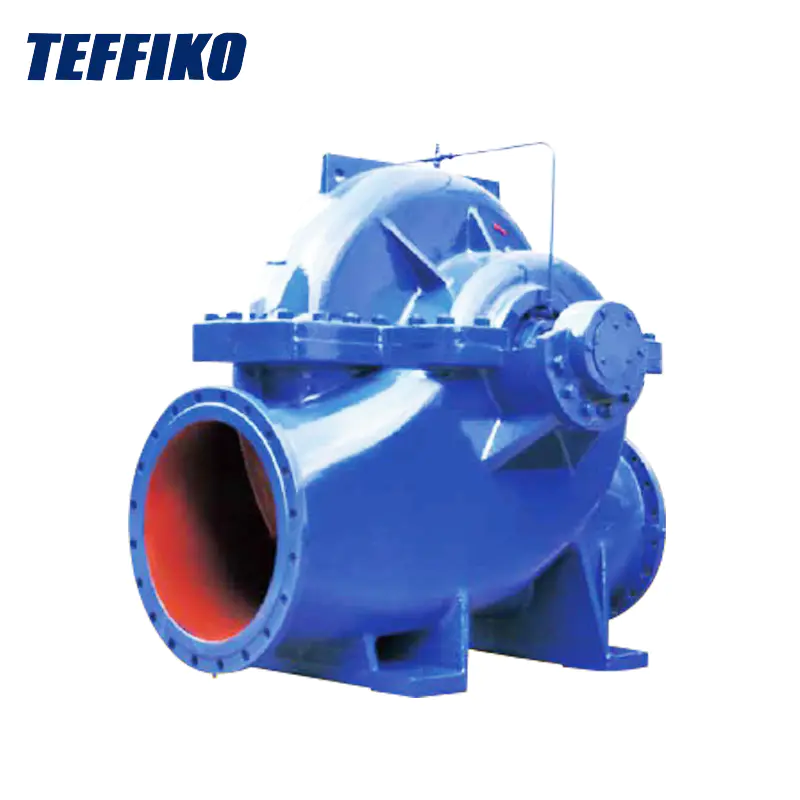
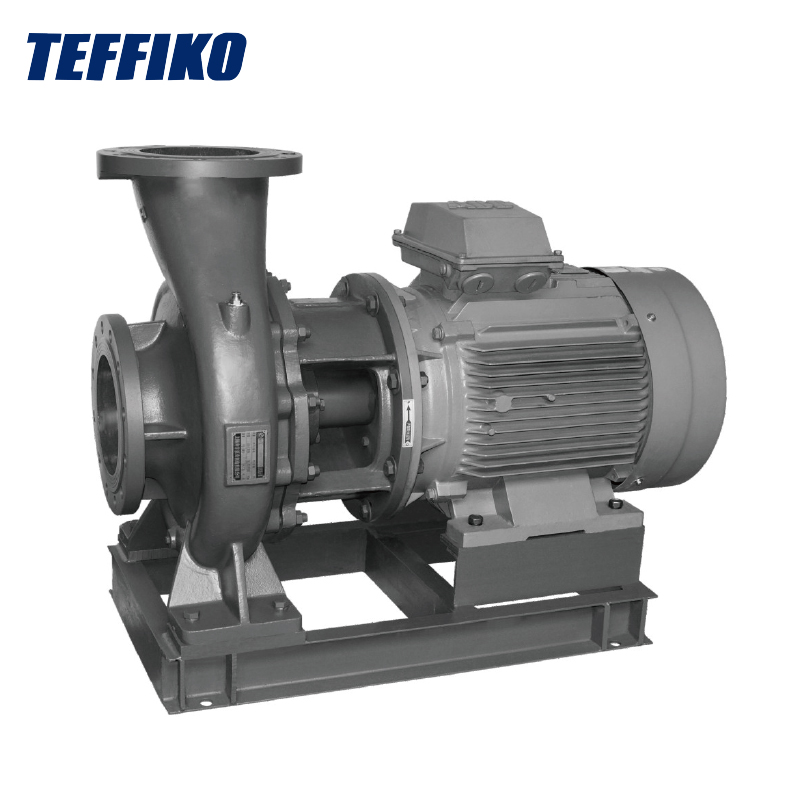
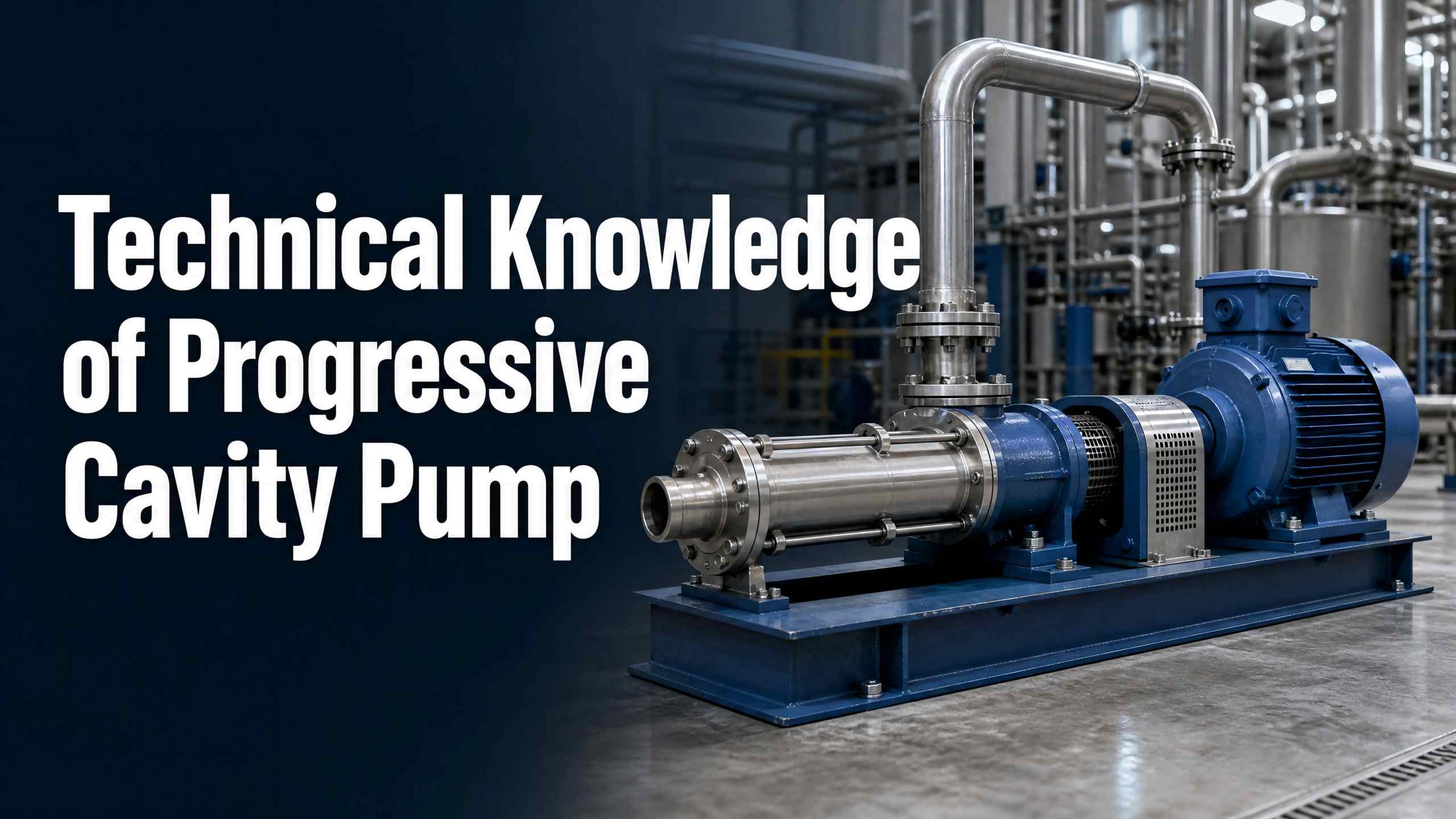
As a professional centrifugal‑pump brand and original manufacturer, Teffiko has years of in‑depth experience in R&D, production and on‑site operation & maintenance of industrial pumps. We have found that centrifugal pumps in chemical, water treatment and industrial circulating water‑supply systems frequently suffer sudden drop in pump head, insufficient discharge pressure and sharp flow reduction. In many cases, such unalerted malfunctions do not stem from pump damage, but from abnormalities in pipelines, motors, operating conditions or internal components. This article summarizes common causes and corresponding solutions concisely by Teffiko centrifugal‑pump manufacturer, helping users conduct rapid troubleshooting and restore normal equipment operation.
I. Basic Principle of Centrifugal Pump Head
The head of a centrifugal pump represents its water‑delivery pressure and lifting height. Given constant rotating speed and impeller specifications, the head value stays relatively stable. A sudden drop in head indicates reduced work‑doing efficiency of the pump. Common causes fall into six categories: cavitation, air ingress, impeller blockage, motor malfunction, internal leakage and operating‑condition fluctuation.
II. Core Causes and Solutions for Sudden Drop in Centrifugal Pump Head
1. Cavitation and Air Ingress into Pump Body
Chemical process pumps and long‑pipeline water‑supply systems are highly susceptible to cavitation. Excessively long suction pipelines or undersized inlet pipe diameters will raise water‑intake resistance, making inlet flow unable to keep pace with outlet flow. Excessively negative pressure inside the pump chamber triggers cavitation, which directly leads to sharp head drop. In addition, inlet blockage, incompletely opened valves and air ingress caused by excessively low liquid level in the suction sump will result in unstable pressure and weak water discharge.
Solutions: Clear blockages in inlet pipelines and fully open inlet valves; optimize pipelines to shorten overlong suction pipes; ensure the suction inlet is fully submerged below the liquid surface; for severe operating conditions, adopt one‑size‑larger inlet pipe diameter to eliminate cavitation.
2. Impeller Blockage and Wear
When impeller flow passages are clogged by impurities, fibers or sediment, the water‑passing cross‑section shrinks and pump pressure cannot build up, bringing about an instantaneous head drop. Long‑term medium erosion may also wear the impeller and impair its work‑doing performance.
Solutions: Stop the unit and disassemble the pump to clear blockages in the impeller; replace components with severe wear; install a filter screen at the water intake. It is recommended that the screen diameter be 3‑5 times that of the water inlet to balance filtering performance and water‑intake efficiency.
3. Excessive Internal Pump Clearance and Severe Internal Leakage
This is an easily‑overlooked latent fault. Prolonged equipment operation may push the fitting clearances of impeller wear rings, bearings and impellers beyond design specifications. Excessive gaps between rotating and stationary components cause high‑pressure liquid to flow back and release pressure internally, manifested as low pressure and insufficient head without external water‑leakage traces.
Solutions: Periodically inspect clearances of internal pump components; replace worn wear rings and bearings to restore pump sealing performance and eliminate internal leakage.
4. Motor Malfunction: Insufficient Rotating Speed or Wrong Rotation Direction
Pump head is directly correlated with motor rotating speed. Unstable voltage, phase loss of the motor, bearing jamming and abnormal frequency‑conversion parameters can reduce rotating speed and lower pump head. Besides, wiring errors after new installation or overhaul may reverse motor rotation, resulting in minimal water output and nearly lost pump head.
Solutions: Inspect power supply and motor operating conditions to fix insufficient‑speed problems; swap any two motor power‑supply wires to correct rotation direction in case of reversal.
5. Natural Head Drop Caused by Operating‑Condition Characteristics
The characteristic curve of a centrifugal pump follows a negative correlation: the higher the flow rate, the lower the head. A sudden rise in downstream water consumption load or reduced pipeline resistance will passively increase flow rate, which automatically lowers water pressure and head. This counts as normal operating‑condition fluctuation instead of equipment failure.
Solutions: Slightly close the outlet valve to cut down flow rate, so as to raise head and stabilize pressure.
6. Pipeline Pressure Release and Valve Abnormality
Pipeline cracking, loose flanges, check‑valve jamming with backflow and abnormal valve opening will trigger pipeline pressure release and bring about sudden drop in terminal pump head. It is necessary to periodically inspect pipeline tightness and valve conditions.
1. Listen to pump‑body noise and observe vibration to troubleshoot cavitation and air‑ingress issues;
2. Verify whether motor rotation direction and rotating speed work normally;
3. Check inlet pipelines, valves and filter screens for blockages;
4. Fine‑tune the outlet valve to judge whether head drop arises from operating‑condition‑induced flow change;
5. Disassemble the pump to inspect the impeller, wear‑ring clearances and internal‑leakage conditions.
Summary
Sudden drop in centrifugal‑pump head mainly arises from six issues: cavitation & air ingress, impeller blockage, internal pump leakage, motor malfunction, operating‑condition fluctuation and pipeline pressure release. Most faults do not require equipment replacement. Rapid resolution can be achieved through standardized pipeline layout, operating‑condition adjustment, component cleaning and motor‑parameter correction. Routine pipeline optimization and periodic maintenance can effectively avoid common problems such as unstable head and insufficient water output.
As a professional supplier of industrial‑pump equipment, Teffiko provides full‑process technical support covering equipment type‑selection, installation & commissioning, and after‑sales operation & maintenance. If you encounter abnormal pump‑set operation or demand customized fluid‑conveying solutions, please feel free to contact us. We will offer you professional technical guidance and equipment services.
We use cookies to offer you a better browsing experience, analyze site traffic and personalize content. By using this site, you agree to our use of cookies.Privacy Policy