Step into any petrochemical plant, power station, or metallurgical workshop, and you’ll find that among numerous pump models, the OH5 centrifugal pump is a reliable product that stands firm even under harsh operating conditions such as high temperature and high pressure.
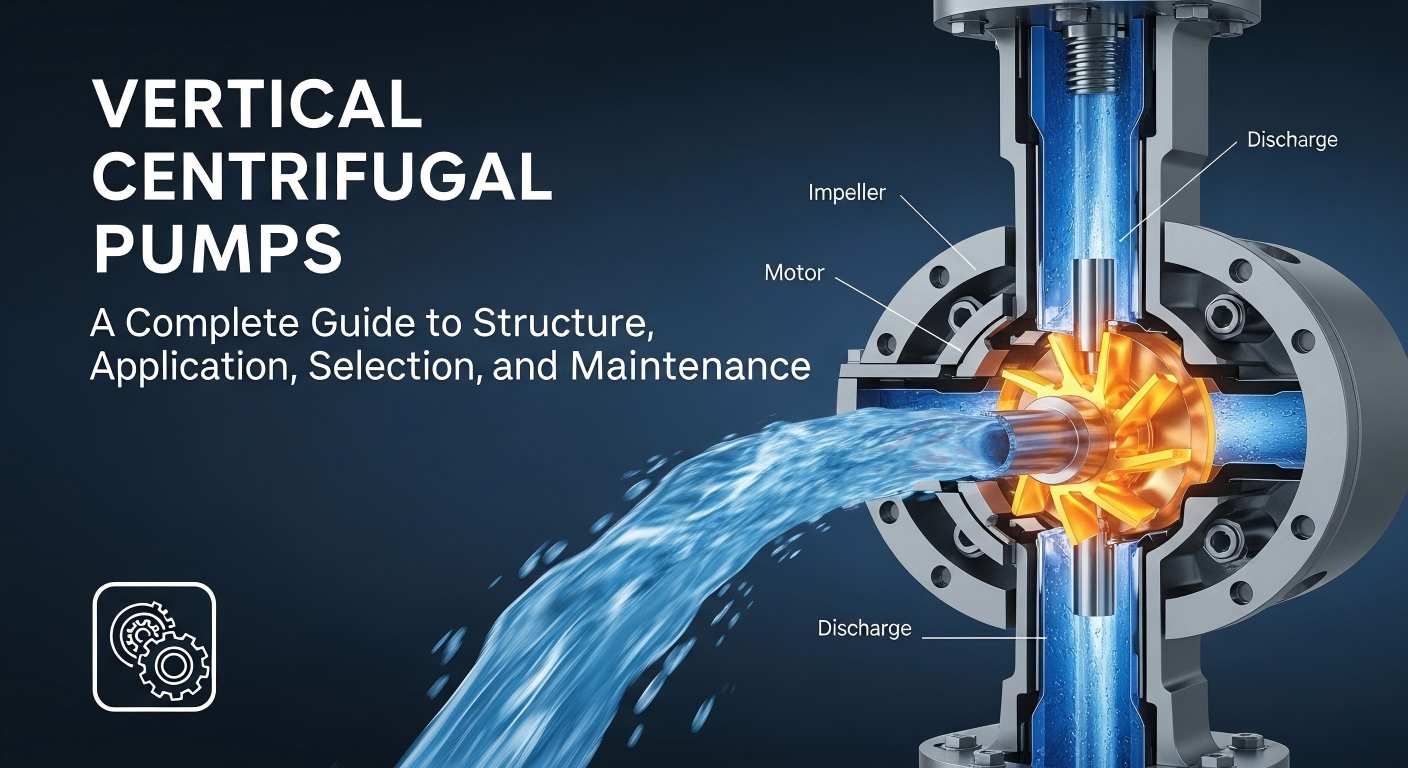
As one of the most favored pump types in the API 610 standard "Centrifugal Pumps for Petroleum, Heavy Chemical, and Gas Industry Services", the OH4 centrifugal pump, with its unique vertical inline structure, outstanding reliability, and convenient installation and maintenance features, has become an ideal choice for fluid transfer in numerous fields such as chemical engineering, power generation, pharmaceuticals, and water treatment — many engineering friends around me have reported that this pump is "easy to use and space-saving", and it’s truly a good choice.
In the world of crude oil transportation, there’s no room for compromise when it comes to safety, efficiency, or equipment reliability. These aren’t just nice-to-haves—they’re non-negotiables. At the heart of every pipeline or refinery transfer system sits the crude oil pump, and if it’s not built to exacting standards, everything downstream is at risk. That’s where API 610 comes in—not as just another guideline, but as the de facto benchmark for centrifugal pumps in the oil and gas industry.
In the petrochemical industry, pumps are an important part of fluid transfer, responsible for transporting crude oil, chemicals and other media. Once a pump breaks down suddenly, it is by no means a trivial matter: it may cause production interruption, leakage of hazardous media, or even downtime for several days, resulting in considerable losses.
But do you really have to wait for a DCS alarm or the maintenance team to arrive to know that there is a problem with the pump?
In fact, senior operators have relied on a "3-minute quick diagnosis method" for years—no complex tools are needed, only ears, eyes, hands and a little on-site experience. Below I will break it down step by step, presenting practical skills that even novices can easily master.
The OH3 centrifugal pump has left a deep impression on me — you can spot it everywhere, from the pipe racks of oil refineries and crowded offshore platform decks to the high-pressure pipeline systems of power plants. What sets it apart from other pump models is its reliable and durable features: a vertical design that saves space, a modular structure for easy assembly and disassembly, and the ability to withstand high temperatures, high pressures, and corrosive media. It’s like it was specifically designed to solve the most common tricky problems in industrial settings. Below, I’ll break down its core components, actual working principle, and how these designs adapt to real factory operating conditions.
If you work with industrial centrifugal pumps regularly, you’ve probably come across the “OH1” model—and let’s be honest, it’s really easy to mix up with other types. Many engineers know centrifugal pumps transport fluids, but if you ask them what makes an OH1 pump unique? Most of them will struggle to answer. And don’t even get me started on procurement teams—misunderstanding the model all but guarantees ending up with the wrong equipment. But here’s the thing: OH1 pumps are workhorses in industries like oil, power, and chemicals. They’re a classic overhung pump under the API 610 standard (the global design code for centrifugal pumps), and once you get the basics down, they’re actually pretty straightforward. Let me walk you through the key details.
We use cookies to offer you a better browsing experience, analyze site traffic and personalize content. By using this site, you agree to our use of cookies.
Privacy Policy