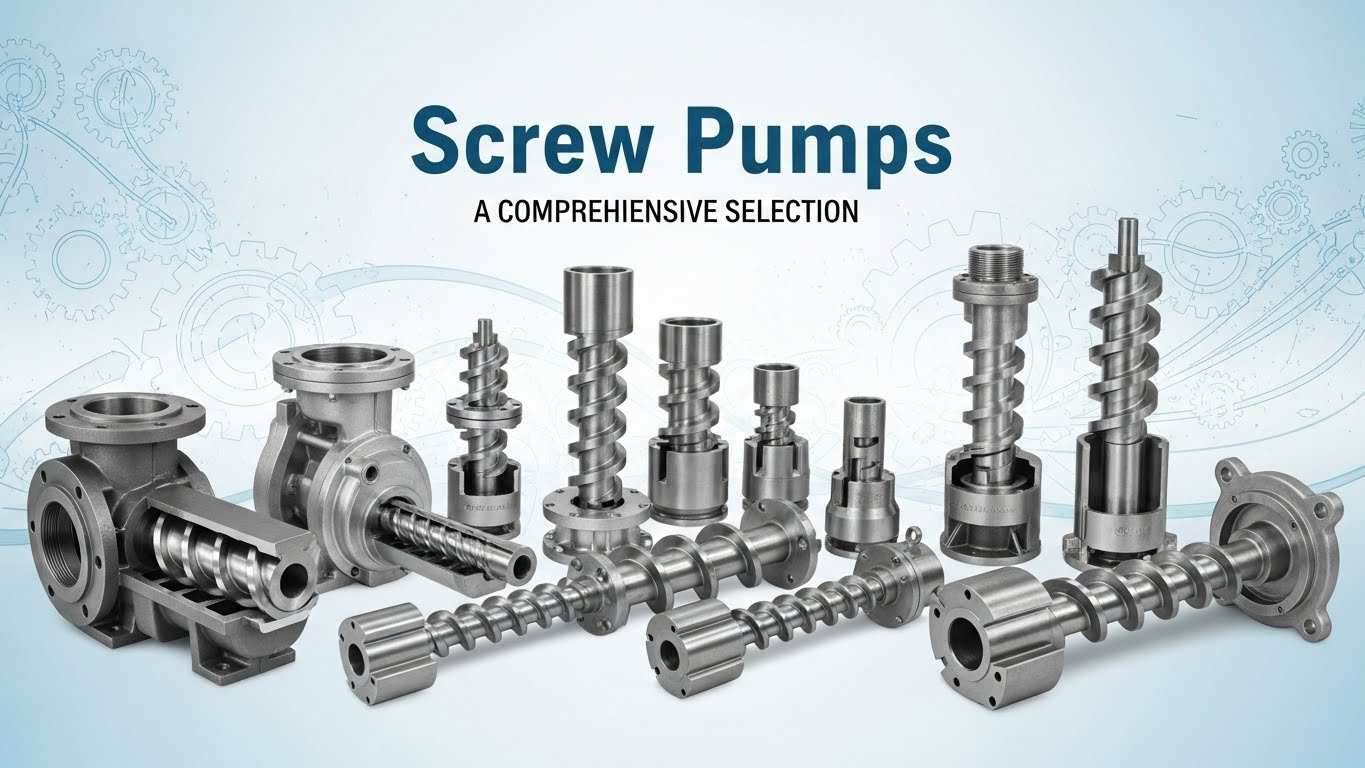
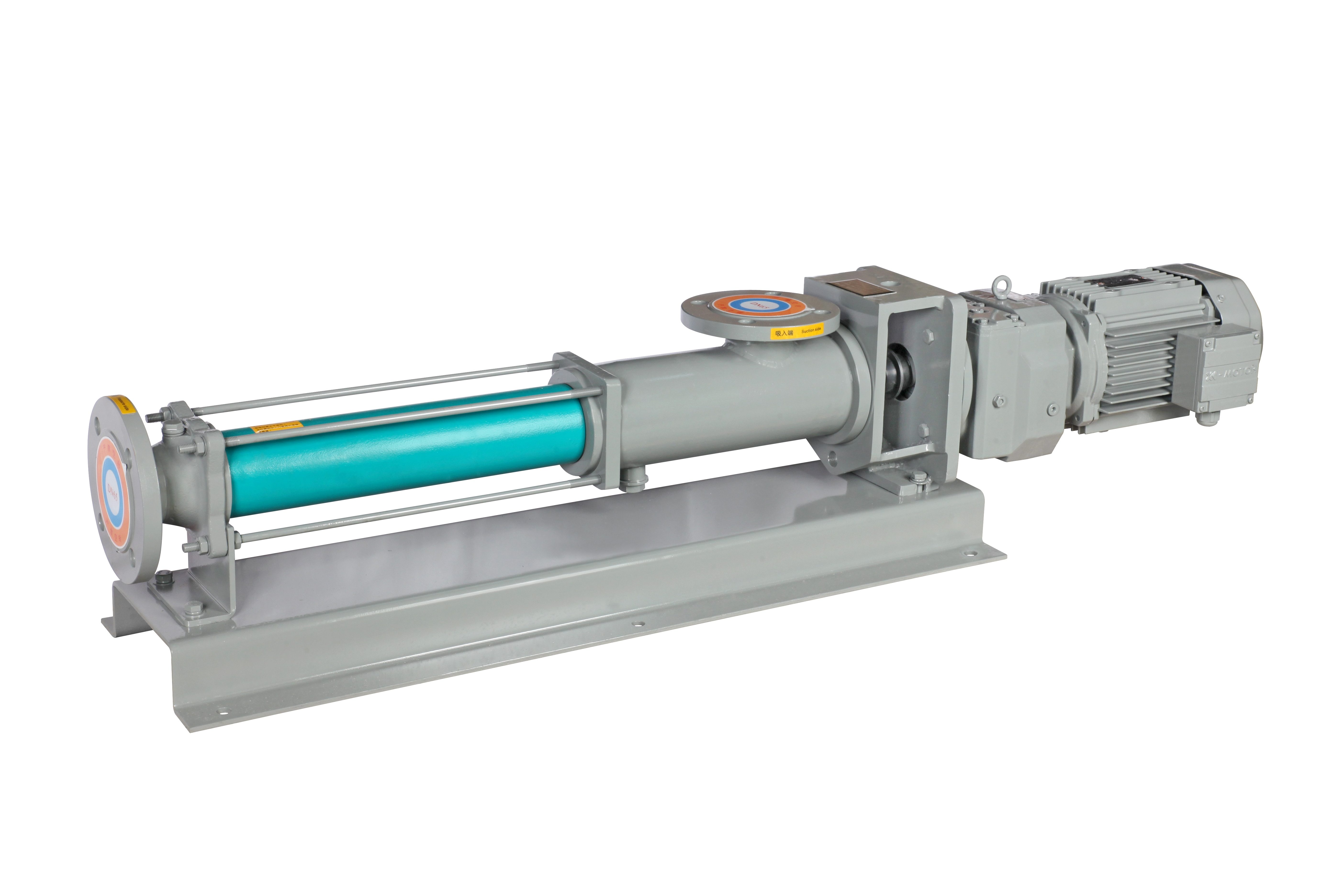
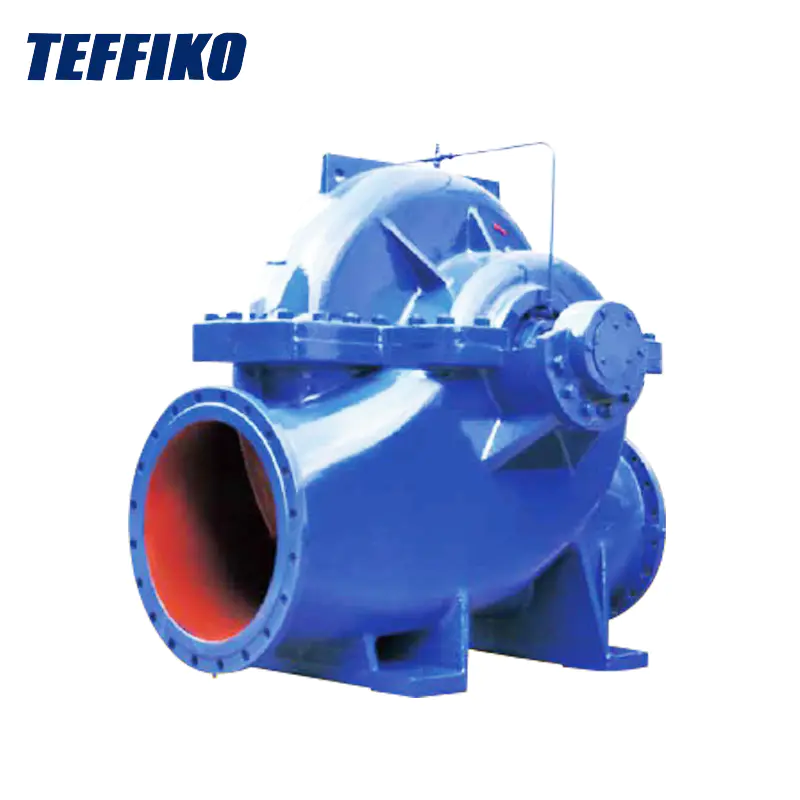
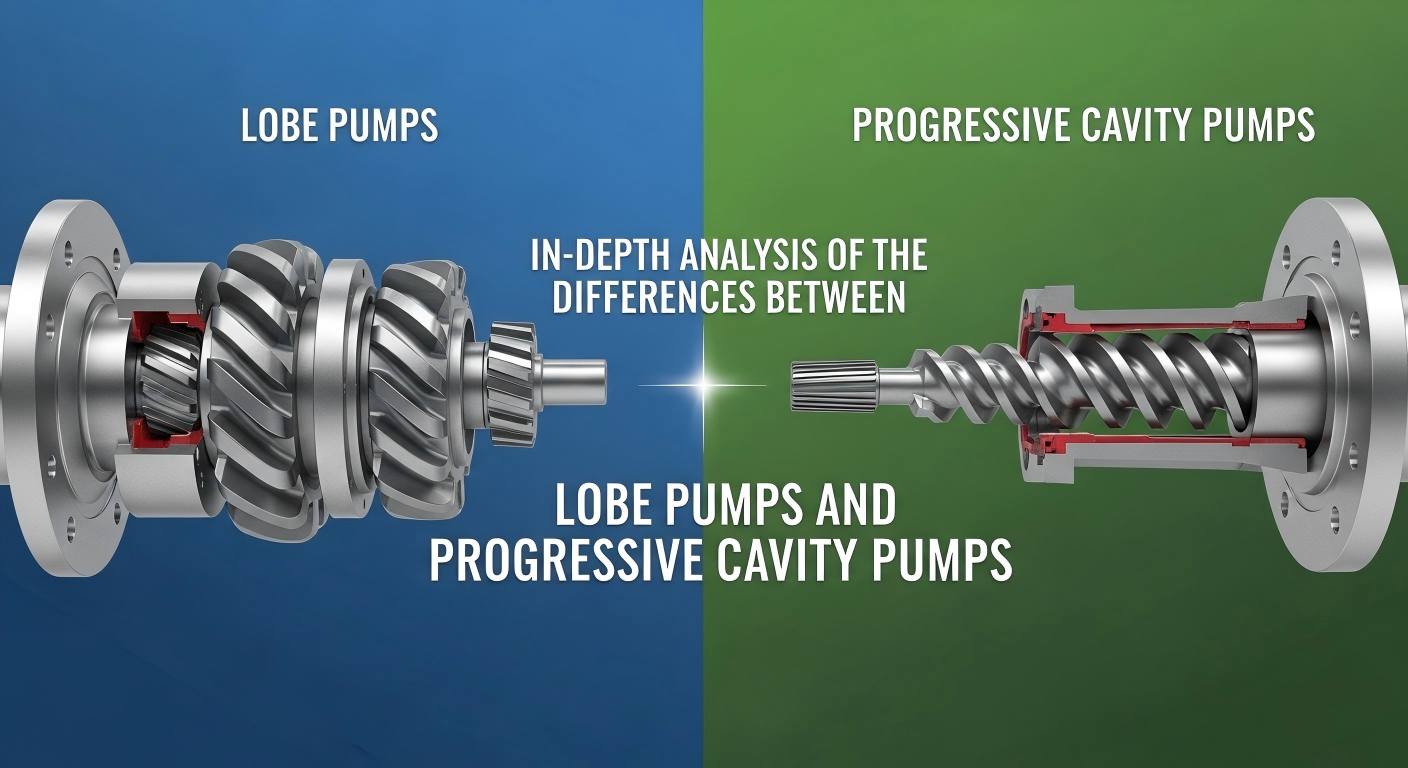
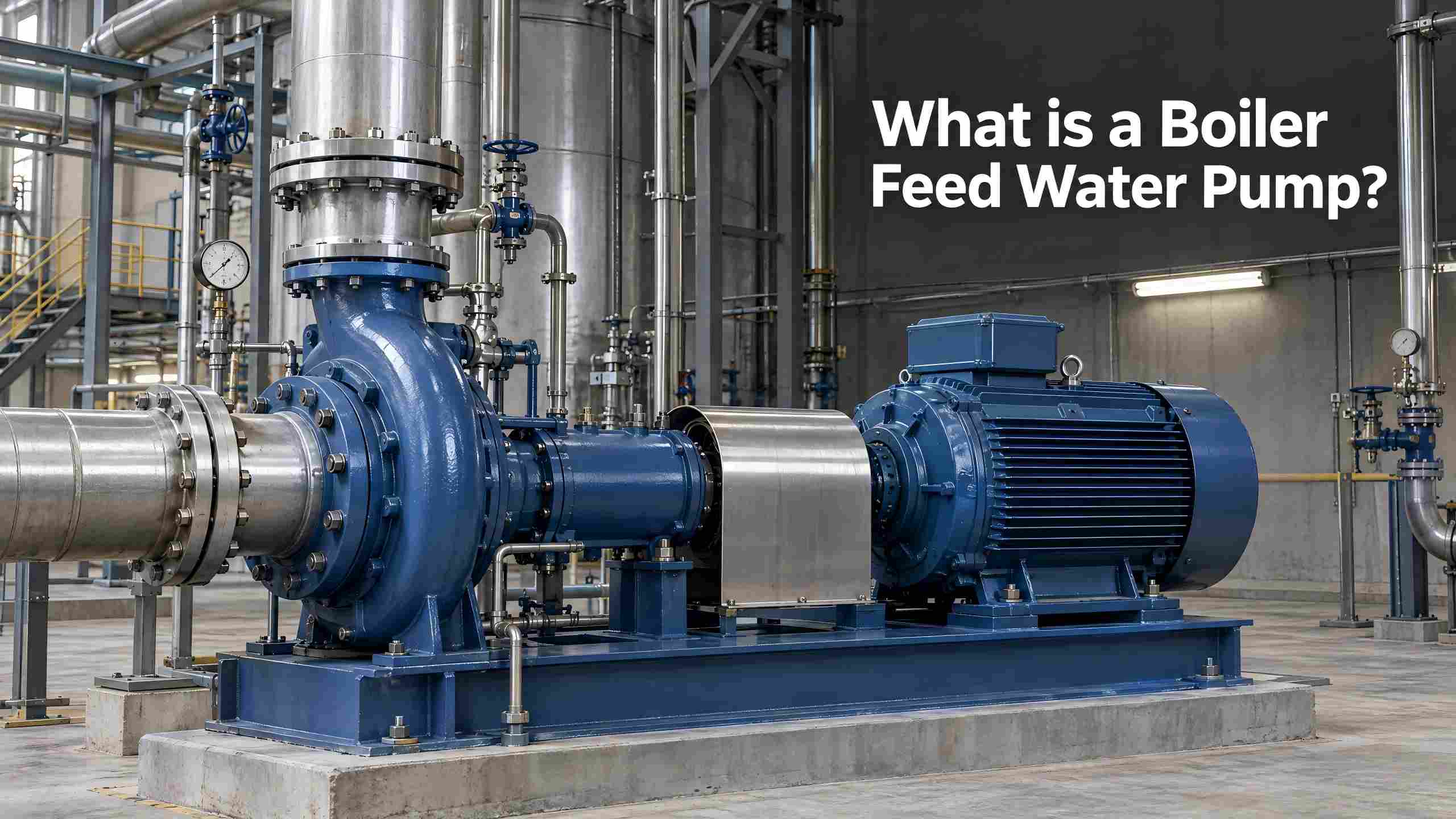
In industrial fluid transportation systems, screw pumps are widely used in petroleum, chemical, food, sewage treatment and other fields due to their stable flow rate, low pulsation, high self-priming capacity and good adaptability to high-viscosity/solid-containing media. The core principle of the comprehensive selection of screw pumps is to balance the investment cost of the pump unit and pump station as well as the long-term operating costs, and ultimately achieve the operational goals of economy, safety and applicability——this is the core logic that this article intends to systematically sort out for you.
I. Basic Principles of Selection: Economy, Safety and Applicability
The comprehensive selection of screw pumps is not an isolated matching of technical parameters, but a multi-dimensional decision-making process centered on "the lowest life-cycle cost of the entire system". It must meet the following requirements simultaneously:
Economy: Reduce the civil engineering, equipment procurement and energy consumption expenses of the pump station;
Safety: Avoid risks such as cavitation, water hammer and backflow;
Applicability: Match the on-site layout, medium characteristics and operating conditions.
II. Core Data List
Before conducting specific calculations, the following "basic" data must be listed:
Medium characteristics: Including medium name, specific gravity, viscosity, corrosiveness and toxicity.
Solid content: The diameter and content of solid particles directly determine the material selection of the rotor and stator of the screw pump.
Temperature control: The medium temperature (℃) will affect the swelling rate and material strength of the rubber stator.
Pressure requirements: It is necessary to comprehensively consider the pressure of the suction sump, the pressure of the discharge sump and the pressure drop (head loss) of the entire pipeline system.
III. The "Art of Margin" for Flow Rate and Head
Flow rate calculation formula:
Normal situation: If small, normal and large flow rate data are available, the large flow rate must be considered.
Margin correction (according to specific speed ns):
Large flow rate pumps with \(ns > 100\): The margin is 5%.
Small flow rate pumps with \(ns < 50\): The margin is 10%.
Pumps under extremely harsh working conditions: It is recommended to directly reserve a 10% margin.
Agricultural particularity: For agricultural open channel water conveyance, seepage and evaporation losses must be included in the calculation.
IV. Pipeline System Design
Many selection failures are not due to poor pumps, but unreasonable pipeline design.
Pipe diameter selection: Excessively large pipe diameter → high cost; excessively small pipe diameter → high flow velocity, sharp increase in resistance → rise in head and power → soaring operating costs. It is necessary to balance the initial investment and operating costs through hydraulic calculations.
Pipeline layout:
Minimize the pipeline length and reduce elbows as much as possible;
The curvature radius of elbows ≥ 3~5 times the pipe diameter, and the turning angle should be as large as >90°;
Valves (ball valves/globe valves) and check valves must be installed on the discharge side:
Valves are used to adjust the operating point;
Check valves prevent pump reversal or water hammer impact caused by backflow during shutdown (which may lead to shaft breakage or seal failure).
V. Reasonable Configuration of Pump Quantity and Standby Rate
Reasonable quantity configuration is the key to ensuring the continuous operation of the system and directly affects production stability.For normally operating pump units, only one main operating pump is required under conventional circumstances. However, to cope with sudden failures and daily maintenance, it is recommended to configure three pump units, adopting the mode of "one in operation, one standby, one under maintenance".This configuration method can avoid the interruption of the entire transportation system due to the failure of a single pump, especially suitable for industrial production scenarios with extremely high requirements for continuity, and effectively reduce shutdown losses.
The "comprehensive selection" of screw pumps is essentially a system engineering optimization. It requires engineers to understand both fluid mechanics and cost control; to pay attention not only to the performance of the pump itself but also to coordinate the pump station layout and pipeline design. Only by taking medium characteristics, process parameters, installation conditions, economic indicators and safety redundancy into consideration can a truly "suitable" screw pump be selected.
At Teffiko, we have been deeply engaged in the positive displacement pump field for many years, providing high-reliability screw pump solutions for the chemical, environmental protection, food and energy industries. From working condition analysis, CFD-assisted selection to pipeline system optimization, our technical team can provide you with free and professional selection support.If you are advancing a new project or facing efficiency bottlenecks in the existing system, welcome to contact the Teffiko engineering service team——to make every fluid transportation accurate, efficient and worry-free.
We use cookies to offer you a better browsing experience, analyze site traffic and personalize content. By using this site, you agree to our use of cookies.
Privacy Policy