Athena Engineering S.r.l.
News

Comprehensive Analysis of Common Problems and Solutions for Centrifugal Chemical Pumps

2026-01-04 0 Leave me a message

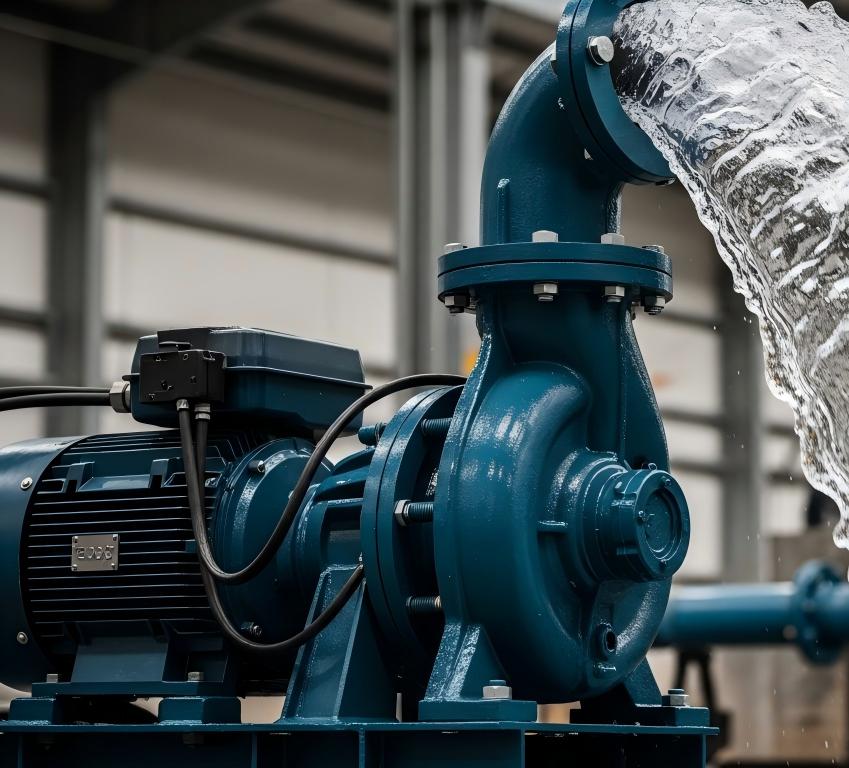
In the field of chemical fluid transportation, the stability of centrifugal pumps directly determines the Overall Equipment Effectiveness (OEE) of the entire production line. Many engineers message me privately asking: "Why did the mechanical seal on my pump start leaking just six months after commissioning?" or "The selection was correct, so why is the noise so loud?"

As a fluid machinery researcher, I have found that 70% of centrifugal chemical pump failures are actually rooted in the installation phase. Today, combining years of R&D experience and engineering feedback, I have summarized the nine most common problems in the use of centrifugal chemical pumps. I recommend saving this for future reference.

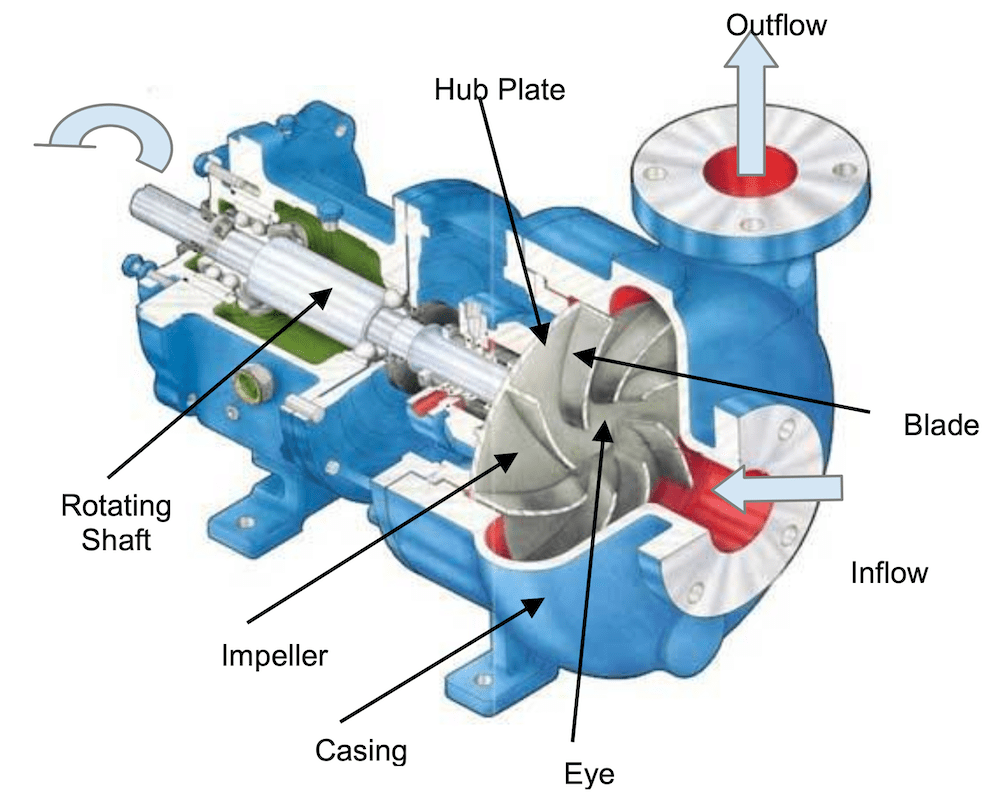
structure

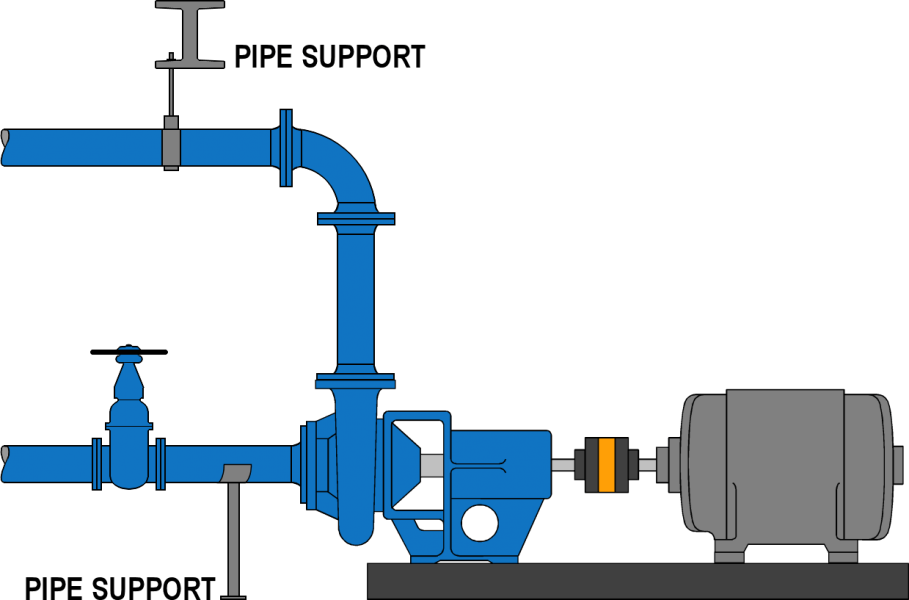
I. Nine Traps to Avoid During the Installation Phase


1.Independent Piping Support: Remember, the weight of the piping must never be directly applied to the pump casing. Independent supports must be set up for the inlet and outlet pipelines to prevent the pump body from deforming, which would affect its performance and lifespan.


2.Tightening of Anchor Bolts: All anchor bolts must be tightly secured. Any looseness will cause vibration when the pump starts, which not only generates noise but also severely impacts the pump's operating efficiency and the lifespan of internal components.


3.Cleanliness Check of Flow Passages: Before installation, the pump's flow passages must be carefully inspected for hard foreign objects (such as stones, iron filings, or welding slag) that could harm the pump's operation. If present, they will cause devastating damage to the high-speed rotating impeller and pump casing the moment the pump is started.


4.Optimization of Suction Piping: When the pump is used in a suction lift application (liquid level is below the pump), the inlet piping should be as short as possible and have minimal bends. Furthermore, the piping must be 100% sealed to eliminate any leaks or air ingress, otherwise, the pump will fail to prime or cavitation will occur.


5.Correct Installation of the Foot Valve: For non-self-priming centrifugal pumps, a foot valve should be installed at the end of the suction pipe to ensure the pipe remains filled with liquid after the pump stops, facilitating the next start-up.


6.Configuration of Necessary Instruments: For ease of future maintenance and real-time monitoring, it is strongly recommended to install a valve on both the inlet and outlet pipelines, and a pressure gauge near the pump outlet. This ensures the pump operates within its rated head and flow range, serving as a "talisman" to extend the chemical pump's service life.


7.Installation Position of the Check Valve: If a check valve (to prevent liquid backflow) is required on the outlet pipeline, it must be installed outside the outlet gate valve.


8.Final Check Before Start-up: After all installation is complete, manually rotate the pump shaft. If any friction sound or jamming is felt, the pump must be immediately disassembled and inspected to eliminate the cause before restarting.


9.Assurance of Alignment Accuracy: For pumps with a separate pump and motor structure, the alignment of the coupling is the top priority during installation. Substandard alignment accuracy is the primary cause of pump vibration and premature bearing failure.

installation

II. Quick Diagnosis of Three Major Common Failures During Operation


Even with perfect installation, long-term operation may still encounter problems. When the following situations occur, you can quickly troubleshoot:


1. Insufficient Flow or Head


•Core Cause: Wear of the impeller or sealing rings (wear rings) is the main "culprit." Long-term transportation of media containing solid particles leads to wear, increasing internal leakage and thus reducing the effective flow and head.


•Troubleshooting Advice: Regularly check the wear gap of the impeller and wear rings, and replace them if necessary. Also, check if the inlet strainer is clogged.


2. Pump Body Vibration and Abnormal Noise


•Core Cause: Besides installation alignment issues, the most common cause during operation is "Cavitation." When suction conditions are poor (e.g., liquid temperature is too high, suction pipe is too long), the liquid vaporizes inside the impeller. The rapid collapse of these bubbles generates huge impact forces, causing noise and vibration.


•Troubleshooting Advice: Check if the inlet liquid level is too low, or try slightly closing the outlet valve to increase the pressure inside the pump and observe if the vibration and noise are reduced. Also, check if the bearing lubrication is adequate.


3. The Most Troublesome Problem: Pump Fails to Start or Fails to Discharge Liquid


•Core Cause: First, troubleshoot electrical faults (power supply, switch). Second, confirm that the pump is filled with liquid (priming operation), as a centrifugal pump cannot discharge liquid if there is air inside. Finally, check if the motor rotation direction is correct.


•Troubleshooting Advice: Follow the principle of "Electrical first, then Mechanical; External first, then Internal" for step-by-step troubleshooting.


Conclusion: Choose Professionalism, Choose Peace of Mind


Managing the common problems of centrifugal chemical pumps is a systematic project that begins with rigorous and meticulous installation and continues through scientific and efficient daily operation and maintenance. By eliminating potential hazards during the installation phase and mastering rapid diagnostic methods during operation, you can minimize losses caused by unplanned downtime and ensure the long-term stability of your production line.


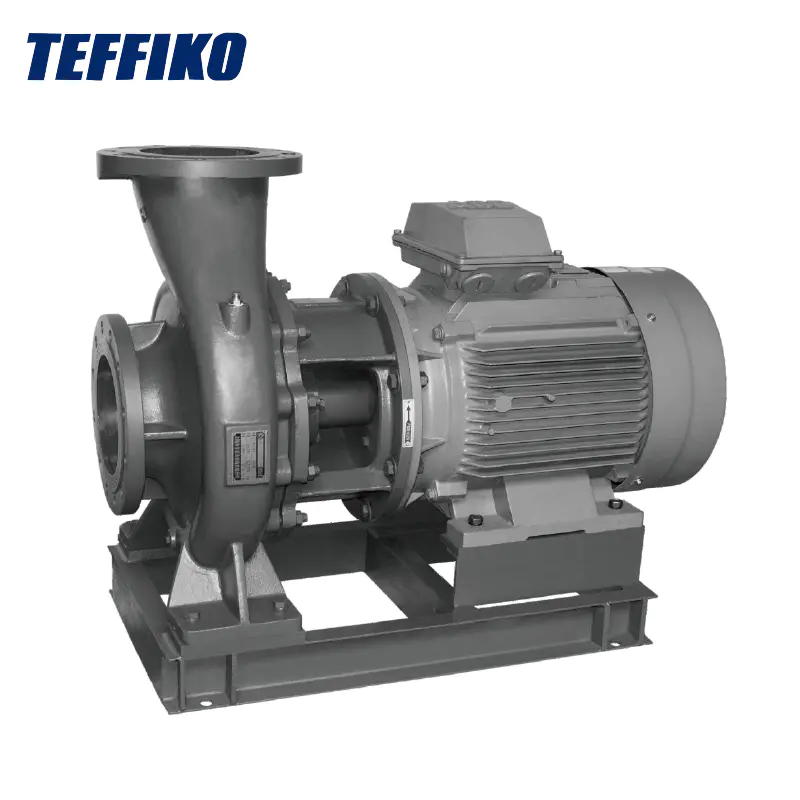
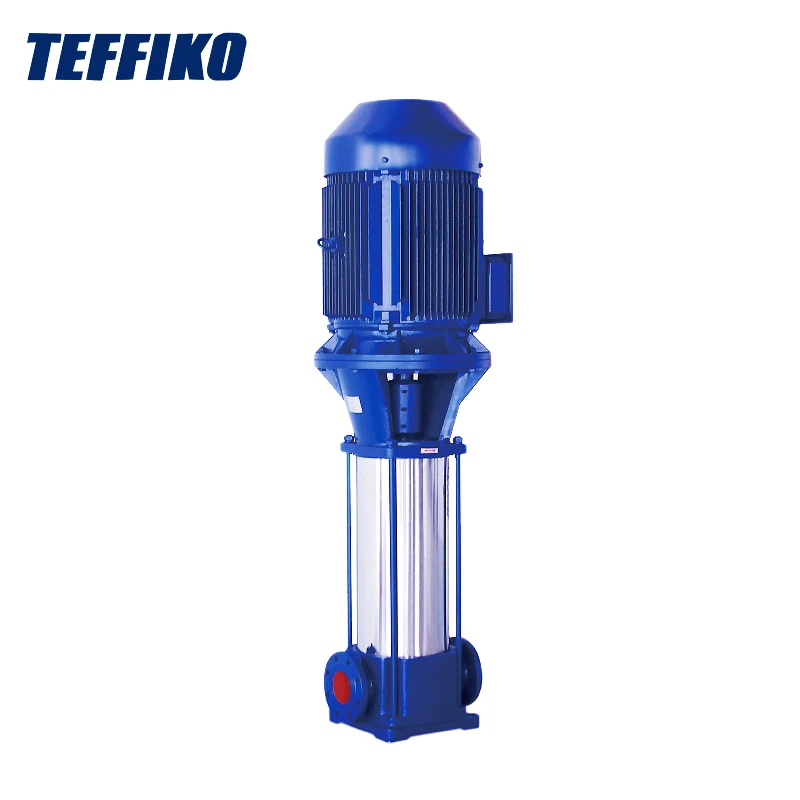
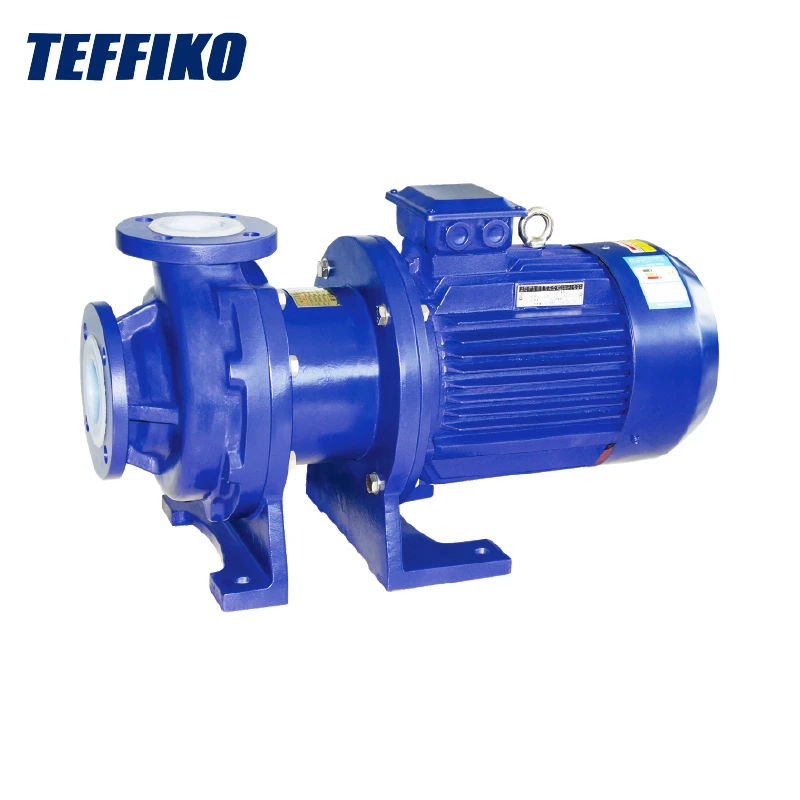
However, excellent equipment management starts with a trustworthy foundation. Choosing a brand like Teffiko, which focuses on quality and service, means you not only acquire a superior-performing centrifugal pump but also gain a reliable technical partner. Teffiko centrifugal pumps are designed from the outset with full consideration for various complex working conditions, dedicated to enhancing product durability and stability from the source. When you encounter challenges, our professional team can provide timely support, ensuring every production task is worry-free.


Ultimately, choosing Teffiko means choosing a solution that provides peace of mind throughout the entire lifecycle, from installation to operation and maintenance.


Related News
Leave me a message
  • BACK TO ATHENA GROUP
  • X
    We use cookies to offer you a better browsing experience, analyze site traffic and personalize content. By using this site, you agree to our use of cookies. Privacy Policy
    Reject Accept