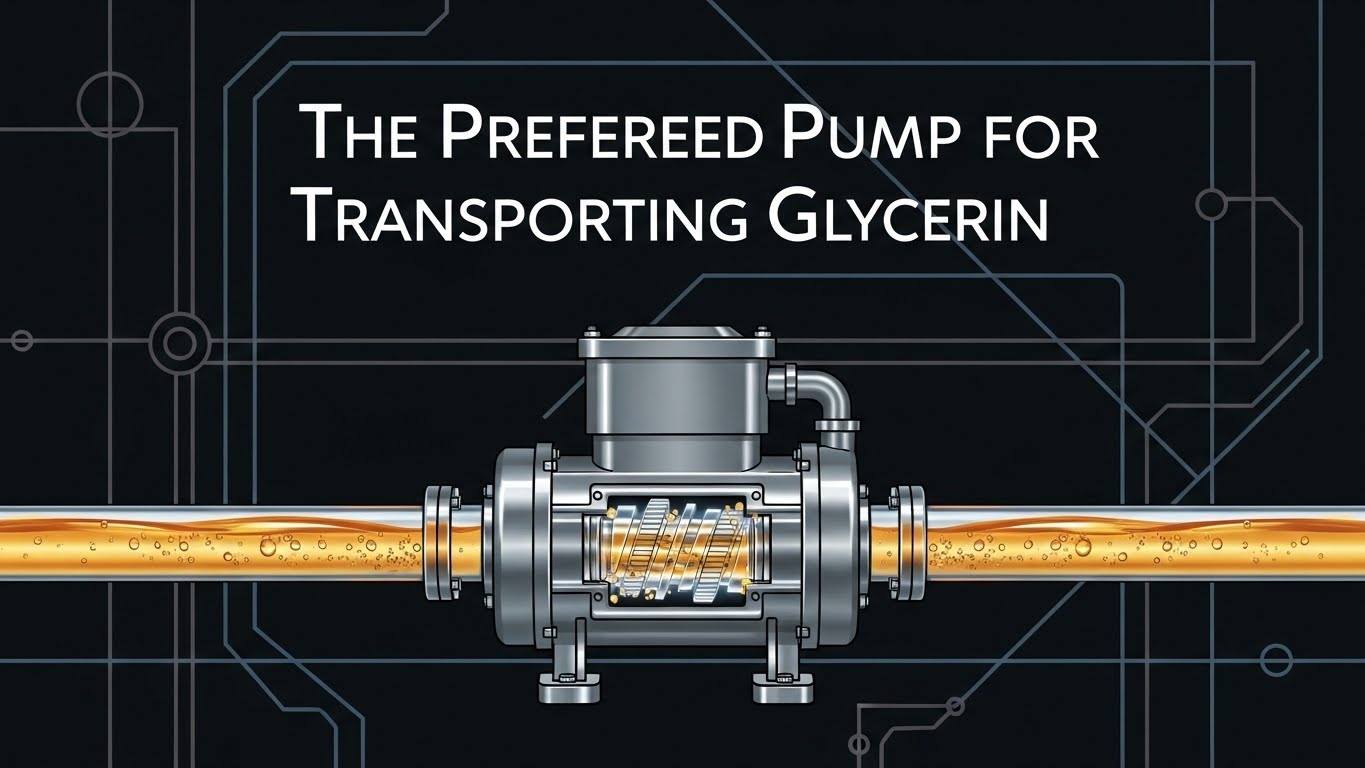
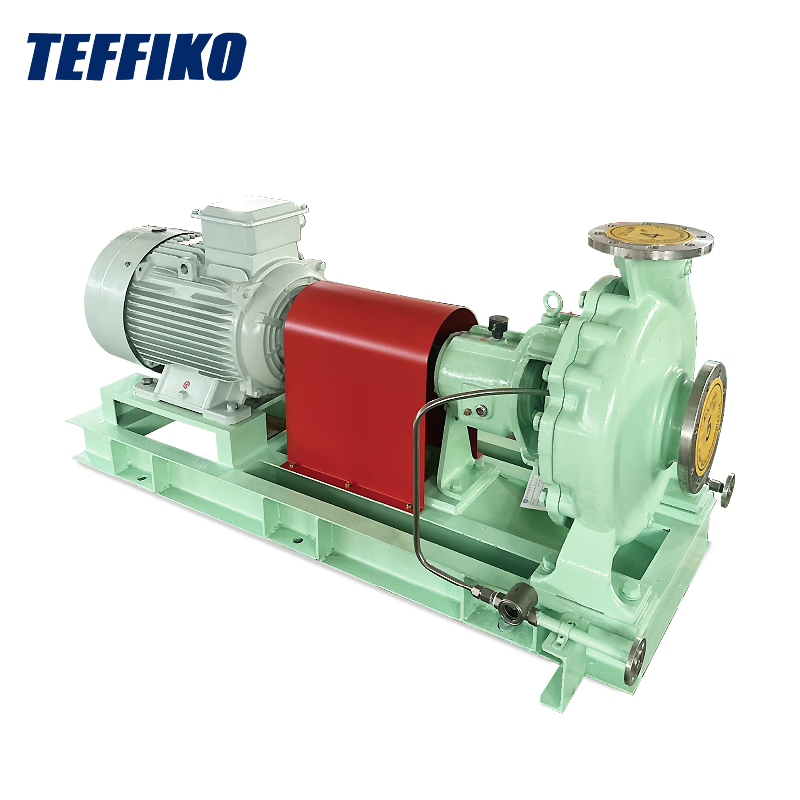
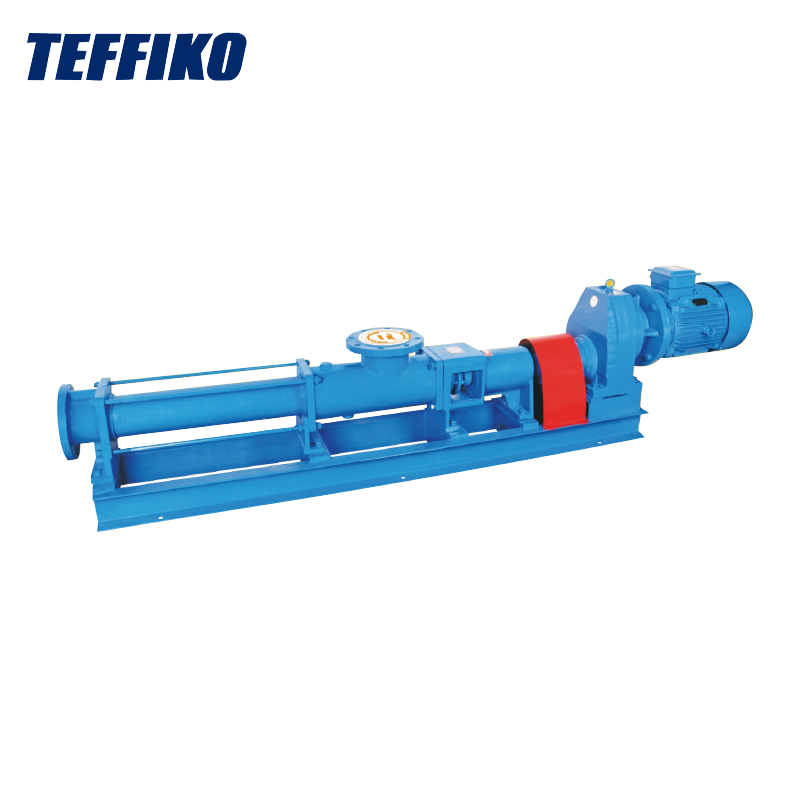
In industries such as food, pharmaceuticals, cosmetics, and fine chemicals, glycerin, as a high-value, high-viscosity, and hygroscopic polyol medium, is widely used as a humectant, solvent, sweetener, or reaction intermediate. However, glycerin's physical properties (viscosity up to 1400 cP at room temperature) impose strict requirements on transportation equipment—ordinary centrifugal pumps are prone to slipping, cavitation, unstable flow, and other issues. So, what is the preferred pump for transporting glycerin? This article will systematically explain the scientific selection strategy for glycerin transfer pumps.
Understanding the Medium: Technical Difficulties in Glycerin Transportation
Glycerin, a colorless, odorless, and sweet-tasting organic substance, exhibits extremely high viscosity in industrial production. According to laboratory test data:
At 20°C, the viscosity of glycerin is approximately 1412 mPa·s
At 25°C, the viscosity drops to 945 mPa·s
This viscosity characteristic that changes significantly with temperature places extremely high demands on the "adaptability" of transportation equipment. As an internal meshing rotary positive displacement pump, the single-screw pump operates on the principle of the rotor's planetary rotation inside the stator to form a continuous, uniform, and constant-volume sealed cavity, making it widely recognized as the optimal solution for glycerin transportation.
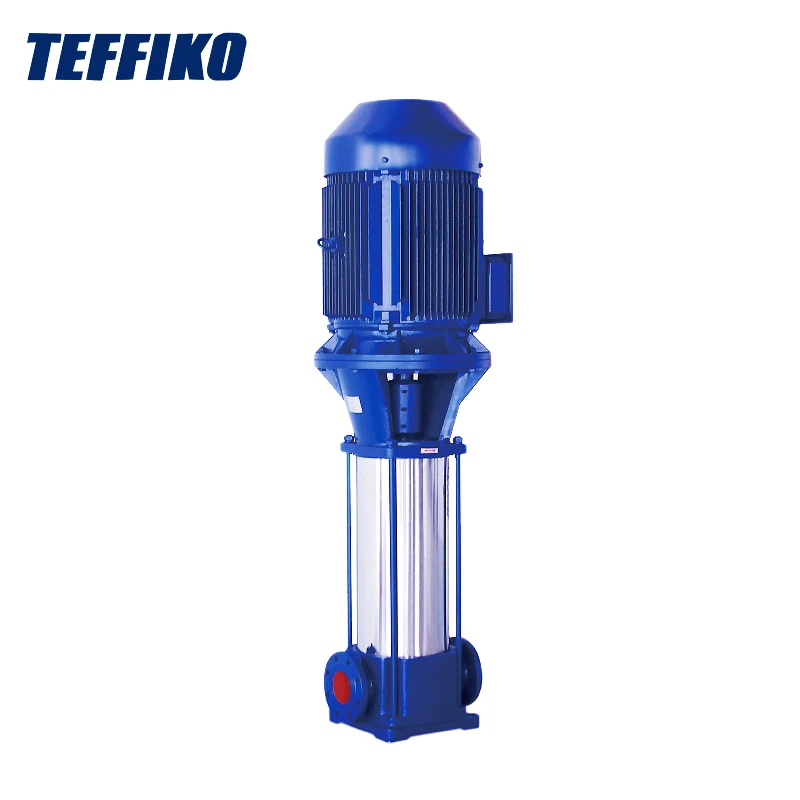
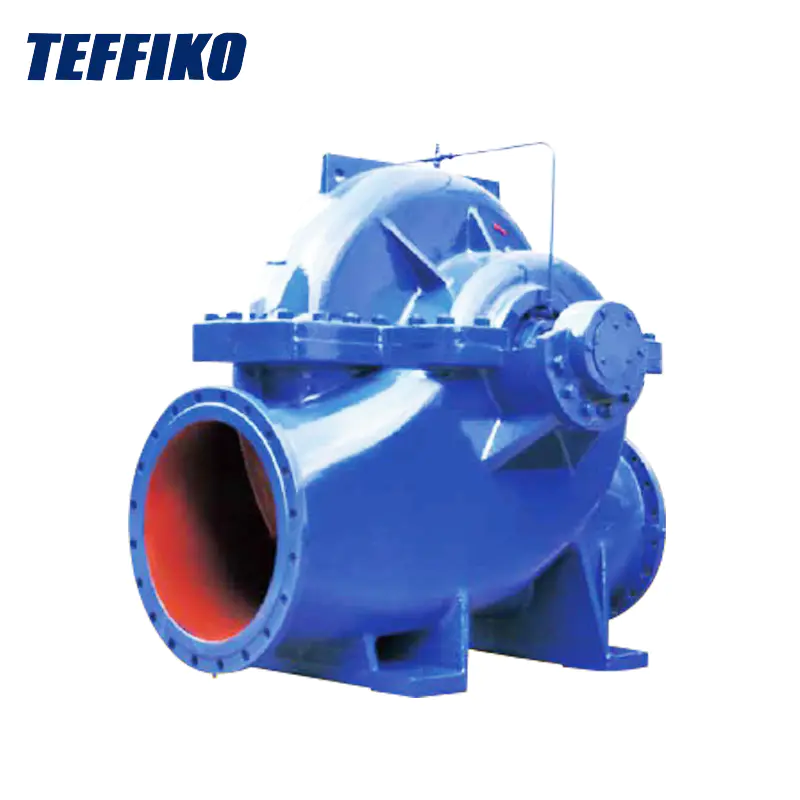
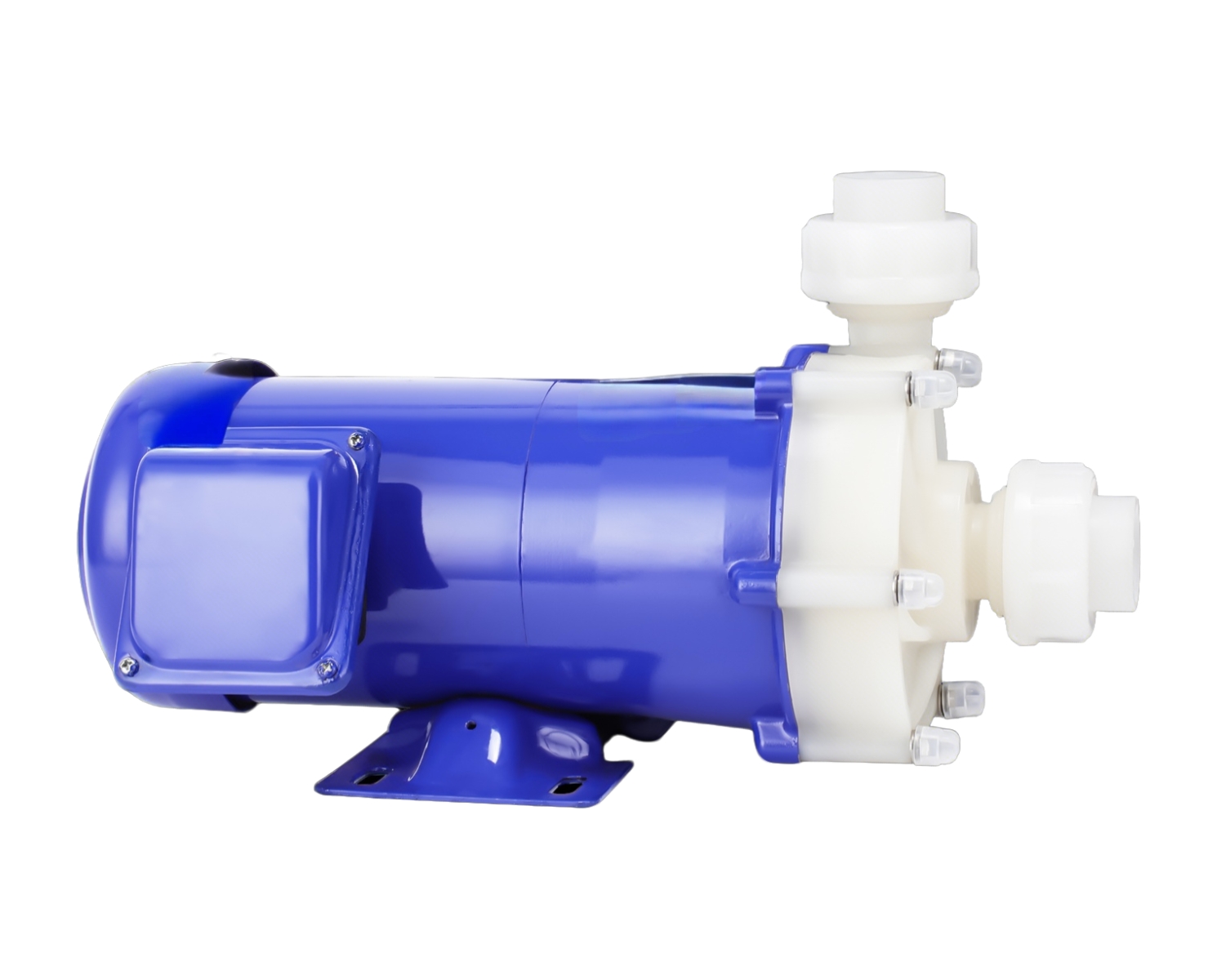
II. Comparison of Mainstream Pump Types: Which is Most Suitable for Glycerin Transportation?
Preferred for food, pharmaceu
tical, and high-purity glycerin
III. Why is the Screw Pump the Undisputed Choice for Glycerin Transportation?
Exceptional adaptability to high-viscosity media: Glycerin's high viscosity is a core challenge for pump transportation capacity. Screw pumps have an extremely wide range of applicable medium viscosities—depending on the pump specifications, they can easily handle media with viscosities ranging from 20,000 to 200,000 mPa·s. Even when glycerin's viscosity increases significantly at low temperatures, stable transportation is ensured.
Compatibility with impurity-containing glycerin: In some industrial scenarios, glycerin may be mixed with a small amount of solid particles or fibers. Screw pumps can handle impurities with a maximum particle size of 30mm (not exceeding the rotor eccentricity) and a length of 350mm (equivalent to 0.4 times the rotor pitch). The impurity content can generally reach 40% of the medium, and for powdery fine particles, the content can even reach 60% or higher, eliminating the need for additional filtration pretreatment.
Stable delivery pressure, no pulsation: Glycerin requires high transportation precision in chemical and pharmaceutical production. Screw pumps enable continuous transportation with stable pressure, avoiding periodic pressure fluctuations like those in reciprocating pumps, ensuring accurate formula ratios and improving product qualification rates.
Low agitation, protecting glycerin's inherent structure: Food-grade and pharmaceutical-grade glycerin have strict requirements for purity and molecular structure integrity. Screw pumps cause minimal agitation during transportation, without damaging the inherent structure of the transported medium, preventing glycerin quality degradation due to excessive shear force, and fully complying with international standards such as FDA and EU 10/2011.
Flexible flow regulation, adapting to diverse needs: If it is necessary to adjust the glycerin transportation volume during production, it can be easily achieved by adjusting the screw pump speed. Additionally, the pressure can automatically adjust with the resistance of the transportation pipeline, eliminating the need for additional complex regulation devices and adapting to flow requirements under different working conditions.
Low operating noise, optimizing the production environment: Adopting an internal meshing rotary design, screw pumps operate with low vibration and noise, effectively improving the workshop production environment and meeting the environmental protection and safety requirements of modern industry.
IV. Core Guidelines for Glycerin Transfer Pump Selection
Based on years of industry experience, Teffiko provides enterprises with core recommendations for glycerin transfer pump selection to ensure precise matching of needs:
Prioritize screw pumps: Based on glycerin's core characteristics of high viscosity and shear sensitivity, directly select screw pumps and avoid incompatible types such as centrifugal pumps and gear pumps to eliminate transportation issues from the source.
Accurately match viscosity and working condition parameters: During selection, clarify the glycerin's transportation temperature, flow rate, pressure, and whether it contains impurities, then select a screw pump of appropriate specifications.
Choose materials based on glycerin purity: For food-grade and pharmaceutical-grade glycerin, select screw pumps made of 316L stainless steel with food-grade seals; for industrial-grade glycerin, choose 304 stainless steel or ordinary materials based on whether it contains corrosive impurities.
Prioritize brands with proven cases: Select brands with rich successful cases in glycerin transportation.
Conclusion
Although glycerin is non-corrosive and non-toxic, its high viscosity, high value, and high purity requirements determine that transportation equipment must be "professionally suited".
The preferred pump for transporting glycerin is undoubtedly the single-screw pump—it is not only the optimal technical solution but also a key link in ensuring product quality, production efficiency, and compliance.
Among numerous industrial pump brands, Teffiko has become a trusted partner in the food, pharmaceutical, and fine chemical industries with more than ten years of technical accumulation focused on high-viscosity fluid transportation. Consider choosing Teffiko screw pumps—our professional team will provide you with precise selection recommendations and full-cycle after-sales service to help improve production quality and efficiency.
We use cookies to offer you a better browsing experience, analyze site traffic and personalize content. By using this site, you agree to our use of cookies.
Privacy Policy