During the full-process processing of edible oil including oil extraction, refining, filtration and storage, conveying high-temperature oil products serves as a core working procedure. Conventional water-cooled oil pumps have long suffered from persistent pain points such as water leakage-induced contamination, complicated pipelines, cumbersome maintenance and high operating costs. By contrast, air-cooled pumps (air cooling pumps) for edible oil eliminate the traditional water cooling jacket structure and rely on air convection for heat dissipation and temperature reduction without the need for an external cooling water source. Capable of continuous and stable conveyance of high-temperature edible oil, they have become mainstream conveying equipment in the grain and oil processing industry thanks to their strengths of high efficiency, energy conservation, low failure rate and zero contamination. They greatly boost the production efficiency and product quality of edible oil processing.
I. Core Working Principles of Air-Cooled Pumps for Edible Oil
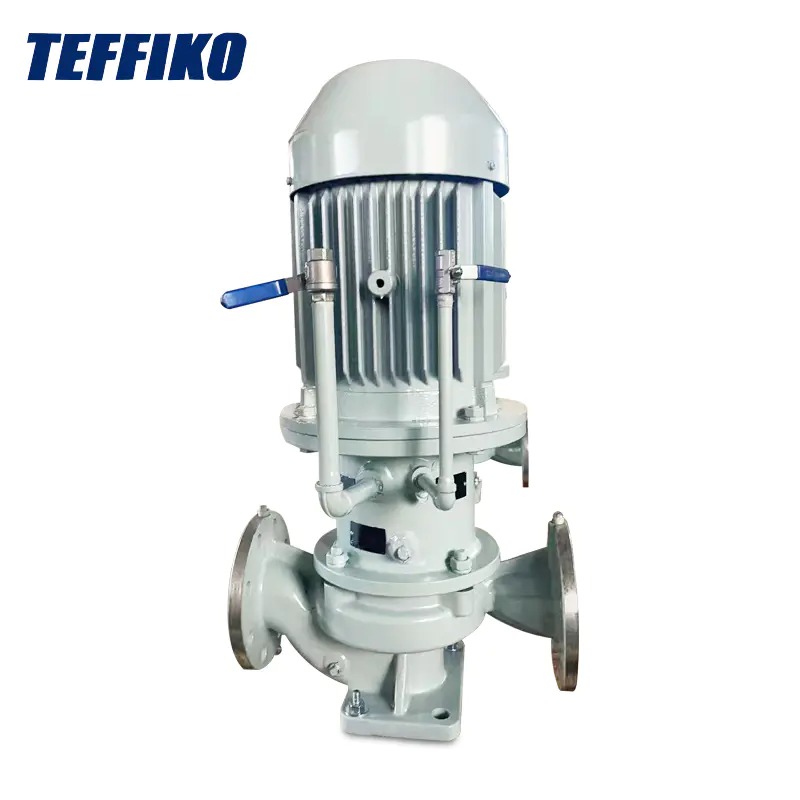
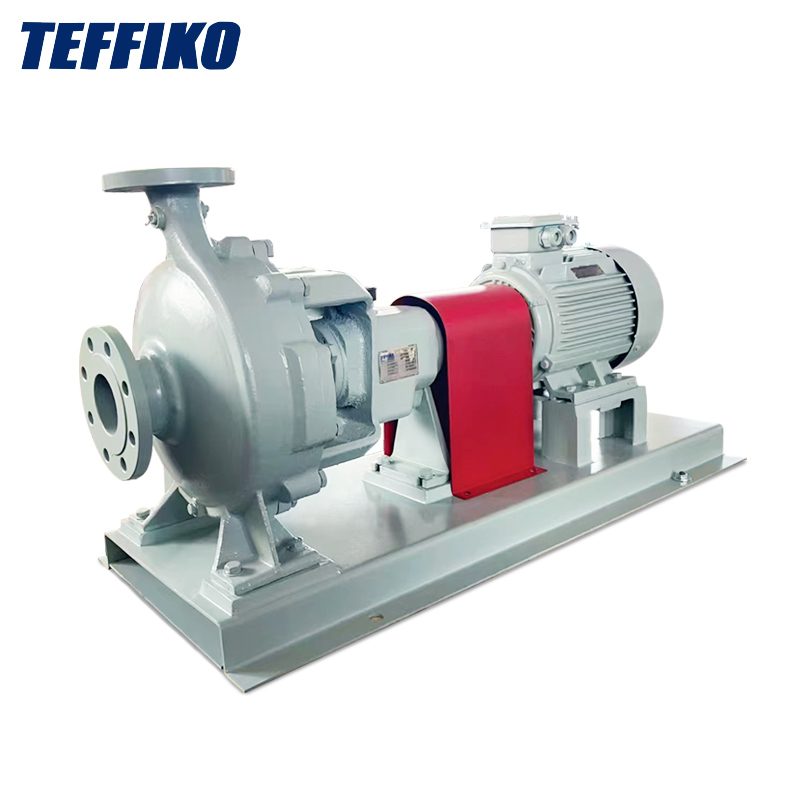
Air-cooled pumps are centrifugal pumps specially designed for high-temperature fluid conveyance. Unlike conventional hot oil pumps fitted with water cooling jackets, they rely entirely on natural air convection for heat dissipation and require no external cooling water system. While operating to deliver high-temperature edible oil, the pump body dissipates heat and lowers temperature via air convection, fundamentally eliminating the risk of oil-water mixing contamination and naturally complying with food safety production standards.
Core Comparison Between Air-Cooled Pumps and Water-Cooled Pumps
Comparison Dimension
Conventional Water-Cooled Pumps
Air-Cooled Pumps for Edible Oil
Heat Dissipation Mode
Circulating water cooling
Air convection heat dissipation
Contamination Risk
Water leakage may seep into oil and cause emulsification and deterioration of grease
Zero risk of oil-water mixing
Pipeline Supporting Facilities
Water pipes and valves must be laid out, occupying large floor space
Compact structure; no reconstruction of water supply and drainage systems required
Common Faults
Scale buildup, blockage, corrosion and water leakage
No waterway components, resulting in an extremely low failure rate
Maintenance Cost
Frequent maintenance with high expenses
Minimal maintenance workload, delivering long-term energy and cost savings
Conventional water-cooled pumps depend on circulating water for heat dissipation and require the laying of complex supporting facilities such as water pipes and valves, which occupy substantial workshop space. They are highly prone to issues including waterway scaling, blockage and water leakage. Once cooling water seeps into high-temperature edible oil, it will directly trigger emulsification and deterioration of grease, incurring massive losses for enterprises.
In contrast, special air-cooled pumps for edible oil adopt an air cooling mode that fundamentally eradicates oil-water mixing contamination risks. Featuring a compact structure and small footprint, they require no reconstruction of the workshop’s water supply and drainage systems and allow convenient installation. Furthermore, without any waterway components, they are free from hidden troubles such as scale buildup, corrosion and water leakage, entail minimal maintenance work, deliver remarkable energy-saving effects and offer superior stability during long-term operation.
III. Major Application Scenarios of Air-Cooled Pumps in the Edible Oil Industry
Air-cooled pumps are compatible with the full processing workflow of edible oil and widely deployed for conveying high-temperature oil products under various working conditions, suitable for all types of animal and vegetable oils including soybean oil, peanut oil, rapeseed oil and palm oil:
Edible Oil Refining Procedures: Circulate and convey high-temperature crude oil in high-temperature refining processes such as decolorization, deacidification and deodorization to facilitate efficient separation of impurities and improve finished oil quality;
Oil Filtration and Purification: Stably deliver high-temperature oil pending purification to guarantee uniform flow during filtration and refining procedures and consistent purification results;
Oil Pressing and Hot Oil Transfer: Undertake hot pressing processes and complete conveyance of high-temperature crude oil from oil presses to storage tanks to ensure continuous operation of production lines;
Circulation for Frying Production Lines: Adapt to circulation of high-temperature frying oil in food frying equipment, featuring high temperature resistance and zero leakage to fit continuous production;
Storage and Conveyance of Finished Oil: Realize constant-temperature transfer and filling conveyance of refined oil, stabilize oil temperature and preserve the inherent quality of grease.
IV. Core Technical Parameters of Air-Cooled Pumps for Edible Oil
Air-cooled pumps compliant with industrial production standards for grain and oil feature core parameters adaptable to working conditions of small, medium and large-scale oil mills: the equipment has a caliber ranging from 25 mm to 80 mm, a maximum flow rate of 40 cubic meters per hour, a maximum rotational speed of 3000 revolutions per minute and a maximum bearing pressure of 12 Kg/cm². Available materials include cast iron, carbon steel, 304 stainless steel and 316 stainless steel. Among these, food-grade 304 and 316 stainless steel serve as dedicated materials for edible oil processing, offering corrosion resistance and no impurity precipitation while conforming to food safety production specifications.
V. Key Points for Model Selection of Air-Cooled Pumps
Proper model selection is critical for efficient operation and extended service life of air-cooled pumps. Grain and oil enterprises shall focus on five core key points during model selection:
High Temperature Resistance: Prioritize pump models specially designed for high-temperature fluids that match high-temperature working conditions of edible oil processing, with sufficient temperature margin reserved to avoid overheating failures of equipment;
Food-Grade Materials: Components in contact with oil must be made of 304 or 316 stainless steel to eliminate risks of metal contamination and grease oxidation and safeguard food safety;
Matching of Flow Rate and Pressure: Match corresponding flow rate and pressure parameters according to conveying distance and process requirements of production lines to prevent cavitation and unstable flow;
Energy-Saving and Low-Consumption Properties: Prefer models with high-efficiency air convection heat dissipation and low power consumption to cut long-term operating costs and reduce production downtime losses;
Brand and After-Sales Service: Select products from professional pump manufacturers to guarantee equipment quality, while comprehensive after-sales support enables rapid resolution of equipment operation and maintenance issues.
Conclusion
Against a backdrop of increasingly stringent food safety standards and continuous upgrades in production efficiency within the grain and oil industry, air-cooled pumps resolve the inherent drawbacks of conventional water-cooled oil pumps through their core advantages including waterless cooling, zero contamination, low maintenance, high energy efficiency and compatibility with high-temperature working conditions. Whether for newly built edible oil processing production lines or renovation of outdated equipment, air-cooled pumps matched to working conditions can effectively boost production efficiency, cut operation and maintenance costs and safeguard oil product quality. They represent core fluid conveying equipment with high cost performance and outstanding stability for high-temperature conveyance scenarios of edible oil.
For inquiries about relevant engineering solutions and technical support, please visit the official website: www.teffiko.com.
We use cookies to offer you a better browsing experience, analyze site traffic and personalize content. By using this site, you agree to our use of cookies.Privacy Policy