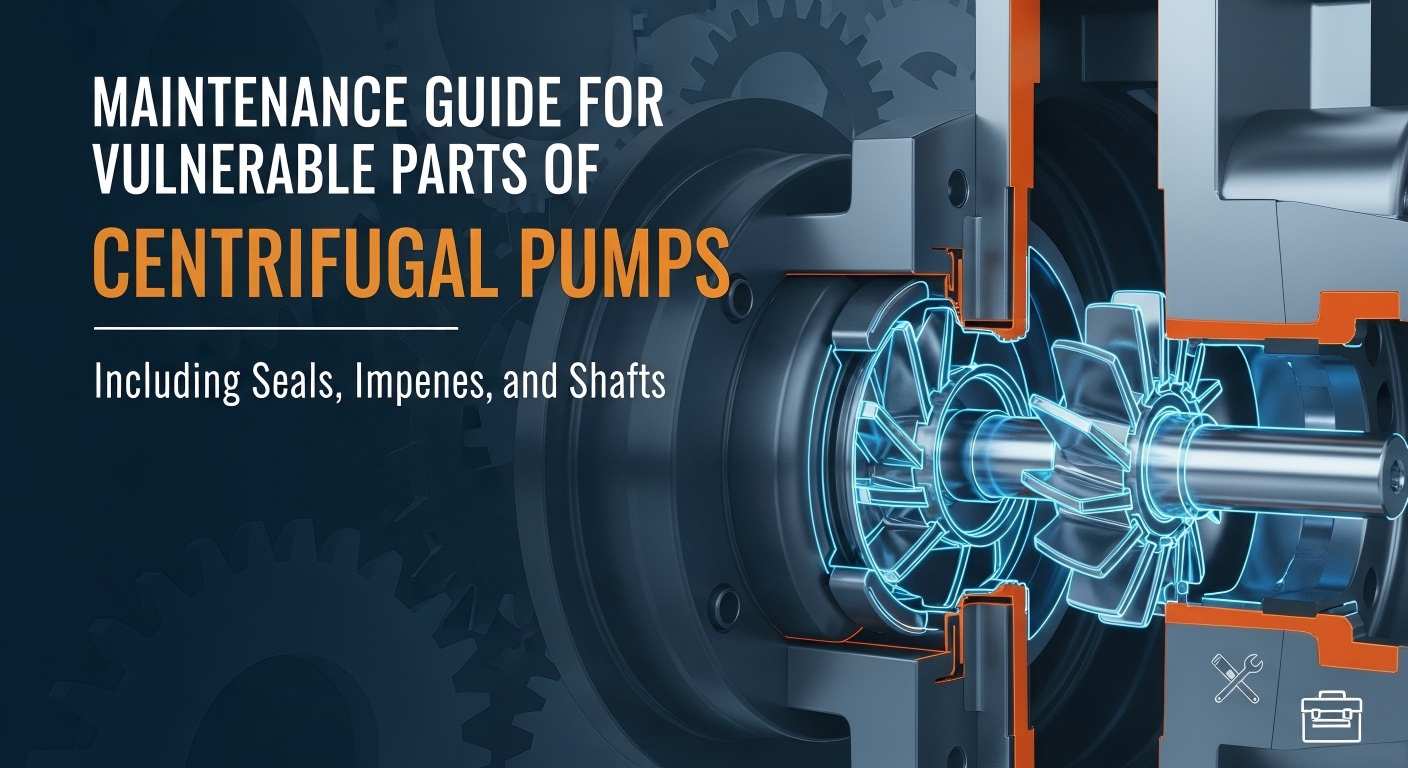
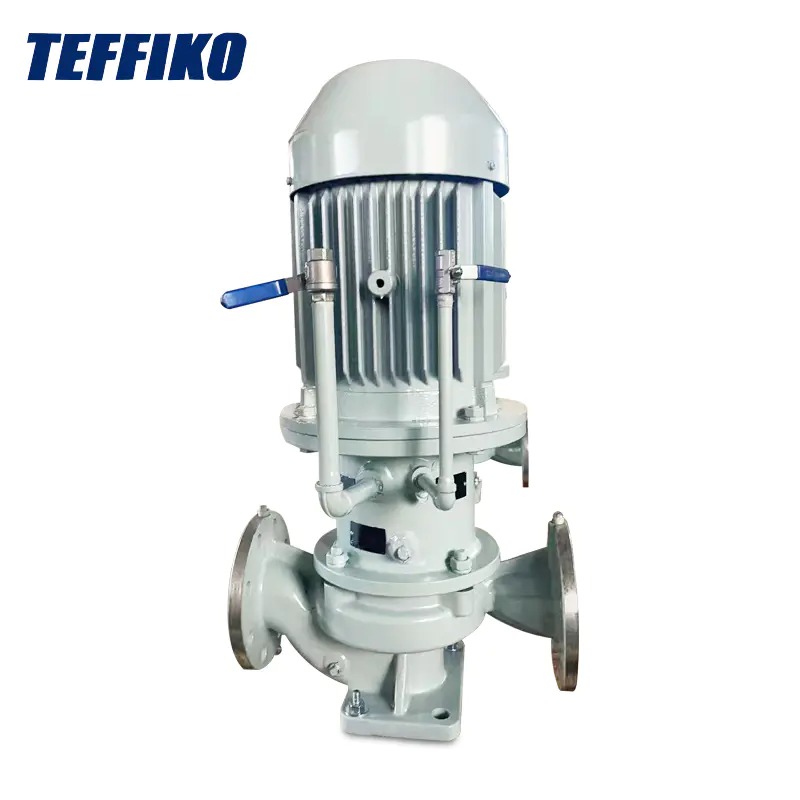
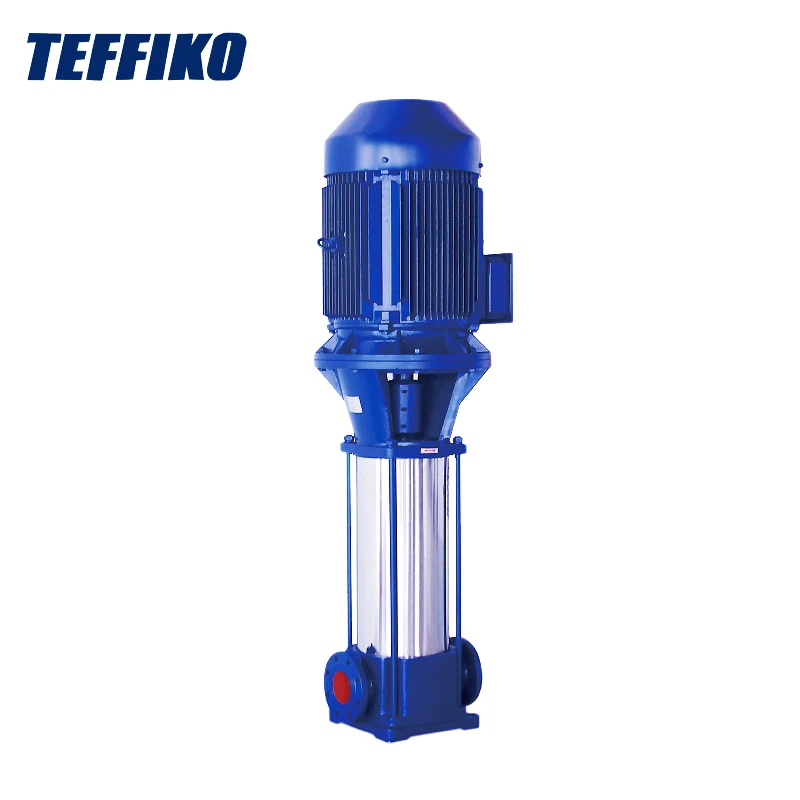
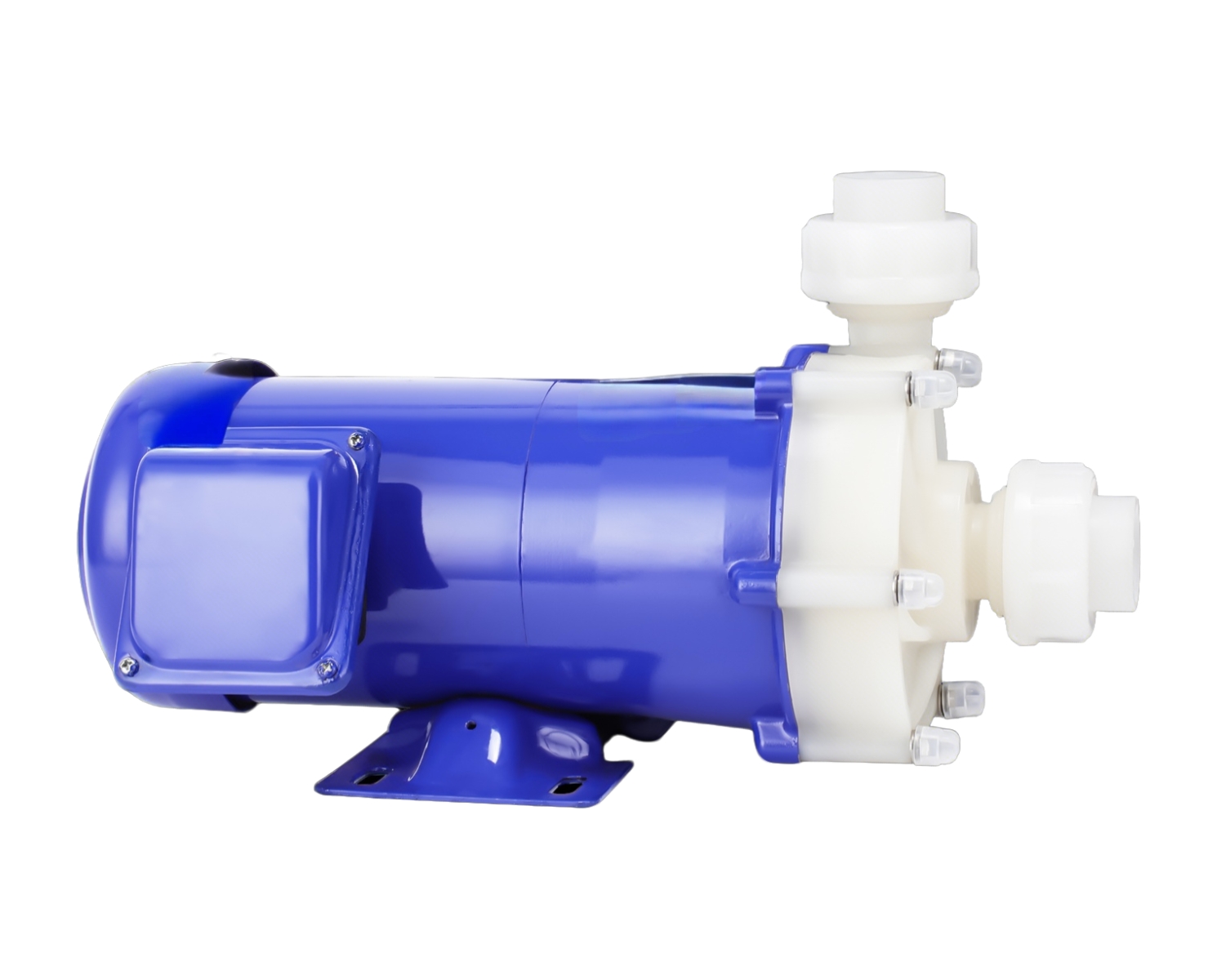
Centrifugal pumps are widely used in chemical, environmental protection, mining and other fields. Affected by medium erosion, corrosion, friction and other factors during long-term operation, the three core components—mechanical seals, impellers and pump shafts—are the most prone to damage, often causing failures such as leakage, vibration and insufficient flow. At present, most enterprises emphasize emergency repair over preventive maintenance and lack standardized maintenance standards, resulting in high repair rates and shortened service life. Combined with practical experience and technical parameters, this paper systematically sorts out maintenance techniques and installation standards for key components, providing practical preventive maintenance references for operation and maintenance personnel.
1. Maintenance and Standardized Installation of Centrifugal Pump Mechanical Seals
Mechanical seals are core precision vulnerable parts of centrifugal pumps to prevent medium leakage, with the highest replacement frequency. They achieve sealing through the fitting of dynamic and static ring end faces, and are extremely vulnerable to wear and aging under working conditions of erosion, corrosion, high temperature and impurity-containing media. Meanwhile, insufficient installation accuracy is the main human cause of seal failure. Therefore, mechanical seal operation and maintenance shall be combined with daily inspection and maintenance and standardized parameter installation to reduce leakage failures from the source.
1.1 Key Points of Daily Inspection and Disassembly Inspection
During daily operation, faults can be quickly checked through "observation, touch and listening": observe whether there is water seepage or linear leakage on the seal gland, detect whether the seal cavity has abnormal temperature rise, and check whether the equipment has abnormal friction noise. During disassembly and maintenance, focus on checking that the end faces of dynamic and static rings are free of scratches, pits and scaling; seal springs are free of rust, jamming and elastic attenuation; O-rings are free of hardening, cracking and aging. For centrifugal pumps conveying impurity, corrosive and high-temperature media, the inspection cycle shall be shortened to avoid potential seal failure risks in advance.
1.2 Precise Installation Technical Parameters of Mechanical Seals
The service life of mechanical seals completely depends on installation accuracy, and assembly must strictly follow standard parameters: the surface roughness of the contact surface between the seal gland and the static ring sealing ring is Ra3.2, the diameter clearance between the gland and the shaft sleeve is 0.75~1.00mm, and the thickness of the seal cavity gasket is 1~2mm; the assembled shaft or shaft sleeve surface is free of rust spots and cracks, with the surface roughness reaching Ra1.6.
When assembling, tighten the gland bolts diagonally and evenly to prevent gland inclination and ensure the static ring is installed upright without deflection. For pumps with rolling bearings, reserve an axial clearance of 0.02~0.06mm for the outer ring of the bearing; adopt hot fitting process for bearings with the temperature not exceeding 120℃, prohibit open fire heating, and give priority to high-frequency induction heaters. Ensure that bearing raceways and rolling elements are free of corrosion pits and cages are intact. Meanwhile, the rotation direction of the seal spring shall be opposite to that of the pump shaft, and the compressed working length shall comply with the equipment design standards.
1.3 Common Faults and Standard Maintenance Methods
Mechanical seal faults are mainly divided into slight leakage and severe leakage. Slight leakage is mostly caused by impurities on the sealing surface, slight wear and insufficient spring pre-tightening force, which can be repaired by cleaning the seal components and fine-tuning the compression clearance; in case of jet leakage caused by damaged seal rings, aged rubber rings and severe end face wear, replace the mechanical seal of the same brand and model directly. Keep the environment clean during disassembly and assembly to avoid scratching the sealing mirror surface. After assembly, conduct no-load and on-load trial runs, and put into use only when there is no leakage and abnormal temperature rise.
2. Maintenance and Standardized Installation of Centrifugal Pump Impellers
The impeller is the core working component of a centrifugal pump, which completes medium pressurization and transmission through high-speed rotation. Long-term affected by fluid erosion, particle impact and cavitation, it is prone to problems such as wear, cavitation, scaling and deformation, directly leading to reduced equipment flow and head, and intensified operation vibration.
2.1 Appearance Loss Inspection of Impellers
Regularly disassemble and inspect the overall state of the impeller, focusing on checking whether there is erosion wear, notches, cavitation pits, rust and scaling on the front and back sides and edges of the blades. Wear of blades and blockage of flow channels often occur in sewage and mining working conditions, while pitting and perforation damage are prone to occur in chemical working conditions. Meanwhile, check the wear of the inner hole of the impeller hub, confirm that the fit with the pump shaft is not loose and the clearance does not exceed the standard, and eliminate equipment resonance caused by impeller imbalance.
2.2 Impeller Assembly Accuracy and Balance Calibration Standards
The standard fitting accuracy between the impeller and the pump shaft is H7/js6, and static balance calibration must be performed for newly replaced impellers. For impellers with a working speed of 3000r/min, the residual unbalance of the outer diameter must strictly comply with the specification; for equipment with high working condition requirements, dynamic balance calibration shall be performed for the rotor after assembly, with the dynamic balance accuracy reaching Grade 6.3. Impeller balance correction shall give priority to weight removal on the impeller body, and the cut thickness shall not exceed 1/3 of the impeller wall thickness to avoid damaging the structural strength of the impeller.
For the assembly of special impellers for hot oil pumps, special clearance standards shall be followed: after the impeller is assembled with the shaft, reserve a clearance of 0.10~0.40mm at the top of the key, and the axial clearance between the impeller and the front and rear partitions of the pump shall not be less than 1~2mm, effectively avoiding friction and jamming failures caused by thermal expansion during high-temperature operation.
2.3 Impeller Repair and Replacement Specifications
Slight scaling and debris adhesion on the impeller surface can be removed by high-pressure flushing and manual grinding to ensure smooth flow channels; slight blade defects can be repaired by repair welding with wear-resistant welding materials, and balance shall be recalibrated after grinding and leveling. If the impeller has large-area cavitation, deep wear, blade fracture, overall deformation and severe imbalance that cannot be repaired to the standard, replace it with a new impeller directly. Correct the coaxiality after assembly to ensure flexible rotation of the impeller without friction and avoid secondary loss caused by installation deviation.
3. Maintenance and Standardized Installation of Centrifugal Pump Main Shafts
The pump main shaft is the core of power transmission of the equipment, responsible for transferring motor torque to the impeller. The shaft accuracy, straightness and surface finish directly determine the operation stability of the pump unit. Unqualified installation accuracy and shaft wear and deformation will cause major failures such as equipment vibration, seal failure and shaft seizure shutdown. Therefore, main shaft maintenance must strictly follow precision testing parameters.
3.1 Core Testing Parameter Standards of Main Shafts
The cylindricity of the journal of the centrifugal pump main shaft shall be controlled at 0.25% of the shaft diameter, with the maximum error not exceeding 0.025mm. The shaft surface is free of scratches, scars and crack defects, with the surface roughness reaching Ra1.6. Before assembly, detect the diameter clearances of the casing wear ring and impeller wear ring, middle support shoe and middle shaft sleeve to ensure all comply with equipment specifications. Based on the journals at both ends, the radial runout tolerance of the coupling and the middle section of the shaft shall be controlled within 0.04mm.
3.2 Rotor Assembly and Axial Clearance Calibration
After the overall assembly of the rotor and pump body, accurately measure the total axial movement of the rotor. When centering the rotor, take half of the total movement as the benchmark. For supported hot oil pumps at both ends, differentiated clearance standards shall be followed, and the inlet axial clearance shall be 0.5~1.00mm larger than the outlet axial clearance to adapt to the thermal expansion characteristics of the shaft under high-temperature working conditions and prevent operation jamming and intensified wear.
3.3 Main Shaft Fault Maintenance and Daily Protection
Slight rust and fine scratches on the main shaft surface can be finely polished to ensure the smoothness of the sealing mating surface; slight shaft bending can be straightened by professional equipment to restore coaxiality and straightness. If the main shaft has severe bending, deep wear, fatigue cracks, failure of threads and keyways and other problems with no repair value, replace it immediately. Daily operation and maintenance shall ensure sufficient bearing lubrication, eliminate dry grinding and overload operation, and provide good anti-corrosion protection for the shaft to effectively extend the service life of the main shaft.
4. Core Points of Linked Maintenance for Three Major Vulnerable Parts
The faults of mechanical seals, impellers and main shafts of centrifugal pumps are highly interrelated, and their assembly accuracy and operation status affect each other. Bending of the main shaft and imbalance of the impeller will cause high-frequency vibration of the equipment, damage the end face accuracy of the mechanical seal and cause leakage; medium intrusion after seal leakage will accelerate shaft rust and impeller erosion wear, forming a vicious circle. Therefore, equipment maintenance cannot be limited to single component maintenance, and systematic and linked maintenance shall be carried out in combination with precise installation parameters and testing standards.
5. Summary
As the three core vulnerable parts of centrifugal pumps, mechanical seals, impellers and main shafts directly determine the operation efficiency, stability and service life of the equipment. Compared with emergency repair after failure, regular preventive maintenance and standardized assembly operations based on standardized technical parameters can effectively reduce operation and maintenance costs and production downtime losses.
Teffiko reminds users that standardized maintenance of vulnerable parts and regular maintenance are the core keys to avoiding frequent failures of centrifugal pumps, extending the service life of the whole machine, and ensuring the safe, efficient and continuous operation of the fluid transmission system. Relying on professional maintenance standards and high-quality supporting parts can fundamentally improve the operation stability of industrial pump equipment. For more industry knowledge, please visit the official website: www.teffiko.com.
We use cookies to offer you a better browsing experience, analyze site traffic and personalize content. By using this site, you agree to our use of cookies.
Privacy Policy