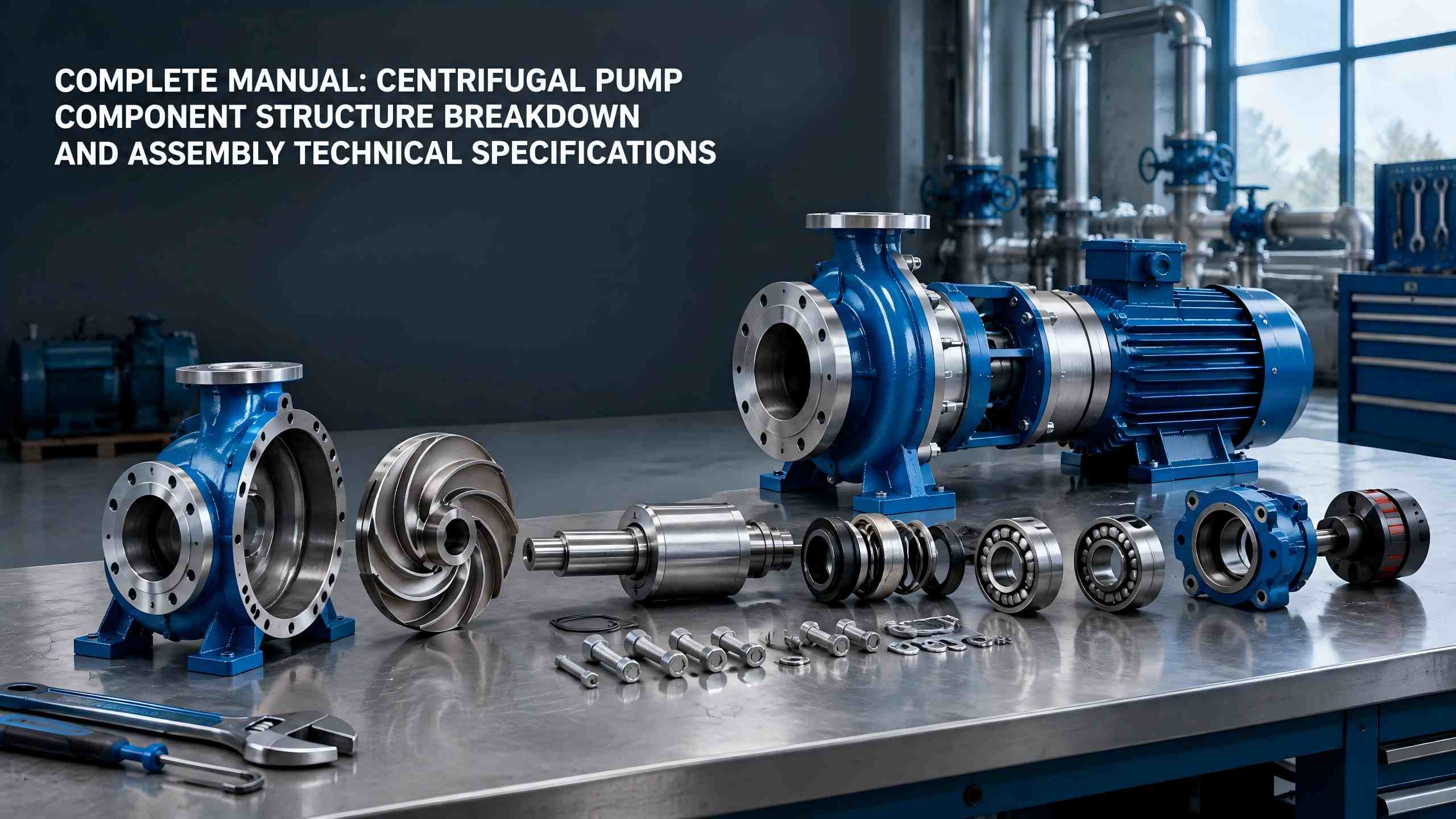
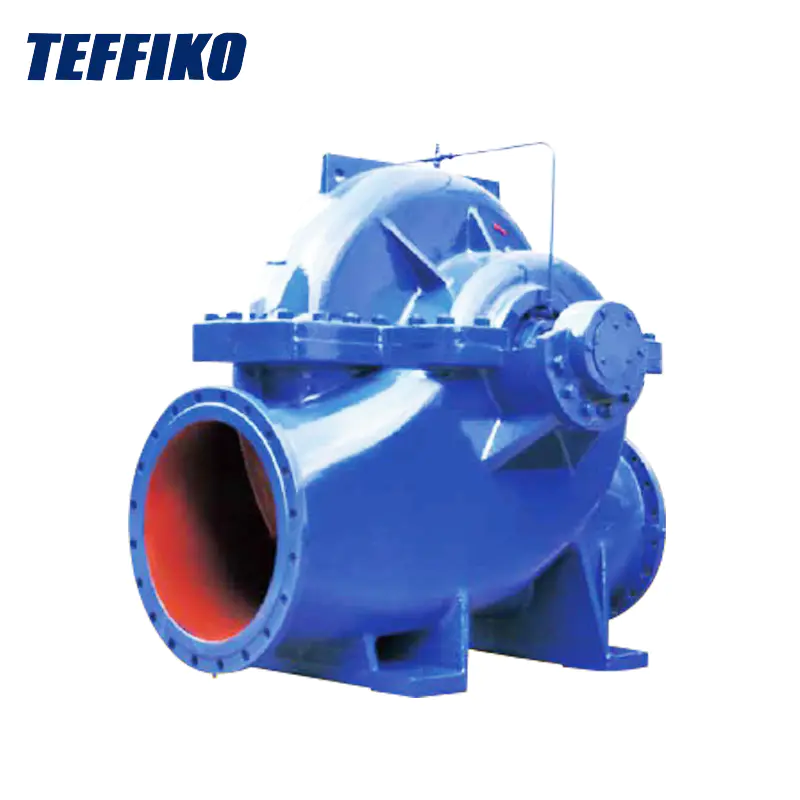
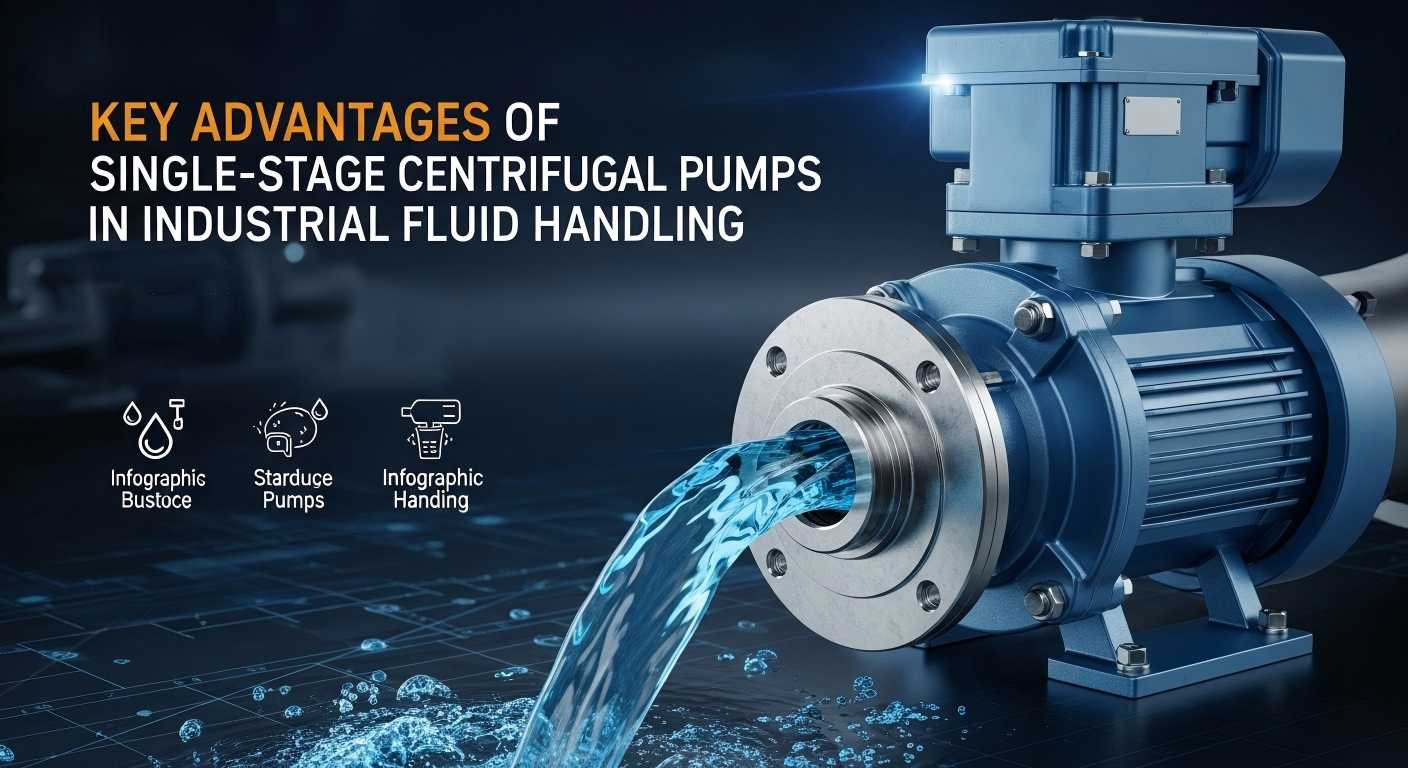
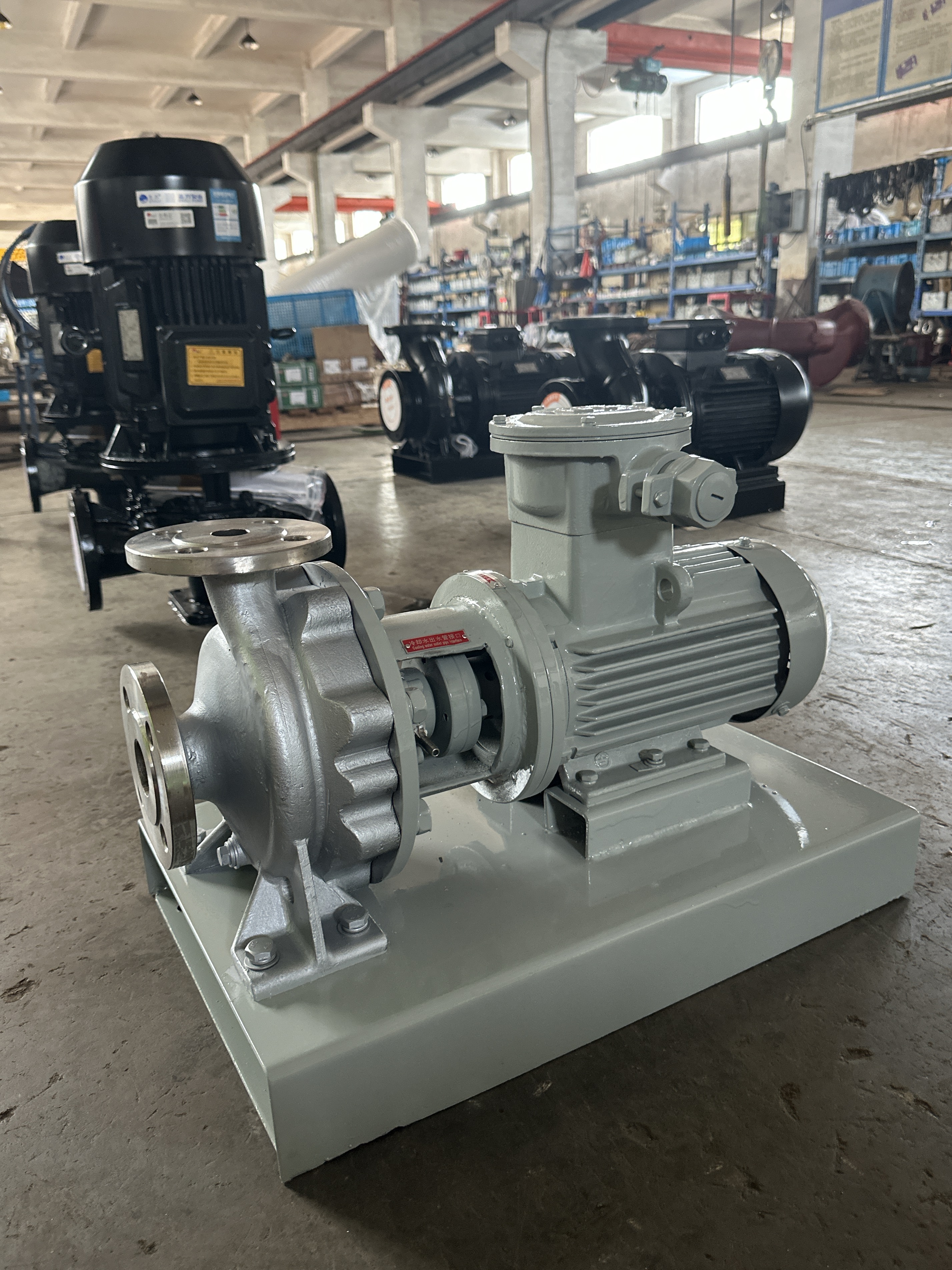
Centrifugal pumps are widely used in industrial water supply‑drainage, HVAC, chemical fluid transportation, municipal water supply and other fields. This document comprehensively explains the structure and functions of core components, seal‑protection assemblies and auxiliary accessories of Teffiko centrifugal pumps. It also provides full pre‑assembly preparations, standard procedures and technical requirements to help users reduce equipment failure rates from the source.
I. Centrifugal Pump Sealing and Protection Assemblies
Sealing and protection assemblies determine the tightness, operational stability and service life of water pumps. They mainly include sealing elements, bearings, bearing housings and other parts, and serve as critical components for preventing water leakage, abnormal noise, vibration and seizure failures.
Mechanical Seals and Packing Seals
Common sealing structures for centrifugal pumps fall into two categories: mechanical seals and packing seals. A mechanical seal consists of a rotating ring, stationary ring, springs and sealing rings. Its end faces fit precisely to deliver nearly zero‑leakage performance, with wear‑resistant and high‑temperature‑resistant properties, making it suitable for high‑pressure and high‑speed industrial operating conditions.
Packing seals adopt flexible fillers of graphite and PTFE for sealing. Featuring simple structure, easy maintenance and low cost, they are mostly applied to civil water pumps and small low‑pressure centrifugal pumps. Their disadvantage lies in minor water seepage during operation, requiring periodic tightening or packing replacement.
Bearings and Bearing Housings
Bearings support high‑speed rotation of the pump shaft, reduce mechanical friction resistance, and ensure smooth, offset‑free and jitter‑free shaft operation. The bearing housing acts as a protective casing for bearings. It stores lubricating oil and grease internally to deliver continuous lubrication and heat dissipation for bearings, so as to prevent bearing dry‑grinding overheating, burning‑out and seizure.
II. Auxiliary Matching Assemblies for Centrifugal Pumps
Auxiliary assemblies do not directly perform fluid work, yet they guarantee safe, stable and standard operation of the complete equipment, and constitute an indispensable part of a full centrifugal pump system.
Inlet and outlet flanges: Realize standard connection between the water pump and pipelines, ensure joint tightness and prevent water seepage and air leakage.
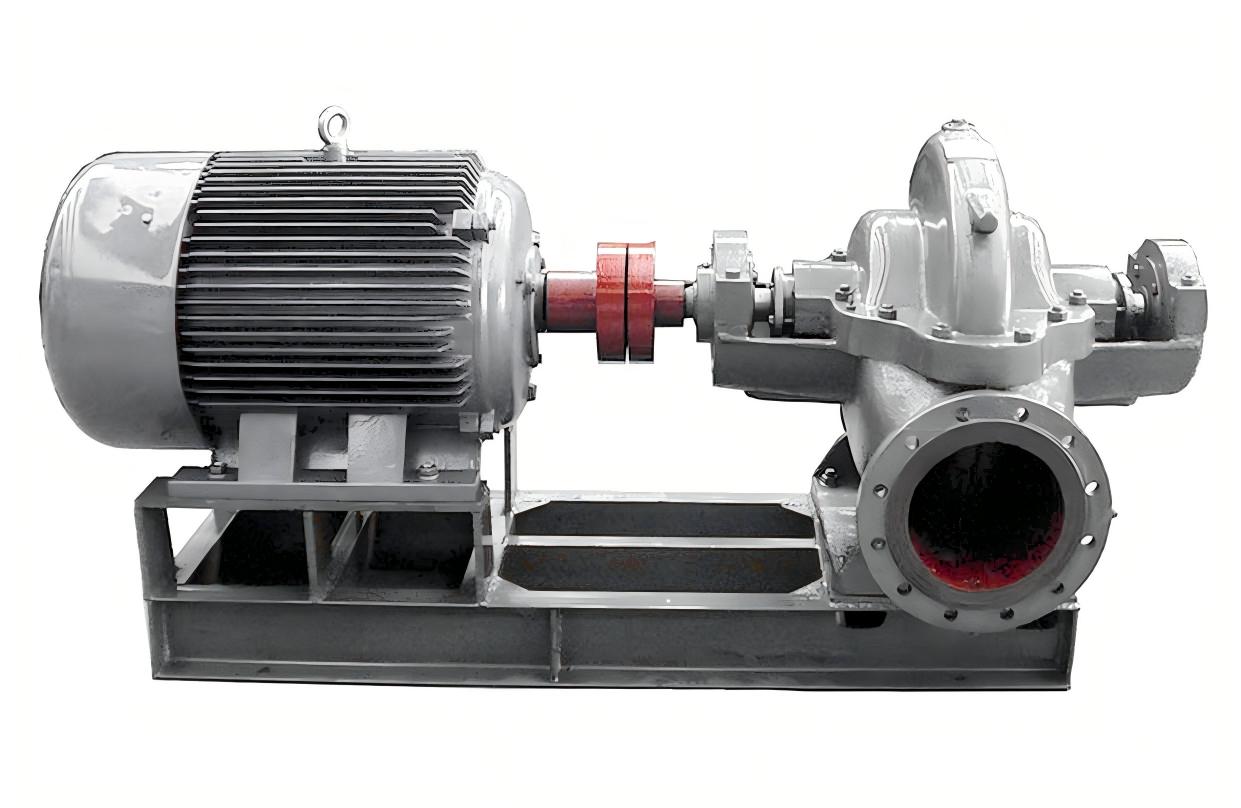
Base and coupling: The base secures the whole unit and reduces operational vibration; the coupling connects the pump shaft and motor shaft to achieve synchronous power transmission.
Air release valve and drain valve: Air release at startup eliminates air blockage and cavitation; drainage at shutdown prevents freezing and corrosion to protect internal components.
III. Pre‑Assembly Preparations for Centrifugal Pumps
Assembly quality of centrifugal pumps exerts a direct impact on operating performance and service life. Standardized preparations must be completed prior to formal assembly to avoid mis‑assembly, missing‑part assembly and non‑compliant assembly.
Thoroughly study technical documents: Carefully read the centrifugal pump manual, assembly drawings and technical parameter requirements, and get familiar with equipment structure and assembly standards.
Master component quality criteria: Clarify acceptance standards for each centrifugal pump component, and confirm that parts are free of deformation, cracks, wear and corrosion.
Parts inventory and inspection: Check all components one‑by‑one to ensure complete accessories, matched specifications and qualified quality, and forbid installation of defective parts.
Prepare tools and measuring instruments: Get assembly and measuring equipment ready in advance, including wrenches, calipers, levels and alignment tools, to guarantee assembly accuracy.
Prepare consumables: Prepare lubricating oil, grease, sealing packing, gaskets and other consumables to meet lubrication and sealing demands for assembly.
IV. Standard Assembly Sequence for Centrifugal Pumps
Centrifugal pumps of different models vary slightly in structure and assembly order. The IS‑type back pull‑out centrifugal pump, which sees the widest application, adopts industry‑universal standard assembly procedures. Specific steps are as follows:
1. Assemble bearing assemblies: Install bearings accurately at designated positions on the pump shaft, ensuring bearings are fully seated and rotate flexibly.
2. Assemble pump shaft assembly: Fit the pump shaft with assembled bearings into the pump casing as a whole, ensuring smooth rotation without jamming.
3. Fasten pump casing and frame: Mount and secure the entire pump casing onto the equipment frame, making sure the pump body is horizontal, firm and free of wobble.
4. Install pump cover and impeller: Pre‑fit the pump cover to the pump‑shaft position, then fasten the impeller to guarantee firm impeller mounting and uniform clearances.
5. Integrate and fasten the whole unit: Precisely butt and lock the pump cover and pump casing, then secure the entire pump body to the equipment base.
6. Appearance finishing: Clear debris and stains off the whole unit, inspect appearance integrity and finish overall tidying work.
7. Coupling alignment and calibration: Complete installation of motor and pump‑body couplings, perform coaxiality correction to ensure transmission accuracy.
V. Core Technical Requirements for Centrifugal Pump Assembly
Strict inspection and acceptance must be conducted upon assembly completion in accordance with technical standards to ensure qualified equipment operation. Core acceptance criteria are listed below:
Flexible rotation of the whole unit: Gently turn the pump body and rotating shaft manually. The unit shall rotate smoothly and evenly without jamming or mechanical friction noise.
No pump‑shaft play: The pump shaft shall have no obvious axial or radial displacement, with compliant clearances and no looseness or wobble.
Qualified coupling coaxiality: Coaxial deviation between the pump half‑coupling and motor half‑coupling shall comply with equipment technical parameters, so as to avoid vibration, abnormal noise and wear induced by eccentric operation.
Standard lubricant filling: Fill bearings and transmission parts with appropriate amounts of lubricating oil and grease. Maintain proper oil volume to prevent dry grinding caused by oil shortage or dust accumulation due to excessive oil overflow.
Summary
Centrifugal pump components lay the foundation for equipment operation. Impellers, pump casings, pump shafts, sealing elements, bearings and other parts perform respective functions and cooperate with one another, determining pump performance and service life. Meanwhile, standardized pre‑assembly preparations, compliant assembly sequences and stringent assembly acceptance standards are key to avoiding equipment failures, boosting operating efficiency and extending equipment service life. Mastery of the component structure and assembly techniques of Teffiko centrifugal pumps serves as essential groundwork for equipment operation‑maintenance, installation‑commissioning and fault troubleshooting.
We use cookies to offer you a better browsing experience, analyze site traffic and personalize content. By using this site, you agree to our use of cookies.Privacy Policy